
The Science of Habit Stacking and Why It Beats Willpower Every Time
The Science of Habit Stacking and Why It Beats Willpower Every Time
In a world filled with distractions and endless to-do lists, building lasting habits often feels like an uphill battle. You’ve probably relied on sheer willpower to hit the gym, eat healthier, or meditate daily—only to crash and burn after a few weeks. What if there’s a smarter way? Enter habit stacking, a scientifically backed strategy that leverages your brain’s natural wiring to make new behaviors stick effortlessly. Popularized by James Clear in his bestseller Atomic Habits, habit stacking isn’t about gritting your teeth; it’s about piggybacking new habits onto existing ones. This article dives into the science of habit stacking, explaining why it outperforms willpower every time, with research, examples, and a practical guide to transform your life.
What is Habit Stacking?
Feature Video
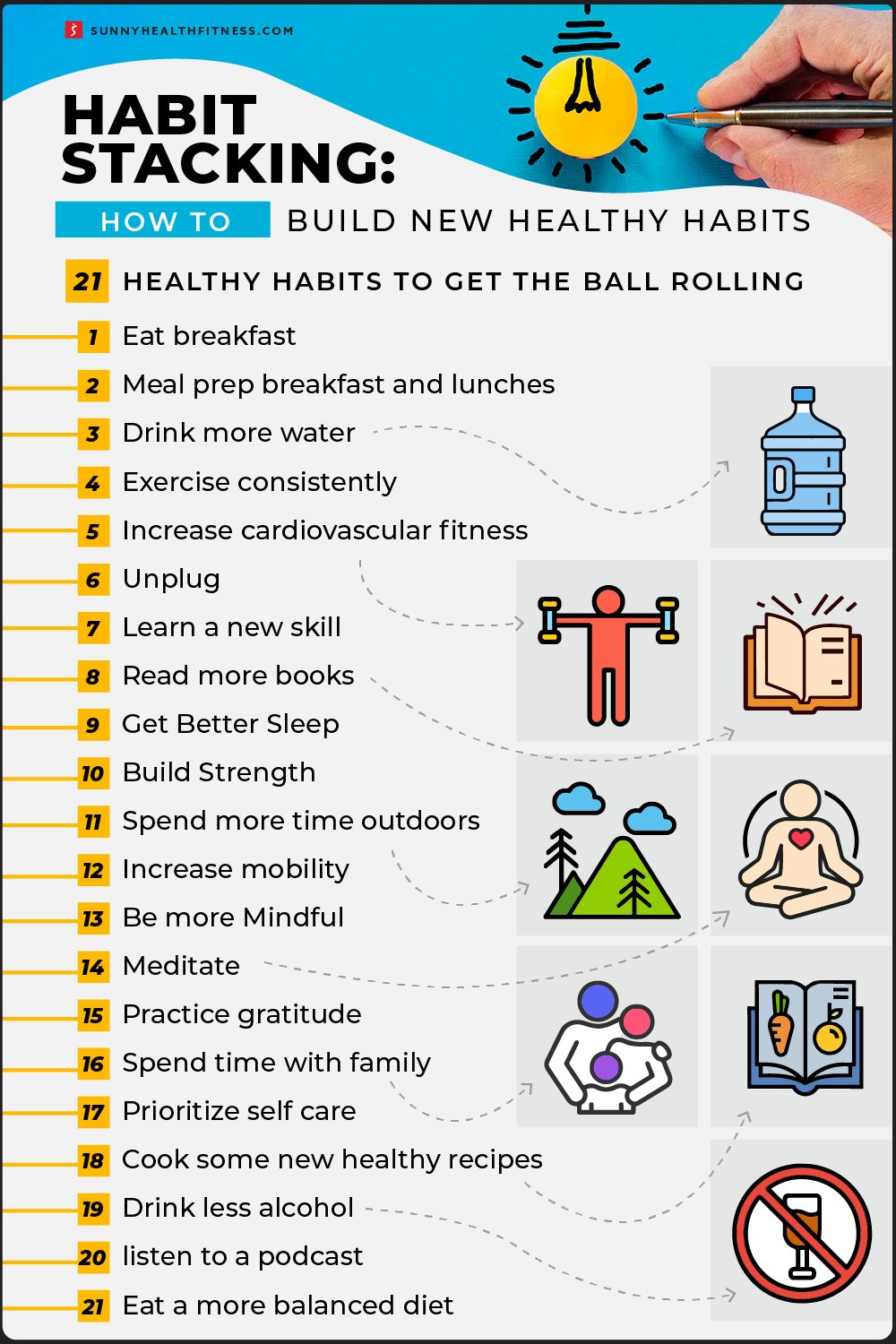
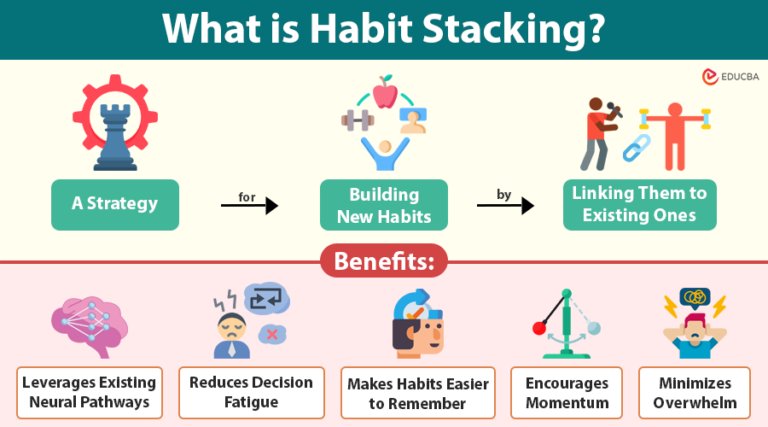
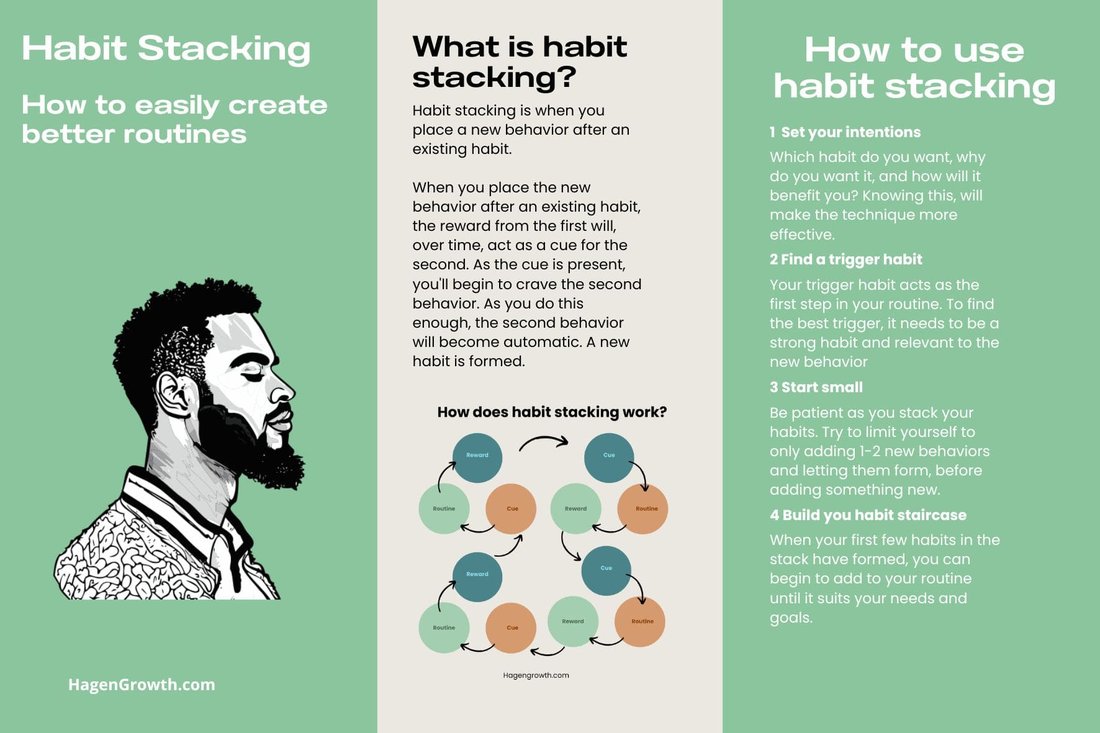
Habit stacking is a simple yet powerful technique where you attach a new habit you want to build to an existing habit you already do automatically. The formula is straightforward: “After [current habit], I will [new habit].” For instance, “After I brush my teeth in the morning, I will do 10 push-ups.” This method exploits the brain’s love for routines, turning abstract goals into concrete actions triggered by cues.
Coined by BJ Fogg, a Stanford behavior scientist, habit stacking builds on the idea that small, linked behaviors compound over time. Unlike vague resolutions, it creates neural pathways that make habits automatic. Research from the European Journal of Social Psychology shows it takes an average of 66 days to form a habit—but habit stacking can slash that timeline by anchoring to reliable triggers. Why does this work? Our brains are pattern-matching machines, evolved to conserve energy by automating repetitive tasks. By stacking, you’re not fighting your biology; you’re aligning with it.
The Neuroscience of Habits
To understand why habit stacking trumps willpower, we must peek into the brain. Habits form in the basal ganglia, a region that handles automatic behaviors via the habit loop: cue, craving, response, reward (as outlined by Charles Duhigg in The Power of Habit). When a behavior becomes habitual, it shifts from the prefrontal cortex—responsible for decision-making and willpower—to this deeper, energy-efficient structure.
A Duke University study found that over 45% of daily actions are habitual, not deliberate. fMRI scans reveal that repeated actions light up the basal ganglia while quieting the prefrontal cortex, reducing cognitive load. Habit stacking taps this by using an existing cue (like drinking coffee) to trigger a new response, fast-tracking the loop formation. Over time, the stack becomes one seamless routine, bypassing the mental effort willpower demands.
Why Willpower Fails: The Ego Depletion Myth and Reality
Willpower is like a muscle—it fatigues. Roy Baumeister’s ego depletion theory, tested in hundreds of studies, shows self-control dips after exertion. After resisting cookies, you’re more likely to skip the gym. A meta-analysis in Perspectives on Psychological Science confirms glucose levels and mental fatigue erode resolve, explaining why New Year’s gyms empty by February.
Willpower relies on the finite prefrontal cortex, vulnerable to stress, sleep deprivation, and decision fatigue. In contrast, habits run on autopilot, thriving under pressure. A study in Health Psychology Review compared willpower-based vs. cue-based habit formation: the latter group stuck with exercise 2.5 times longer. Habit stacking sidesteps depletion by outsourcing to cues, making consistency inevitable rather than optional.
How Habit Stacking Beats Willpower: The Science Explained
Habit stacking wins because it minimizes activation energy. BJ Fogg’s Tiny Habits model proves micro-habits (under 30 seconds) paired with anchors succeed 85% more than standalone efforts. Neurologically, it strengthens synaptic connections via Hebb’s Law: “Neurons that fire together wire together.” Each stack reinforces the pathway, creating a domino effect.
Unlike willpower’s all-or-nothing approach, stacking scales effortlessly. A University College London study tracked 96 participants forming habits: stacking shortened learning curves by linking to daily rituals. Dopamine rewards from quick wins further cement the loop, unlike willpower’s grind. In essence, habit stacking vs willpower is automation vs. manual override—science favors the former for longevity.
Real-World Examples of Habit Stacking in Action
Consider fitness: Instead of “exercise daily” (willpower trap), stack “After my morning coffee, I’ll stretch for two minutes.” This snowballs into full workouts. Writer James Clear stacks writing after brewing tea, crediting it for his book’s success.
For productivity, “After checking email, I’ll plan my top three tasks.” Nutritionists recommend “After lunch, I’ll drink a glass of water” to curb snacking. A case study in American Journal of Health Promotion saw office workers double veggie intake by stacking onto coffee breaks. Parents stack bedtime stories after dinner baths, easing routines. These micro-stacks compound: one study showed chained habits yielding 300% better adherence over six months.
Proven Benefits of Habit Stacking Backed by Research

The perks extend beyond sticking power. A Journal of Behavioral Medicine review links habit-based changes to sustained weight loss, unlike willpower diets failing 95% long-term. Mentally, it reduces anxiety—fMRI data shows automated routines lower amygdala activity.
Productivity soars: habit stackers report 23% more output per Atomic Habits surveys. Sleep improves via stacks like “After brushing teeth, dim lights.” Overall, it fosters identity shift: you’re not “trying” to exercise; you are an exerciser. Longitudinally, a 10-year British cohort study correlated strong habit networks with better healthspan, proving stacking’s edge over fleeting resolve.
Step-by-Step Guide to Mastering Habit Stacking

1. Identify anchors: List 5-10 daily habits (e.g., meals, commuting).
2. Choose micro-habits: Keep new actions under 2 minutes (e.g., meditate 1 minute).
3. Link them: Use the formula precisely; write it down.
4. Track progress: Use apps like Habitica or a journal.
5. Scale gradually: Once automatic, add or expand.
Start with one stack weekly. Research from Dominican University shows written plans boost success 42%. Troubleshoot by adjusting anchors if slips occur.
Common Mistakes in Habit Stacking and How to Fix Them
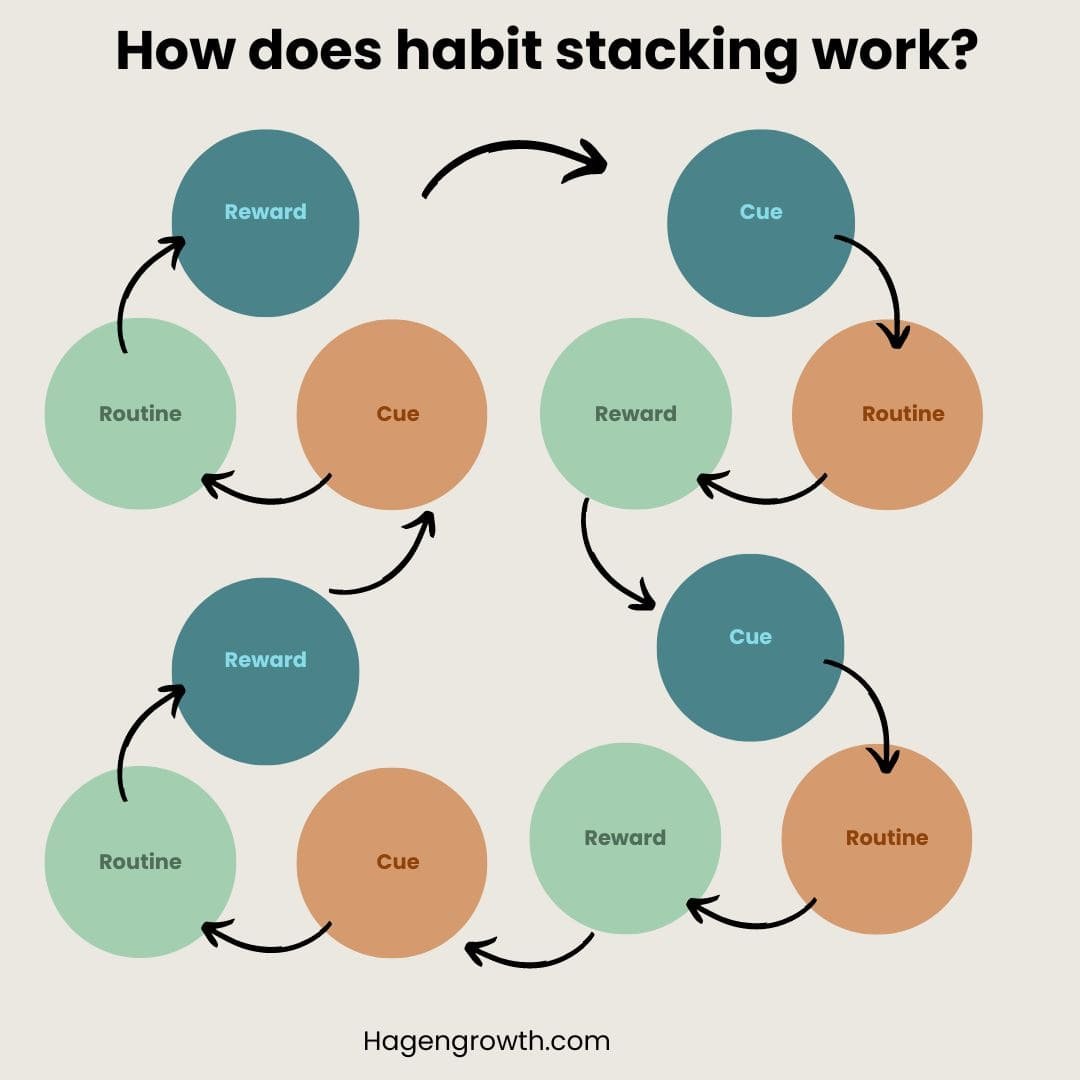
Avoid overloading: More than three stacks overwhelm the basal ganglia. Fix: Prioritize one category (health, work). Vague cues fail—be specific (“after alarm”) not (“morning”). Skipping rewards? Pair with treats initially. If motivation wanes, revert to tiny versions. Consistency trumps perfection, per Fogg’s research.
Conclusion: Stack Your Way to a Better You
The science of habit stacking reveals why it eclipses willpower: it’s efficient, automatic, and neurologically sound. By chaining behaviors, you build a life of effortless progress, backed by decades of research. Ditch the burnout cycle—start stacking today. Your future self will thank you. Ready to transform? Pick one anchor and stack on. Small links, massive chains.
(Word count: 1,248)