
Willy Wonka’s Chocolate Factory: Dark Theories That Shatter the Sweet Illusion
Introduction to the Sweet Deception
Feature Presentation
Willy Wonka’s Chocolate Factory has enchanted generations since Roald Dahl’s 1964 novel “Charlie and the Chocolate Factory” and its iconic 1971 film adaptation starring Gene Wilder. What appears as a whimsical tale of candy dreams and moral lessons hides layers of darkness that fans have dissected for decades. From sinister motives behind the golden ticket contest to the eerie fates of the naughty children, dark theories about Willy Wonka’s chocolate factory suggest it’s no candy paradise but a meticulously orchestrated trap. In this 1200-word exploration, we’ll unpack the most chilling Willy Wonka dark theories explained, blending literary analysis, film lore, and fan speculation to reveal why this classic might be the ultimate wolf in sheep’s clothing. If you’ve ever wondered if Wonka is a hero or a villain, prepare to have your nostalgia tainted.
Theory 1: The Golden Ticket Contest as a Deadly Selection Process
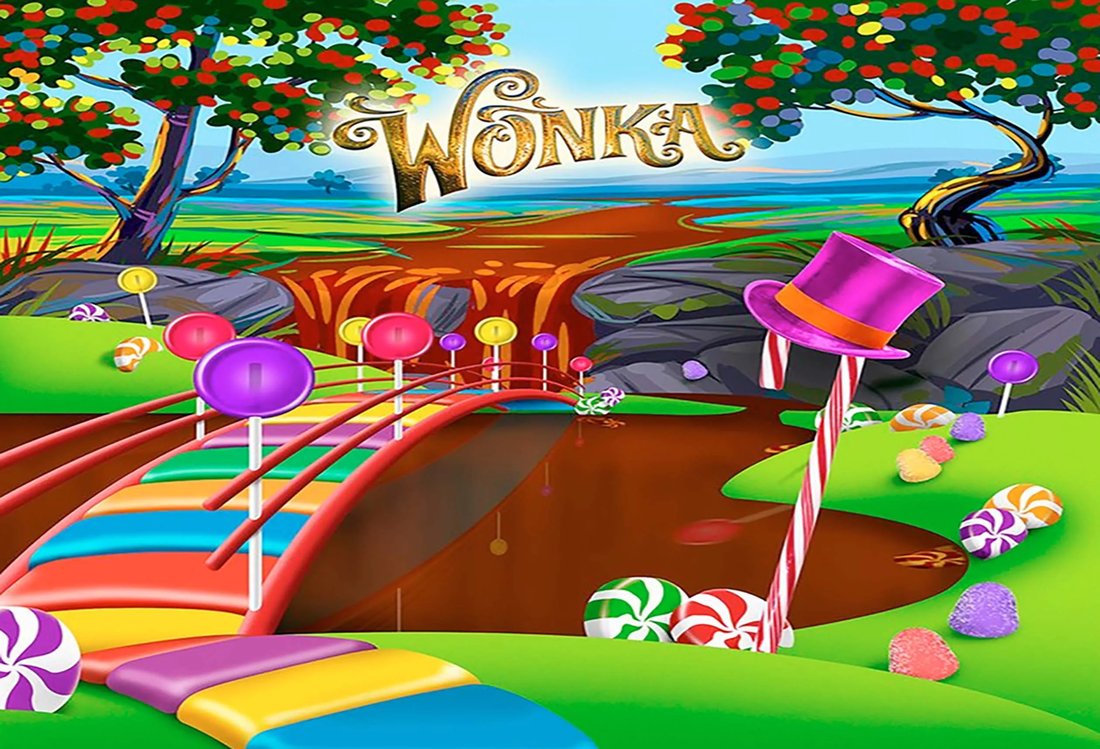
At the heart of the story is the golden ticket hunt, a global frenzy promising a lifetime supply of chocolate and a factory tour. Dark theorists argue this isn’t benevolence but a calculated cull. Willy Wonka, isolated in his factory for years, needs a successor—but only after testing and eliminating unfit candidates. The five tickets correspond to five children, each embodying a vice: greed (Veruca Salt), gluttony (Augustus Gloop), pride (Violet Beauregarde), sloth (Mike Teavee), and ultimately, poverty-turned-potential-purity (Charlie Bucket).
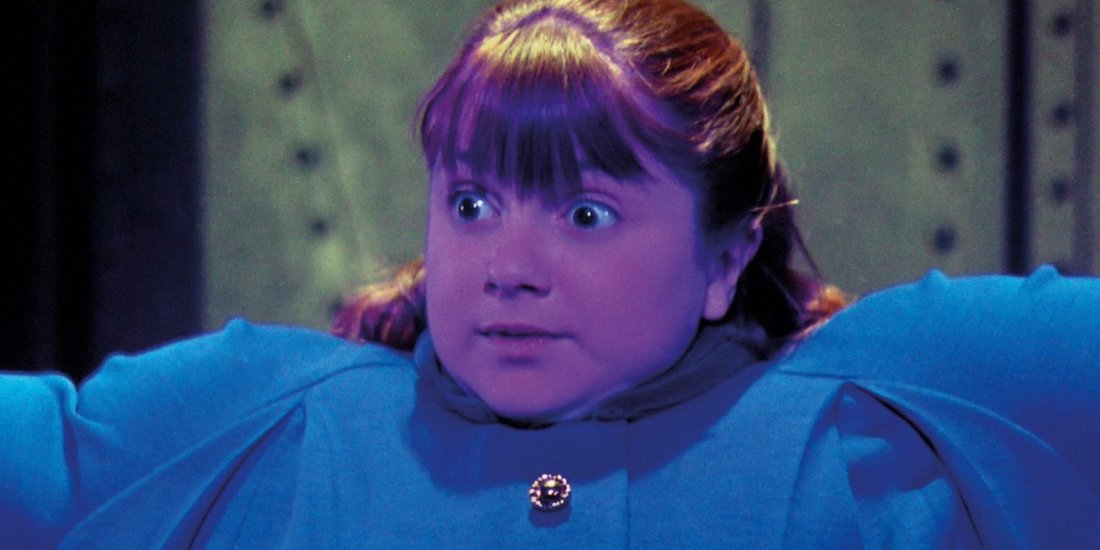
Evidence mounts in the factory’s booby-trapped rooms. Augustus is sucked into a chocolate river pipe, never to be seen again—officially “rescued,” but his absence screams disposal. Violet inflates into a blueberry and is presumably juiced. Veruca plummets down a garbage chute after being deemed a “bad nut.” Mike is shrunk and sidelined. Only Charlie survives intact. This mirrors ancient rituals of sacrifice, where the unworthy are purged to anoint the pure. Roald Dahl’s dark humor, influenced by his WWII experiences, lends credence: Wonka’s factory isn’t a playground; it’s a gauntlet designed for attrition. Fans point to Wonka’s nonchalant reactions—”So shines a good deed in a naughty world”—as psychopathic detachment, fueling Willy Wonka dark theories about eugenics or child experimentation.
Theory 2: Willy Wonka the Serial Killer Mastermind
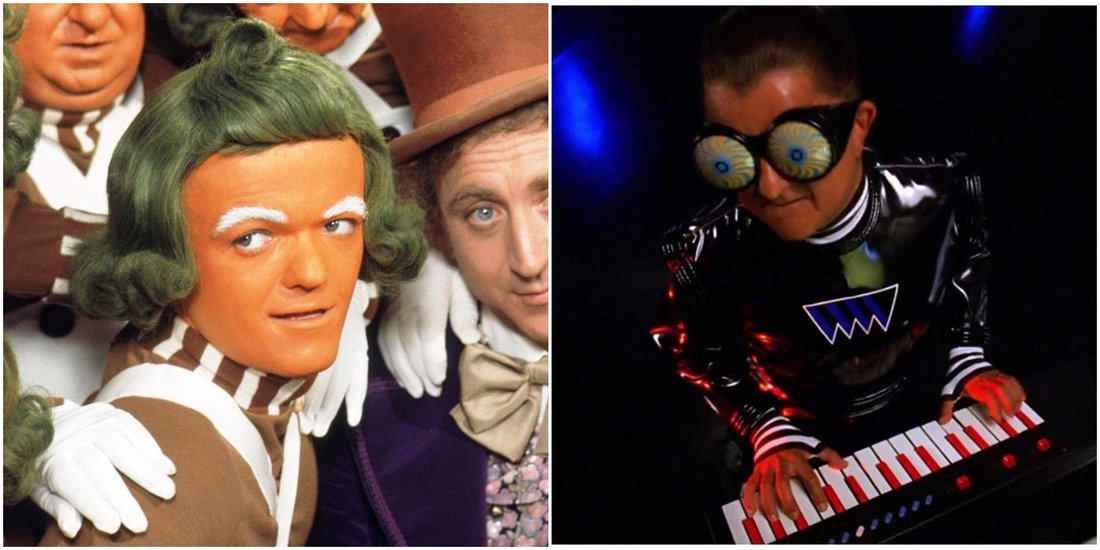
Gene Wilder’s portrayal cements Wonka as an eccentric genius, but peel back the purple coat, and you see a killer. The factory’s isolation, razor-wire fences, and “no entry” signs scream fortress, not factory. Dark theories posit Wonka murders the other ticket winners to harvest their bodies for experimental confections—think “Wonka Bars” laced with sinister ingredients.
Subtle clues abound: the Oompa-Loompas’ songs are morality tales sung over implied corpses. Wonka’s quips, like telling Veruca’s parents they’re “bad eggs,” evoke disposal methods. In the book, the children’s fates are more gruesome—Augustus feared boiled alive, Violet possibly squeezed to death. Film cuts soften this, but Wilder’s unhinged somersaults and cryptic warnings hint at mania. Real-world parallels? Dahl based Wonka partly on quirky inventors, but theorists link it to urban legends of candy-coated crimes. This Willy Wonka chocolate factory dark theory explains the secrecy: not recipes, but cover-ups. Charlie’s “reward”? Groomed as accomplice, perpetuating the cycle.
Theory 3: Oompa-Loompas as Enslaved Victims
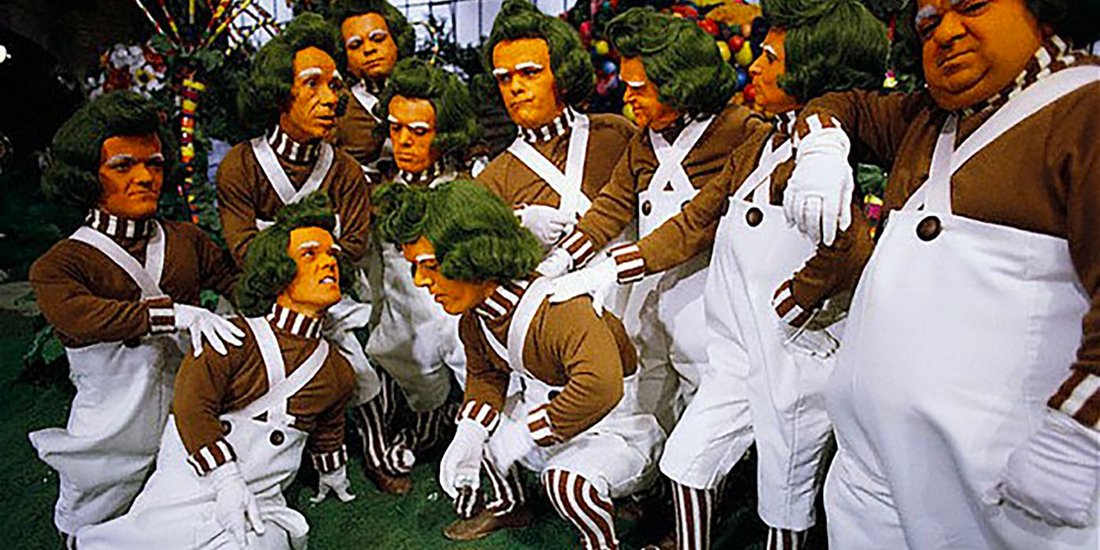
The pint-sized workers from Loompaland steal scenes with rhymes and choreography, but dark theories reframe them as trafficked slaves. In Dahl’s book, Wonka “rescues” them from cannibalistic frogs by offering chocolate and a new home—in exchange for lifelong servitude. No wages, no freedom; they live in bunk beds, work endlessly, and even handle child punishments.
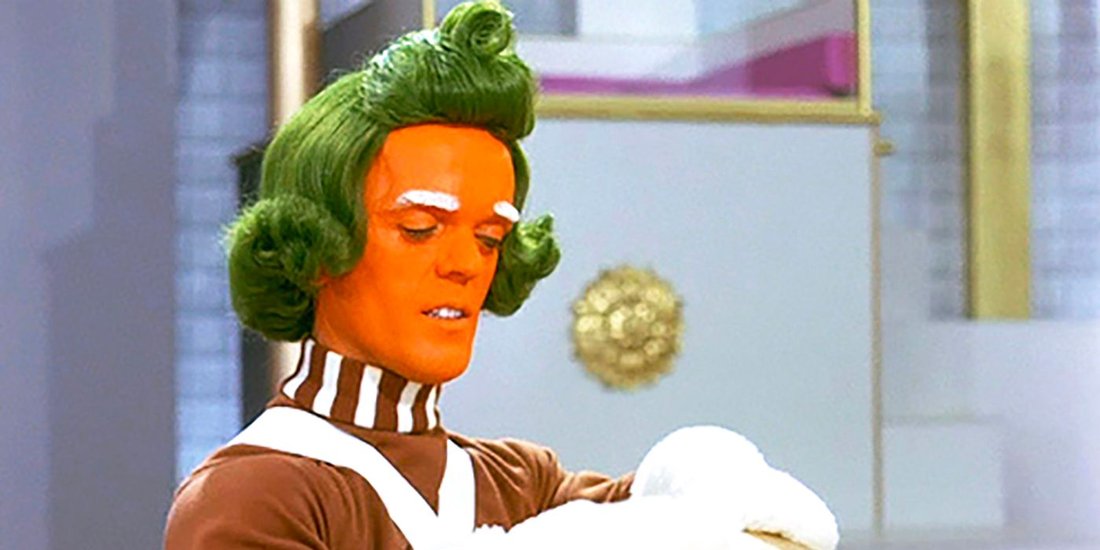
Civil rights parallels emerge: 1971 film’s orange faces evoke minstrel shows, sparking controversy. Theories suggest Wonka imports them illegally, using candy as opium. Their identical outfits and synchronized labor mimic factory drones or worse, indentured labor. Wonka’s indifference—”they love it here”—reeks of denial. Modern takes, including the 2005 Tim Burton film with Johnny Depp, amplify unease with CGI Oompa-Loompas chanting fatalistically. This theory ties into Willy Wonka dark theories explained through colonialism: the factory as imperial sugar plantation, Charlie inheriting the yoke.
Theory 4: Fake Slugworth and Loyalty Tests
Enter Mr. Slugworth, tempting kids with rival offers for Everlasting Gobstoppers. Spoiler: he’s Wonka’s plant, testing integrity. This espionage twist darkens the narrative—Wonka orchestrates betrayal to expose flaws. But theorists go further: Slugworth’s intel implies surveillance, with Wonka spying via chocolate spies or factory tech.
In the film, only Charlie resists, earning victory. Dark spin? All kids were doomed; Slugworth weeds out the weakest first. Parallels to MKUltra mind control or corporate espionage abound. Wonka’s dual persona—Slugworth’s makeup matches Wilder’s features—suggests split personality or cloning experiments. This fuels broader Willy Wonka chocolate factory dark theories of a paranoid recluse engineering obedience.
Theory 5: Drug Allegories and Forbidden Experiments
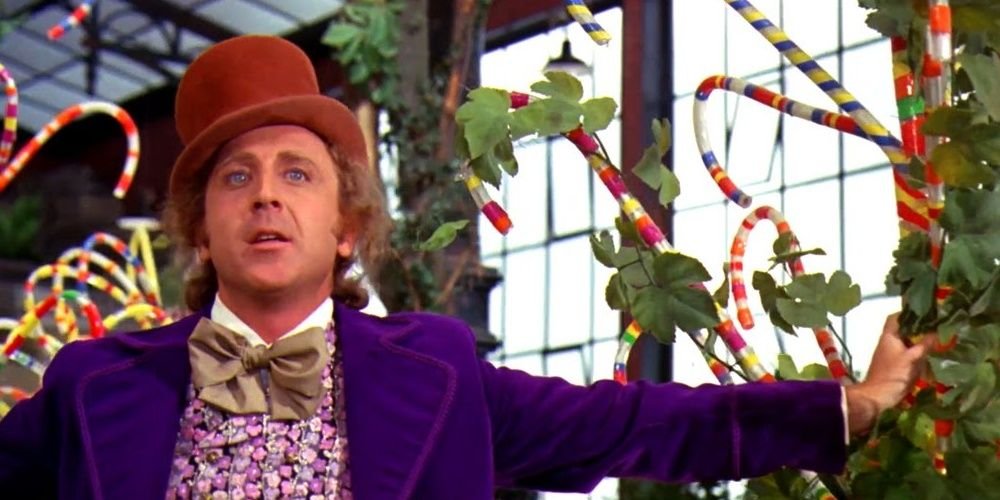
Everlasting Gobstoppers? Fizzy Lifting Drinks? Gum that turns you into fruit? Dark theorists see psychedelics and narcotics. The factory as Willy Wonka’s LSD lab, golden tickets baiting guinea pigs. Violet’s gum-chewing obsession mirrors addiction; her blueberry fate, bad trip overdose. Oompa-Loompas brew illicit brews in hidden labs.
Dahl’s bohemian life and 1960s counterculture timing support this. Wonka’s top hat hides acid tabs; his boat ride through psychedelic tunnels screams hallucinogens. Charlie’s impoverished win? Recruitment into the underground. These Willy Wonka dark theories tie into real chocolate history—cocaine in early Coca-Cola—positing the factory as cartel front.
Theory 6: Charlie’s Pyrrhic Victory and Eternal Cycle
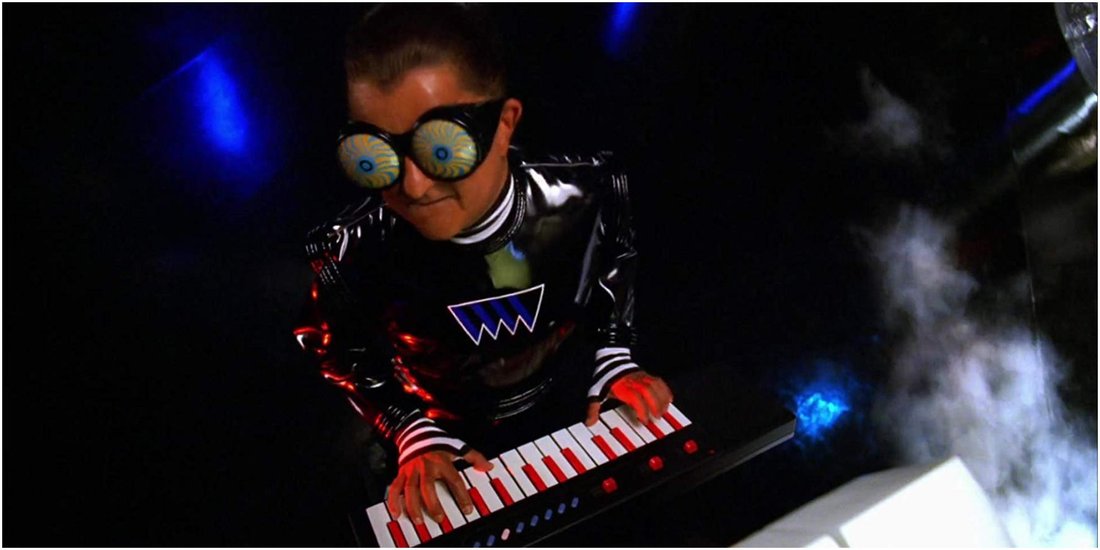
Charlie wins, but at what cost? He must ditch family—Grandpa Joe joins, but others? Left to starve? As heir, Charlie inherits a murder machine, brainwashed via Great Glass Elevator (book sequel hints at space adventures masking escapes).
Theorists argue it’s a cult: Wonka replaces Dahl’s absent parents with patriarchal control. Charlie’s “pure heart” is poverty’s product; victory dooms him to repeat sins. Fan analyses note sequels’ absences—no reunions with punished kids—confirming eliminations.
Real-World Inspirations and Cultural Impact
Dahl drew from 1950s scandals like child labor in factories and his spy days. Wilder’s Wonka blends whimsy with menace, inspiring memes and horror parodies (e.g., “Silent Hill” crossovers). 2023’s “Wonka” prequel softens edges, but dark theories persist online, from Reddit to YouTube.
Conclusion: Sweetness with a Bitter Aftertaste
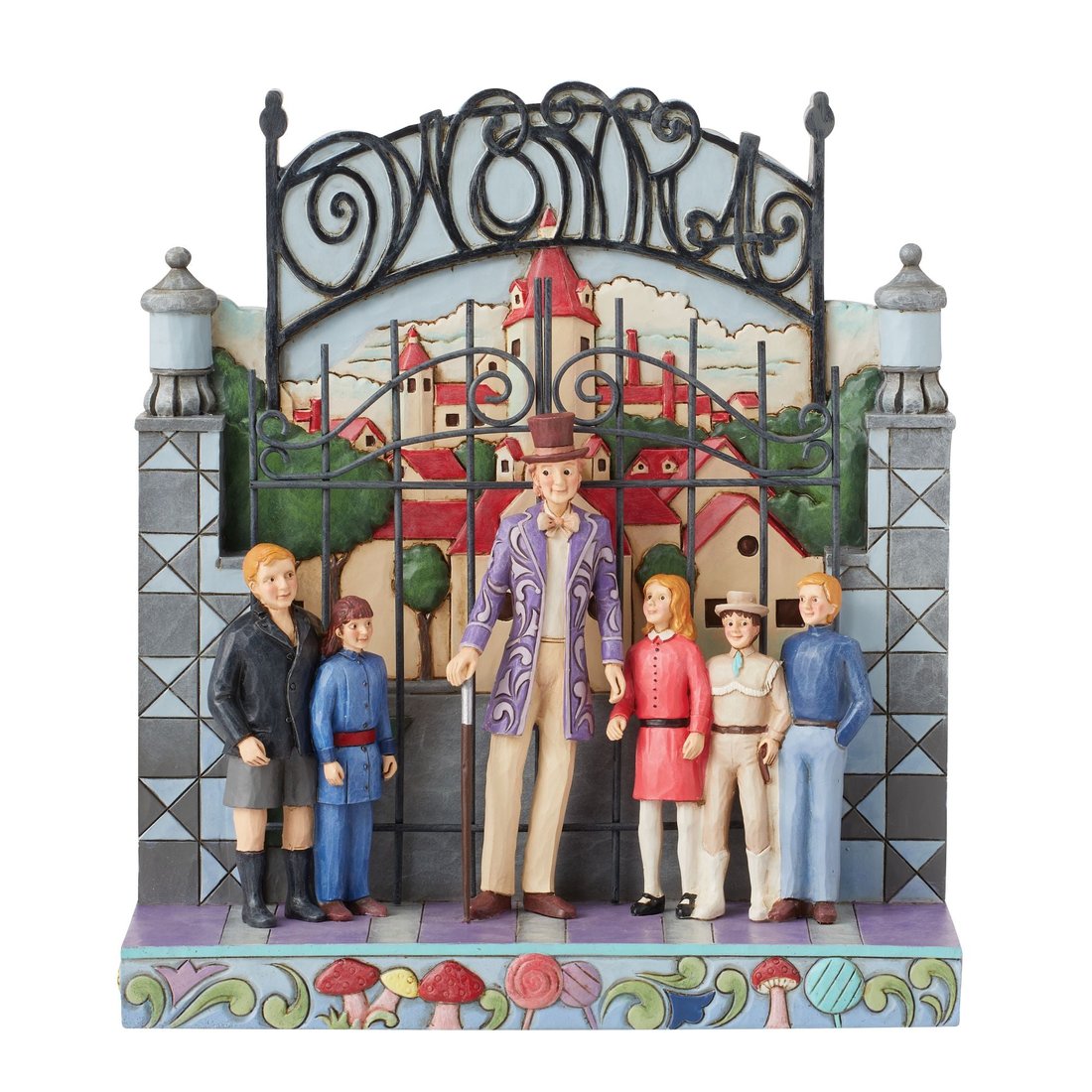
Willy Wonka’s Chocolate Factory endures as a classic, but these dark theories—deadly contests, serial killings, slavery, drugs, cycles of abuse—expose its macabre core. Dahl intended satire on indulgence; fans amplify horror. Next golden ticket viewing? See the shadows. (Word count: 1217)