
How to Write a Follow-Up Email That Gets a Response
Introduction to Effective Follow-Up Emails
Feature Video
In today’s fast-paced digital world, sending a follow-up email can be the difference between sealing a deal and being forgotten. Whether you’re job hunting, nurturing leads, or following up on a sales pitch, mastering the art of the follow-up email is crucial. But how do you write a follow-up email that gets a response? This comprehensive guide will walk you through proven strategies, templates, and best practices to boost your response rates. With SEO-optimized tips on crafting compelling subject lines, personalizing your message, and avoiding common pitfalls, you’ll learn how to write a follow-up email that stands out in crowded inboxes.
Statistics show that 80% of sales require at least five follow-ups after the initial contact, yet most salespeople give up after just one or two attempts. By perfecting your follow-up email strategy, you can increase engagement and conversions significantly. Let’s dive into the step-by-step process.
Understand the Purpose of Your Follow-Up Email
Before typing a single word, clarify why you’re sending the follow-up. Is it to check on a job application, remind a prospect about a proposal, or reconnect after a networking event? A clear purpose ensures your email is concise and relevant. Vague follow-ups get ignored; targeted ones prompt action.
Research from HubSpot indicates that personalized follow-up emails have a 29% higher open rate. Tailor your message to the recipient’s needs. Reference specific details from your previous interaction, such as a shared interest or pain point discussed. This builds rapport and shows you’ve done your homework.
Timing is Everything: When to Send Your Follow-Up Email
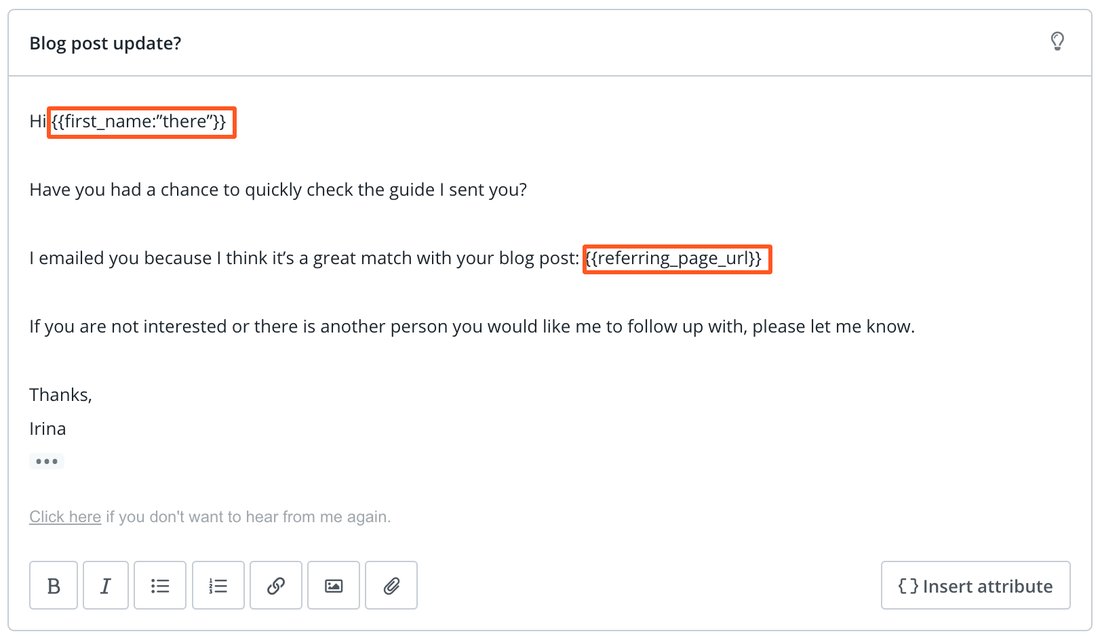
When to send a follow-up email matters as much as its content. Send too soon, and you seem pushy; too late, and the momentum fades. For sales leads, wait 2-3 days after initial contact. Job applications? One week is ideal. Tools like email trackers (e.g., Yesware or Mailchimp) can help monitor opens and optimize timing.
Best days are Tuesday, Wednesday, or Thursday, between 10 AM and 2 PM in the recipient’s time zone. Avoid Mondays (inbox overload) and Fridays (weekend mindset). A/B testing your send times can reveal patterns specific to your audience, maximizing response rates for your follow-up emails.
Craft a Killer Subject Line for Your Follow-Up Email

The subject line is your email’s handshake—make it count. It determines whether your follow-up email gets opened. Keep it under 50 characters, use action verbs, and create curiosity or urgency. Examples:
- “Quick Follow-Up on Our Chat Last Week”
- “[Name], Your Proposal Questions Answered”
- “Next Steps for [Project Name]?”
Avoid spammy words like “Free” or excessive punctuation. According to Campaign Monitor, subject lines with the recipient’s name boost open rates by 26%. Test variations to see what resonates.
Structure Your Follow-Up Email for Maximum Impact
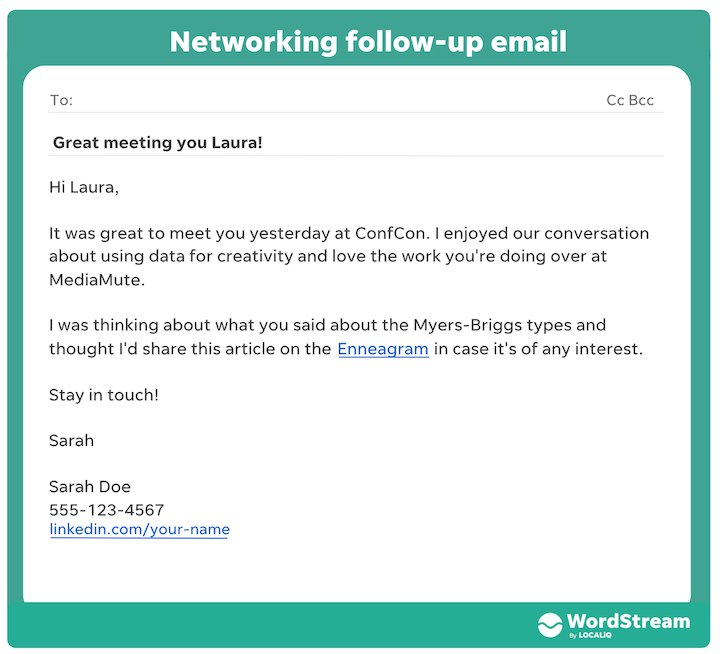
A well-structured follow-up email is scannable and respectful of the reader’s time. Use this proven template:
- Greeting: Personalize with “Hi [Name],” not “Dear Sir/Madam.”
- Reference Context: “Following up on our call about [topic].”
- Add Value: Share new info, like an article or stat.
- Clear CTA: “Can we schedule a 15-min call?”
- Polite Close: “Best regards, [Your Name].”
Keep it under 100-150 words. Short paragraphs and bullet points enhance readability on mobile devices, where 50% of emails are opened.
Personalization: The Secret Weapon in Follow-Up Emails
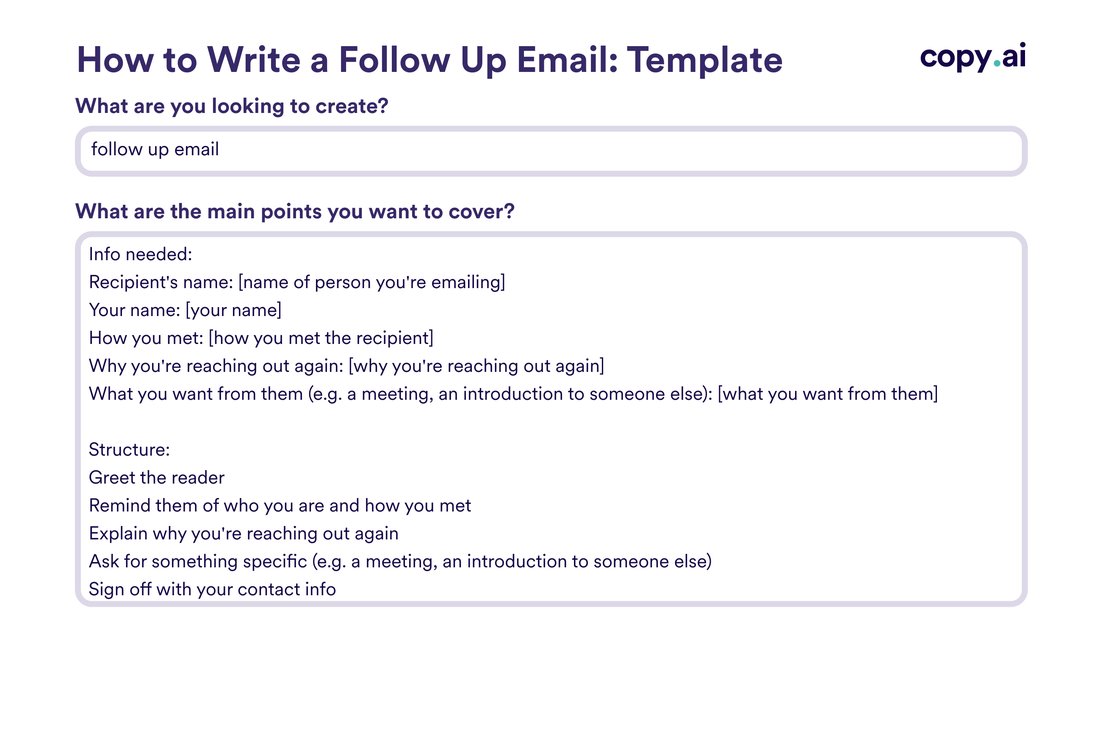
Generic emails scream “mass blast.” Personalize to connect. Use the recipient’s name, company, recent achievements, or mutual connections. Tools like LinkedIn Sales Navigator provide insights for hyper-personalization.
For instance: “Hi Sarah, Loved your recent post on sustainable tech—ties perfectly into our discussion on green solutions.” This follow-up email template variation increases replies by showing genuine interest, fostering trust and reciprocity.
Provide Value in Every Follow-Up Email
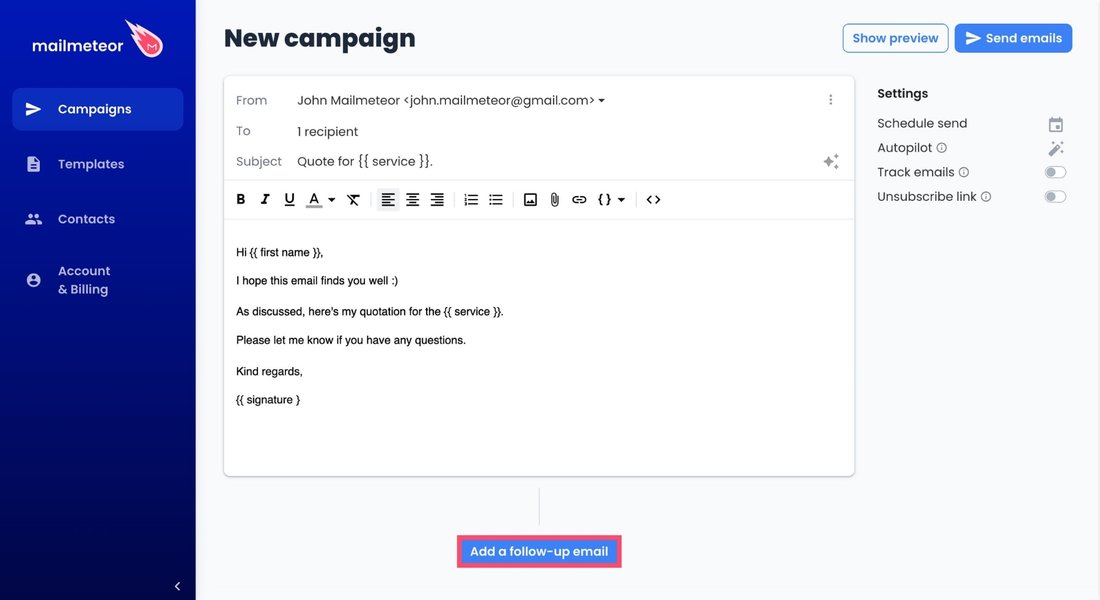
Don’t just ask; give. Share a relevant resource, case study, or insight that addresses their challenges. “Thought you’d find this report on industry trends useful—page 7 highlights what we discussed.”
Value-first follow-ups position you as a helpful expert, not a salesperson. This approach, backed by psychology’s reciprocity principle, encourages responses. Always tie the value back to their goals for relevance.
Include a Strong Call to Action (CTA)
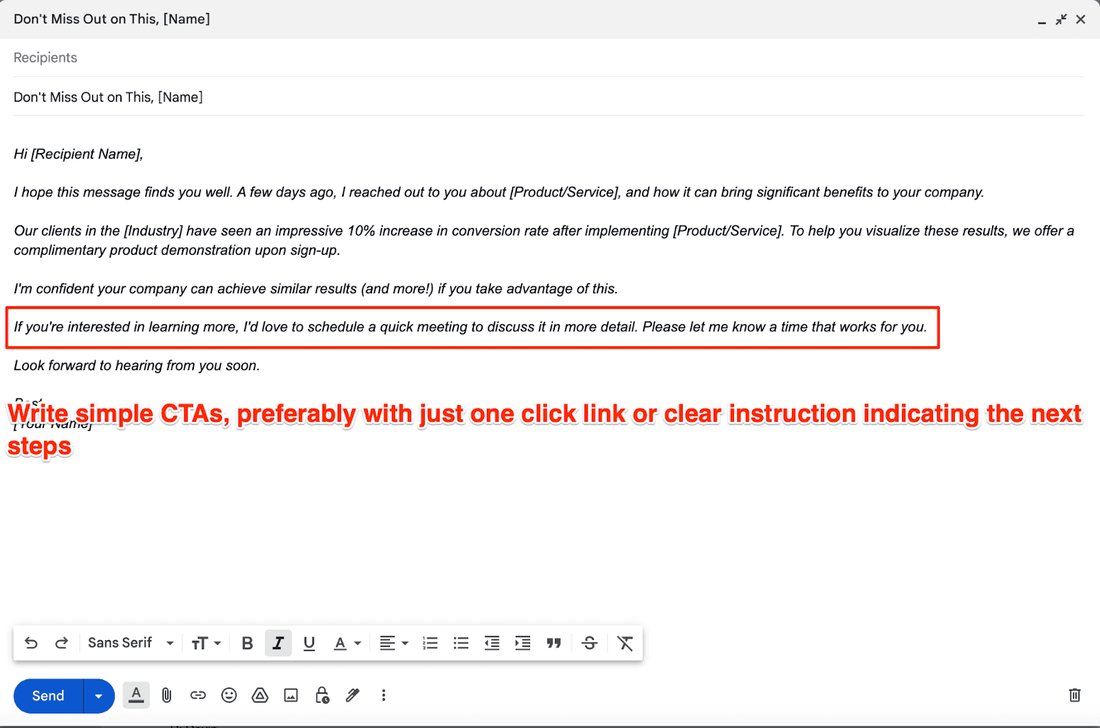
A vague “Let me know your thoughts” rarely works. Be specific: “Reply with your availability for a call next week?” or “Click here to book a demo.”
Make CTAs button-friendly in HTML emails. One CTA per email prevents decision paralysis. Track clicks to refine future follow-ups.
Follow-Up Email Templates That Convert
Here are three customizable follow-up email templates:
Template 1: Post-Meeting Follow-Up
Subject: Thanks for [Meeting Topic] – Next Steps?
Hi [Name],
Great chatting about [topic]. As promised, here’s the [resource].
Available for a follow-up call Tuesday or Wednesday?
Best,
[Your Name]
Template 2: Sales Proposal Follow-Up
Subject: [Name], Quick Update on Your Quote
Hi [Name],
Following up on the proposal sent last week. Added a custom discount based on our talk.
Thoughts?
Regards,
[Your Name]
Template 3: Job Application Follow-Up
Subject: Follow-Up on [Position] Application
Dear [Hiring Manager],
Excited about the [Position] role. Attached is my updated portfolio highlighting [skill].
Available for an interview?
Thank you,
[Your Name]
Use these as starting points, tweaking for your voice.
Common Mistakes to Avoid in Follow-Up Emails
Even pros slip up. Top errors:
- Being Too Pushy: No ultimatums like “Respond or else.”
- No Personalization: Copy-paste kills credibility.
- Poor Timing: Bombarding daily annoys.
- No CTA: Leaves readers unsure what to do.
- Typos/Errors: Undermines professionalism—proofread always.
Sequence your follow-ups: 3-5 emails over 2-3 weeks, varying angles.
Tools and Automation for Follow-Up Success
Leverage tech: Gmail’s “Schedule Send,” Boomerang for reminders, or HubSpot for sequences. A/B test with Litmus. Analytics reveal what works, refining your how-to-write-a-follow-up-email skills.
Measuring Success and Iterating
Track open rates (aim 20-30%), reply rates (10-20%), and conversions. Use UTM links for deeper insights. Iterate based on data—strong subject lines? More personalization?
Conclusion: Master the Follow-Up Email Today
Writing a follow-up email that gets a response boils down to timing, personalization, value, and a clear CTA. Implement these strategies, use the templates, and watch your inbox fill with replies. Consistent follow-ups can double your success rate in sales, jobs, and networking. Start crafting your next follow-up email now—your breakthrough awaits.
(Word count: 1,248)