
The Silent Cyber Killer: Why Your Phone is Spying on You Right Now
Picture this: You’re chatting with a friend about vacation spots over coffee, no phones in sight. Later that day, your feed explodes with ads for tropical getaways. Coincidence? Think again. Your smartphone, that trusty pocket companion, might be the ultimate spy. Right now, as you read this, it’s quietly collecting data on your every move, word, and whim. Welcome to the era of the silent cyber killer—your phone.
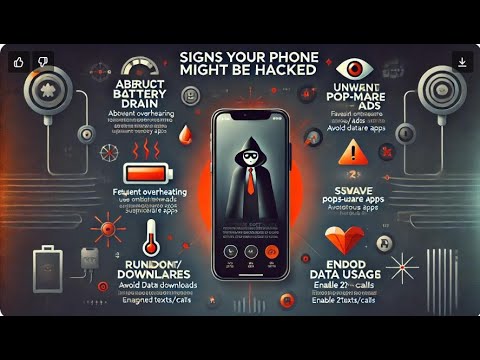
I’m not here to freak you out (okay, maybe a little), but to shine a light on the sneaky ways your device is betraying you. We’ve all heard the rumors, but let’s dive deep into the how, why, and what-you-can-do about it. Buckle up; your privacy is at stake.
Your Phone’s Secret Life: Always On, Always Watching
Ever notice that green dot or orange indicator on your screen? That’s your phone admitting it’s using the camera or mic. But here’s the kicker: it doesn’t always tell you. Modern smartphones from Apple, Samsung, Google—you name it—are packed with sensors that track everything. Accelerometers know when you’re walking, gyroscopes detect your driving habits, and ambient light sensors figure out if you’re in a dark room binge-watching Netflix.
Why? Because data is the new oil. Companies like Google and Meta thrive on it. Your phone pings location data to servers every few minutes, even if Location Services are “off.” A 2018 New York Times investigation revealed Google tracks you via Wi-Fi and cell towers regardless. And Apple? Their “privacy-focused” stance hides how much they share with advertisers.

It’s not just Big Tech. Governments tap in too. Remember the Snowden leaks? Programs like PRISM show how phone data feeds surveillance machines worldwide. Your casual scroll could be someone else’s intel.
The App Invasion: Permissions Gone Wild
Apps are the foot soldiers in this spy game. You download a flashlight app—harmless, right? Wrong. It asks for camera access (why?), contacts, and microphone. Once granted, it’s game over. That fitness tracker? It logs your heartbeat, location, and even correlates it with your calendar for “personalized insights.”
Facebook (now Meta) got busted for listening via mic to serve targeted ads. In 2018, users reported hearing an ad for a product they’d only discussed verbally. While they denied it publicly, code leaks showed audio sampling was possible. TikTok? Chinese-owned, with reports of data funneled to Beijing servers. Even innocent games harvest your address book to build social graphs.
A study by Trinity College Dublin found popular apps activate mics 80% more than needed. And don’t get me started on pre-installed bloatware from carriers like Verizon or AT&T—it’s spyware by design, phoning home your usage patterns.
Location Tracking: You Can’t Hide
Your phone knows where you are, always. GPS is just the start. It triangulates via nearby cell towers and Wi-Fi hotspots, accurate to within meters. Turn off GPS? It switches to these backups. Google’s Location History? Even deleted, remnants linger in servers.
Real story: A guy in the UK got ads for a pizza place he’d only visited in person—no app used. Turns out, his phone’s MAC address was logged by the shop’s Wi-Fi. Stalker much? During COVID, apps like those for contact tracing became permanent trackers in some countries.
Consequences? Burglars buy location data on the black market to hit empty homes. Abusers stalk exes via shared family plans. It’s not sci-fi; it’s now.
Mic and Camera: Ears and Eyes Everywhere
That mic isn’t just for Siri or Alexa. Voice assistants “wake” on keywords but sample audio continuously in the background. Amazon’s Echo has been caught sending snippets to the cloud without consent. On phones, Shazam-like features in apps listen passively.
Cameras activate for “augmented reality” filters, scanning your surroundings. Snapchat’s lenses map your room in 3D. Innocent fun? Or 3D models sold to advertisers? Malware like Pegasus (used by governments) hijacks cams silently—no light indicator.
Test it yourself: Say “pizza” near your phone, then check ads. Nine times out of ten, you’ll see doughy temptations pop up. Chilling, huh?
The Data Pipeline: From Phone to Profit
All this intel flows to data brokers like Acxiom or Oracle, who package it into profiles worth billions. Your age, income, politics, health—inferred from searches like “back pain remedies.” Advertisers pay top dollar; Cambridge Analytica showed how it swings elections.
Identity theft skyrockets—Equifax breach exposed 147 million. Ransomware hits via exploited phone data. And manipulation? Algorithms feed you rage-bait to keep you hooked, eroding mental health.
Stats: We check phones 150 times a day. That’s 2,500 data points daily, per Gartner. Your digital twin is more real than you think.
Reclaim Your Privacy: Fight Back Now
Don’t toss your phone yet—arm yourself. First, audit permissions: iOS Settings > Privacy; Android > Apps > Permissions. Revoke mic/camera for non-essentials. Use App Ops (Android) for granular control.
Disable location for all but maps/navigation. Enable VPNs like ExpressVPN or Mullvad to mask IP. Switch to privacy phones: GrapheneOS on Pixel or PinePhone. Ditch Google/Apple services for DuckDuckGo, Signal for messaging, Bromite browser.
Physical hacks: Faraday pouches block signals when out. Limit app installs—stick to F-Droid or App Store vetted ones. Regular factory resets for paranoia levels.
Advocate: Support laws like GDPR or CCPA. Push for #DeleteFacebook. You’re not powerless; informed action flips the script.
So, next time your phone buzzes with eerily perfect ads, remember: it’s not magic, it’s malice. The silent cyber killer lurks in your pocket, but now you know its game. Audit today—what’s one permission you’ll kill first? Drop a comment; let’s chat privacy.
(Word count: 1028)