
The Science of Hydration: More Than Just Drinking Water
Introduction to the Science of Hydration
Feature Video
The human body is approximately 60% water, a fact that underscores the critical role hydration plays in our daily functioning. Yet, hydration is far more complex than simply grabbing a glass of water now and then. The science of hydration delves into how water interacts with our cells, organs, and systems to maintain optimal health. In this comprehensive guide, we’ll explore why proper hydration matters, debunk common myths, and reveal strategies to enhance your hydration beyond plain H2O. Whether you’re an athlete pushing limits or someone aiming for better everyday wellness, understanding the science of hydration can transform your health routine.
Keywords like “hydration benefits,” “dehydration symptoms,” and “electrolyte balance” are buzzing in health circles, and for good reason. Poor hydration affects everything from cognitive function to physical performance. Let’s dive into the cellular mechanics and practical tips to keep you optimally hydrated.
The Physiology of Hydration: How Water Powers Your Body
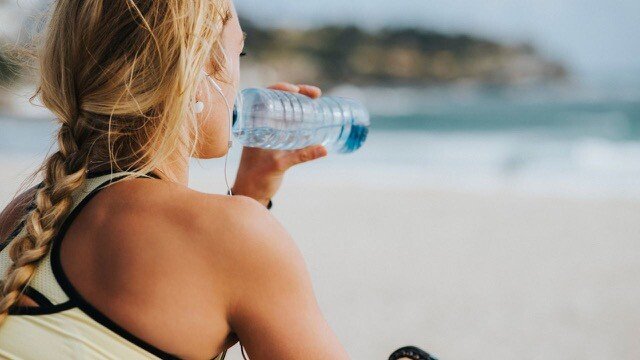
At its core, hydration is about maintaining the body’s water balance. Water serves as a medium for biochemical reactions, regulates body temperature, lubricates joints, and transports nutrients and oxygen to cells. Scientifically, hydration influences osmosis—the movement of water across cell membranes to equalize concentrations of solutes inside and outside cells.
When you’re dehydrated, blood volume decreases, forcing the heart to work harder. This triggers the release of antidiuretic hormone (ADH) from the pituitary gland, which signals the kidneys to retain water. Chronic dehydration can lead to kidney strain, fatigue, and even cognitive impairments. Studies from the Journal of the American College of Nutrition show that even mild dehydration (1-2% body weight loss) reduces concentration and mood.
Beyond water, hydration involves electrolytes like sodium, potassium, magnesium, and calcium. These minerals conduct electrical impulses essential for muscle contractions and nerve signals. Sweat depletes them, making electrolyte-rich drinks crucial during intense activity. The science reveals that plain water alone can dilute blood sodium levels, potentially causing hyponatremia—a dangerous condition for endurance athletes.
Common Hydration Myths Debunked by Science
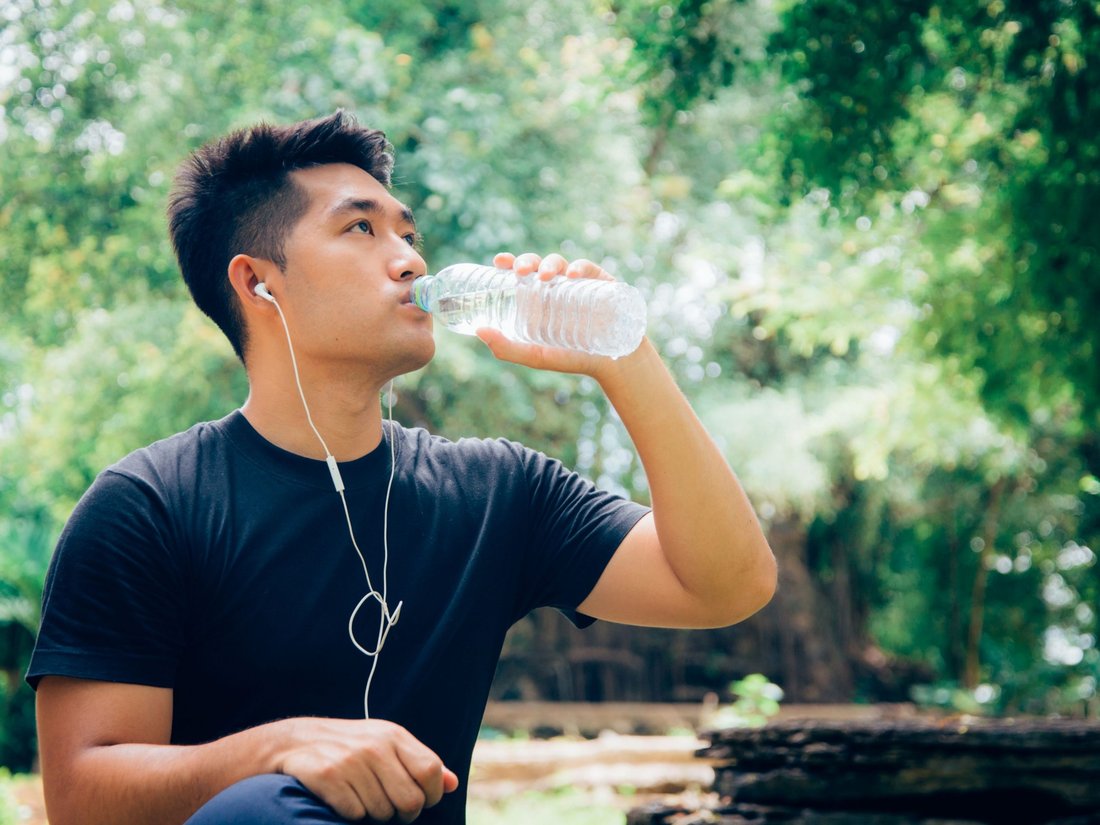
Myth 1: “Eight glasses of water a day is the golden rule.” This stems from a misinterpreted 1945 recommendation by the Food and Nutrition Board. In reality, total water intake (from food and drinks) should be about 3.7 liters for men and 2.7 liters for women daily, per the National Academies of Sciences, Engineering, and Medicine. Factors like climate, activity level, and health status adjust this.
Myth 2: “Thirst is a reliable hydration indicator.” Research in the American Journal of Clinical Nutrition indicates thirst lags behind actual needs, especially in older adults whose thirst mechanisms weaken with age. Proactive hydration is key.
Myth 3: “All fluids hydrate equally.” Caffeinated or alcoholic beverages have diuretic effects, though moderate coffee doesn’t dehydrate as once thought. Herbal teas and water-rich foods like cucumbers (96% water) contribute effectively.
Understanding these myths empowers better hydration strategies grounded in science.
Electrolytes: The Unsung Heroes of Hydration

Hydration isn’t just about volume; it’s about composition. Electrolytes maintain fluid balance via the sodium-potassium pump in cell membranes. During exercise, sweat losses can exceed 1 liter per hour, carrying 800-1000mg sodium per liter. Replenishing with sports drinks formulated at 4-8% carbohydrates and 300-700mg sodium per liter optimizes absorption, per the American College of Sports Medicine.
Magnesium supports energy production, while calcium aids muscle function. Deficiency symptoms include cramps and fatigue. Foods like bananas (potassium-rich), leafy greens (magnesium), and dairy (calcium) naturally boost electrolyte intake. For precision, oral rehydration solutions (ORS) mimic the World Health Organization’s formula: glucose-sodium mix for rapid absorption via co-transport mechanisms.
In hot climates or illness, electrolyte imbalance accelerates dehydration. Science backs personalized approaches—track urine color (pale yellow ideal) and body weight pre/post-activity for monitoring.
Signs and Consequences of Dehydration
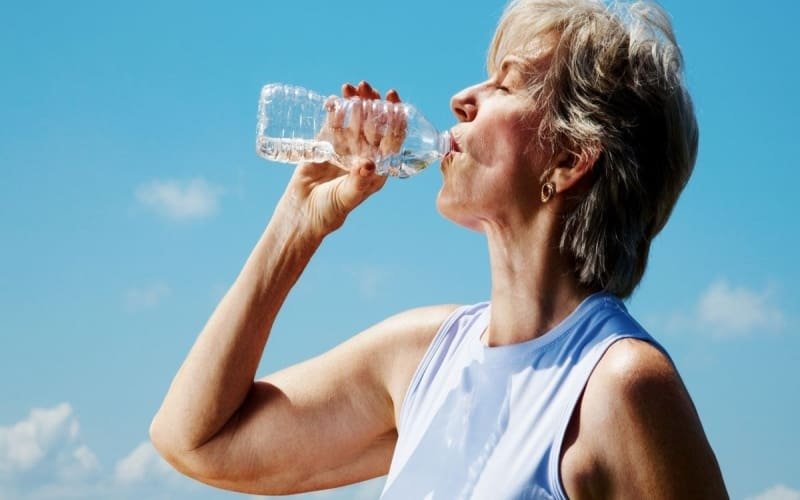
Dehydration manifests subtly: dry mouth, dark urine, headaches, dizziness. Severe cases cause confusion, rapid heartbeat, and organ failure. The brain shrinks temporarily in dehydration, impairing focus— a 2018 study in Medicine & Science in Sports & Exercise found 2% dehydration cuts endurance by 10-20%.
Long-term, chronic low hydration links to kidney stones, urinary tract infections, and constipation. In children and elderly, risks escalate. Hydration science emphasizes prevention: start your day with 500ml water to kickstart metabolism, which increases 3% with proper intake per German research.
Hydration for Peak Performance and Recovery
Athletes rely on hydration science for edge. Pre-hydrate 4ml/kg body weight 2-4 hours before exercise. During, sip 150-350ml every 15-20 minutes. Post-exercise, replace 125-150% of lost weight with fluids containing 1.2g carbs/kg and 0.1g protein/kg for glycogen replenishment.
Cognitive benefits shine too: a University of Connecticut study showed rehydration improves attention and memory. For weight management, hydration curbs appetite—drinking 500ml before meals reduces calorie intake by 13%, per Obesity journal.
Women face unique challenges; menstrual cycles alter fluid needs, with higher requirements premenstrually due to progesterone’s diuretic effect.
Best Practices for Optimal Hydration

1. **Personalize Intake:** Use apps like Hydro Coach or formulas: 0.033L/kg body weight baseline, plus 0.5-1L per exercise hour.
2. **Incorporate Variety:** Infuse water with lemon for vitamin C, or eat watermelon (92% water, lycopene-rich). Bone broth provides collagen and electrolytes.
3. **Timing Matters:** Hydrate consistently—morning, pre-meal, bedtime. Avoid gulping; sip for steady absorption.
4. **Tech Aids:** Smart bottles like HidrateSpark glow reminders; wearable biosensors track sweat losses.
5. **Special Populations:** Pregnant women need +300ml; fever adds 500ml per degree above 37°C.
Environmental factors: altitude increases needs by 10-20%; humidity hinders sweat evaporation, raising risks.
Hydration and Longevity: Emerging Research
Recent studies link hydration to aging. A 2023 Nature Aging paper found higher serum sodium (dehydration marker) correlates with faster biological aging. Optimal hydration supports detoxification via kidneys and liver, reducing oxidative stress.
Gut health benefits too: water aids peristalsis and microbial balance. Hydrated skin retains elasticity, countering wrinkles.
Conclusion: Elevate Your Hydration Game
The science of hydration proves it’s more than drinking water—it’s a symphony of fluids, electrolytes, timing, and lifestyle. By debunking myths, monitoring signs, and adopting smart strategies, you unlock benefits from sharper focus to sustained energy. Aim for hydration as a habit, not a chore. Your body will thank you with vibrant health. Consult professionals for personalized advice, especially with medical conditions.
Word count: 1,248. Stay hydrated, stay thriving!