
The Ultimate Guide to Pet-Proofing Your Home
The Ultimate Guide to Pet-Proofing Your Home
Bringing a furry friend into your home is one of life’s greatest joys, but it comes with responsibilities. Pet-proofing your home ensures your beloved dog, cat, bird, or small mammal stays safe, healthy, and out of harm’s way. Whether you’re a first-time pet owner or looking to refresh your space, this ultimate guide to pet-proofing your home covers everything from room-by-room tips to essential products. By implementing these strategies, you’ll create a secure environment that minimizes accidents, reduces stress, and allows your pet to thrive. Keywords like “pet-proofing your home,” “how to pet-proof house,” and “pet safety tips” highlight the importance of proactive measures in preventing common hazards.
Why Pet-Proofing Your Home is Essential
Feature Video
Pet-proofing isn’t just about childproofing for adults—it’s tailored to your pet’s natural curiosity and behaviors. Dogs chew, cats climb, and small pets squeeze into tiny spaces. According to the ASPCA, thousands of pets suffer injuries or poisoning annually from household dangers. Pet-proofing reduces risks like ingestion of toxins, electrical shocks, falls, and entrapment. It also saves you money on vet bills and protects your furniture from damage. Start by assessing your home: walk through each room on hands and knees to spot hazards from your pet’s perspective. This simple exercise reveals overlooked dangers like dangling cords or unsecured cabinets.
Pet-Proofing the Living Room and Common Areas

The living room is often the heart of the home where pets spend most of their time. Begin by securing electrical cords—use cord covers or spiral wraps to prevent chewing, which can lead to shocks or fires. Invest in pet gates to block access to stairs, especially for puppies or kittens learning boundaries. Furniture like coffee tables with sharp edges should be padded with corner guards. For cats, provide tall scratching posts and window perches to deter climbing on shelves. Remove or anchor heavy furniture to walls to prevent tip-overs during playful zoomies. Rugs should be non-slip to avoid slips, and keep remotes, small toys, and breakables out of reach. Plants like lilies or poinsettias are toxic—opt for pet-safe alternatives like spider plants or cat grass.
Securing the Kitchen: A High-Risk Zone

Kitchens pose multiple threats due to food, chemicals, and appliances. Store all cleaning supplies, trash cans, and sharp utensils in latched cabinets. Use child-proof locks or magnetic locks for easy access while keeping pets out. The trash bin needs a paw-proof lid—pedal bins allow quick opening but secure models prevent scavenging, which can lead to pancreatitis from fatty scraps. Keep counters clear of food; even a momentary lapse can result in chocolate ingestion, fatal to dogs. Turn off and unplug small appliances like toasters to avoid burns. Hot stoves are obvious dangers—use stove guards or teach pets to stay out with consistent training. For floors, use pet-friendly mats to prevent slips on tiles, and sweep up crumbs promptly to curb begging behaviors.
Bathroom Safety: Preventing Drownings and Toxins
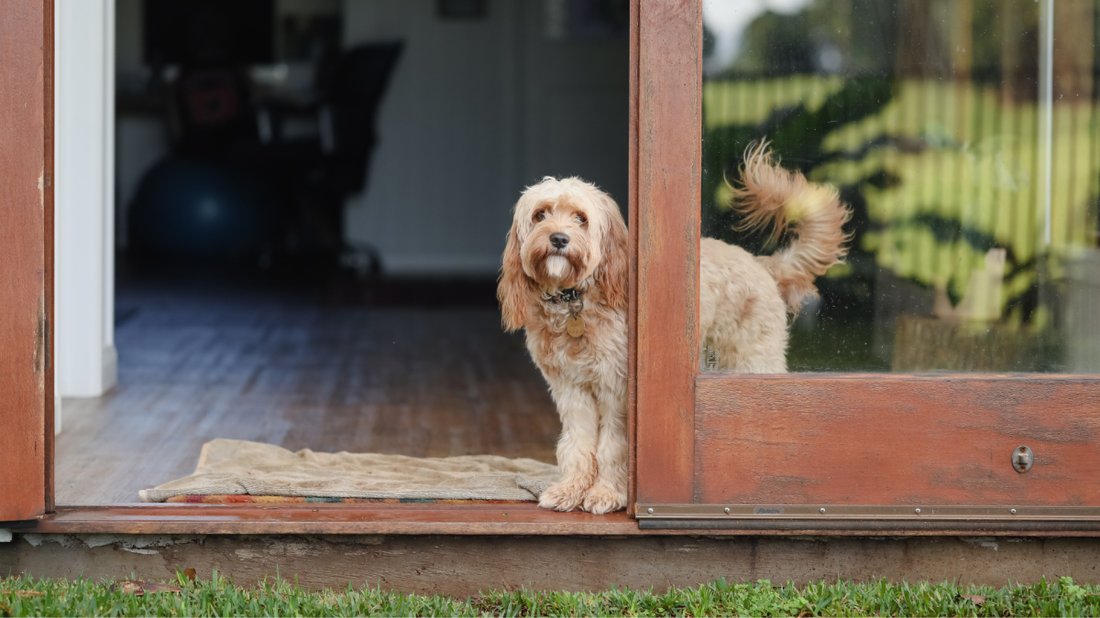
Bathrooms are slippery deathtraps with easy access to toxins. Install toilet lid locks to stop pets from drinking treated water, which contains harmful chemicals. Keep medications, shampoos, and cosmetics in locked cabinets—human products like ibuprofen or xylitol gum are deadly to pets. Unplug hair dryers and straighteners to prevent burns or shocks. Add non-slip mats in tubs and showers. For cats who love sinks, provide a dripping faucet alternative like a pet fountain. Close toilet seats and doors when not in use. Essential oils diffusers should be elevated or removed, as many scents like tea tree are toxic when inhaled or licked.
Bedroom and Sleeping Areas: Creating Safe Havens

Bedrooms should be restful retreats, but loose bedding and small items tempt chewers. Elevate laundry hampers with lids to prevent ingestion of socks or underwear, which cause blockages. Secure dresser drawers with locks to avoid tip-overs. Keep medications and jewelry in nightstands with safeguards. For cats, window screens must be secure—use mesh guards to prevent falls from high-rise sills. Dogs benefit from elevated beds to ease joints, but ensure no small pillows or blankets can be swallowed. Blackout curtains with cords need safety ties to avoid strangulation. Regularly vacuum to remove dust bunnies that could harbor allergens or small pests.
Garage, Laundry, and Outdoor Spaces
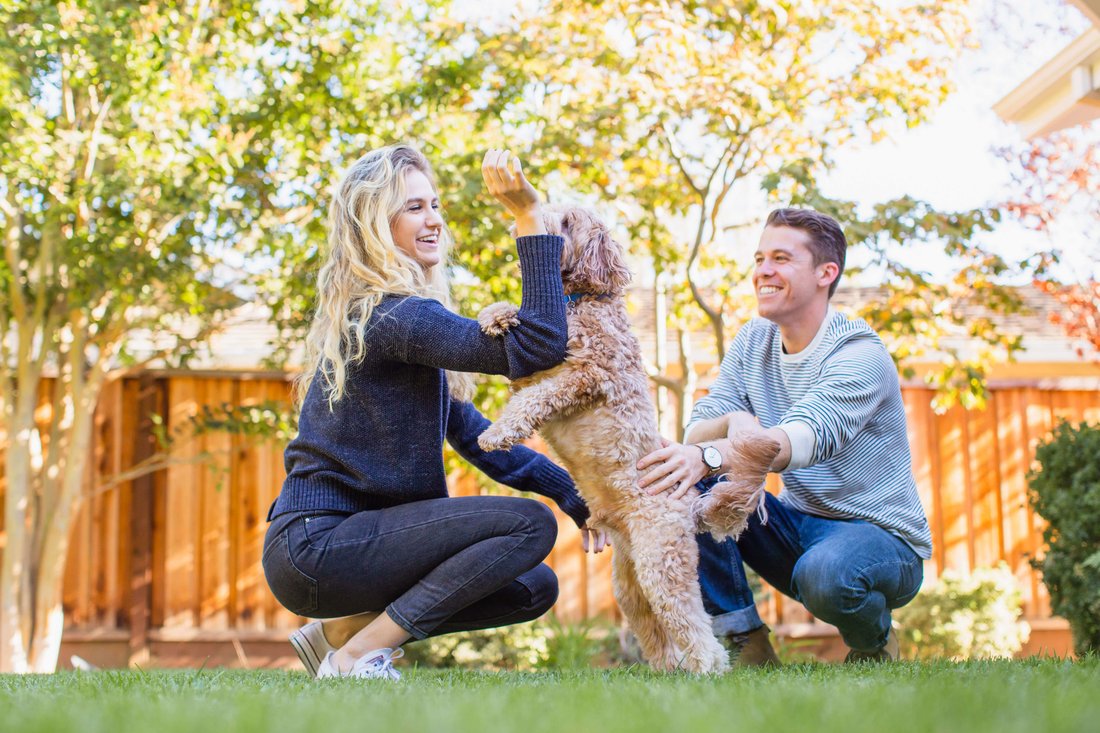
Garages and laundry rooms store chemicals like antifreeze, a sweet-tasting killer for pets. Use sealed containers and elevated shelving. Dryers pose lint fire risks and entrapment—install micro-mesh vent filters. For outdoors, fence yards with dig-proof bases and climb-proof tops. Cover pools with pet-safe nets. Remove toxic plants like azaleas and fertilizers. Patio furniture should be stable, and grills cooled completely. Bird feeders attract predators—place them away from access points. Indoor-outdoor transitions need weatherproof pet doors with locks for security.
Common Household Hazards and How to Avoid Them

Beyond rooms, address universals like toxic foods: chocolate, grapes, onions, and xylitol top the list—store human snacks high or in pet-proof containers. Batteries and medications require locked boxes. Foam packaging and string lights can cause intestinal blockages. For multi-pet homes, separate feeding areas to prevent fights. Birds need cage covers and no Teflon pans nearby due to fume toxicity. Small mammals like hamsters require escape-proof habitats with safe chew toys. Regularly inspect for wear on collars/leashes indoors to prevent snaps.
Dog-Specific vs. Cat-Specific Pet-Proofing Tips
Tailor strategies by species. Dogs need crate training for alone time, anti-chew sprays on furniture, and fenced yards. Counter-surfing solutions include bitter sprays and consistent commands. Cats require vertical space like shelves, litter boxes in quiet spots away from food, and claw-trimming to reduce furniture damage. Both benefit from microchipping and ID tags. For puppies/kittens, supervision is key during teething phases.
Essential Products for Pet-Proofing Your Home
Stock up on: pet gates ($20-100), cabinet locks ($10/pack), cord protectors ($15), baby gates for stairs ($30), secure trash cans ($50+), window screens ($20 each), and enzymatic cleaners for accidents ($15). Brands like Munchkin, Carlson, and IRIS offer durable options. Smart cams like Furbo monitor remotely. Total investment: $200-500 for comprehensive coverage, paying dividends in peace of mind.
Training and Long-Term Maintenance
Products alone aren’t enough—train with positive reinforcement. Teach “leave it” for hazards. Schedule monthly inspections: check cords, locks, and fences. Vet check-ups catch issues early. Update as pets age; seniors need ramps, arthritis-friendly floors.
Conclusion: A Safer Home for Happier Pets
Pet-proofing your home is an ongoing commitment that fosters a loving bond. By following this guide, you’ll eliminate risks and enjoy worry-free companionship. Start small, prioritize high-traffic areas, and customize to your pet’s needs. Your proactive steps ensure a lifetime of tail wags and purrs. For more pet safety tips, explore resources from the ASPCA or local vets. Safe homes make happy pets!
(Word count: 1218)