
Why You Should Stop Drinking Fruit Juice and Eat the Whole Fruit Instead
Introduction: Rethinking Your Morning Glass of Juice
Feature Video
Fruit juice has long been marketed as a healthy choice, promising the vitamins and nutrients of fresh fruit in a convenient, refreshing form. From orange juice at breakfast to apple juice for kids, it’s a staple in many households. However, emerging research and nutritional science reveal a stark contrast: drinking fruit juice may do more harm than good compared to eating the whole fruit. This article explores why you should stop drinking fruit juice and switch to whole fruits, backed by science on fiber, sugar, blood sugar control, and overall health benefits. By the end, you’ll understand how this simple swap can transform your diet, aid weight management, and boost long-term wellness.
The Myth of Fruit Juice as a “Healthy” Drink

Juice companies tout their products as “100% fruit juice” with no added sugars, leading consumers to believe they’re getting pure nutrition. In reality, fruit juice lacks the structure of whole fruit. When you juice fruits, you extract the liquid, discarding pulp, skin, and seeds—components rich in essential nutrients. A 2019 study in the Journal of the Academy of Nutrition and Dietetics found that regular juice consumers had higher calorie intakes and poorer diet quality than those eating whole fruits.
Whole fruits provide a complete package: water, vitamins, minerals, antioxidants, and fiber. Juice, even fresh-squeezed, is essentially flavored sugar water. The American Heart Association recommends limiting added sugars, but natural fruit sugars in juice count toward this limit. Opting for whole apples over apple juice means chewing through fiber that slows digestion, promoting fullness and steady energy release.
Fiber: The Unsung Hero Lost in Juicing
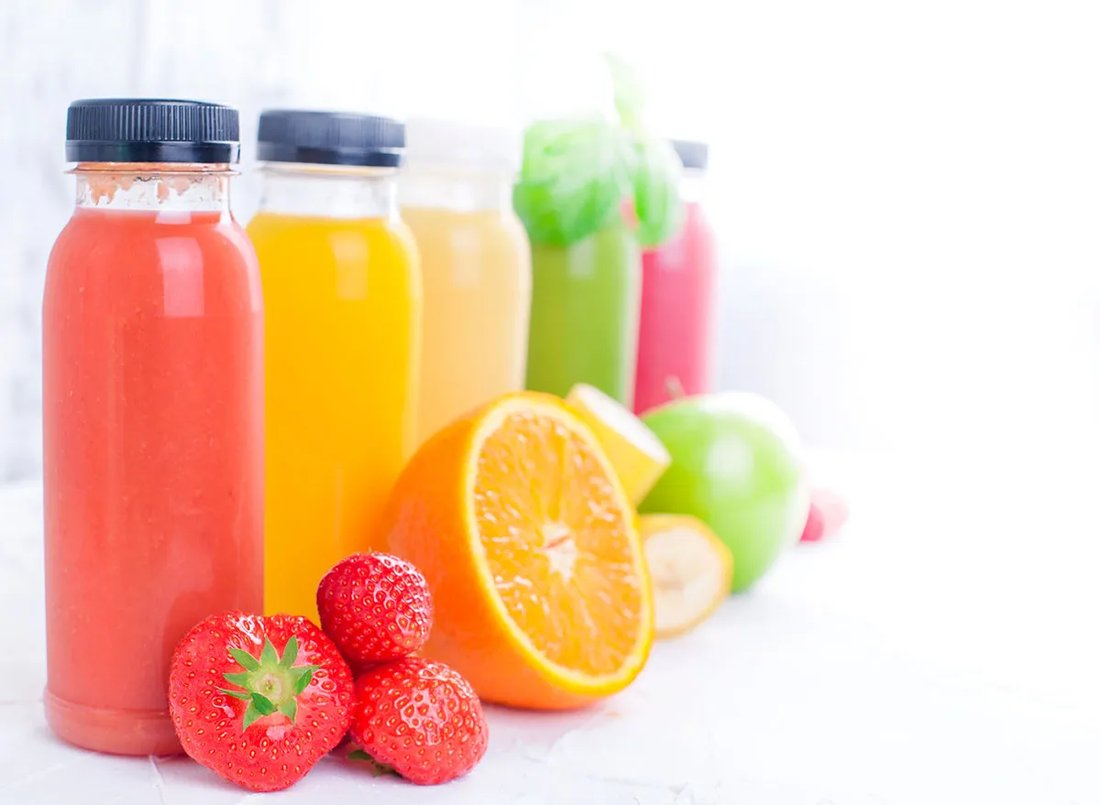
Fiber is the key differentiator between fruit juice and whole fruit. A medium apple with skin contains about 4.4 grams of fiber, while an 8-ounce glass of apple juice has virtually none. Soluble fiber like pectin in fruits forms a gel in the gut, slowing sugar absorption and feeding beneficial gut bacteria.
Without fiber, juice delivers nutrients rapidly but without satiety. Harvard’s T.H. Chan School of Public Health reports that high-fiber diets reduce risks of heart disease, diabetes, and colon cancer. Eating whole fruits supports microbiome health, aiding digestion and immunity. A meta-analysis in The Lancet linked higher fruit fiber intake to a 15-30% lower risk of cardiovascular events. By ditching juice, you reclaim this vital nutrient, improving bowel regularity and preventing constipation.
Sugar Overload: Juice Packs a Hidden Punch

A single cup of orange juice contains around 21-25 grams of sugar—equivalent to a soda. Whole oranges have the same sugar but bundled with 3 grams of fiber per fruit, which moderates its impact. The World Health Organization advises capping free sugars at 25-50 grams daily; one juice glass can consume half your quota.
Fruit juice’s fructose is metabolized by the liver, potentially leading to fatty liver disease with excess intake. Studies from the University of California show chronic high-fructose consumption correlates with insulin resistance. Whole fruits’ fiber traps sugar, releasing it gradually. This makes whole fruit ideal for blood sugar management, especially for diabetics or prediabetics.
Blood Sugar Spikes: Why Juice is a Rollercoaster

Drinking juice causes rapid blood glucose spikes due to absent fiber and quick liquid absorption. The glycemic index (GI) of apple juice is 41-50, higher than an apple’s 36. High-GI foods trigger insulin surges, promoting fat storage and hunger soon after.
A 2020 review in Nutrients confirmed whole fruits lower type 2 diabetes risk by 10-20%, while juice increases it by up to 8%. For athletes or busy professionals, steady energy from whole fruits prevents crashes. Berries, for instance, offer low-GI benefits with antioxidants like anthocyanins, protecting against oxidative stress.
Nutrient Dilution: Less Bang for Your Buck

Juicing dilutes nutrients. To make one glass of juice, you might need 2-3 oranges, but you ingest only the liquid portion. Valuable phytochemicals in peels—like citrus flavonoids—are discarded. Whole fruits retain these compounds, linked to reduced inflammation and cancer risk.
Research from the USDA shows whole fruits provide more volume for fewer calories, enhancing nutrient density. Eating a pear (5.5g fiber, 100 calories) satisfies more than pear juice (0.5g fiber, 140 calories). This efficiency supports micronutrient needs without excess calories.
Weight Management: Whole Fruits Win the Battle

Obesity rates climb with juice consumption. A Nurses’ Health Study followed 42,000 women, finding those drinking fruit juice gained more weight than whole fruit eaters. Juice’s liquid calories don’t register fullness; your brain doesn’t compensate like with solid food.
Whole fruits’ bulk promotes chewing, signaling satiety hormones like GLP-1. A study in Appetite journal showed participants ate 20% fewer calories after whole fruit snacks. For weight loss, replace juice with fruit salads or smoothies blended with pulp to retain fiber.
Dental and Gut Health Concerns

Juice’s acidity and sugars erode enamel, increasing cavities. The ADA warns against frequent sipping. Whole fruits neutralize acids with saliva from chewing and minerals in peels.
Gut-wise, juice lacks prebiotic fiber, disrupting microbiota. Whole fruits foster diversity, per a Gut study, reducing IBS and boosting immunity. Children drinking juice face higher obesity and dental risks, per pediatric guidelines.
Environmental and Practical Advantages

Whole fruits are sustainable: less processing means lower carbon footprints. Juicing generates waste pulp; eating whole minimizes it. Economically, one apple costs less than juice equaling its volume.
Portability shines—grab a banana over a bottle. Variety encourages diverse intake: kiwis, grapes, pineapples offer unique benefits.
How to Make the Switch: Practical Tips
Start small: blend smoothies with whole fruits, yogurt, and greens. Stock fresh produce; prep fruit bowls. Read labels—avoid “juice cocktails.” For kids, dilute juice initially, transitioning to chunks. Track improvements: better energy, digestion, weight stability.
Seasonal buying maximizes freshness and savings. Recipes like fruit-infused water provide flavor without calories.
Conclusion: Embrace Whole Fruits for Lasting Health
Stopping fruit juice in favor of whole fruits isn’t deprivation—it’s optimization. Fiber, controlled sugar release, nutrient completeness, and satiety make whole fruits superior for weight, diabetes prevention, heart health, and more. Backed by decades of research, this shift aligns with guidelines from WHO, ADA, and Harvard. Your body will thank you with sustained energy, better digestion, and reduced disease risk. Next grocery trip, choose the produce aisle over the juice shelf. Your health journey starts with whole, real fruit.
(Word count: 1215)