
The Ultimate Guide to Keeping Houseplants Alive for Absolute Beginners
Introduction to Thriving Houseplants for Beginners
Feature Video
Bringing houseplants into your home is one of the easiest ways to add life, color, and a touch of nature to your living space. For absolute beginners, the idea of keeping houseplants alive might seem daunting—after all, who hasn’t accidentally turned a vibrant green friend into a wilted mess? But fear not! With the right knowledge, even those with the blackest thumbs can master the art of indoor gardening. This ultimate guide to keeping houseplants alive is designed specifically for newcomers, breaking down everything from selecting foolproof plants to troubleshooting common issues.
Houseplants do more than just look pretty; they improve air quality, reduce stress, and boost productivity. Studies from NASA show certain plants like peace lilies and spider plants can filter toxins from the air. Whether you’re in a tiny apartment or a spacious home, starting with low-maintenance varieties sets you up for success. We’ll cover essential topics like light, water, soil, pests, and maintenance routines. By the end, you’ll have a thriving indoor jungle that requires minimal effort. Let’s dive in and transform you from beginner to plant parent pro!
Choosing the Best Houseplants for Absolute Beginners
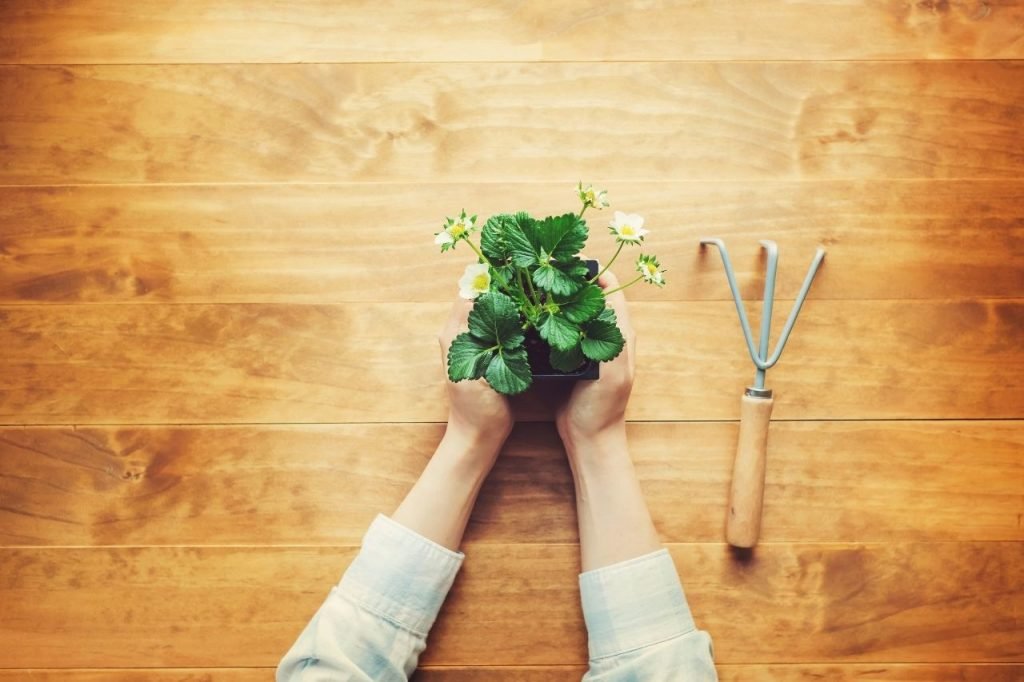
The first step in keeping houseplants alive is picking plants that are forgiving and resilient. Beginners should avoid high-maintenance divas like orchids and opt for sturdy species that tolerate neglect. Top recommendations include the snake plant (Sansevieria), known for its air-purifying qualities and ability to survive in low light with infrequent watering. Pothos (Epipremnum aureum) is another superstar—its trailing vines thrive in various conditions and propagate easily in water.
ZZ plant (Zamioculcas zamiifolia) is nearly indestructible, perfect for forgetful owners, while spider plants (Chlorophytum comosum) produce baby plants (pups) for endless propagation. Succulents like jade plants and echeverias add variety but need brighter light. Peace lilies offer elegant blooms and indicate thirst by drooping dramatically, making care intuitive. Research each plant’s native habitat to match your home environment. Start with 2-3 plants to build confidence before expanding your collection. Local nurseries or online retailers like Etsy provide healthy starters with care tags.
Understanding Light Requirements for Healthy Growth

Light is the make-or-break factor for keeping houseplants alive. Most beginners kill plants by misjudging this. Categorize your spaces: low-light areas like north-facing windows or offices suit snake plants and pothos; medium light (east/west windows) works for most; bright indirect light (south windows with sheer curtains) is ideal for fiddle leaf figs later on.
Use the “shadow test”: Hold your hand 6 inches above the soil at noon—if you see a distinct shadow, it’s bright; fuzzy means medium; no shadow is low. Rotate plants weekly for even growth. Supplement with LED grow lights (full-spectrum, 10-12 hours daily) for dark homes—affordable options from Amazon mimic sunlight. Avoid direct sun scorching leaves; symptoms include crispy edges. Observe your plants: leggy growth means more light needed. Mastering light ensures vibrant, bushy foliage without guesswork.
Mastering Watering: The Most Common Beginner Mistake
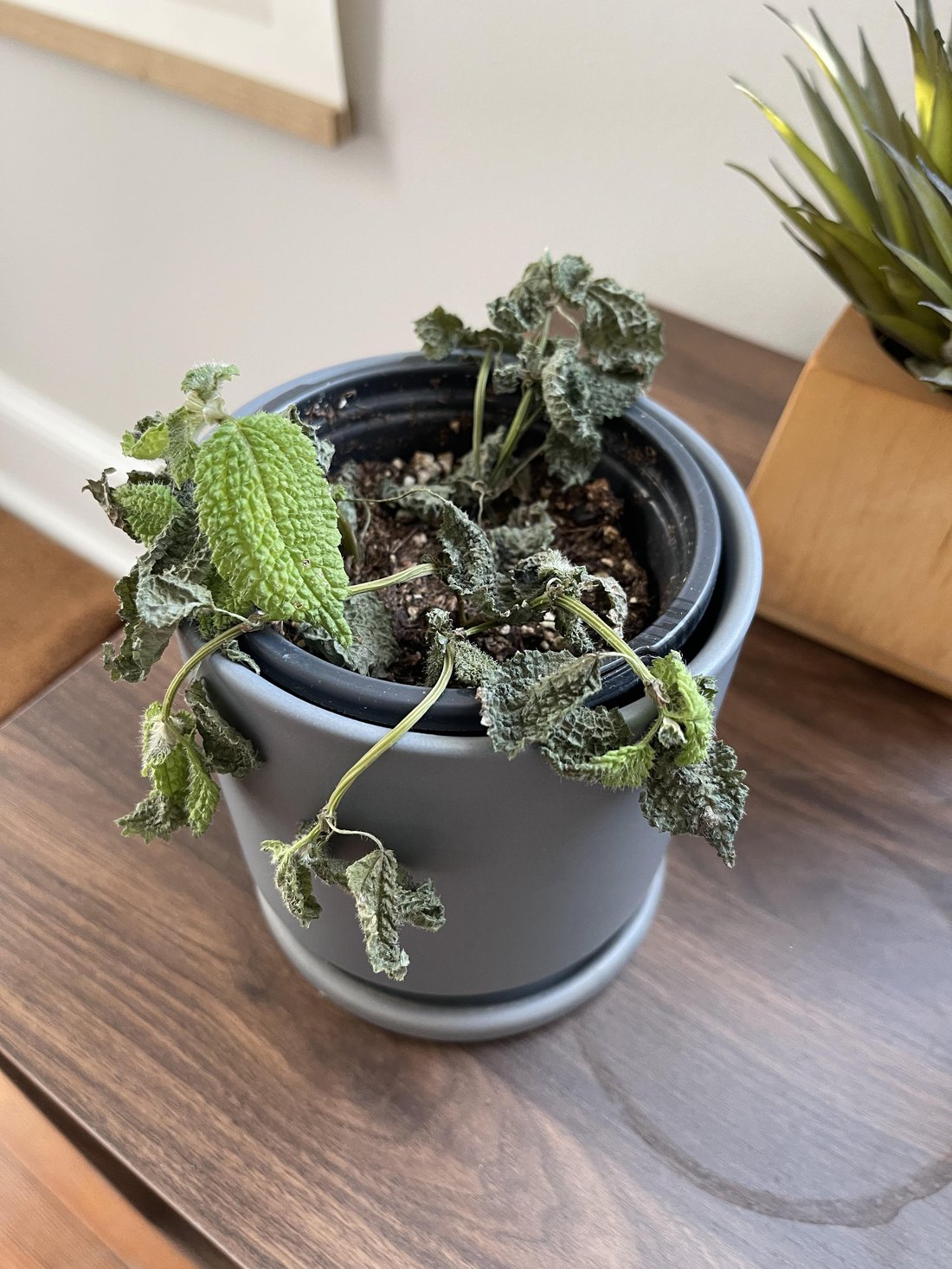
Overwatering is the number one killer of houseplants, leading to root rot. The golden rule for keeping houseplants alive? Water only when the top 1-2 inches of soil are dry. Stick your finger in or lift the pot—heavy means moist. Use room-temperature water to avoid shocking roots; rainwater or distilled is best for sensitive plants like calatheas.
Frequency varies: succulents every 2-3 weeks, tropicals weekly. Bottom-watering (set pot in a tray of water for 30 minutes) prevents wet foliage and fungal issues. Always ensure pots have drainage holes—saucers catch excess. Signs of thirst: droopy leaves, dry soil; overwatering: yellowing, mushy stems, foul smell. Invest in a moisture meter ($10) for precision. Seasonal adjustments: water less in winter dormancy. Consistent habits prevent 80% of deaths.
Selecting the Right Soil, Pots, and Repotting Basics
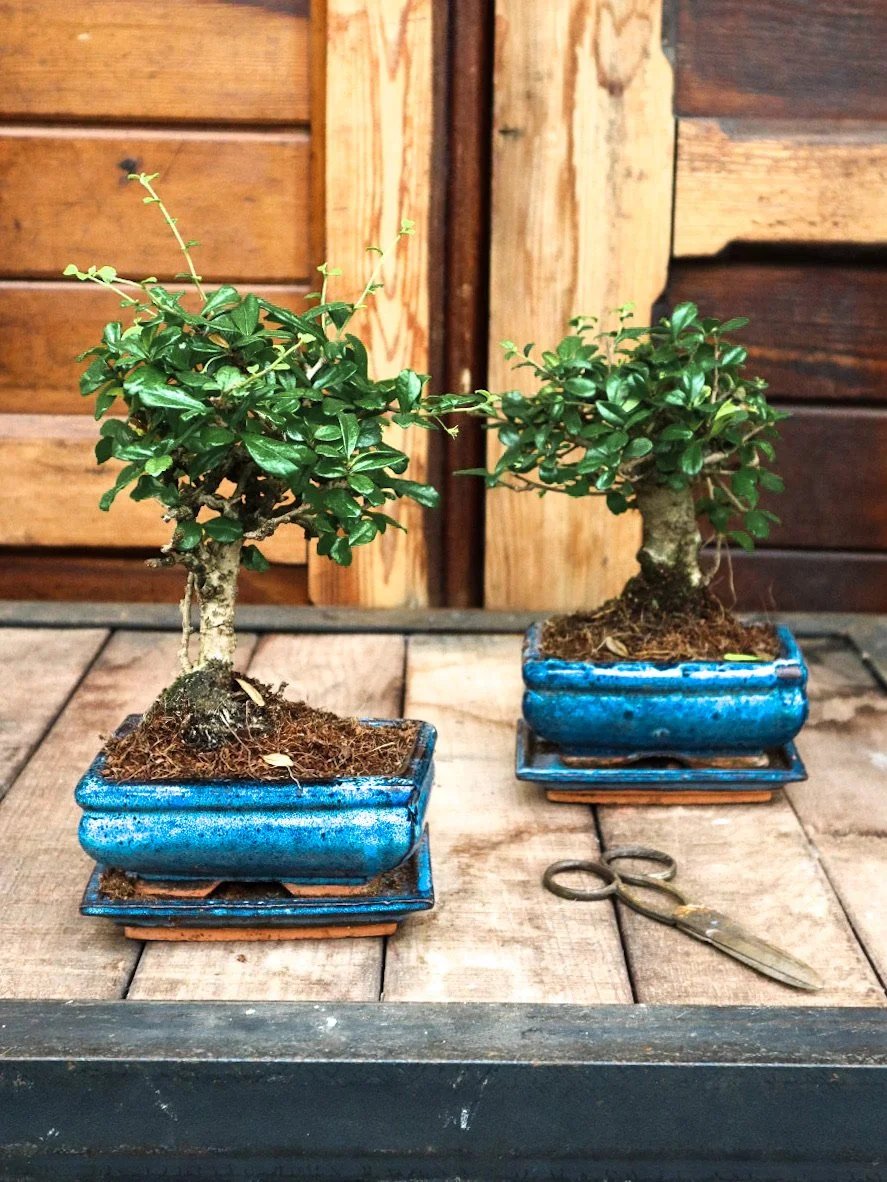
Proper soil and pots are crucial for keeping houseplants alive. Use well-draining potting mix—not garden soil, which compacts and harbors pests. African violets need peat-based; succulents, cactus mix with perlite/sand for aeration. Pre-mixed bags from stores like Lowe’s are beginner-friendly.
Pots should be 1-2 inches larger than roots, with drainage. Terracotta breathes well for overwaterers; ceramic/glazed retains moisture. Repot every 1-2 years in spring: gently remove, trim dead roots, add fresh soil. Choose pots with saucers. Signs to repot: roots circling, slow growth, cracked pot. This refreshes nutrients and prevents bound roots, promoting longevity.
Fertilizing: Feeding Without Overdoing It

Fertilizers provide essential nutrients but can burn roots if misused. For beginners keeping houseplants alive, use balanced, water-soluble options like 10-10-10 or slow-release spikes. Fertilize during growth seasons (spring-summer) every 4-6 weeks at half-strength. Skip winter.
Flush soil monthly with plain water to prevent salt buildup (white crust). Organic options like worm castings or fish emulsion are gentle. Yellow leaves between veins signal nitrogen deficiency—fertilize judiciously. Less is more; healthy soil retains nutrients naturally.
Humidity, Temperature, and Ideal Conditions
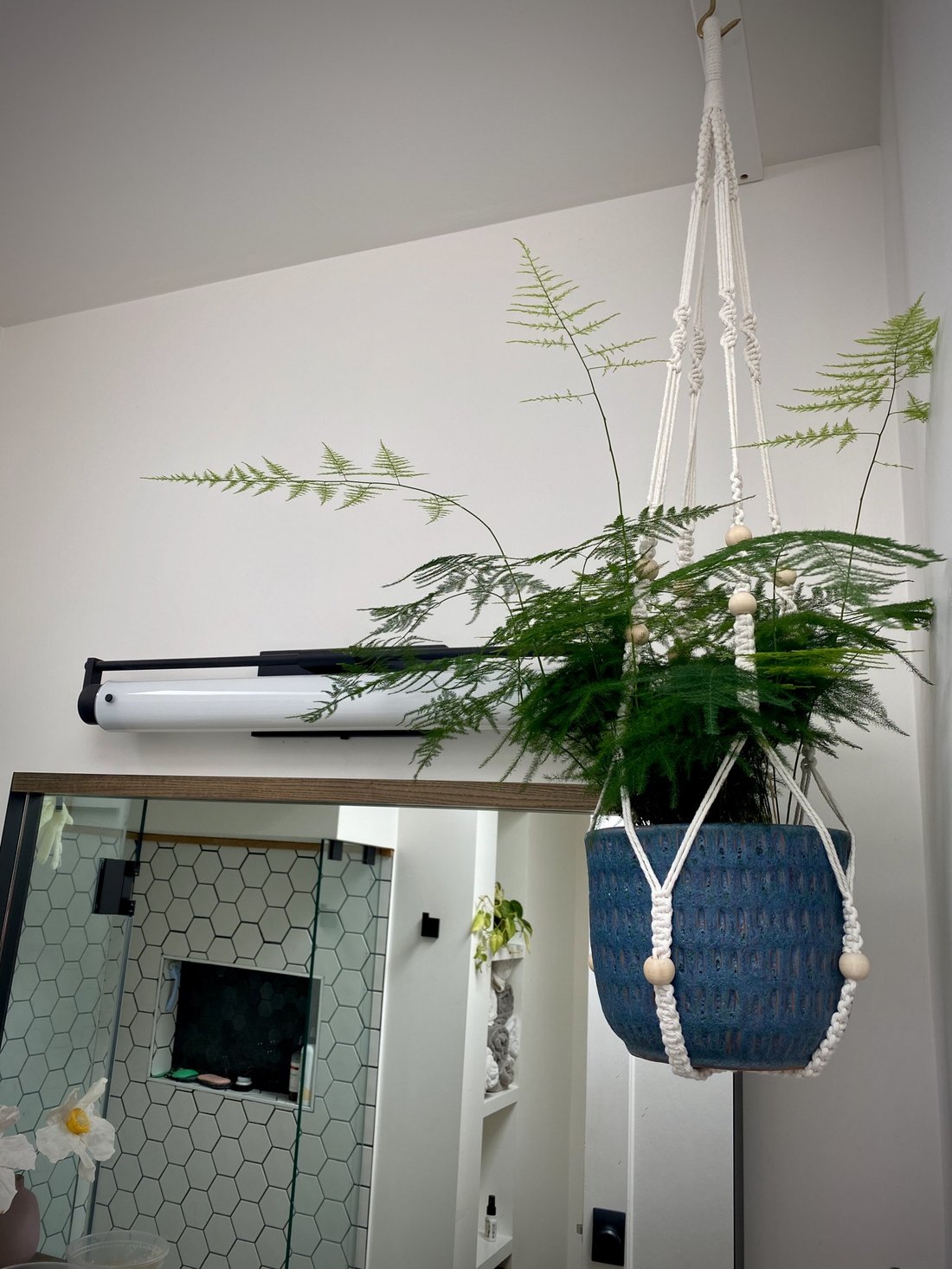
Most houseplants hail from humid tropics, so 40-60% humidity keeps them thriving. Bathrooms or kitchens suit high-humidity lovers like ferns. Boost dry air with pebble trays, humidifiers, or grouping plants. Misting helps but avoid fungal risks.
Maintain 65-75°F daytime, no below 50°F nights. Keep away from drafts, AC vents, heaters. Thermometer/hygrometer monitors conditions. Stable environments reduce stress, preventing leaf drop.
Preventing and Treating Pests and Diseases
Pests like spider mites, mealybugs, and aphids sneak in on new plants. Inspect undersides weekly; quarantine newcomers. Treat with neem oil spray (diluted, weekly) or insecticidal soap. Alcohol swabs zap mealybugs.
Diseases like root rot (from overwatering) require trimming affected parts, repotting in sterile soil. Powdery mildew? Improve air circulation, use fungicide. Prevention: clean leaves monthly with damp cloth for photosynthesis. Early detection keeps houseplants alive and infestation-free.
Establishing Simple Maintenance Routines
Success in keeping houseplants alive lies in routines. Daily: Check for wilting, pests. Weekly: Water, wipe leaves, rotate. Monthly: Fertilize, inspect roots. Prune dead leaves with clean scissors to redirect energy.
Track care in a journal or app like Planta. Dust reduces light absorption—shine boosts health. These habits take 10 minutes weekly, yielding lush growth.
Troubleshooting: Solving Common Houseplant Problems
Yellow leaves? Overwatering or nutrient lack. Brown tips: low humidity, fluoride in tap water. Leggy stems: insufficient light. Dropping leaves: cold drafts or repotting shock—patience recovers them.
Curled leaves: pests or dry air. No flowers: maturity or light issues. Diagnose systematically: adjust one factor at a time. Online forums like Reddit’s r/houseplants offer community wisdom. Most issues reverse quickly with tweaks.
Advanced Tips for Long-Term Houseplant Success
Once basics click, propagate cuttings for free plants. Experiment with propagation stations. LED lights enable year-round growth. Join plant swaps or apps like PlantSnap for ID. Sustainable choices: reuse pots, compost trimmings.
Track progress with photos. Celebrate milestones like first blooms. Patience pays—mature plants are hardier.
Conclusion: Your Journey to a Lush Indoor Oasis
Congratulations! Armed with this ultimate guide, you’re equipped to keep houseplants alive effortlessly. Start small, observe, adjust, and enjoy the rewards. Your home will soon buzz with greenery, purifying air and lifting moods. Remember, every expert was a beginner. Happy planting!
(Word count: 1247)