
2025’s Secret Space Race: How Private Companies Are Beating NASA to Mars
Why 2025 Feels Like the Space Race 2.0
Picture this: It’s 2025, and while NASA’s still tweaking its SLS rocket for another Artemis delay, a fleet of sleek Starships is blasting off from Texas, aiming straight for the Red Planet. Yeah, you heard that right. Private companies aren’t just playing catch-up—they’re lapping NASA in the race to Mars. I mean, who would’ve thought Elon Musk’s wild dreams would turn into reality faster than the government’s decade-long PowerPoints? This isn’t your grandpa’s Apollo era; it’s a billionaire-fueled sprint where reusability, rapid iteration, and sheer audacity are rewriting the rules.
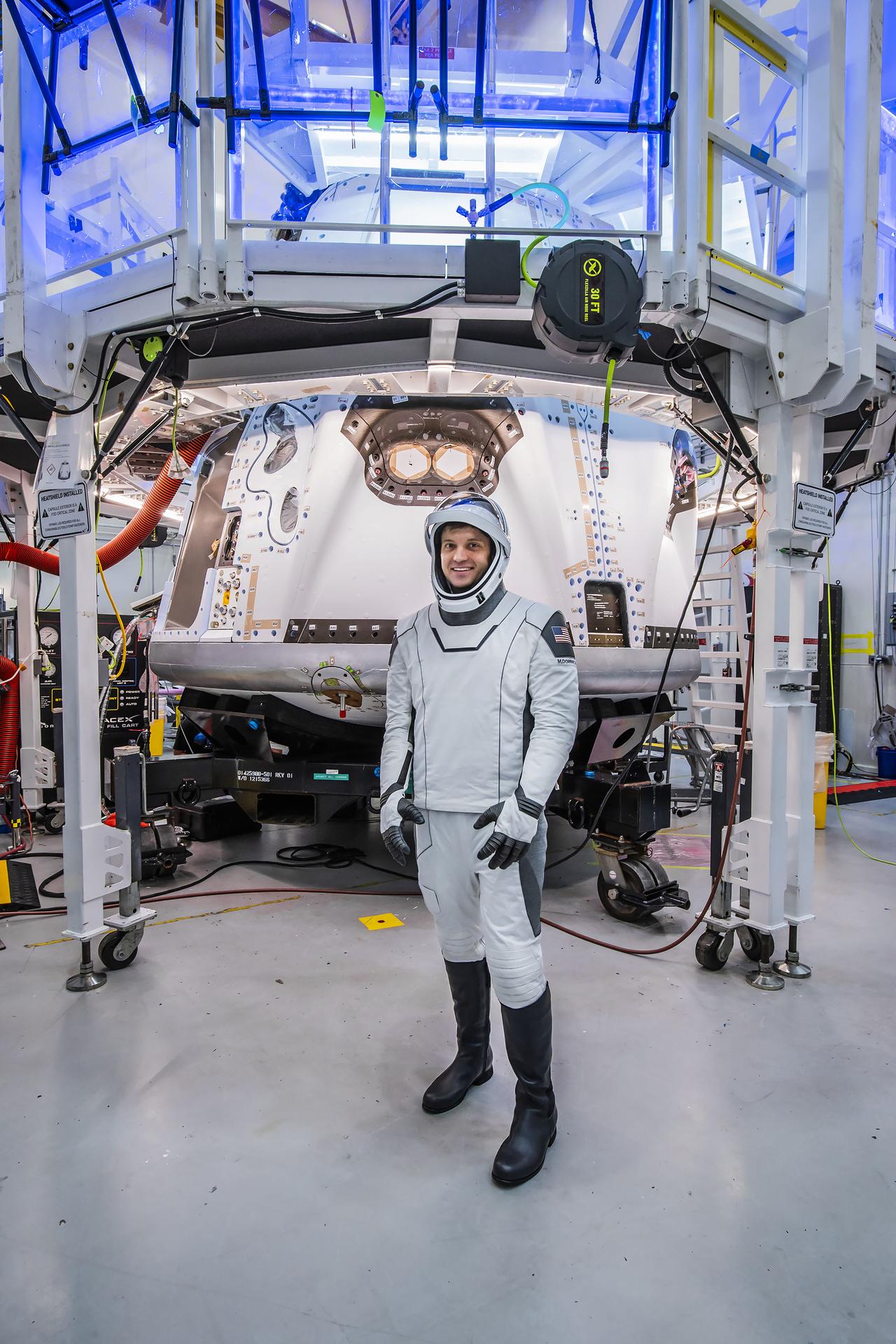
Let’s rewind a bit. NASA has been the undisputed king of space since the ’60s, landing humans on the Moon and rovers on Mars. But here’s the kicker: bureaucracy. Endless reviews, congressional budgets, and safety regs that make a sloth look speedy. Their Mars plans? Optimistically 2030s for humans. Meanwhile, private outfits like SpaceX are testing orbital refueling and planning uncrewed Mars missions as early as late 2025. Secret? Well, not entirely, but the pace is stealthy—announce little, launch often.
NASA’s Stuck in the Slow Lane
NASA’s not incompetent; they’re just… institutional. The Space Launch System (SLS) costs billions per launch and flies once every few years. Artemis I was a success in 2022, but Artemis II? Slipped to 2025. And that’s just lunar orbits. Mars? Forget it. Their architecture relies on the Boeing-built Starliner (which has had parachute fails and thruster issues) and a massive Orion capsule not designed for deep space round trips.
Budget woes hit hard too. NASA’s $25 billion annual pot gets sliced across Earth science, telescopes like JWST, and ISS maintenance. Mars gets crumbs. Contrast that with SpaceX’s valuation over $200 billion, fueled by Starlink cash cows. No red tape means they iterate like software companies—fail fast, fix faster. Remember those early Falcon 1 explosions? Now, Falcon 9 lands boosters like clockwork, over 300 times.
SpaceX: The Underdog That’s Now Leading the Pack
Elon Musk isn’t subtle. Starship, his fully reusable mega-rocket, is the game-changer. By 2025, after a string of test flights (IFT-4 nailed a soft ocean landing in 2024, IFT-5 catches the booster mid-air), they’re stacking ships for Mars. The plan: orbital refueling depots, where tanker Starships top off the interplanetary one. Sounds sci-fi? It’s happening. A single Starship hauls 100+ tons to orbit, dwarfing SLS’s 27 tons.
2025 milestone? Uncrewed Starships launching mid-year, carrying Tesla Optimus robots for Mars surface ops. No humans yet—that’s 2026—but data goldmine. Imagine live streams of crimson dunes, robot selfies, and resource scouting for fuel (ISRU: In-Situ Resource Utilization, turning Martian CO2 and water into methane propellant). NASA’s Perseverance rover took years to prep; SpaceX iterates in months.
And it’s not just hardware. SpaceX’s culture? Engineers dream big, work insane hours, and get results. Dogecoin memes aside, they’ve slashed launch costs from $10,000/kg (Shuttle era) to under $300/kg with Falcon, aiming for $10/kg with Starship. NASA can’t touch that economics.
Blue Origin and the Dark Horses Joining the Fray
It’s not a solo act. Jeff Bezos’ Blue Origin is ramping up New Glenn, a heavy-lift rival to Falcon 9, with first orbital flights targeted for early 2025. They’re partnering with NASA on Artemis landers (Blue Moon), but whispers say they’re eyeing Mars cargo. Bezos talks lunar economy, but Mars ice mining? Prime real estate for his vision.
Then there’s Rocket Lab, mastering small sats with Neutron rocket debuting 2025—perfect for Mars precursor missions. And don’t sleep on Impulse Space or Firefly: agile players testing Mars orbiters. China’s racing too, but privately? U.S. firms lead. Even Lockheed and Northrop, old NASA guards, pivot to commercial Mars habitats.
The secret sauce? Public-private symbiosis. NASA buys rides on Starship for Artemis, freeing SpaceX to Mars-hunt. It’s like Uber partnering with taxis—everyone wins, but privates accelerate.
Tech Edges That Make Mars Doable Now
What seals the deal? Reusability. Starship flies, lands, reflies in days. NASA’s rockets? Use once, scrap. Propulsion: Raptor engines guzzle methalox (methane/LOX), producible on Mars. NASA’s hydrolox is clean but not refuelable there.
AI and autonomy: SpaceX bots handle docking sans GPS. Radiation shielding? Starship’s steel hull plus water walls. Life support? Closed-loop ECLSS tested in Starship prototypes. And Starlink? Mars internet relay, low-latency comms for tele-op robots.
By 2025, expect private Mars demos: propellant plants, 3D-printed bases from regolith. NASA’s rovers crawl at 0.1 mph; private swarm drones scout ahead.
The Bigger Picture: Humanity’s Multiplanetary Future
This race isn’t zero-sum. Privates beating NASA democratizes space. Costs plummet, inspiring global talent. Mars City? SpaceX’s 1 million people vision by 2050 starts with 2025 boots-on-ground (robotic ones).
Risks? Plenty. Starship explosions could sour public opinion, regs tighten. Ethical stuff: Who owns Mars? Planetary protection treaties loom. But excitement trumps fear. Kids today see reusable rockets routine; tomorrow, Mars selfies.
NASA’s role evolves: science lead, not hauler. They’ll analyze private samples, plan joint habitats. It’s collaboration, with privates as the vanguard.
What’s Next? Strap In for 2026 and Beyond
2025: Uncrewed pioneers. 2026: Crewed Starships? Musk says yes. Blue Origin counters with lunar tests scaling to Mars. Competition breeds innovation—faster, cheaper, safer.
We’re witnessing history. Not governments alone, but dreamers with deep pockets. Mars isn’t a destination; it’s inevitable. Grab popcorn; the Red Planet’s about to get crowded. What do you think—will Elon plant the first flag? Drop your thoughts below!