
The Secret to Getting Things Done When You Have Zero Motivation
Introduction: Conquering the Motivation Slump
Feature Video
We’ve all been there—staring at a to-do list that feels like Mount Everest, with zero motivation to even lace up our boots. Procrastination creeps in, deadlines loom, and suddenly, “getting things done when you have zero motivation” becomes the holy grail of productivity. The good news? There’s no single “secret,” but a toolkit of proven strategies that can kickstart your engine even on the toughest days. This article dives deep into practical, science-backed techniques to overcome motivational droughts, boost your output, and reclaim your day. Whether you’re battling burnout, overwhelm, or just a bad case of the blahs, these tips will help you get things done without relying on fleeting bursts of inspiration.
Understand the Root of Your Motivation Drought

Before you can fix a lack of motivation, you need to diagnose it. Motivation isn’t just willpower; it’s influenced by biology, psychology, and environment. Dopamine, the brain’s reward chemical, plays a starring role. When levels dip—due to poor sleep, stress, or monotony—your drive vanishes. Studies from the American Psychological Association show that chronic stress depletes dopamine receptors, making tasks feel unrewarding.
Ask yourself: Is it fear of failure? Overwhelm from too many tasks? Or decision fatigue? Identifying the culprit is step one. Journal for five minutes: “Why don’t I want to start this?” Often, it’s not laziness but a signal something’s off. Track patterns over a week—maybe mornings are better, or caffeine helps. Awareness alone can spark a 20-30% motivation boost, per habit researcher James Clear in Atomic Habits.
Start Tiny: The Power of Micro-Commitments
The secret sauce to getting things done with zero motivation? Shrink tasks to absurdly small sizes. Forget “write the report.” Try “open the document.” This leverages the Zeigarnik effect—your brain hates unfinished tasks and nags you to continue. Research from University College London found that starting (even briefly) increases completion rates by 60%.
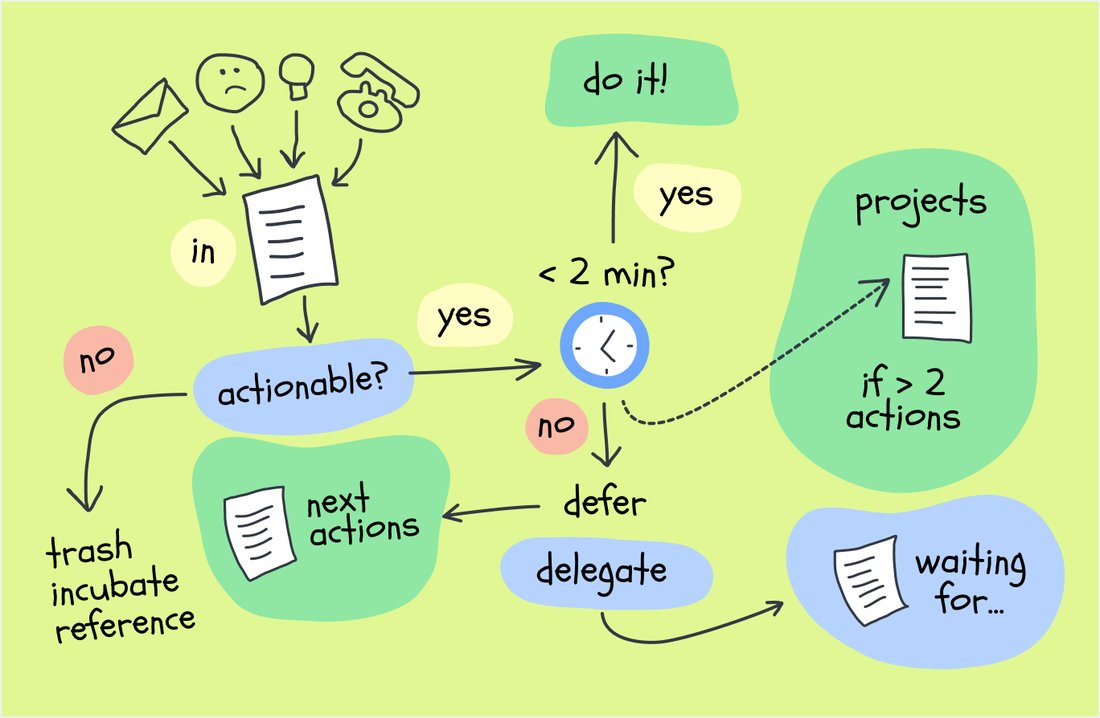
Set a two-minute rule: If it takes less than two minutes, do it now. For bigger goals, use the “just five minutes” trick. Tell yourself you’ll work for only five minutes—most people keep going once momentum builds. Apps like Focus Booster enforce this with timers. Over time, these micro-wins rewire your brain via neuroplasticity, making action habitual rather than Herculean.
Hack Your Environment for Effortless Action
Your surroundings dictate behavior more than motivation. Behavioral economist Dan Ariely explains in Predictably Irrational how friction kills progress. Remove it: Prep your workspace the night before—laptop open, coffee ready. Use visual cues like sticky notes saying “One email now.”
Curate a “motivation playlist” with upbeat tracks; music boosts dopamine by 9%, per a McGill University study. Minimize distractions—phone in another room, apps blocked via Freedom or StayFocusd. Lighting matters too: Natural light increases alertness by 15%, according to chronobiology research. Transform your space into a “yes” environment, and tasks become frictionless.
Leverage the Pomodoro Technique and Time Blocking

When motivation is at zero, structured bursts save the day. The Pomodoro Technique—25 minutes focused work, five-minute break—combat mental fatigue. Created by Francesco Cirillo, it’s backed by ultradian rhythm research showing peak focus lasts 20-30 minutes.
Pair it with time blocking: Schedule tasks in your calendar like meetings. Tools like Google Calendar or Todoist make this visual. Start your day with the “eat the frog” method—tackle the ugliest task first, when willpower peaks (per circadian studies). Block distractions during Pomodoros; reward breaks with stretches or treats. Users report 25-50% productivity gains, turning zero-motivation hours into output machines.
Build Accountability and Social Leverage
Humans are wired for social pressure. Share goals with a friend or join apps like StickK, where you wager money on success. A Dominican University study found accountability partners boost achievement by 65%.
Body doubling—working alongside someone (even virtually via Focusmate)—tricks your brain into productivity. Announce progress on social media or forums like Reddit’s r/GetMotivated. This externalizes motivation, bypassing internal voids. Pair with weekly check-ins; celebrate wins publicly to amplify dopamine hits.
Reframe Your Mindset: From “Have To” to “Choose To”
Motivation flows from meaning. Shift from “I have to finish this report” to “I choose to advance my career.” Cognitive Behavioral Therapy (CBT) techniques, validated by meta-analyses in Psychological Bulletin, rewire negative loops.
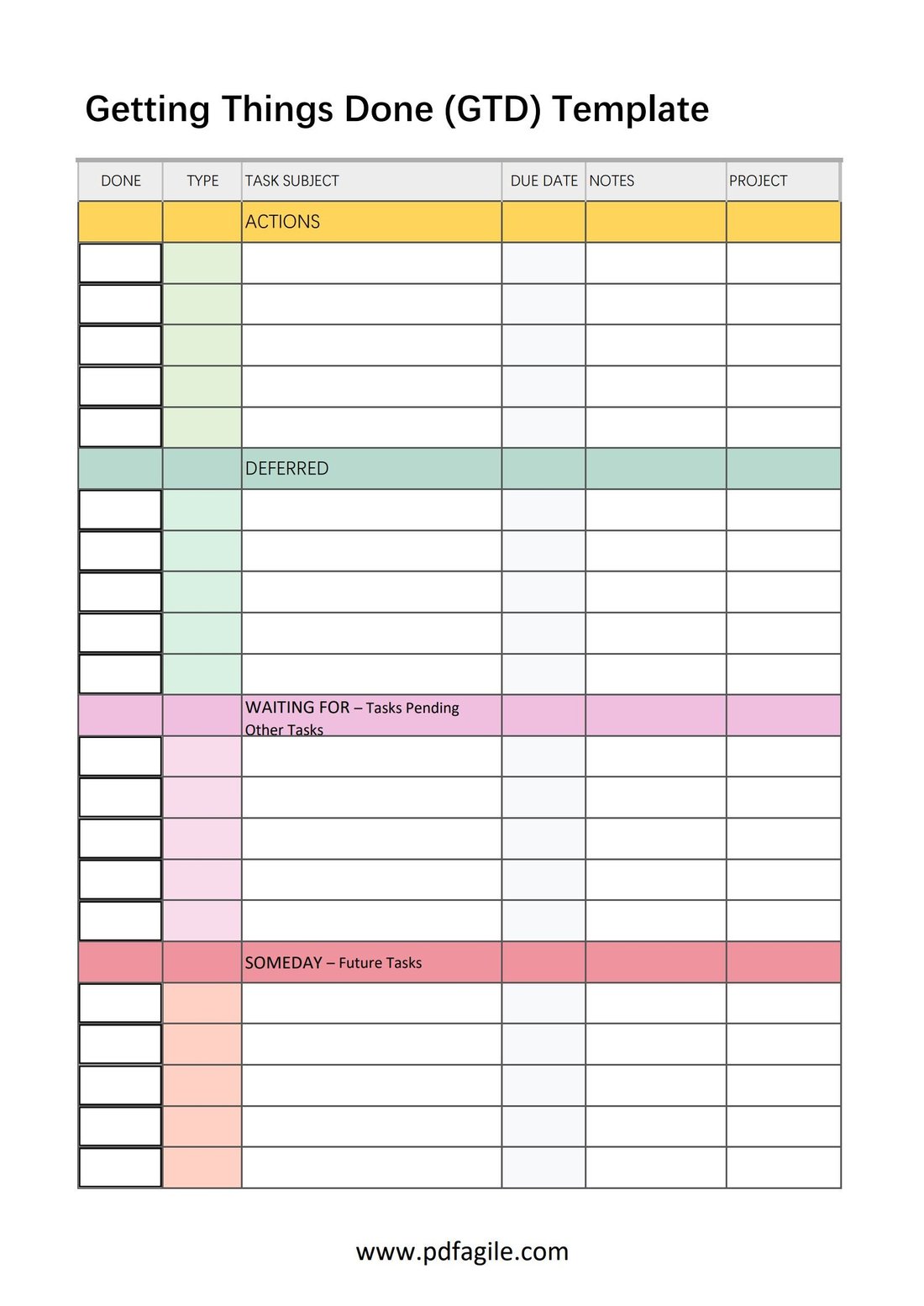
Practice gratitude: List three benefits of task completion. Visualize success—athletes use this to boost performance by 20%. Combat perfectionism with “good enough” drafts. Read motivational snippets from books like David Allen’s Getting Things Done. Over days, this builds intrinsic drive, reducing reliance on fleeting extrinsic sparks.
Fuel Your Body: The Motivation Multipliers
Zero motivation often stems from physical neglect. Sleep seven-nine hours; deprivation halves prefrontal cortex function, per sleep scientist Matthew Walker. Hydrate—dehydration drops focus by 10-15%.
Exercise: A 20-minute walk releases BDNF, enhancing motivation circuits (Harvard study). Eat protein-rich breakfasts for steady blood sugar. Supplements like L-tyrosine (dopamine precursor) or omega-3s help, but consult doctors. Micro-dose caffeine (100mg) for alertness without crashes. Nurture your body, and motivation rebounds naturally.
Use Tools and Tech to Automate Wins
Tech bridges motivation gaps. Habitica gamifies tasks with RPG elements—earn points, level up. Notion or Evernote for brain dumps clears mental clutter. AI tools like ChatGPT outline projects, slashing start-up time.
Forest app grows virtual trees during focus sessions, fighting phone urges. RescueTime tracks time leaks, revealing thieves. Automate with Zapier—emails to tasks instantly. These reduce cognitive load, making “zero motivation” irrelevant.
Sustain Long-Term: Habits Over Heroics
Motivation ebbs; systems endure. Build routines via cue-response-reward loops (Charles Duhigg’s The Power of Habit). Stack habits: Meditate then journal then work. Track streaks in apps like Streaks.
Review weekly: What worked? Adjust. Forgive slip-ups—self-compassion boosts resilience, per Kristin Neff’s research. Aim for consistency over intensity; compound effects yield massive results. In months, you’ll get things done effortlessly.
Conclusion: Your Motivation Makeover Starts Now
Getting things done when you have zero motivation isn’t about forcing willpower—it’s smart systems, tiny actions, and self-kindness. Implement one tip today: Micro-commit or Pomodoro your top task. Track progress; iterate. You’ll uncover that inner drive was waiting for the right nudge. Reclaim productivity, crush goals, and watch life transform. What’s your first step? (Word count: 1,248)