
Networking for Introverts: A Practical, Low-Stress Guide
Why Networking Feels Daunting for Introverts
Feature Video
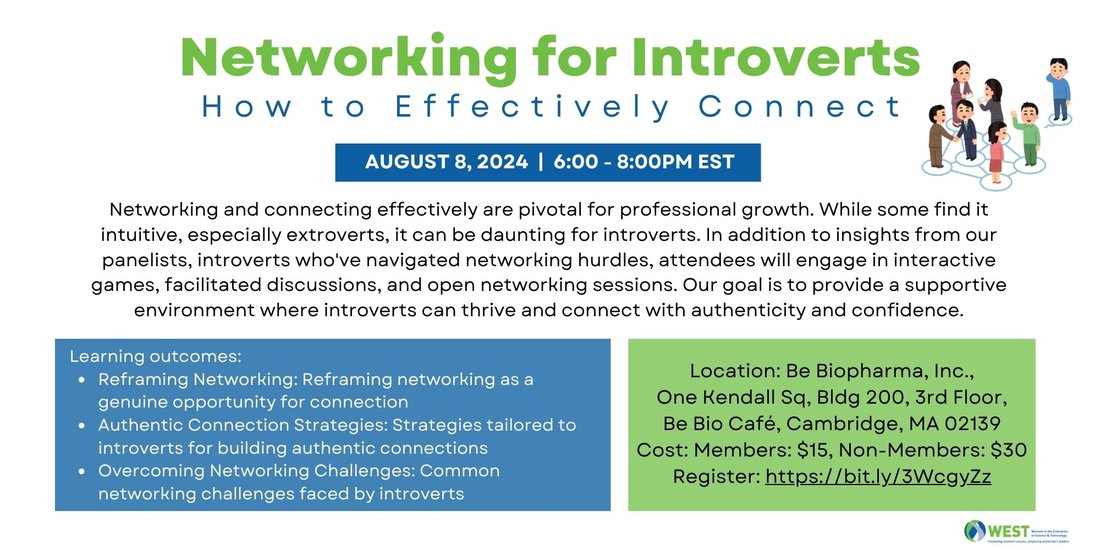
Networking often evokes images of crowded rooms filled with extroverted chatterboxes exchanging business cards at high speed. For introverts, this can feel like stepping into a lion’s den. However, introverts possess unique strengths like deep listening, thoughtful insights, and genuine connections that make them exceptional networkers when approached correctly. This guide is tailored for introverts seeking effective networking strategies without the exhaustion. We’ll explore low-stress methods to build professional relationships, boost your career, and leverage your natural introverted superpowers. Whether you’re job hunting, advancing in your career, or expanding your business, these tips ensure networking for introverts becomes a sustainable practice.
Introversion isn’t a flaw; it’s a personality trait characterized by preferring solitary activities and needing time to recharge after social interactions. According to research from the Quiet Revolution, introverts make up about 30-50% of the population, yet traditional networking events cater to extroverts. The good news? You don’t need to change who you are. With preparation and smart tactics, networking can align perfectly with your energy levels.
Preparation: The Introvert’s Secret Weapon

Success in networking for introverts starts long before the event. Preparation minimizes anxiety and maximizes impact. Begin by setting clear, achievable goals. Instead of aiming to “meet everyone,” target two to three meaningful conversations. Research attendees via LinkedIn or event apps. Identify people whose work aligns with your interests—perhaps a fellow marketer facing similar challenges or a potential mentor in your field.
Create a “networking script” with open-ended questions like, “What drew you to this industry?” or “What’s the most exciting project you’re working on?” Practice these in front of a mirror or with a trusted friend. Prepare your elevator pitch: a 30-second summary of who you are, what you do, and what value you offer. Keep it authentic—introverts shine in sincerity. Dress comfortably yet professionally to boost confidence without added stress.
Logistics matter too. Arrive early to events when crowds are smaller, allowing you to ease in. Scout the venue online for quiet corners. Pack essentials: business cards (or a digital alternative like a QR code linking to your LinkedIn), a notebook for jotting notes, and a recharging plan—schedule a solo coffee break midway.
Low-Stress Networking Strategies at Events

At in-person events, gravitate toward smaller groups or one-on-one chats rather than large circles. Position yourself near high-traffic areas like food stations; people naturally cluster there, making entry easier. Use the “peripheral vision” technique: observe conversations from afar and join when someone steps away, creating a natural opening.
Listen more than you speak—a hallmark introvert strength. Active listening builds rapport faster than talking. Nod, maintain eye contact, and paraphrase: “It sounds like you’re passionate about sustainable tech—tell me more.” This low-energy approach positions you as thoughtful and memorable. Share stories over facts; introverts excel at vulnerability, fostering deeper bonds.
Time-box interactions: aim for 10-15 minutes per person, then gracefully exit with, “I’ve enjoyed this chat—let’s connect on LinkedIn.” Exchange contacts immediately to solidify the connection. If overwhelmed, step out for fresh air; self-care prevents burnout.
Leveraging Online Networking: The Introvert’s Paradise
For many introverts, digital platforms are a game-changer in networking. LinkedIn reigns supreme—optimize your profile with a professional photo, compelling headline (e.g., “Introverted Marketer Helping Brands Build Authentic Connections”), and detailed experience sections featuring keywords like “networking for introverts.”
Engage without overwhelm: comment thoughtfully on posts, share valuable insights weekly, and join industry groups. Send personalized connection requests: “I enjoyed your article on remote work trends and would love to connect.” Virtual events via Zoom or Clubhouse allow preparation time and mute buttons for recharging.
Email networking works wonders too. Research contacts, reference their work, and propose value: “I’d love your thoughts on this challenge I’m facing.” Tools like Hunter.io help find emails. Platforms such as Twitter (X) or Reddit enable anonymous lurking before engaging. Online courses on Coursera or MasterClass often include forums ripe for low-pressure interactions.
Building and Nurturing Relationships Post-Networking
Networking doesn’t end at “hello.” Follow-up is where introverts thrive with their detail-oriented nature. Within 24-48 hours, send a personalized LinkedIn message or email recapping your conversation: “Great discussing AI ethics yesterday—here’s that article I mentioned.” This reinforces memory and value.
Nurture relationships quarterly. Set calendar reminders for coffee chats or share relevant articles. Host your own low-key events, like virtual book clubs or webinars on niche topics. Introverts excel at hosting intimate gatherings—five people discussing a shared interest beats 50 superficial handshakes.
Track contacts in a CRM like Notion or Google Sheets: note how you met, key discussion points, and follow-up dates. This system turns networking into a manageable habit, reducing stress over time.
Overcoming Common Introvert Networking Challenges
Fear of rejection? Reframe it: most people are focused on themselves, not judging you. Practice exposure gradually—start with low-stakes coffee meets. Small talk struggles? Pivot to purpose: “What’s one lesson you’ve learned recently?” Energy drain? Intersperse events with solo days; quality trumps quantity.
Imposter syndrome hits hard for introverts. Counter it by listing accomplishments pre-event. Seek introvert-friendly networks like Introvert Entrepreneur groups or events billed as “quiet networking.” Books like “Quiet” by Susan Cain or “Networking for People Who Hate Networking” by Devora Zack offer deeper validation and tactics.
Real-Life Success Stories from Introverted Networkers
Consider Sarah, a software engineer who dreaded conferences. By preparing questions and focusing on listeners, she landed a mentorship leading to a promotion. Or Mike, who built a consulting business via LinkedIn comments alone—no events required. These stories prove networking for introverts yields profound results when tailored.
Statistics back it: A Harvard Business Review study found introverted leaders often outperform extroverts in thoughtful decision-making, amplified by strong networks. Embrace your style for authentic success.
Tools and Resources for Effortless Networking
Enhance your toolkit with apps: Shapr for swipe-based matching, Eventbrite for curated events, and Calendly for easy scheduling. Podcasts like “Introvert, Dear” provide motivation. Join communities such as Quiet Networking on Meetup.com.
For SEO-savvy readers, incorporate networking into content creation—blog about “introvert networking tips” to attract like-minded professionals organically.
Conclusion: Sustainable Networking on Your Terms
Networking for introverts isn’t about becoming extroverted; it’s about strategic, authentic engagement. By preparing thoroughly, choosing low-stress venues like online platforms, and nurturing selectively, you’ll build a robust professional circle without depletion. Start small today: update your LinkedIn, reach out to one contact, or attend a virtual meetup. Your introverted strengths—depth, empathy, reflection—will make you unforgettable. Embrace this guide, and watch your career flourish sustainably.
(Word count: 1217)