
Is ‘Buy Now, Pay Later’ Silently Damaging Your Financial Future?
Is ‘Buy Now, Pay Later’ Silently Damaging Your Financial Future?
In today’s fast-paced consumer world, “Buy Now, Pay Later” (BNPL) services like Afterpay, Klarna, Affirm, and Sezzle have exploded in popularity. These platforms promise instant gratification—splitting purchases into interest-free installments without a credit check in many cases. With global BNPL transaction volumes surpassing $200 billion in 2023 and projected to hit $450 billion by 2026, it’s no wonder millennials and Gen Z are flocking to them. But beneath the convenience lies a silent threat: Is ‘Buy Now, Pay Later’ silently damaging your financial future? This article dives deep into the mechanics, benefits, pitfalls, and long-term impacts of BNPL, helping you decide if it’s a smart tool or a financial trap.
What is Buy Now, Pay Later (BNPL) and How Does It Work?
Feature Video
BNPL allows shoppers to divide the cost of a purchase into four or more payments, often over six weeks to a year, with no interest if paid on time. Unlike traditional credit cards, many BNPL apps don’t report to credit bureaus initially, making them accessible. Merchants partner with BNPL providers, who front the cash and collect from consumers later. Fees are typically merchant-paid (2-8% of the sale), keeping it “free” for users—at least on the surface.
The appeal is undeniable. Imagine snagging that $500 pair of sneakers or a new smartphone without draining your bank account upfront. In 2023, 75 million Americans used BNPL, up 40% from the previous year, according to LendingTree data. It’s integrated seamlessly into e-commerce giants like Shopify and Amazon, with one-click checkouts tempting impulse buys.
The Hidden Dangers: How BNPL Encourages Overspending
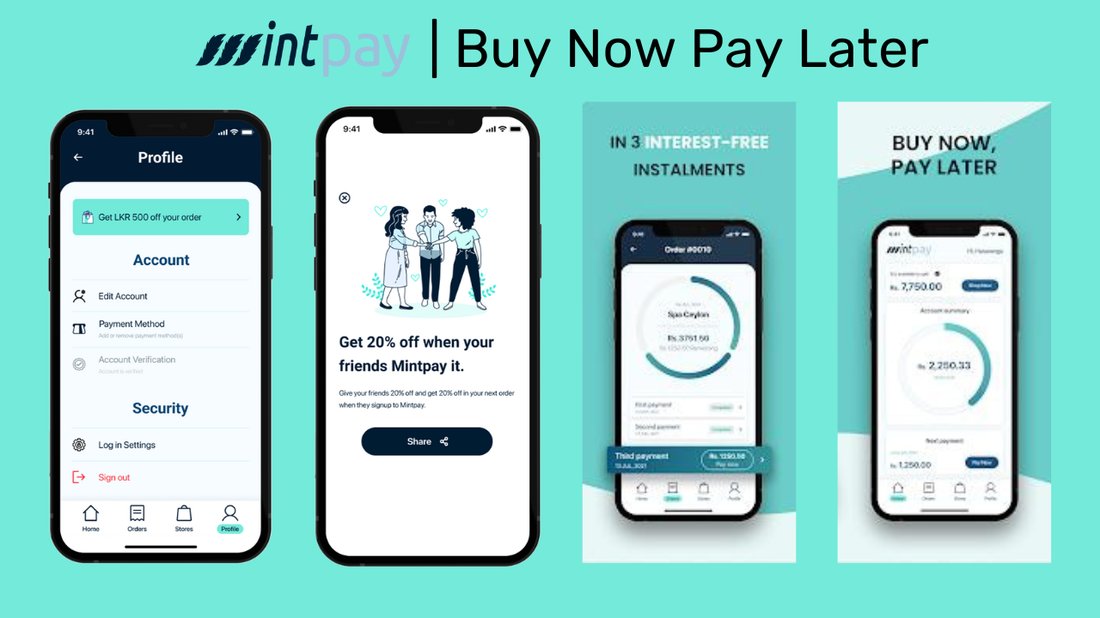
Psychologically, BNPL lowers the pain of payment. Studies from the Consumer Financial Protection Bureau (CFPB) show that installment plans make purchases feel cheaper, leading to 20-30% higher spending. A University of Missouri study found BNPL users spend 25% more per transaction than cash payers. Without the immediate debit, you’re detached from the true cost, fostering a “buy first, regret later” mentality.
Multiple BNPL accounts compound this. Juggling Afterpay for clothes, Klarna for electronics, and Affirm for furniture means tracking dozens of payments. A 2023 Federal Reserve report revealed 40% of BNPL users have four or more accounts, with average debt loads hitting $1,000+. Late fees—$7-10 per missed installment—quickly erode the “free” promise, turning $200 buys into $250+ obligations.
Credit Score Impacts: The Silent Credit Killer
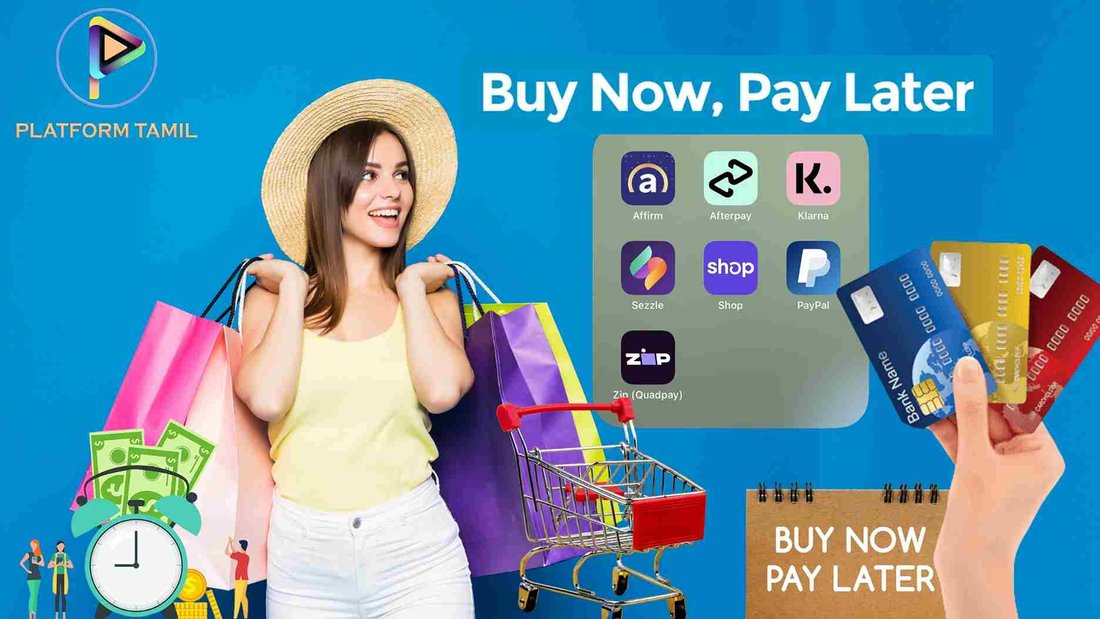
Early BNPL didn’t touch credit scores, but that’s changing. Affirm and Klarna now report to Experian and TransUnion for larger loans, while late payments ding your score. A 2024 Equifax analysis showed BNPL delinquencies at 11.3%—higher than credit cards (1.7%). Hard inquiries from BNPL can drop scores by 5-10 points, per myFICO.
For young adults building credit, this is disastrous. Missed payments stay on reports for seven years, haunting mortgage or auto loan approvals. Consumer advocates warn BNPL creates “invisible debt,” bloating debt-to-income ratios lenders scrutinize. If you’re unaware of reporting, one slip could silently sabotage your financial future.
The Debt Spiral: Real-Life Stories and Statistics

Meet Sarah, a 28-year-old teacher who used BNPL for $2,000 in home decor during the pandemic. “It started innocently,” she shares. “But overlapping payments snowballed; I paid $500 in fees before consolidating.” Stories like hers abound on Reddit’s r/personalfinance, where BNPL horror tales rack up thousands of upvotes.
Stats paint a grim picture. Plaid’s 2023 report: 25% of BNPL users couldn’t pay on time, with 18% reusing BNPL to cover prior debts—a classic spiral. In Australia, where BNPL originated, defaults rose 50% in 2022, prompting regulations. U.S. complaints to the CFPB surged 500% in 2023, citing harassment from collectors over $40 late fees.
Economically vulnerable groups suffer most. Low-income users (under $50K) have delinquency rates twice the average, per a 2024 Urban Institute study. BNPL preys on financial fragility, turning necessities like groceries or medical bills into debt traps.
Long-Term Financial Health: Opportunity Costs and Habits
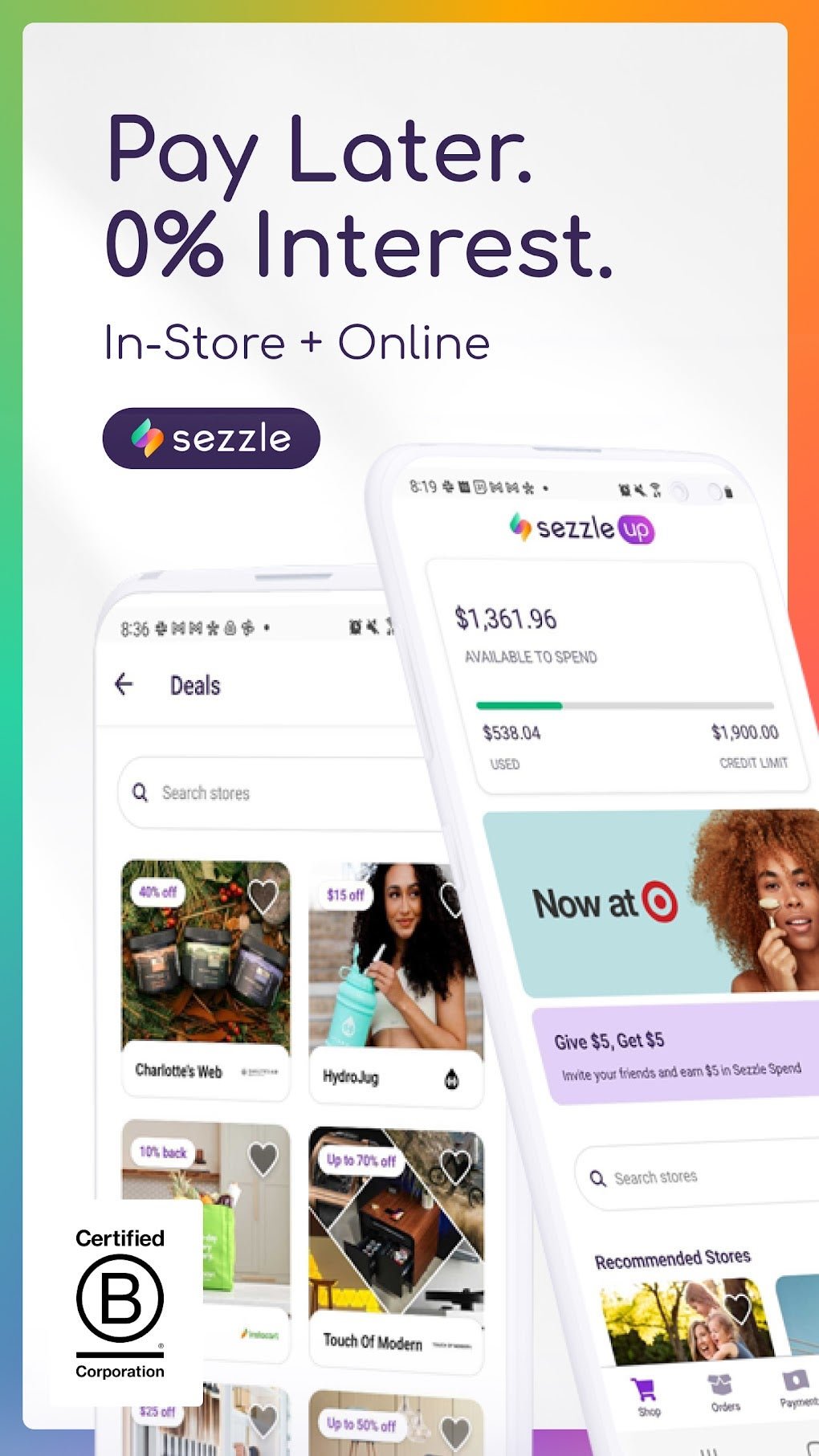
BNPL diverts money from wealth-building. That $300 gadget on installments? You’re forgoing $300 invested in an S&P 500 index fund, potentially worth $500+ in five years at 7% returns. Compound interest works against you here—fees and interest (up to 30% APR on longer Affirm plans) erode savings potential.
It instills poor habits. A Cambridge University study links easy credit to reduced financial literacy; users undervalue money’s time value. Over-reliance delays emergency funds—40% of Americans can’t cover a $400 surprise, per Bankrate, yet BNPL masks this vulnerability.
Retirement suffers too. Younger users prioritizing consumption over savings hit 401(k)s later. Fidelity data shows BNPL-heavy demographics save 15% less annually, widening wealth gaps.
The Pros: When BNPL Isn’t All Bad

To be fair, BNPL has upsides. For planned big-ticket items like appliances, it beats high-interest cards (average 22% APR). Interest-free periods build positive credit if reported. During inflation (peaking 9% in 2022), it preserved cash flow. Merchants love it—conversion rates jump 20-30%.
Responsible use: Treat it like debit. Limit to one account, pay early, and only for needs. Apps like YNAB (You Need A Budget) integrate BNPL tracking for better control.
Alternatives to BNPL for Smarter Spending

Ditch BNPL for these:
- Layaway Plans: Pay upfront, no debt risk. Walmart and Target offer them.
- 0% APR Credit Cards: Balance transfers or promo periods, but pay off fully.
- High-Yield Savings: Build buffers with 5% APY accounts like Ally.
- Employer Advances: Apps like Earnin for paycheck previews, fee-capped.
- Budgeting Apps: PocketGuard flags overspending pre-purchase.
Shop sales or secondhand via Facebook Marketplace to avoid financing altogether.
Tips to Use BNPL Without Derailing Your Finances
If you must use BNPL:
- Budget first: Ensure payments fit your cash flow.
- One app only: Avoid fragmentation.
- Auto-pay: Never miss deadlines.
- Track totals: Use spreadsheets for all obligations.
- Freeze cards: Limit temptations.
- Review statements: Spot merchant fees.
Regulations loom—CFPB proposed rules in 2024 for clearer disclosures and credit reporting. Stay informed.
Conclusion: Proceed with Caution or Pivot to Financial Freedom

Is ‘Buy Now, Pay Later’ silently damaging your financial future? For many, yes—it masks overspending, inflates debt, and erodes credit while luring with false ease. While useful sparingly, habitual use risks cycles mirroring payday loans. Prioritize savings, budgeting, and intentional spending. Audit your BNPL today: Delete unused accounts, pay off balances, and redirect to investments. Your future self will thank you. True wealth builds through discipline, not deferral.
Word count: 1,248. Keywords: Buy Now Pay Later, BNPL risks, financial future, overspending, credit score impact.