
Robots That Farm Themselves: The Autonomous Agriculture Boom Feeding 10 Billion by 2050
With the global population projected to reach 10 billion by 2050, feeding everyone sustainably has become humanity’s greatest challenge. Traditional farming methods are straining under the pressure of climate change, labor shortages, and shrinking arable land. Enter autonomous agriculture: a revolution where robots and AI systems manage farms from planting to harvest with minimal human intervention. This boom in self-farming technology promises higher yields, reduced waste, and resilient food systems capable of nourishing billions.
The Dawn of Autonomous Farming
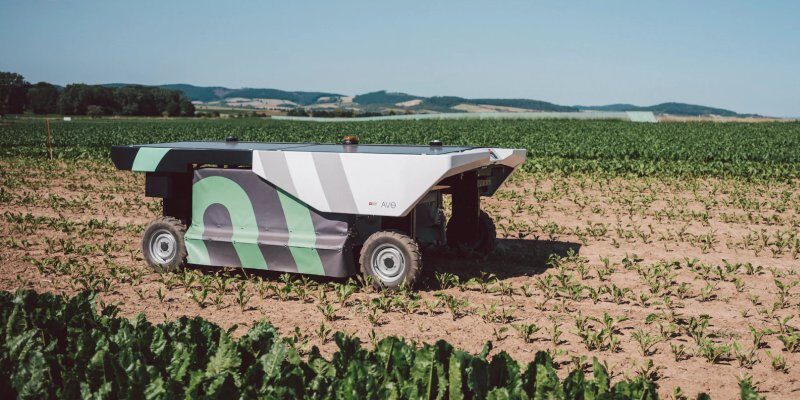
Autonomous farming robots trace their roots to the 1980s when early prototypes like GPS-guided tractors emerged. Today, they’ve evolved into sophisticated machines powered by artificial intelligence (AI), machine learning, and the Internet of Things (IoT). These systems operate 24/7, analyzing soil health, weather patterns, and crop growth in real-time to make data-driven decisions.
The shift accelerated during the 2010s with advancements in computer vision and robotics. Companies like John Deere introduced See & Spray technology, which uses cameras to detect weeds and apply herbicides precisely, slashing chemical use by up to 90%. This precision agriculture minimizes environmental impact while boosting efficiency, setting the stage for fully autonomous operations.
Core Technologies Powering Self-Farming Robots
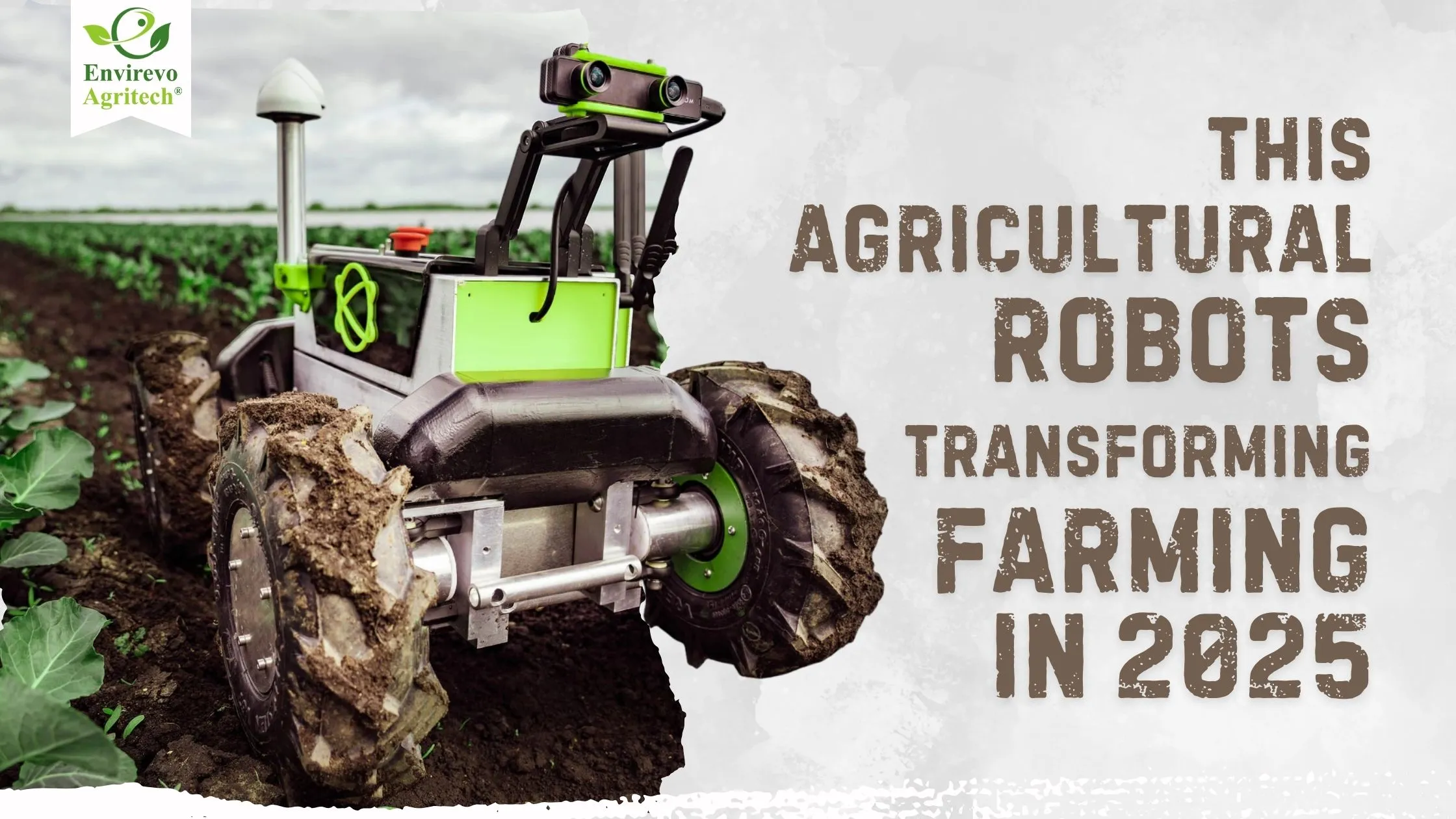
At the heart of autonomous agriculture are multi-layered technologies. GPS and RTK (Real-Time Kinematic) positioning provide centimeter-level accuracy for planting and navigation. LiDAR sensors map fields in 3D, while multispectral cameras assess plant health by detecting stress invisible to the human eye.
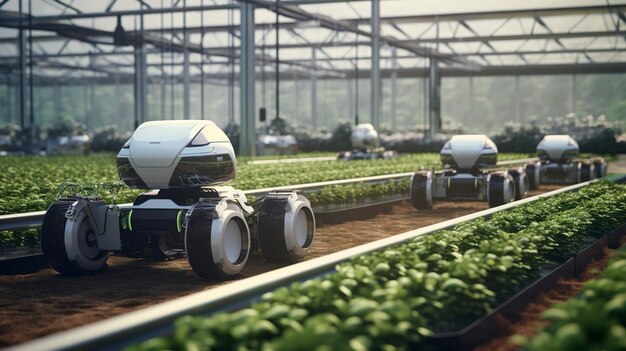
AI algorithms process this data, predicting optimal planting times, irrigation needs, and harvest readiness. For instance, machine learning models trained on vast datasets can forecast yields with 95% accuracy. Swarm robotics—where fleets of small robots collaborate—further enhances scalability. Drones scout overhead, ground robots till and weed, and autonomous harvesters collect crops, creating a seamless ecosystem.
Edge computing ensures low-latency decisions, even in remote areas with poor connectivity. Blockchain integration tracks produce from farm to table, ensuring transparency and reducing food fraud.
Precision Tasks: From Planting to Harvest
Autonomous robots excel in repetitive, labor-intensive tasks. Seeding robots like those from Rowbot plant seeds at variable depths based on soil moisture, optimizing germination rates. Weeding bots, such as Farm-ng’s Amiga, use AI to distinguish crops from weeds, mechanically removing intruders without chemicals.
Irrigation systems powered by soil sensors deliver water drip-by-drip, conserving up to 30% compared to traditional methods. Harvesting robots, like AgXeed’s AgBot, gently pick fruits using soft grippers modeled on human hands, reducing damage by 50%. In dairy farming, robotic milkers from DeLaval handle cows autonomously, monitoring health via wearable sensors.
Vertical farming robots in controlled environments stack crops in layers, using LED lights and hydroponics to yield 10 times more per square foot than field farming.
Economic and Environmental Benefits
The autonomous agriculture boom addresses key pain points. Labor costs, which consume 20-30% of farm budgets, drop dramatically as robots handle 80% of fieldwork. A single autonomous tractor can replace three human-operated ones, operating around the clock.
Sustainability gains are profound. Precision application cuts fertilizer runoff, protecting waterways and biodiversity. Studies from the FAO show that robotic farming could reduce global agriculture’s carbon footprint by 20% by 2050. Higher yields—up to 25% increases in some trials—ensure food security amid arable land loss.
For smallholder farmers in developing regions, affordable drone services and robot-as-a-service models democratize access, bridging the yield gap between rich and poor nations.
Real-World Success Stories
John Deere’s 8R autonomous tractor has been deployed across U.S. Midwest farms, pathing fields overnight and increasing productivity by 15%. In Europe, Naïo Technologies’ Oz robot weeds vineyards, saving French winemakers €20,000 per hectare annually.
Australia’s SwarmFarm Robotics runs fleets of 100+ units on cotton farms, monitoring 10,000 hectares with zero human drivers. In Asia, Japan’s Spread Co. uses robots for rice paddy management, tackling its aging farmer population. These cases prove scalability, with ROI often achieved in 2-3 years.
Startups like Carbon Robotics’ LaserWeeder zap weeds with lasers, eliminating herbicides entirely and earning EPA approval for chemical-free operation.
Overcoming Challenges in Autonomous Ag
Despite promise, hurdles remain. High upfront costs—$500,000 for a top-tier autonomous harvester—deter adoption. Solutions like leasing and subsidies are emerging. Technical issues, such as navigating uneven terrain or handling mixed crops, are being addressed via advanced simulations and reinforcement learning.
Regulatory frameworks lag; standards for robot safety and data privacy vary globally. Cybersecurity risks demand robust protections against hacks that could disrupt food supplies. Farmer training is crucial, as 70% of U.S. farmers over 55 resist tech adoption.
Climate resilience is another focus—robots must withstand floods, droughts, and pests. Modular designs and solar-powered models are paving the way.
Feeding 10 Billion: Projections and the Road Ahead
The United Nations’ Food and Agriculture Organization (FAO) estimates food production must rise 70% by 2050. Autonomous agriculture is key: McKinsey predicts it could add $500 billion in annual value. By 2030, 25% of large farms may be fully autonomous, scaling to 50% by 2040.
Integrating with gene-edited crops and regenerative practices amplifies impact. Global initiatives like the EU’s Farm to Fork strategy invest €10 billion in agtech, while China’s 14th Five-Year Plan prioritizes robotic farming.
Collaborations between tech giants (e.g., Microsoft Azure FarmBeats) and agribusinesses accelerate innovation. Open-source platforms lower barriers, fostering worldwide adoption.
In summary, robots that farm themselves aren’t science fiction—they’re deploying now, transforming barren fields into bountiful harvests. By enhancing efficiency, sustainability, and equity, autonomous agriculture positions us to feed 10 billion without exhausting the planet. The boom is here; the future of food is automated.