
The Last of Us: 20 Jaw-Dropping Differences Between the HBO Show and Game That Fans Can’t Ignore!
Introduction: Why The Last of Us Adaptation Sparks Endless Debates
Watch Related Video Coverage
The Last of Us, Naughty Dog’s critically acclaimed 2013 video game, redefined storytelling in gaming with its post-apocalyptic tale of Joel, a grizzled smuggler, and Ellie, a fiery teen immune to the Cordyceps fungal infection ravaging humanity. When HBO brought this masterpiece to television in 2023, created by Craig Mazin and Neil Druckmann, it shattered viewership records, earning universal praise. But how faithful is the show to the game? Spoiler: It’s close, but packed with clever changes, expansions, and bold inventions. Whether you’re a die-hard gamer spotting Easter eggs or a show binge-watcher diving into the source material, these differences highlight how the adaptation elevates the narrative for a broader audience. Buckle up as we dissect over 20 key divergences across plot, characters, visuals, and more.
Plot Twists and Restructured Timelines
One of the biggest shocks is the show’s complete overhaul of the mid-season arc. In the game, after Bill’s town, Joel and Ellie head straight to Pittsburgh, battling hunters in a brutal urban gauntlet. The HBO series swaps this for Kansas City, introducing a fresh resistance faction led by the vengeful Kathleen (Melanie Lynskey). This new storyline adds layers of moral complexity—Kathleen hunts Joel for killing her brother—but it’s absent in the game. Pittsburgh isn’t forgotten; it’s referenced later, with the show streamlining travel to keep the pace cinematic.
Timeline tweaks abound too. The game’s prologue with Joel losing Sarah feels raw and intimate, but the show expands it with more family moments, like Joel’s watch from his daughter becoming a recurring motif. Ellie’s lie about killing her friend Riley? In the game, it’s vague; the show dedicates Episode 7 flashbacks to their mall adventure, complete with a full-blown infected outbreak, humanizing Ellie’s trauma and justifying her deception to Joel.
Character Deep Dives: Expansions That Steal the Show
Bill and Frank’s episode (S1E3) is the crown jewel of differences. Gamers remember a tense, quick alliance in Bill’s fortified town—Frank is paranoid, suicidal, and dies off-screen from infection. The show’s 80-minute masterpiece transforms them into lovers with a heartfelt romance spanning years, culminating in a euthanasia pact. Nick Offerman and Murray Bartlett’s performances turned this into Emmy gold, adding queer representation and emotional depth Naughty Dog couldn’t fully explore in gameplay.
Tommy’s arc evolves dramatically. In the game, Joel’s brother is a rugged ex-Firefly drifting with wife Maria. The show fleshes out their Jackson community leadership, with Maria (Rutina Wesley) confronting Joel about fatherhood more assertively. Ellie’s relationship with Joel builds slower on screen, emphasizing banter and trust through added dialogues absent in cutscenes.
Henry and Sam’s tragedy hits harder with changes. Game-Sam is mute from injury; show-Sam (Keivon Woodard) is deaf, incorporating ASL for poignant brotherly bonds. Their deaths remain gut-wrenching, but Kathleen’s pursuit adds revenge stakes.
New Characters and Factions That Reshape the World
Kathleen isn’t the only addition. Perry (Jeffrey Pierce), her right-hand man, brings explosive action sequences. The Kansas City resistance portrays FEDRA (the oppressive military) more sympathetically via flashbacks, contrasting the game’s black-and-white hunter foes. This nuance critiques authoritarianism, echoing real-world themes Mazin loves weaving in.
Even minor roles expand: Ellie’s crush Cat is cut, but Riley’s full backstory compensates. University Fireflies get more screen time, with new scientist characters hinting at Season 2’s Part II expansions. These inventions prevent the show from feeling like a playthrough, injecting surprises for gamers.
Visuals, Action, and Infected: From Gameplay to Gore
Gamers control tense stealth and combat; the show amps up spectacle. Clicker designs are eerily faithful but more grotesque, with practical effects shining in dark tunnels. New infected types like the “Stalker” debut earlier, blending game lore seamlessly. Joel’s torture scene? Game brutality visualized unflinchingly, with Pedro Pascal’s screams more visceral than button-mashing.
Environments dazzle: Jackson’s dam community is lush and lived-in, contrasting the game’s linear paths. Pittsburgh’s flooded streets become Kansas City’s sniper battles, with practical stunts rivaling The Walking Dead. Sound design elevates Gustavo Santaolalla’s score, with fungal spores crunching audibly.
Casting Choices That Redefine Icons
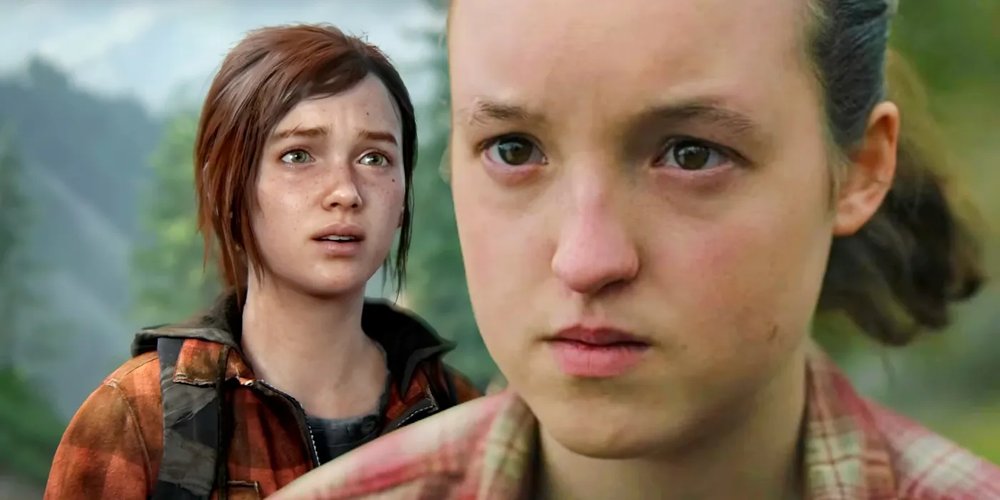
Pedro Pascal’s Joel is softer-edged than Troy Baker’s grizzled voice—more vulnerable, less machine-like. Bella Ramsey nails Ellie’s sarcasm but adds tween angst, making her immunity reveal hit emotionally. Gabriel Luna’s Tommy radiates charisma, while Anna Torv’s Tess gets expanded agency before her fiery exit. These performances humanize archetypes, proving TV’s edge over mocap.
Easter Eggs, Omissions, and Foreshadowing Part II
Gamers rejoice at nods like Ellie’s savage joke book, Joel’s guitar, or the “Porcupine” nickname. Omissions streamline: No giraffe scene until finale (moved for impact), no cannibals yet (teased for later). Episode 9’s hospital climax tweaks Firefly dialogue for ambiguity, priming Abby’s revenge arc.
Show-only gems include FEDRA’s overthrow details and Ellie’s porn magazine quips, balancing fidelity with freshness.
Production Insights: Why These Changes Work
Craig Mazin explained expansions fill “gaps” between cutscenes, like Bill/Frank, to honor the game’s spirit without copying. Budget ($10M/episode) enabled lavish sets matching Naughty Dog’s detail. Critics score 96% on Rotten Tomatoes; gamers debate on Reddit—purists miss control, but most hail it as peak adaptation.
Conclusion: Game vs. Show—A Perfect Symbiosis
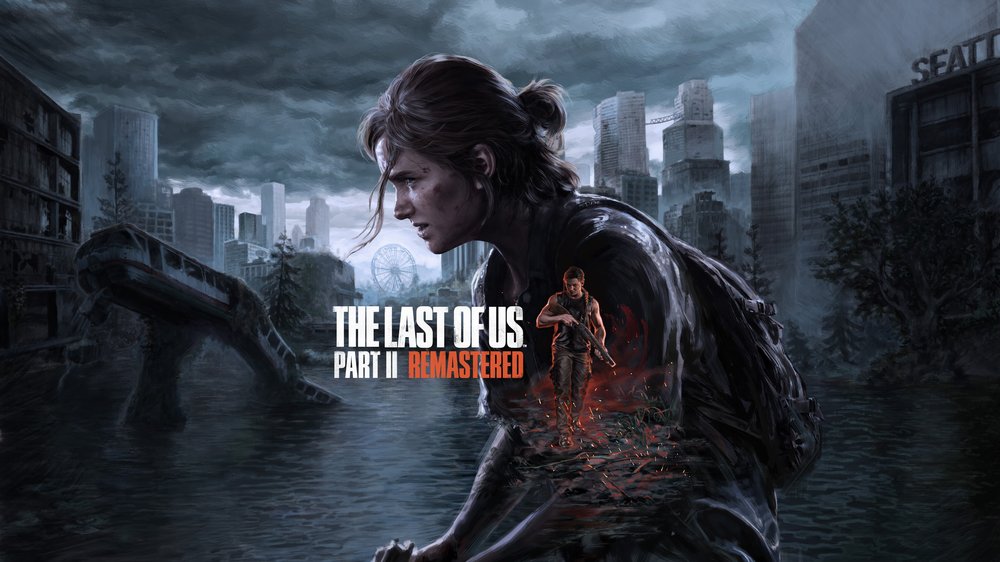
The Last of Us proves transmedia triumphs through smart evolution. Changes like Kansas City innovate without betraying Joel and Ellie’s bond, while expansions like Bill/Frank enrich the apocalypse. Play the remastered Part I, binge the show, then gear up for Season 2’s Part II drama. Which difference shocked you most? The verdict: Both are masterpieces, forever intertwined in cordyceps-ravaged glory.
(Word count: 1,025)