
Understanding Blockchain Technology Beyond Cryptocurrency: Real-World Applications and Future Potential
Blockchain technology has often been synonymous with cryptocurrencies like Bitcoin and Ethereum, but its potential extends far beyond digital currencies. At its core, blockchain is a decentralized, immutable ledger that records transactions across a network of computers. This innovative system ensures transparency, security, and efficiency without the need for intermediaries. In this comprehensive guide, we explore blockchain technology beyond cryptocurrency, delving into its diverse applications across industries, real-world use cases, and the transformative impact it promises for the future.
What is Blockchain Technology?
Feature Video
Blockchain is essentially a distributed database that maintains a continuously growing list of records called blocks. Each block contains a cryptographic hash of the previous block, a timestamp, and transaction data, forming a chain that is nearly impossible to alter retroactively. Unlike traditional databases controlled by a single entity, blockchain operates on a peer-to-peer network where consensus mechanisms like Proof of Work (PoW) or Proof of Stake (PoS) validate transactions.
The technology’s key features include decentralization, immutability, transparency, and smart contracts—self-executing agreements with predefined rules coded into the blockchain. While cryptocurrencies popularized blockchain, its applications in non-financial sectors are gaining traction. According to a 2023 Gartner report, blockchain could add $3.1 trillion in business value by 2030, with 20% of enterprises adopting it beyond crypto.
Blockchain in Supply Chain Management
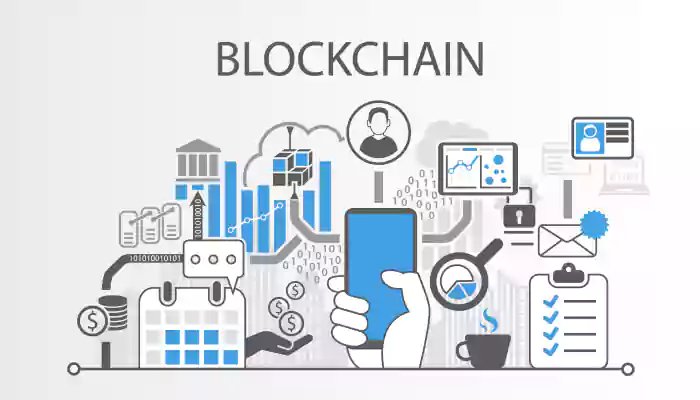
One of the most promising areas for blockchain beyond cryptocurrency is supply chain management. Traditional supply chains are plagued by opacity, fraud, and inefficiencies. Blockchain provides end-to-end visibility by recording every step—from raw material sourcing to final delivery—on an immutable ledger.
For instance, IBM’s Food Trust platform uses blockchain to track food products. Walmart implemented it to trace mangoes from farm to store in seconds, reducing recall times from days to minutes. Luxury brands like LVMH leverage Aura Blockchain Consortium to verify product authenticity, combating counterfeits worth $500 billion annually.
This transparency builds consumer trust, optimizes logistics, and ensures compliance with regulations like the EU’s Green Deal. By integrating IoT sensors with blockchain, companies achieve real-time tracking, predictive analytics, and automated payments, slashing costs by up to 30% as per Deloitte studies.
Revolutionizing Healthcare with Blockchain
In healthcare, patient data privacy and interoperability are major challenges. Blockchain offers secure, patient-centric solutions. Electronic health records (EHRs) stored on blockchain allow patients to control access via private keys, ensuring HIPAA compliance and preventing breaches that cost $10 million on average per incident.
Projects like MedRec from MIT enable seamless data sharing among providers while maintaining ownership with patients. Pharmaceutical supply chains benefit too; blockchain tracks drug provenance, fighting the $200 billion counterfeit medicine market. Clinical trials gain integrity as trial data becomes tamper-proof, accelerating approvals.
During the COVID-19 pandemic, blockchain facilitated vaccine passport systems and donation tracking. Future applications include genomic data marketplaces, where individuals monetize their DNA securely, fostering personalized medicine advancements.
Blockchain for Secure Voting and Governance
Electoral fraud undermines democracy, but blockchain-powered voting systems promise tamper-proof elections. By recording votes on a public ledger, results are verifiable without revealing voter identities through zero-knowledge proofs.
Countries like Estonia explore blockchain for e-governance, while Voatz app was piloted in U.S. elections. Sierra Leone tested it in 2018, demonstrating scalability. Beyond voting, blockchain enhances public records, land registries, and transparent aid distribution—reducing corruption in developing nations.
Smart cities benefit from blockchain in traffic management, energy grids, and citizen services. Dubai aims for 100% government transactions on blockchain by 2025, exemplifying efficient governance.
Transforming Real Estate and Property Rights

Real estate transactions are slow, costly, and fraud-prone due to paperwork and intermediaries. Blockchain tokenizes properties as digital assets, enabling fractional ownership and instant settlements via smart contracts.
Platforms like Propy facilitate borderless deals, reducing closing times from months to days. In emerging markets, blockchain secures land titles; Sweden’s Lantmäteriet pilots it to eliminate disputes costing billions. NFTs extend to real estate, representing ownership deeds verifiably.
This democratizes investment—retail investors buy shares in high-value properties—and integrates with DeFi for mortgages without banks, potentially disrupting a $280 trillion industry.
Blockchain in Finance: Beyond Crypto Hype
While crypto dominates headlines, blockchain reshapes traditional finance (TradFi). Cross-border payments via Ripple’s XRP Ledger settle in seconds for pennies, versus SWIFT’s days and fees. Central Bank Digital Currencies (CBDCs) like China’s digital yuan use blockchain for monetary policy.
KYC/AML processes streamline with shared blockchain ledgers, cutting compliance costs. Trade finance, a $15 trillion market, benefits from instant verification, as seen in we.trade consortium. Insurance uses parametric policies triggered automatically by oracle data.
These applications highlight blockchain’s role in inclusive finance, serving the 1.7 billion unbanked via mobile wallets.
Intellectual Property and Digital Rights Management

Creators struggle with piracy and royalties. Blockchain registers IP immutably, proving ownership timestamps. Platforms like Mycelia for music ensure fair payouts via smart contracts.
In art, NFTs (despite market volatility) prove provenance; Beeple’s $69 million sale showcased this. Publishing benefits from micro-payments for content, bypassing intermediaries.
Challenges and Limitations of Blockchain Adoption
Despite promise, hurdles remain. Scalability issues plague networks like Ethereum (15 TPS vs. Visa’s 24,000). Energy consumption in PoW raises ESG concerns, though PoS alternatives like Ethereum 2.0 mitigate this.
Regulatory uncertainty varies—EU’s MiCA provides clarity, while U.S. lags. Interoperability between chains and quantum computing threats require ongoing innovation. Adoption demands education and infrastructure, especially in legacy systems.
The Future of Blockchain Technology
Layer 2 solutions like Polygon and interoperability protocols like Polkadot address scalability. Integration with AI, 5G, and metaverses unlocks Web3. Enterprise blockchains (Hyperledger, Corda) gain enterprise trust.
By 2030, PwC predicts 10% of global GDP on blockchain. Sustainability-focused green blockchains and DAOs for decentralized organizations signal evolution. Governments and corporations investing billions indicate maturity beyond crypto speculation.
In conclusion, understanding blockchain technology beyond cryptocurrency reveals a versatile tool for trustless systems. From supply chains to voting, its applications foster efficiency, equity, and innovation. As barriers fall, blockchain will underpin the digital economy, empowering individuals and reshaping industries. Stay ahead by exploring these trends— the blockchain revolution is just beginning.
(Word count: 1,248)