
Deadpool & Wolverine Shatters R-Rated Box Office Records
The superhero genre has long dominated Hollywood box offices, but few films have matched the explosive impact of Deadpool & Wolverine. Released in July 2024, this Marvel Studios powerhouse starring Ryan Reynolds and Hugh Jackman didn’t just break records—it obliterated them, particularly in the R-rated category. Achieving the highest opening weekend for any R-rated film ever, it redefined what’s possible for mature-audience blockbusters.
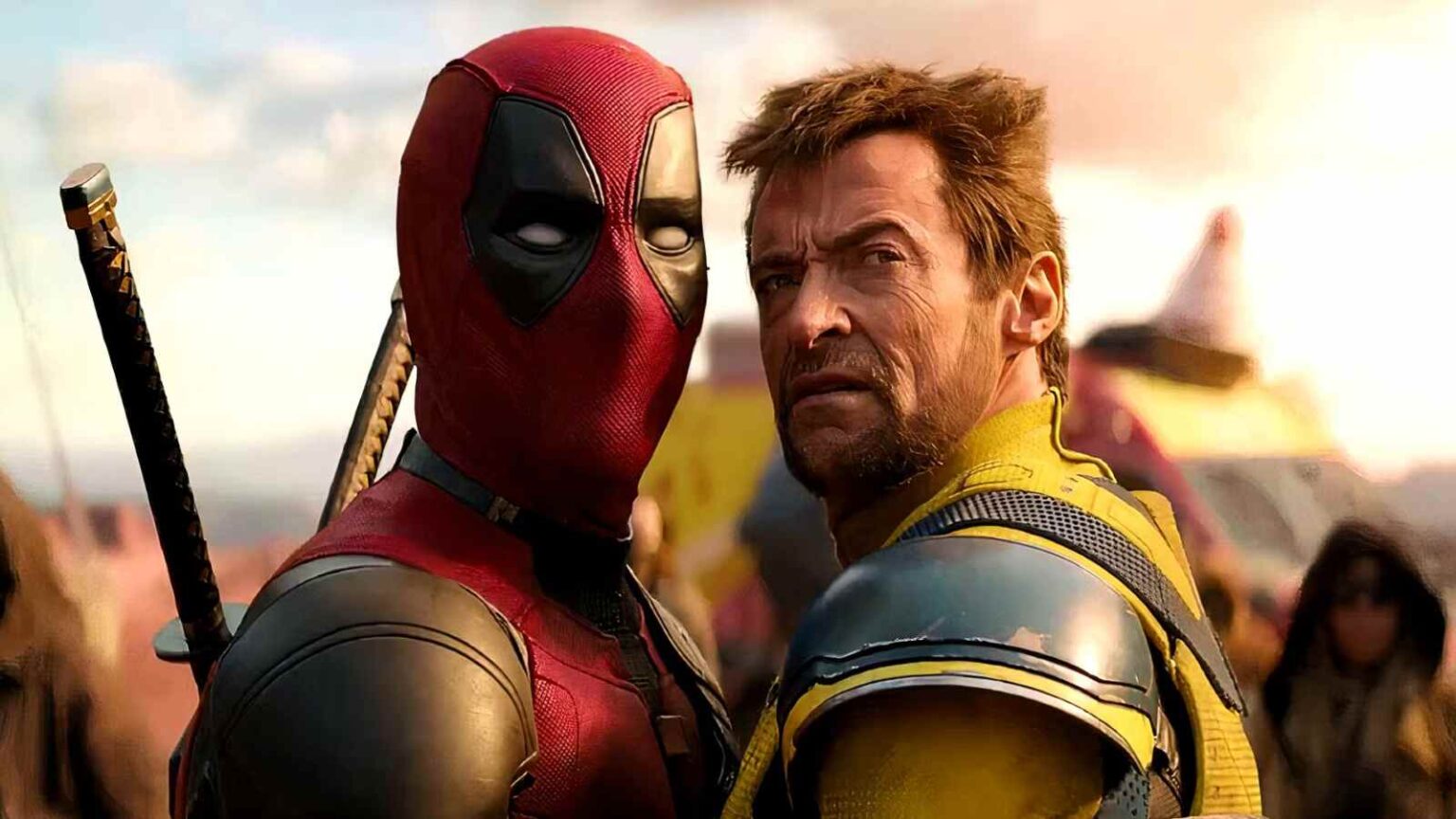
Record-Breaking Opening Weekend
Deadpool & Wolverine stormed into theaters with a staggering $211 million domestic opening weekend, surpassing the previous R-rated record held by Deadpool 2’s $125 million from 2018. Globally, it raked in over $438 million in its debut frame, marking the biggest opening for any R-rated movie worldwide. This performance placed it among the top five biggest openings of all time, regardless of rating, and solidified its status as a box office juggernaut.
Directed by Shawn Levy, the film benefited from pent-up demand post-pandemic and the long-awaited team-up of Deadpool’s irreverent anti-hero with Wolverine’s grizzled mutant icon. Advance ticket sales shattered records on platforms like Fandango, with presales doubling those of recent Marvel hits. Theaters reported near-capacity crowds, especially for premium formats like IMAX and 4DX, contributing to its phenomenal start.
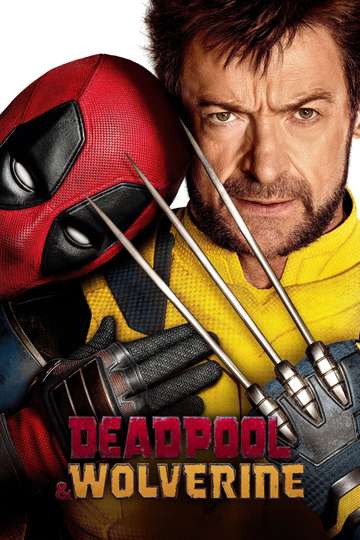
Surpassing Legendary R-Rated Milestones
Beyond the opening, Deadpool & Wolverine quickly climbed to become the highest-grossing R-rated film of all time. It eclipsed Joker’s $1.079 billion worldwide total from 2019, reaching over $1.3 billion by late August 2024. Domestically, it crossed $600 million, outpacing Logan’s $226 million and positioning itself as a rare R-rated entry in the billion-dollar club.
Other milestones include the best second-weekend hold for an R-rated film, dropping just 53.8% from its debut—a testament to strong word-of-mouth. It also claimed the record for the highest-grossing August release ever, both domestically and globally, proving that summer superhero spectacles can thrive even in the traditionally slower late-summer slot.
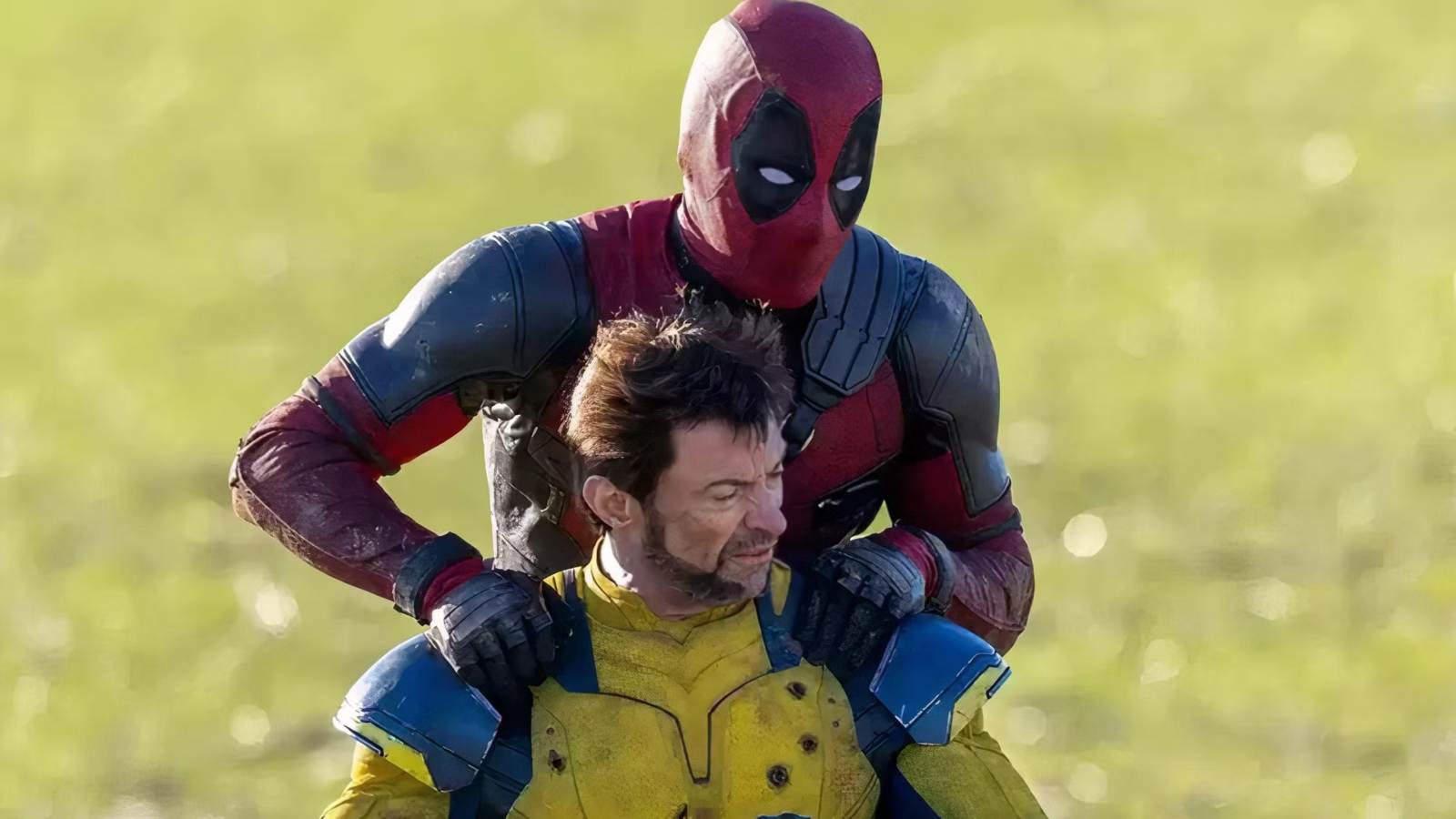
Comparisons with Previous R-Rated Blockbusters
To appreciate the feat, consider the competition. Deadpool (2016) opened to $132.4 million and grossed $783 million worldwide, a massive win for Fox’s Marvel properties. Its sequel improved on that domestically but fell short globally. Logan (2017), with $226 million domestic, was a critical darling but lacked the broad appeal of Reynolds’ Merc with a Mouth.
Joker, DC’s outlier, relied on awards buzz and cultural phenomenon status to hit $1 billion, yet it opened softer at $96.2 million. Deadpool & Wolverine not only beat these but did so amid MCU fatigue concerns, post-Endgame. Its $200 million production budget (excluding marketing) yielded massive returns, with studios projecting profits exceeding $500 million.
Factors Fueling the Box Office Explosion
Several elements converged to propel Deadpool & Wolverine to these heights. Ryan Reynolds’ meta-humor and fourth-wall breaks, combined with Hugh Jackman’s return as Wolverine after Logan, created irresistible hype. The film’s placement in the MCU, following Disney’s acquisition of Fox, introduced multiverse cameos that thrilled fans without alienating newcomers.
Marketing was masterful: Super Bowl trailers, viral TikTok campaigns, and Reynolds’ social media savvy generated billions of impressions. The R-rating allowed unfiltered violence, profanity, and adult themes, appealing to a 25-44 demographic underserved by PG-13 fare. Post-strike release timing avoided delays, and a lack of direct competition in its window maximized screens.
Moreover, premium screenings drove revenue—IMAX alone contributed $38 million domestically in the opening weekend, a record for R-rated films. Global markets, especially in China (despite restrictions) and Europe, embraced the duo’s chaotic energy, pushing international grosses past $700 million.
Audience and Critical Reception Driving Legs
Audiences flocked in droves, awarding an A CinemaScore—the first R-rated Marvel film to do so—and a 95% audience score on Rotten Tomatoes. Critics praised its self-aware comedy and heartfelt bromance, landing an 80% Certified Fresh rating. This positivity fueled repeat viewings and longevity, with the film holding top spots for five weeks.
Demographics were broad: 60% male, but strong female turnout thanks to cameos and humor. Families even attended sneak peeks, drawn by the stars’ chemistry. Social media buzz, from memes to fan art, extended its cultural footprint, rivaling Barbenheimer in online dominance.
Implications for Marvel and R-Rated Future
The triumph signals a renaissance for R-rated superhero films. Marvel, facing softer performances from The Marvels and Ant-Man 3, now eyes more mature entries. Kevin Feige hinted at expanded Deadpool arcs, potentially in Avengers: Secret Wars. For the industry, it proves R-rated can be commercially viable, challenging studios to balance spectacle with edge.
Box office analysts predict Deadpool & Wolverine will end its run above $1.3 billion, cementing its legacy. It boosts Disney’s 2024 slate, offsetting underperformers, and revives faith in theatrical releases amid streaming wars. As theaters recover, this film exemplifies how star power, timing, and uncompromised vision shatter expectations.
In summary, Deadpool & Wolverine’s record-shattering run isn’t just a win for Reynolds and Jackman—it’s a blueprint for future blockbusters. By blending irreverence with blockbuster scale, it reminded audiences why they love movies: for the chaos, the laughs, and the unforgettable moments that demand to be seen on the big screen.