
Mastering Time Management: The Eisenhower Matrix Explained
What is the Eisenhower Matrix?
Feature Video
In today’s fast-paced world, mastering time management is essential for personal and professional success. The Eisenhower Matrix, also known as the Urgent-Important Matrix, is a powerful time management tool that helps individuals prioritize tasks effectively. Named after Dwight D. Eisenhower, the 34th President of the United States and a five-star general during World War II, this framework categorizes tasks into four quadrants based on urgency and importance. By using the Eisenhower Matrix, you can focus on what truly matters, eliminate distractions, and boost productivity.
The core principle of the Eisenhower Matrix is simple yet profound: not all tasks are created equal. Eisenhower famously said, “What is important is seldom urgent and what is urgent is seldom important.” This quote encapsulates the matrix’s philosophy, encouraging users to distinguish between tasks that demand immediate attention and those that contribute to long-term goals. Whether you’re a busy executive, a student, or an entrepreneur, understanding and applying the Eisenhower Matrix can transform how you manage your time.
The History and Origin of the Eisenhower Matrix
Dwight D. Eisenhower’s leadership during critical historical moments demonstrated his exceptional ability to prioritize. As Supreme Commander of the Allied Expeditionary Force, he orchestrated the D-Day invasion, balancing urgent military decisions with strategic long-term planning. Later, as president, he navigated complex geopolitical issues while maintaining domestic focus. It was Stephen Covey who popularized the matrix in his bestselling book “The 7 Habits of Highly Effective People,” attributing it to Eisenhower’s methods.
Though not invented by Eisenhower himself, the matrix draws directly from his decision-making approach. Covey’s adaptation made it accessible, turning a military strategy into a universal productivity tool. Today, it’s widely taught in business schools, leadership workshops, and personal development courses, proving its timeless relevance in mastering time management.
How the Eisenhower Matrix Works: Breaking Down the Four Quadrants
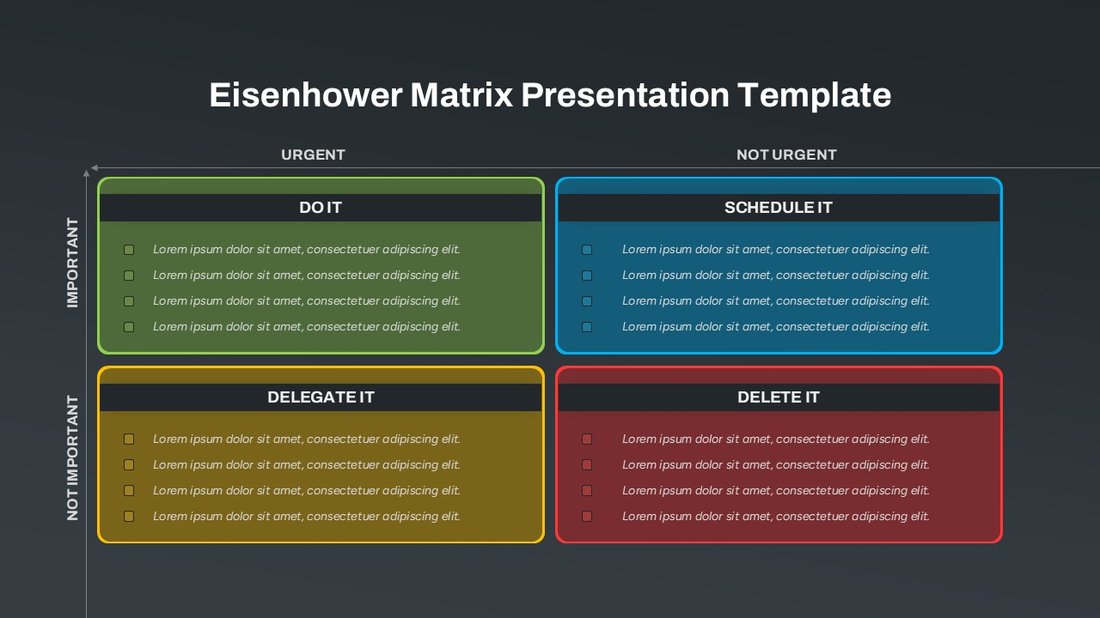
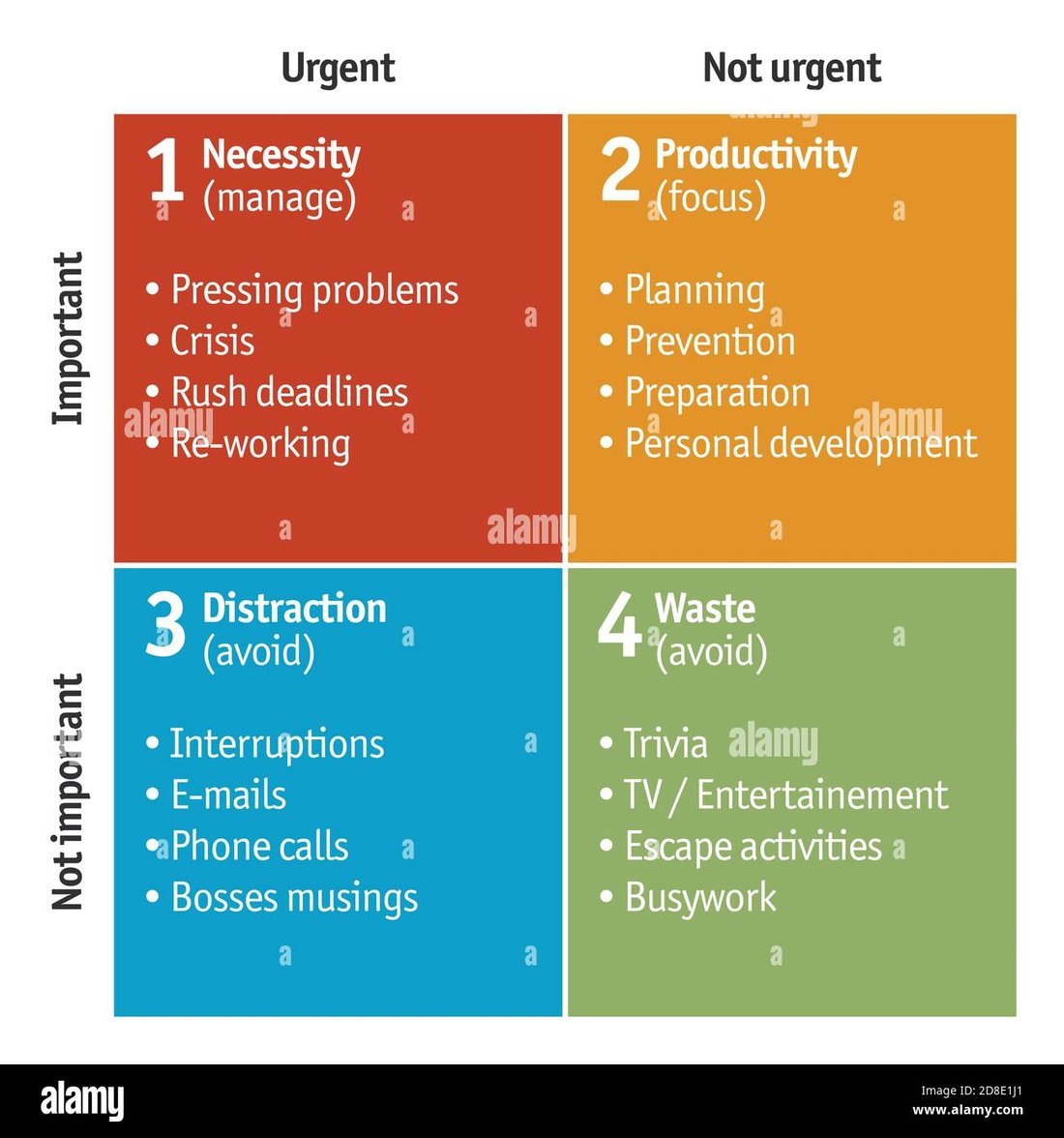
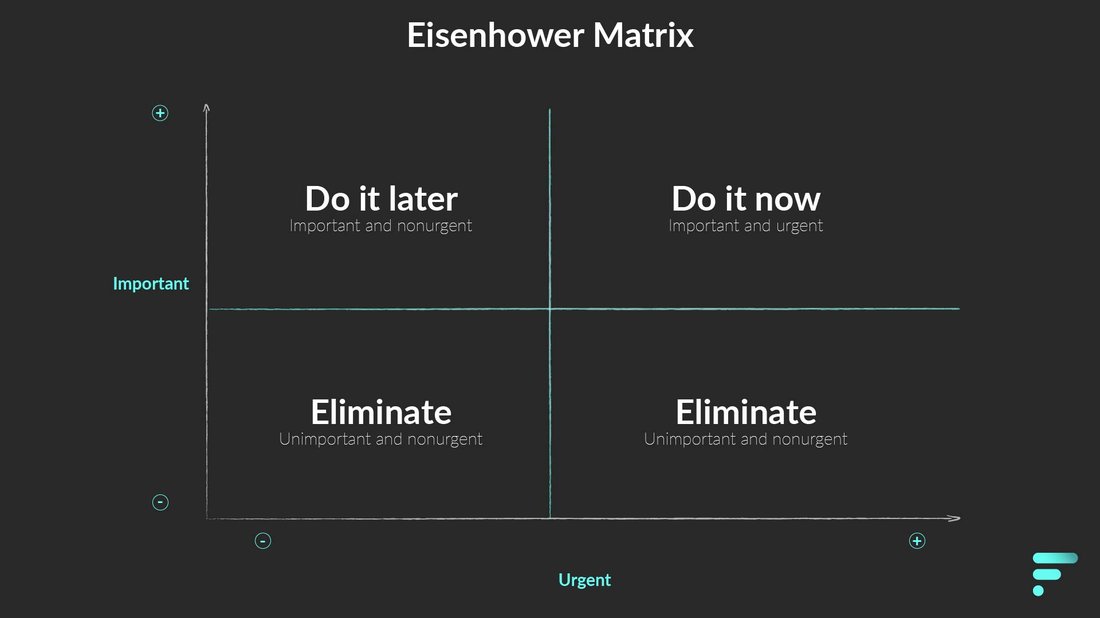
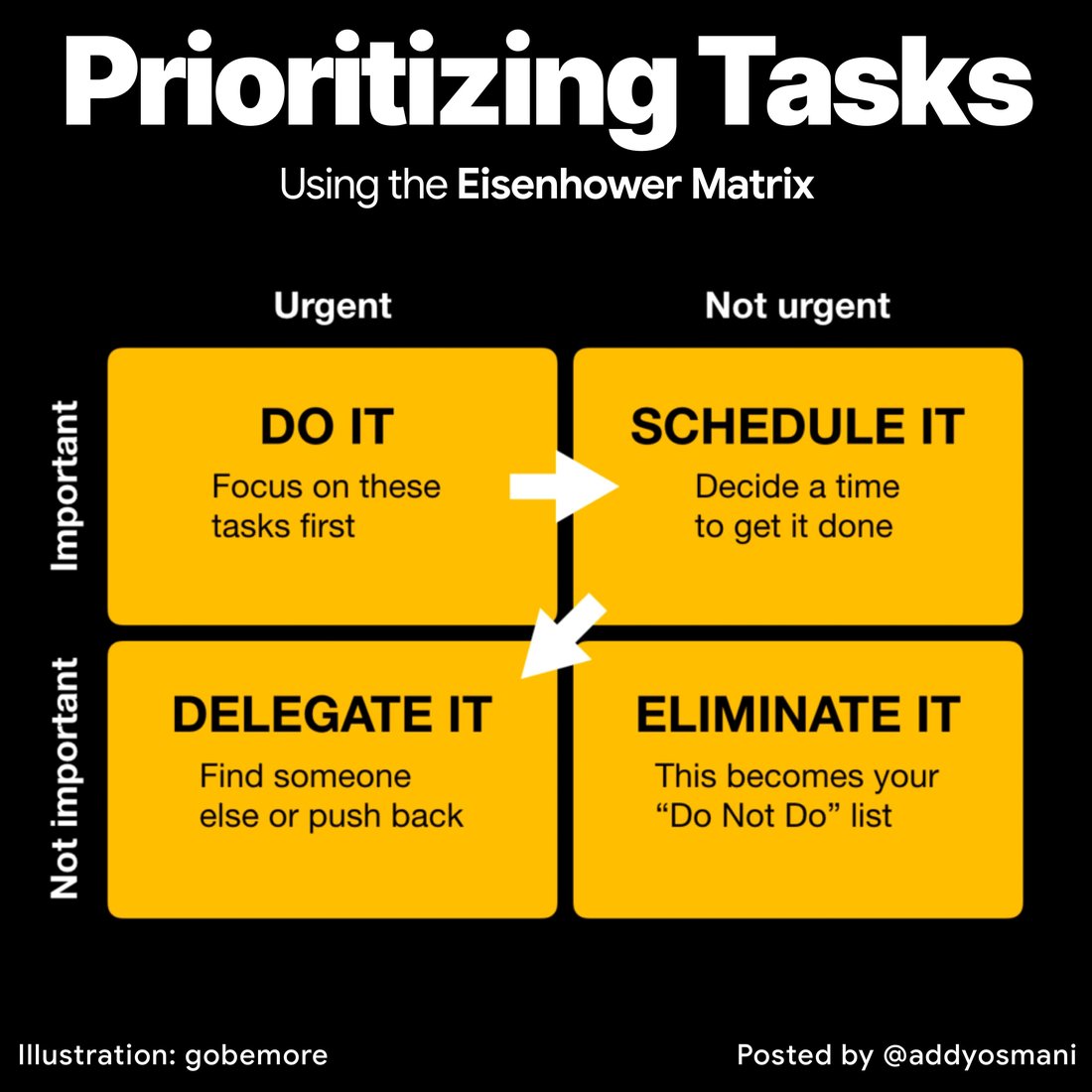
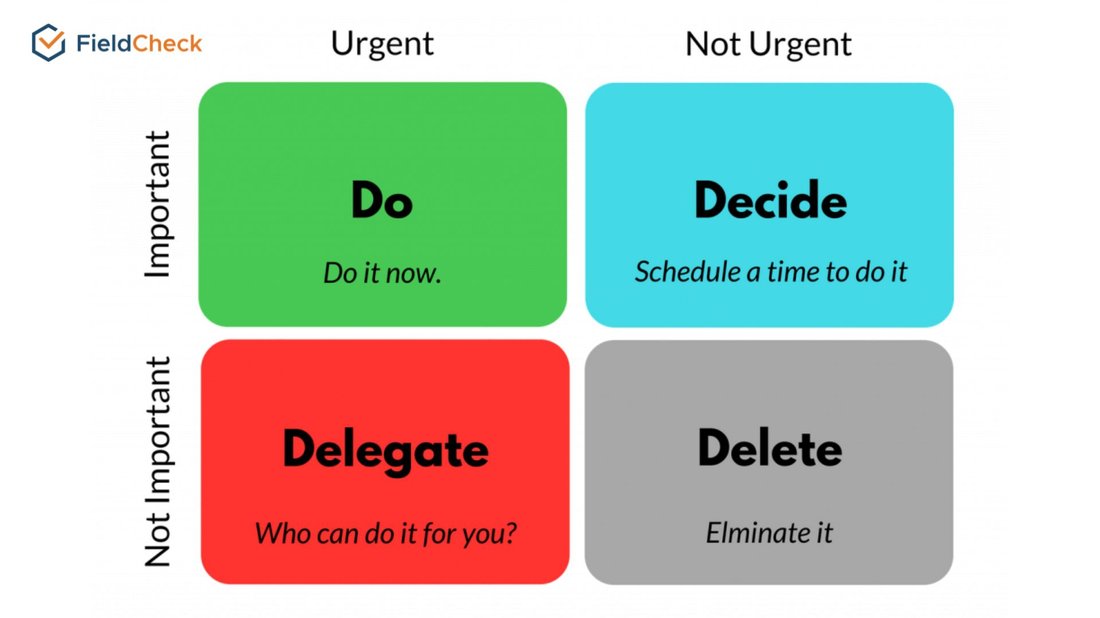
The Eisenhower Matrix is visualized as a 2×2 grid. The vertical axis represents “Importance,” and the horizontal axis represents “Urgency.” This creates four quadrants:
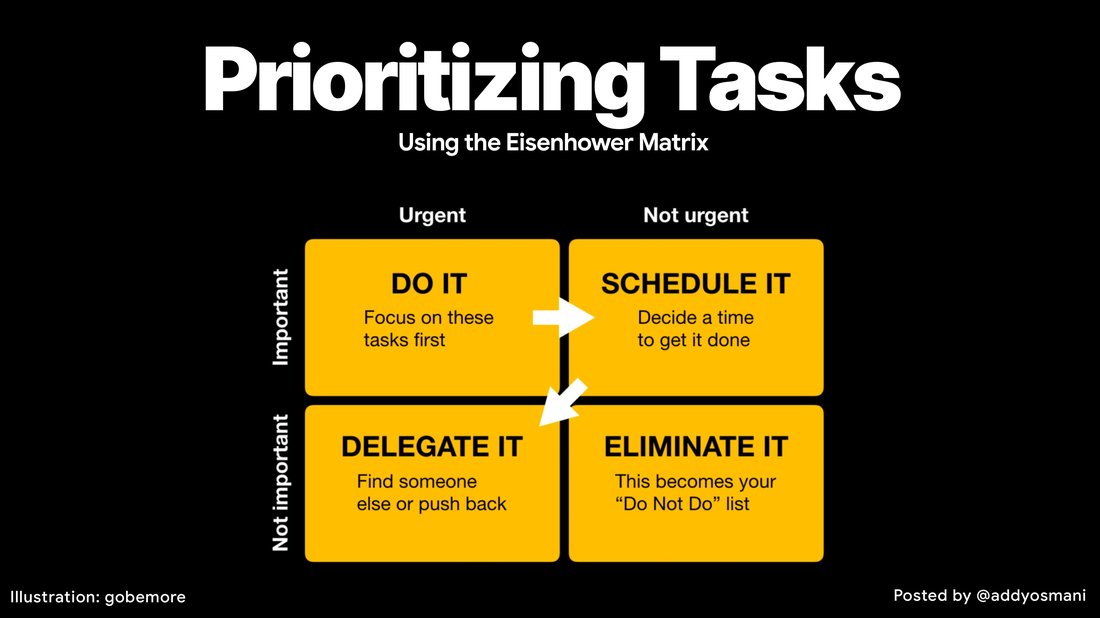
Quadrant 1: Urgent and Important (Do First) These are crises or deadlines that require immediate action and align with your goals. Examples include pressing client issues or health emergencies. Handle these right away to prevent escalation.
Quadrant 2: Important but Not Urgent (Schedule) This is the “sweet spot” for productivity. Activities like strategic planning, exercise, skill-building, or relationship nurturing fall here. They prevent future crises and drive long-term success. Dedicate prime time slots to these tasks.
Quadrant 3: Urgent but Not Important (Delegate) These are interruptions like unnecessary meetings or others’ minor requests. They demand attention but don’t advance your objectives. Delegate them to free up your time.
Quadrant 4: Neither Urgent nor Important (Delete) Time-wasters like mindless scrolling or trivial emails. Eliminate these to reclaim hours for high-value activities.
By plotting tasks on this matrix daily or weekly, you gain clarity and reduce overwhelm. Tools like spreadsheets, apps (e.g., Todoist, Eisenhower app), or even paper can help visualize it.
Step-by-Step Guide: How to Use the Eisenhower Matrix Effectively
Implementing the Eisenhower Matrix starts with listing all your tasks. Then, assess each one:
- List Tasks: Brainstorm everything on your plate, from emails to projects.
- Evaluate Urgency: Does it need immediate action? (Yes/No)
- Evaluate Importance: Does it align with long-term goals? (Yes/No)
- Assign to Quadrant: Place accordingly.
- Act Accordingly: Do Q1, schedule Q2, delegate Q3, delete Q4.
- Review Regularly: Reassess weekly as priorities shift.
For example, preparing a quarterly report is Q2 (schedule it). A sudden server crash is Q1 (do first). Responding to non-critical colleague emails is Q3 (delegate). Checking social media notifications is Q4 (delete).
To enhance SEO for your productivity journey, integrate keywords like “Eisenhower Matrix template” into your practice. Free downloadable templates abound online, making it easy to start.
Benefits of Mastering the Eisenhower Matrix for Time Management
Adopting this matrix yields numerous advantages. First, it slashes procrastination by clarifying priorities, reducing decision fatigue. Studies from the American Psychological Association show that prioritization tools like this improve focus and lower stress levels by 20-30%.
Second, it fosters work-life balance. By emphasizing Q2 activities, you invest in health and relationships, preventing burnout. Third, it boosts efficiency; teams using similar frameworks report 25% higher output, per Harvard Business Review insights.
Professionally, leaders like Elon Musk and Tim Ferriss advocate matrix-like systems for scaling operations. Personally, users report reclaiming 10+ hours weekly from low-value tasks. In a world of constant notifications, the Eisenhower Matrix is your shield against distraction.
Real-World Examples of the Eisenhower Matrix in Action
Consider Sarah, a marketing manager overwhelmed by emails, meetings, and campaigns. Using the matrix:
- Q1: Fix a broken ad campaign (do immediately).
- Q2: Develop a content strategy (schedule mornings).
- Q3: Colleague’s routine queries (delegate to assistant).
- Q4: Browse industry news (limit to 15 minutes daily).
Result? She launched her best campaign yet, with time for family. Entrepreneurs use it for scaling: Q2 for networking and learning, avoiding Q4 pitfalls like excessive admin.
In education, students prioritize studying (Q2) over last-minute cramming (Q1), leading to better retention and grades.
Common Mistakes and How to Avoid Them When Using the Eisenhower Matrix
Even powerful tools have pitfalls. Mistake #1: Misclassifying tasks. Solution: Define “important” by your values and goals upfront. Mistake #2: Neglecting Q2. Many live in Q1 firefighting; counter by blocking calendar time for Q2.
Mistake #3: Overloading the matrix. Limit to 5-10 key tasks daily. Mistake #4: Ignoring delegation. Build a network or use virtual assistants. Finally, rigidity—adapt as circumstances change.
Tools and Apps to Supercharge Your Eisenhower Matrix Practice
Digital aids amplify the matrix. Apps like Eisenhower.me offer drag-and-drop interfaces. Trello or Notion boards visualize quadrants. RescueTime tracks time spent, aiding classification. For teams, Asana integrates prioritization.
Combine with Pomodoro timers for Q1/Q2 execution. Google Sheets templates are free and customizable, SEO-optimized searches yield plenty.
Advanced Tips for Long-Term Mastery of Time Management with the Eisenhower Matrix
Level up by reviewing weekly: What filled Q1? Adjust to minimize it via Q2 prevention. Pair with OKRs for goal alignment. Teach it to your team for collective gains.
Mindfulness apps like Headspace enhance discernment between urgent/important. Track progress with journals: “How did the matrix impact my week?” Over time, it becomes intuitive, embedding Eisenhower’s wisdom into your habits.
Conclusion: Unlock Your Potential with the Eisenhower Matrix
Mastering time management through the Eisenhower Matrix isn’t just a technique—it’s a mindset shift. By prioritizing importance over urgency, you reclaim control, achieve more with less stress, and pursue what matters. Start today: Grab a template, list your tasks, and plot them. Consistent use promises transformed productivity.
In an era of infinite distractions, the Eisenhower Matrix stands as a beacon. Embrace it, and watch your effectiveness soar. For more on “Eisenhower Matrix explained” and time management strategies, explore related resources. Your future self will thank you.
(Word count: 1217)