
The Truth About Barefoot Shoes and Your Foot Health: Myths, Benefits, and Science-Backed Facts
What Are Barefoot Shoes and Why the Hype?
Feature Video
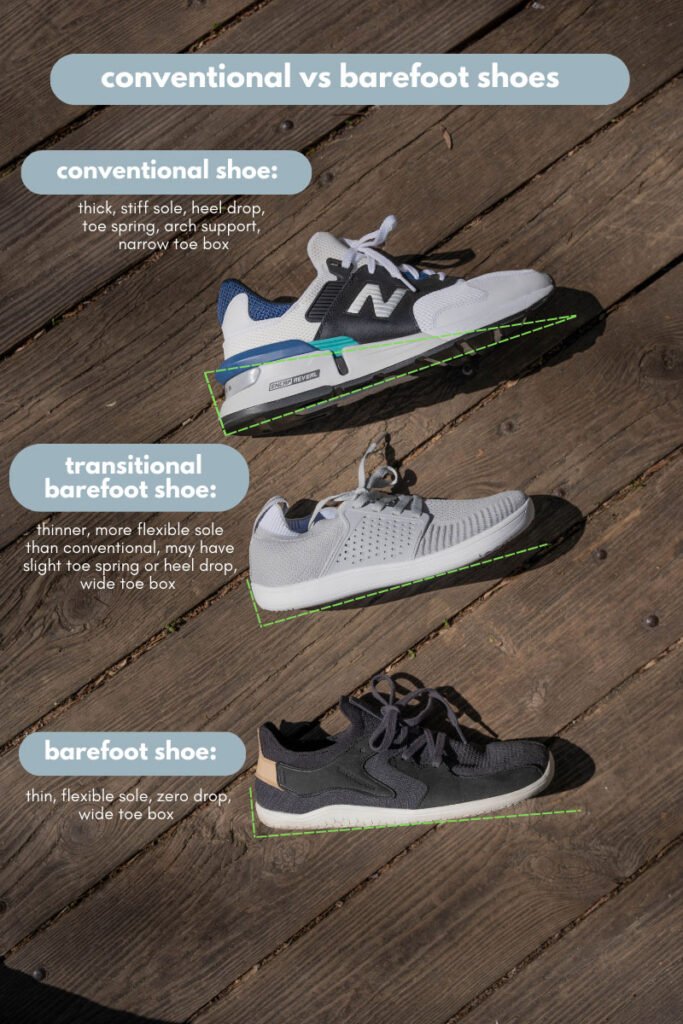
Barefoot shoes, also known as minimalist shoes, have surged in popularity over the past decade. These innovative footgear mimic the experience of walking barefoot while providing minimal protection from the ground. Unlike traditional cushioned sneakers with arch support and thick soles, barefoot shoes feature zero-drop heels (flat from heel to toe), wide toe boxes, and flexible, thin soles—typically 3-10mm thick. Brands like Vivobarefoot, Xero Shoes, and Altra have led the charge, promising transformative benefits for foot health.
The hype stems from a growing awareness of modern footwear’s pitfalls. Conventional shoes often weaken foot muscles, alter gait, and contribute to issues like plantar fasciitis, bunions, and knee pain. Proponents argue barefoot shoes restore natural foot function, but is this “truth” or marketing? This article dives deep into the science, myths, and realities to help you decide if barefoot shoes are right for your foot health.
The Anatomy of Healthy Feet: Nature’s Design
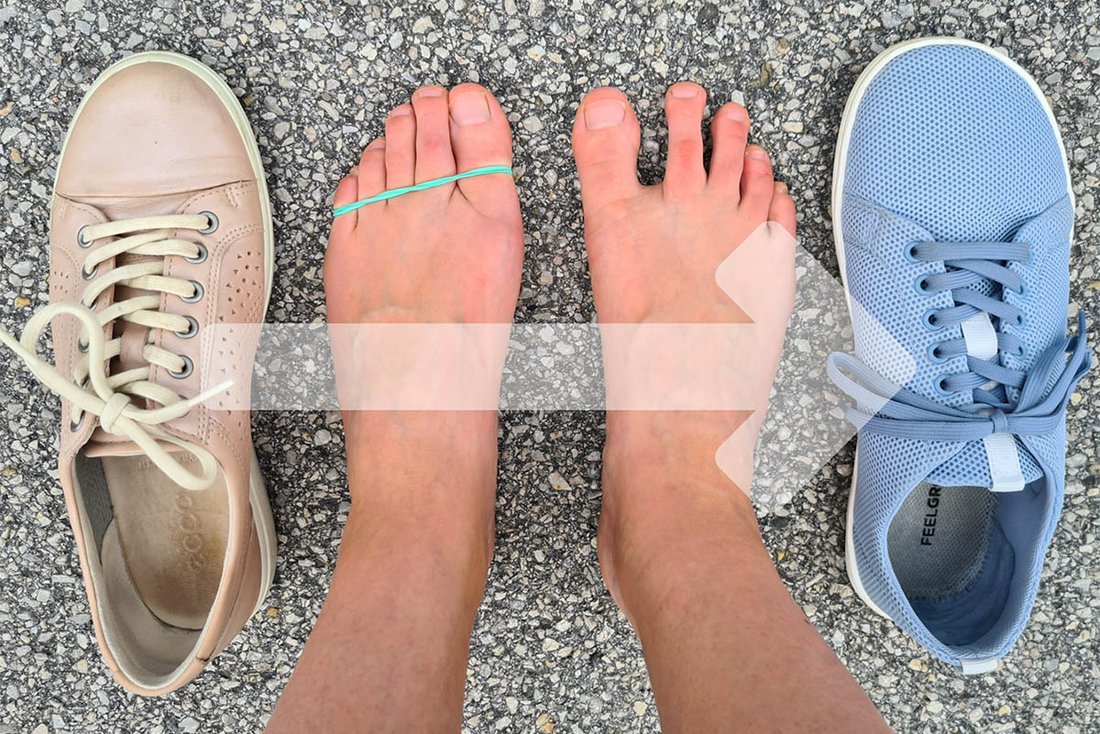
Human feet are engineering marvels with 26 bones, 33 joints, and over 100 muscles, tendons, and ligaments. Evolutionarily, our ancestors thrived barefoot or in minimal sandals, developing strong arches, flexible toes, and shock-absorbing capabilities. Fast-forward to today: narrow, elevated-heel shoes cram toes into unnatural positions, leading to weakened intrinsic foot muscles and poor proprioception (body position awareness).
Studies, like those from Harvard’s Skeletal Biology Lab, show habitually shod (shoe-wearing) feet are narrower and less muscular than habitually barefoot ones. Barefoot shoes aim to counteract this by allowing toes to splay naturally, promoting a forefoot or midfoot strike instead of the heel-striking common in cushioned shoes. This shift reduces impact forces by up to 50%, per research in the Journal of Biomechanics.
Key Benefits of Barefoot Shoes for Foot Health
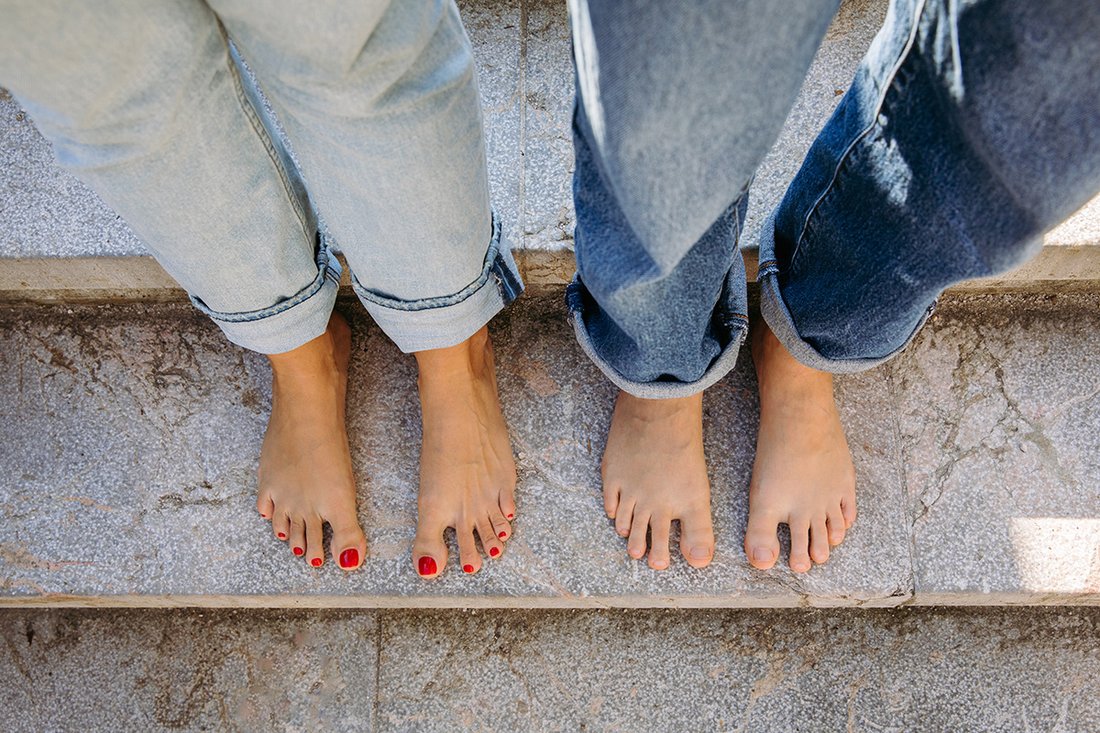
Strengthened Foot Muscles: The thin sole forces feet to work harder, building strength in the arches and toes. A 2018 study in Footwear Science found minimalist shoe wearers gained 10-20% more foot muscle volume after 6 months, improving balance and reducing injury risk.
Improved Posture and Gait: Zero-drop design aligns the body naturally, easing strain on ankles, knees, and hips. Runners using barefoot-style shoes report fewer shin splints and IT band issues, according to a British Journal of Sports Medicine review.
Better Circulation and Sensory Feedback: Flexible soles enhance ground feel (proprioception), sharpening reflexes and stability. This is especially beneficial for children, whose feet are still developing—pediatric experts recommend wide, flexible shoes to prevent deformities.
Long-Term Health Gains: Anecdotal evidence and emerging research link barefoot shoe adoption to resolved flat feet, reduced bunions, and even better athletic performance. A 2022 meta-analysis in Sports Medicine confirmed lower injury rates in minimalist runners after proper adaptation.
The Science Behind Barefoot Shoes: What Studies Say
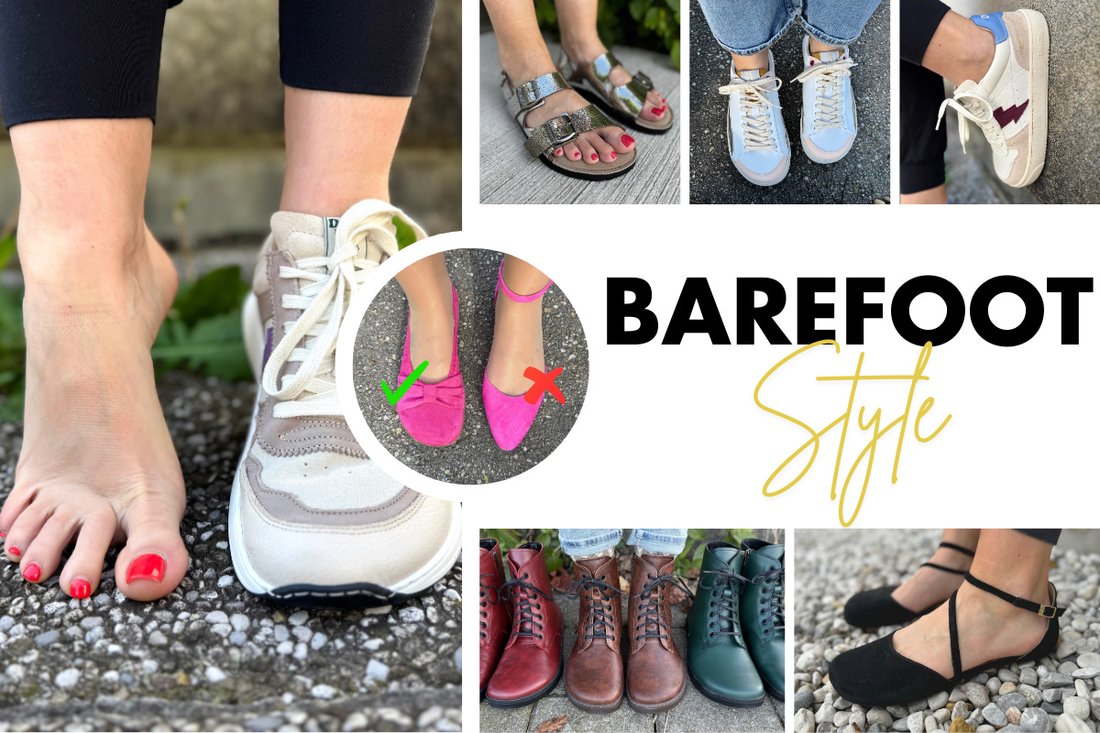
While enthusiasm is high, barefoot shoes aren’t a panacea. Rigorous research is mixed but promising. The landmark 2013 study by Lieberman et al. in Nature compared Tarahumara runners (minimalist footwear) to U.S. runners, finding the former had stronger feet and efficient gaits.
A 2020 randomized controlled trial in the Journal of Orthopaedic & Sports Physical Therapy involved 50 adults transitioning to barefoot shoes. After 12 weeks, participants showed improved foot strength, ankle stability, and reduced foot pain scores. However, the study emphasized gradual transition to avoid injuries.
Critics point to risks for certain populations. A Scandinavian Journal of Medicine & Science in Sports review noted higher stress fracture rates in rapid adopters, particularly those with prior injuries. Overall, evidence supports barefoot shoes for healthy individuals when introduced mindfully.
Myths vs. Facts: Debunking Barefoot Shoe Misconceptions
Myth 1: Barefoot Shoes Cure All Foot Problems. Fact: They strengthen feet but won’t fix structural issues like severe pronation without orthotics or therapy. Consult a podiatrist first.
Myth 2: They’re Just for Runners. Fact: Ideal for everyday wear, hiking, gym workouts, and even office settings. Models like Merrell Vapor Glove suit urban lifestyles.
Myth 3: No Cushion Means No Protection. Fact: Thin soles protect from punctures while allowing natural flex. Many include puncture-resistant layers without bulk.
Myth 4: All Barefoot Shoes Are Equal. Fact: Look for true zero-drop, wide toe boxes (measured in cm), and flexible soles. Avoid “transitional” shoes with hidden cushioning.
Potential Risks and Who Should Avoid Barefoot Shoes
Not everyone benefits equally. Risks include metatarsal stress fractures, Achilles tendon strain, and calf soreness during transition—termed “minimalist shoe adaptation syndrome.” A 2019 study in Clinical Biomechanics reported 15-20% injury rates in abrupt switchers.
Avoid if you have: rheumatoid arthritis, severe obesity (extra impact), diabetic neuropathy (reduced sensation), or recent surgeries. Older adults or those with osteoporosis may need more support. Always start slow: 5-10 minutes daily, increasing by 10% weekly.
How to Transition to Barefoot Shoes Safely
Success hinges on patience. Follow this 8-week plan:
- Weeks 1-2: Indoor walking, 10-20 mins/day. Focus on posture.
- Weeks 3-4: Short outdoor walks, add light jogging.
- Weeks 5-6: Increase duration; incorporate foot exercises like toe spreads and marble pickups.
- Weeks 7-8: Full integration; monitor for pain.
Strengthen feet with exercises: short-foot technique (arch doming), calf stretches, and balance drills on uneven surfaces. Pair with proper nutrition for bone health—vitamin D and calcium are key.
Top Barefoot Shoes for Optimal Foot Health in 2024
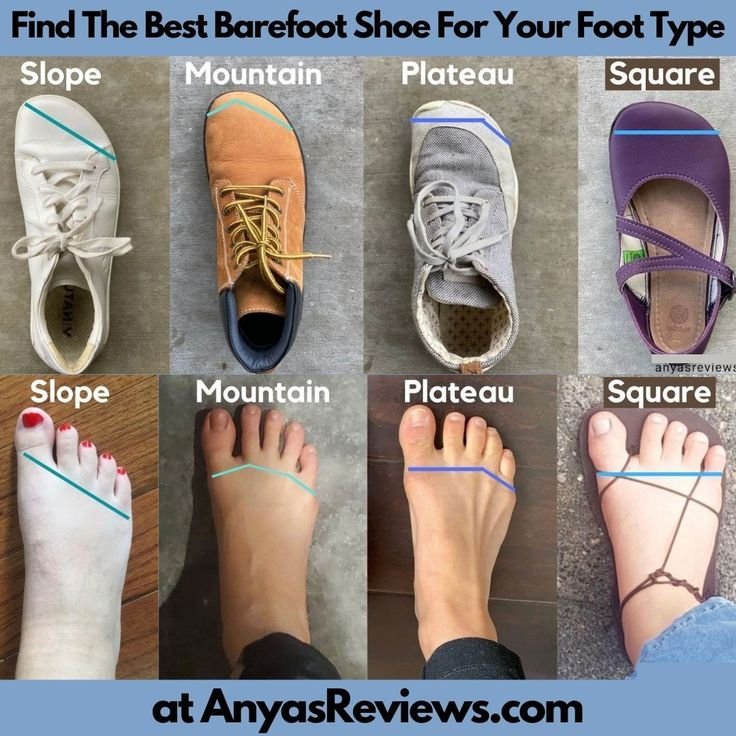
For beginners: Xero Shoes Prio (versatile, $100). Runners: Altra Escalante 3 (light cushion option). Trail: Vivobarefoot Primus Lite (grippy, durable). Kids: Wildling Shoes (play-focused). Prices range $80-$150; check sizing charts for wide fits.
SEO tip: Search “best barefoot shoes for flat feet” yields tailored reviews—read user feedback on Amazon or REI for real-world insights.
Real User Stories and Expert Opinions
Podiatrist Dr. Irene Davis (Harvard) champions barefoot shoes: “Modern shoes are like casts; minimalist ones liberate feet.” User testimonials abound: a marathoner cured chronic plantar fasciitis; a desk worker banished knee pain. However, some revert due to urban grit or cold weather—hybrids exist for versatility.
Conclusion: Are Barefoot Shoes Right for Your Foot Health?
The truth? Barefoot shoes offer legitimate benefits for foot strength, gait, and overall mobility, backed by science—but they’re not magic. Success demands gradual adoption, realistic expectations, and professional advice for pre-existing conditions. In a world of over-engineered shoes, embracing minimalism reconnects us to our feet’s natural potential.
Ready to try? Measure your feet, select quality pairs, and track progress. Your healthier feet await—step lightly into the barefoot revolution.
(Word count: 1,248)