
Why Your Current Bank Account is Losing You Money Every Year
Your hard-earned money is under silent attack. Every year, traditional bank accounts quietly erode your savings through a combination of inflation, negligible interest rates, and sneaky fees. What was once a safe haven for your cash is now a financial black hole, costing you hundreds—if not thousands—of dollars annually. In this comprehensive guide, we’ll uncover why your current bank account is losing you money every year and reveal actionable steps to turn the tide. Whether you’re stashing cash in a standard checking or low-yield savings account, it’s time to wake up to the hidden costs and explore high-yield alternatives that actually grow your wealth.
The Inflation Trap: Your Money’s Silent Killer
Feature Video
Inflation is the number one reason your bank account is bleeding money. Simply put, inflation measures the rate at which the general level of prices for goods and services rises, eroding purchasing power. In recent years, U.S. inflation has hovered between 3% and 9%, far outpacing the interest earned on most traditional savings accounts, which often pay less than 0.5% APY (Annual Percentage Yield).
Let’s crunch the numbers. Suppose you have $10,000 in a standard savings account earning 0.01% interest. After one year, you’ll earn a measly $1 in interest. But with 4% inflation, your money’s real value drops by $400. That’s a net loss of $399. Over five years, this compounds to over $2,000 gone—poof. This phenomenon, known as the “inflation tax,” affects everyone from young savers building emergency funds to retirees relying on fixed incomes.
Why does this happen? Central banks like the Federal Reserve raise interest rates to combat inflation, but big banks lag behind, keeping consumer rates low to maximize their profit margins. Your money isn’t working for you; it’s subsidizing the bank’s lavish bonuses and operations. According to the FDIC, the national average savings rate as of 2023 remains under 0.5%, while inflation-adjusted returns are deeply negative.
Abysmal Interest Rates: Earning Pennies While Banks Profit Billions
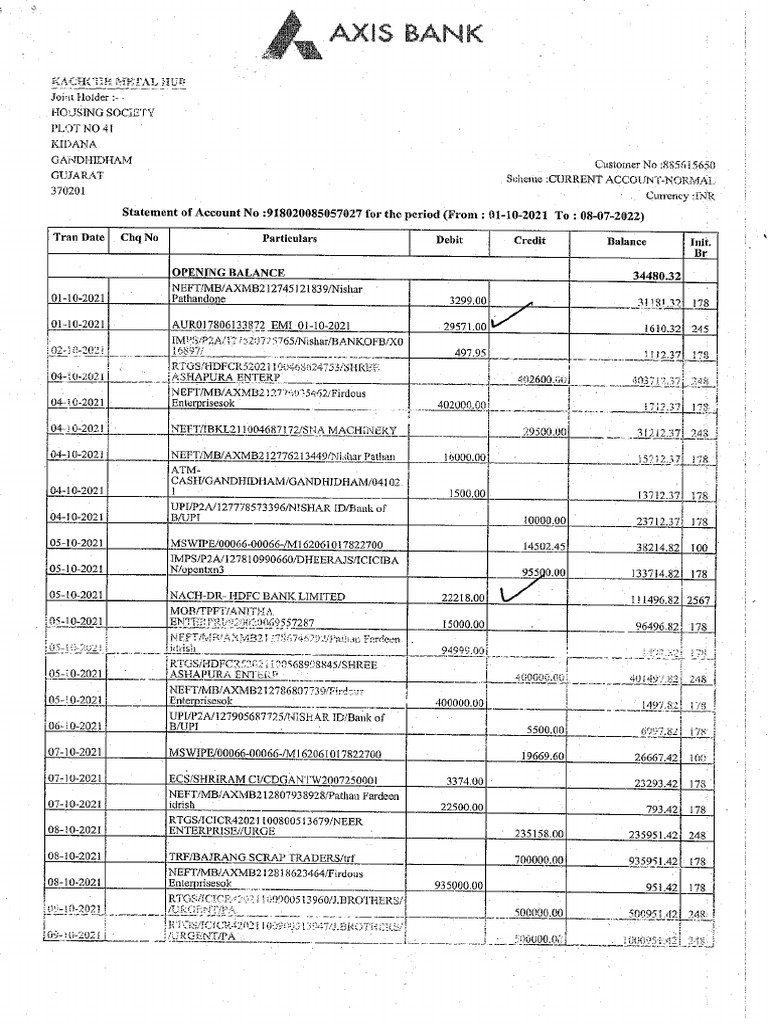
Traditional banks offer rock-bottom interest rates on checking and savings accounts. A typical checking account pays 0% interest, meaning your money sits idle. Even “high-yield” options from brick-and-mortar banks rarely exceed 0.1%-1%. Meanwhile, banks earn massive spreads by lending your deposits at 5-7% or more to borrowers.
This disparity is staggering. JPMorgan Chase, the largest U.S. bank, reported $49 billion in net interest income in 2022 alone—largely from customer deposits like yours. If your account earned a fair 4% (matching current Fed rates), that $10,000 would grow by $400 yearly, offsetting inflation. Instead, you’re left with crumbs.
Online banks and fintechs disrupt this by slashing overhead—no branches, no tellers—and passing savings to you via rates up to 5% APY. Platforms like Ally, Marcus by Goldman Sachs, and SoFi offer FDIC-insured accounts with competitive yields, proving that high returns aren’t reserved for the wealthy.
Hidden Fees: The Sneaky Drains on Your Balance
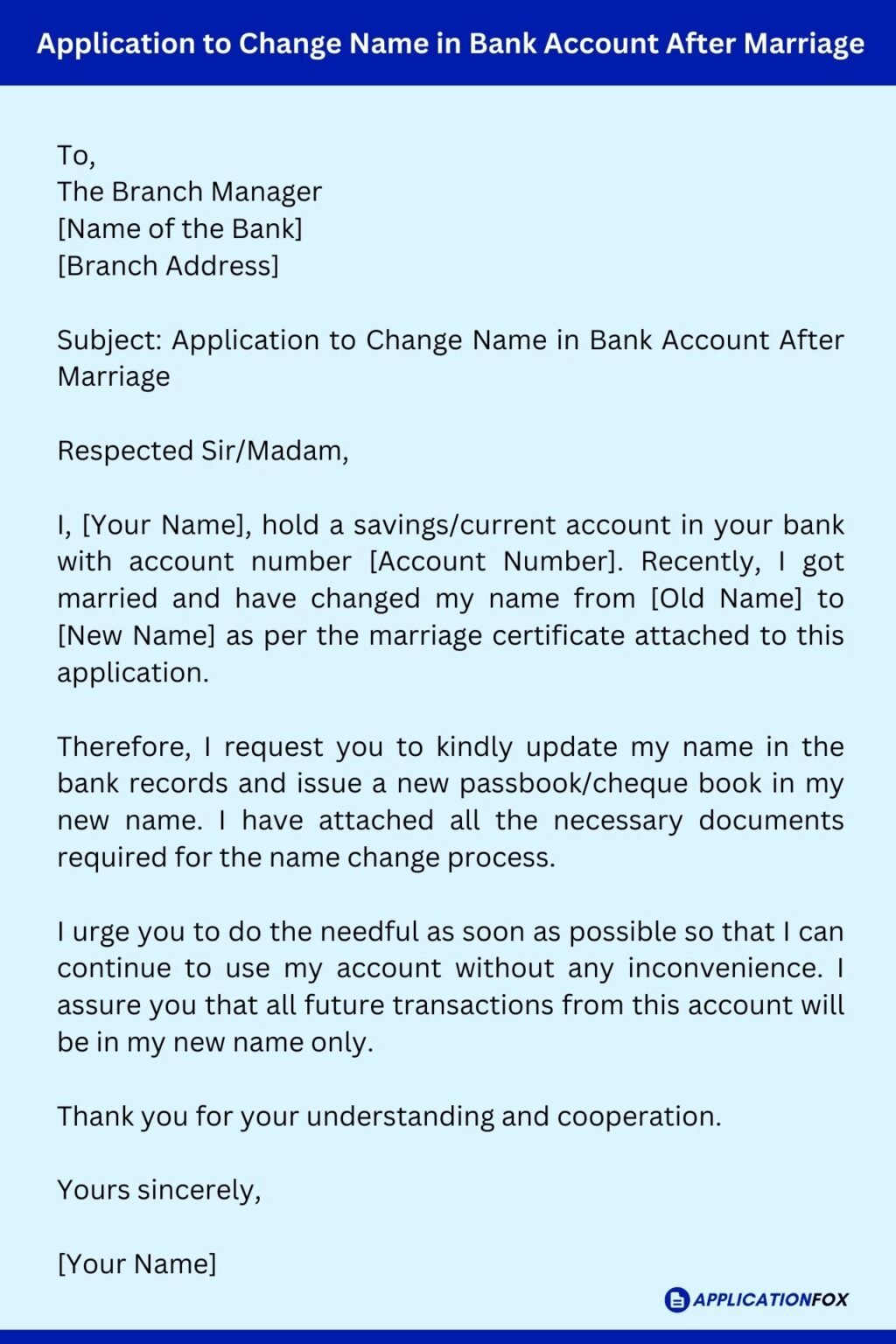
Beyond low interest, fees are a direct hit to your wallet. Monthly maintenance fees ($5-25), overdraft charges ($35+ per incident), ATM fees ($3-5), and foreign transaction fees (3%) add up fast. A 2023 Bankrate survey found Americans pay an average of $329 in bank fees yearly.
Consider this scenario: You maintain a $1,000 minimum balance to waive fees but dip below due to unexpected expenses. Bam—$12 monthly fee, or $144 yearly. Multiply by families or those with multiple accounts, and it’s a fortune lost. Low-balance accounts exacerbate this, trapping low-income users in cycles of debt.
Paper statement fees ($2-5/month), wire transfer fees ($25-50), and even “inactivity” fees punish you for not using the account enough. These aren’t accidents; they’re revenue streams. The Consumer Financial Protection Bureau (CFPB) reports overdraft fees alone generated $8.5 billion in 2022 for big banks.
Opportunity Cost: Missing Out on Real Wealth-Building

The true cost isn’t just what’s lost—it’s what you could gain elsewhere. Parking money in a 0.01% account means forgoing high-yield savings (4-5% APY), CDs (up to 5.5%), money market funds, or low-risk investments like Treasury bonds yielding 4-5%.
For a $50,000 emergency fund, the difference is huge. At 0.5%, you earn $250/year. At 5%, that’s $2,500—ten times more. Over 10 years, with compounding, the high-yield option grows to $81,446 vs. $55,390, a $26,000 gap. This opportunity cost widens with larger sums or longer horizons.
Many overlook taxes too. Interest from savings is taxable, but low earnings mean minimal deductions, while inflation pushes you into higher brackets without real gains. Switching to tax-advantaged vehicles like Roth IRAs or HSAs amplifies preservation.
Why Big Banks Resist Change: The Profit Motive
Legacy banks prioritize shareholders over customers. With millions of dormant accounts, they float loans cheaply. Regulatory hurdles and customer inertia keep the status quo. However, fintechs like Chime, Current, and Varo offer fee-free, high-interest options, forcing incumbents to adapt—slowly.
The rise of neobanks coincides with declining trust: A 2023 J.D. Power study shows only 68% satisfaction with traditional banks, vs. 80% for digital ones. Yet, 94 million Americans still use low-yield accounts, per FDIC data.
High-Yield Alternatives: Where Your Money Actually Grows
Ready to fight back? Start with high-yield savings accounts (HYSAs). Top picks:
- Ally Bank: 4.2% APY, no fees, unlimited transfers.
- Marcus by Goldman Sachs: 4.4% APY, daily compounding.
- Discover Bank: 4.25% APY, cashback debit.
These are FDIC-insured up to $250,000, as safe as your current bank.
Certificates of Deposit (CDs) lock in rates: 5-year CDs at 4.5%+ beat inflation. Money market accounts blend liquidity and yields (4%+). For checking, opt for Capital One 360 or SoFi, offering 0.5-4% on balances.
Compare via sites like Bankrate or NerdWallet. Look for APY, fees, minimums, and mobile apps. Robo-advisors like Wealthfront provide automated high-yield cash management at 4-5%.
How to Switch Banks Without Hassle
Transitioning is easier than you think:
- Research: Use FDIC’s BankFind tool for insurance verification.
- Open new account: Fund with a small deposit.
- Update direct deposits/autopay: Use new bank’s switch kit.
- Transfer funds: ACH is free and fast.
- Close old account: After 30-60 days confirmation.
Avoid downtime by overlapping accounts. Most switches take two weeks. Bonuses ($200-500) from Chase or Wells Fargo sweeten the deal.
The Long-Term Impact: Building Generational Wealth

Reclaiming your money compounds exponentially. A $20,000 HYSA at 5% grows to $32,578 in 10 years vs. $21,911 at 0.5%—an extra $10,667. Reinvest earnings into index funds for 7-10% returns, accelerating wealth.
For families, this means college funds, home down payments, or retirement security. In a high-inflation world, passive erosion is financial suicide. Proactive savers thrive.
Conclusion: Stop the Losses Today
Your current bank account is losing you money every year through inflation, low rates, fees, and missed opportunities. Billions are siphoned annually, but you can opt out. Switch to high-yield, low-fee accounts and watch your savings flourish. Start with a free comparison tool today—your future self will thank you. With rates at historic highs, there’s no better time to act. Secure your financial future now.
(Word count: 1,248)