
The Truth About Standing Desks: Benefits, Myths, and How to Use Them Correctly
The Truth About Standing Desks: Benefits, Myths, and How to Use Them Correctly
Standing desks have surged in popularity over the past decade, promising a healthier alternative to traditional sitting setups. Marketed as a solution to the sedentary lifestyle woes of modern office workers, these adjustable workstations allow users to alternate between sitting and standing throughout the day. But amid the hype, questions linger: Do standing desks really deliver on their health promises? What are the myths surrounding them? And most importantly, how can you use a standing desk correctly to maximize benefits and avoid pitfalls? In this comprehensive guide, we’ll uncover the truth about standing desks, backed by science, and provide expert tips on proper usage for optimal ergonomics and productivity.
The Rise of Standing Desks: Why They’re Everywhere
Feature Video
Standing desks, also known as sit-stand desks or height-adjustable desks, have become a staple in home offices, corporate environments, and co-working spaces. According to Statista, the global standing desk market is projected to reach $2.7 billion by 2026, driven by growing awareness of sedentary behavior’s health risks. Prolonged sitting is linked to obesity, cardiovascular disease, diabetes, and even early mortality, as highlighted in a landmark 2011 study published in the American Journal of Epidemiology.
Proponents claim standing desks boost energy, improve posture, burn more calories, and reduce back pain. Tech giants like Google and Facebook have integrated them into their offices, influencing remote workers during the pandemic. However, not all claims hold water. Let’s separate fact from fiction.
Debunking Common Myths About Standing Desks
Myth 1: Standing All Day Burns Hundreds of Extra Calories
One of the biggest selling points is calorie burn. A 2013 study from the Mayo Clinic found that standing burns about 0.15 more calories per minute than sitting—roughly 50 extra calories per hour for a 155-pound person. Over eight hours, that’s around 400 calories, but only if you’re standing continuously. In reality, most users alternate positions, slashing the benefit to 100-200 calories daily. It’s helpful but no substitute for exercise.
Myth 2: Standing Desks Eliminate Back Pain
While standing can alleviate lower back strain from slouching, it doesn’t cure chronic pain. A 2018 review in Applied Ergonomics showed mixed results: some participants reported less discomfort, but others experienced foot or leg fatigue. Poor posture while standing—such as locking knees or leaning forward—can worsen issues. The key is proper use, not reliance on the desk alone.
Myth 3: They’re a Complete Fix for Sedentary Lifestyles
Standing desks promote movement, but they’re not magic. Research from Cornell University indicates that without breaks and varied postures, standing too long leads to fatigue in the legs, hips, and lower back. The truth? They’re tools for better habits, not standalone solutions.
The Real Benefits of Standing Desks: What Science Says
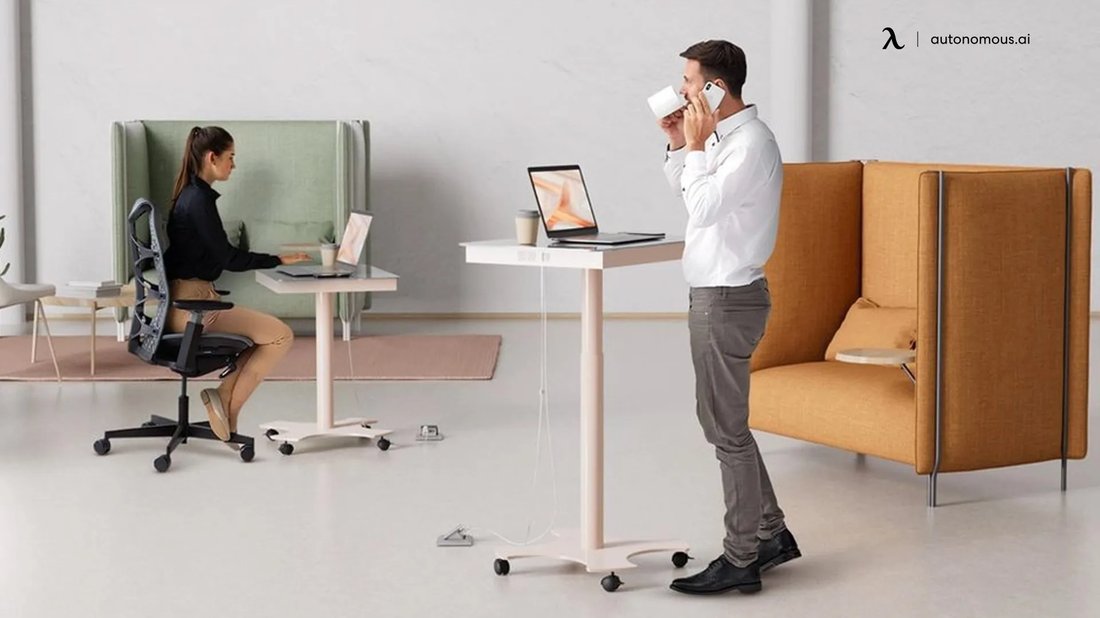
Despite myths, evidence supports several advantages when used correctly.
Improved circulation and energy levels top the list. A 2014 study in IIE Transactions on Occupational Ergonomics and Human Factors found that workers using sit-stand desks took 25% more steps daily and reported higher vigor and lower fatigue. Standing activates leg and core muscles, countering the “sitting disease.”
Posture and mood benefits are notable too. Alternating positions reduces spinal pressure and encourages engagement with your workspace. Harvard Health reports that dynamic workstations can enhance focus and creativity by increasing blood flow to the brain.
Long-term health gains include reduced risk of metabolic issues. A 2020 meta-analysis in Scandinavian Journal of Work, Environment & Health linked reduced sitting time to lower BMI and cholesterol levels, even if standing replaces it partially.
For productivity, results vary, but a 2016 Washington State University study showed call center employees with standing desks handled 46 more calls weekly, suggesting better endurance.
How to Choose the Right Standing Desk
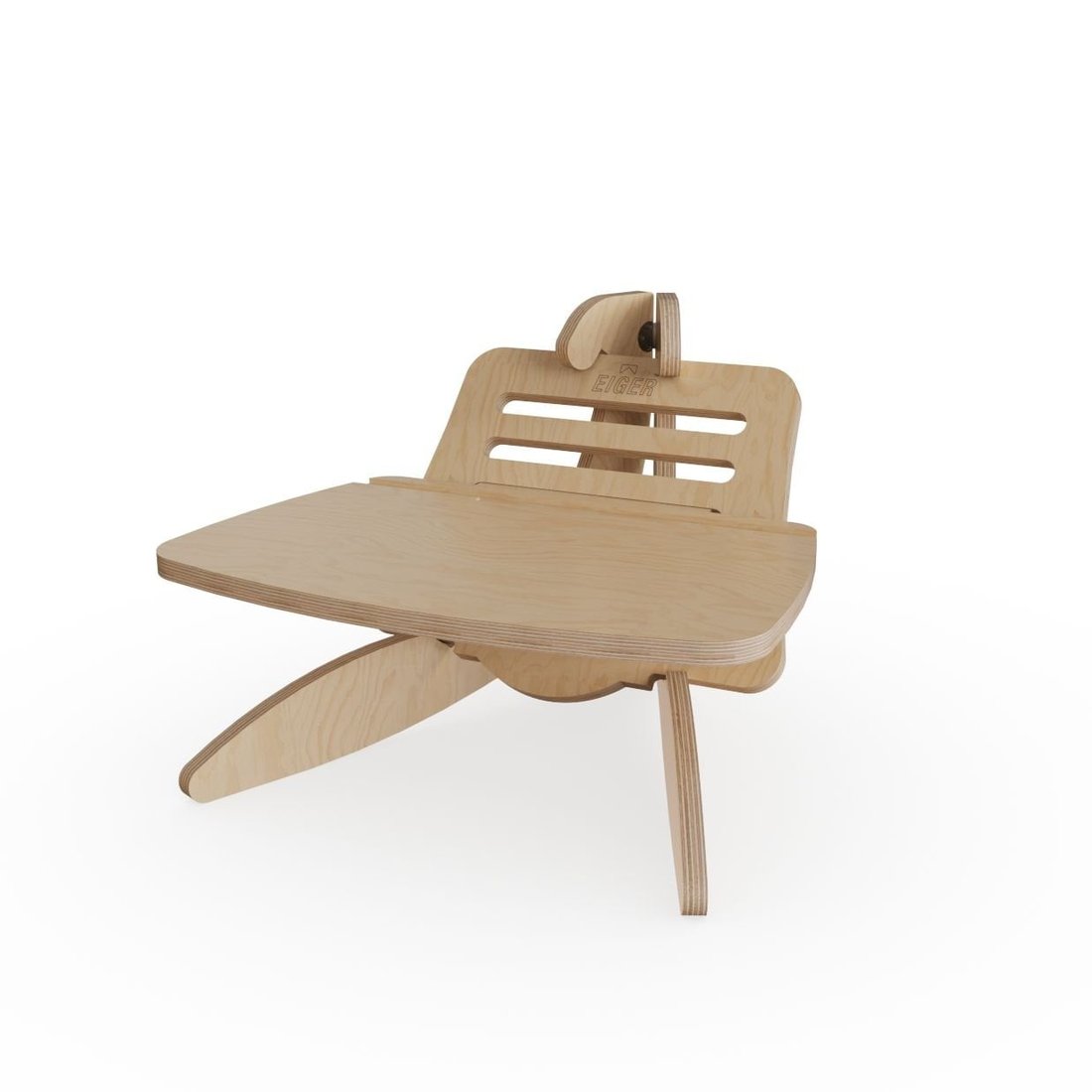
Not all standing desks are equal. Prioritize stability, height range, and ease of adjustment for your investment.
Opt for electric models with programmable presets for seamless transitions. Height should adjust from 24-50 inches to suit sitting (elbows at 90 degrees) and standing (elbows slightly below desk level). Weight capacity matters for monitors and keyboards—aim for 150+ pounds.
Materials like bamboo or steel offer durability. Anti-fatigue mats and footrests are essential add-ons. Budget options start at $200 (manual converters), while premium electric desks exceed $1,000. Brands like Fully, Uplift, and Vari earn high marks for reliability.
SEO tip: Search for “best standing desks 2023” to compare user reviews and specs.
How to Use a Standing Desk Correctly: Step-by-Step Guide

Correct usage is crucial to reap benefits without injury. Follow these ergonomics best practices from the Mayo Clinic and OSHA.
1. Alternate Positions Every 20-30 Minutes
Use the 20-8-2 rule: 20 minutes standing, 8 sitting, 2 moving (stretching or walking). Apps like Workrave or Stretchly remind you. Start with 1-2 hours standing daily, building tolerance.
2. Set Proper Heights
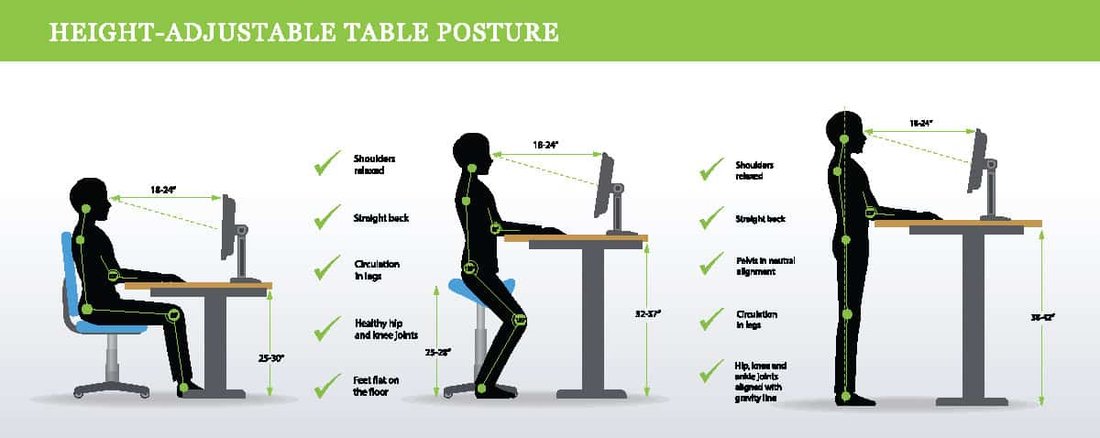
Sitting: Feet flat, knees at 90 degrees, thighs parallel to floor. Desk at elbow height. Standing: Hips and knees slightly bent, screen top at eye level, keyboard allowing relaxed shoulders. Use a mirror or app to check alignment.
3. Maintain Ideal Posture
Stand tall with weight balanced, ears over shoulders, shoulders relaxed. Avoid locking knees or perching on heels. Engage core lightly. Every 10 minutes, shift weight or do calf raises.
4. Invest in Accessories
An anti-fatigue mat cushions feet, reducing strain. A footrest for sitting varies pressure. Monitor arms keep screens at optimal distance (arm’s length). Ergonomic keyboard and mouse prevent wrist issues.
5. Incorporate Movement Breaks
Every hour, walk for 2-5 minutes. Desk exercises like shoulder rolls, wall sits, or marches boost circulation.
Potential Downsides and How to Mitigate Them
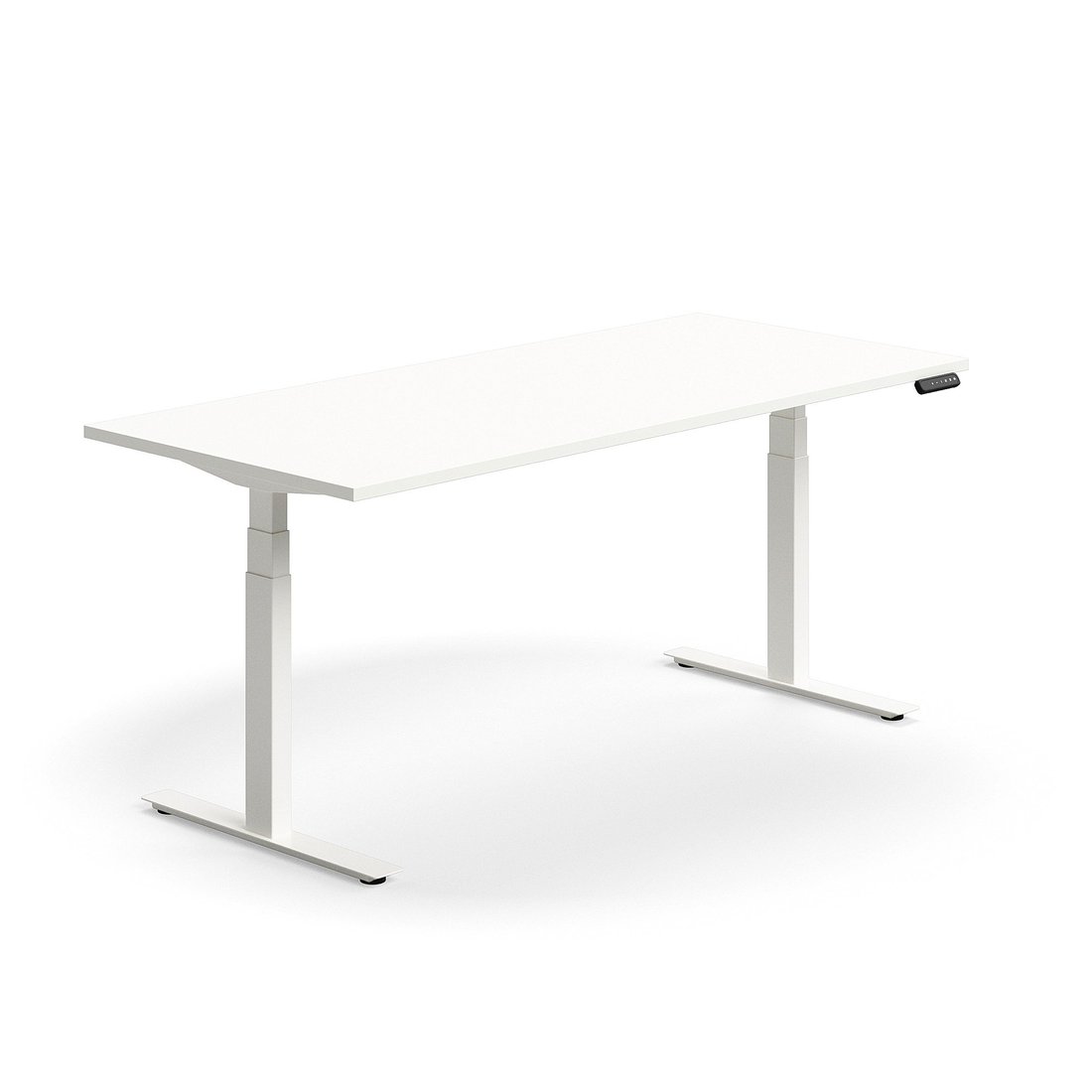
Standing desks aren’t risk-free. Varicose veins, joint pain, or fatigue can occur with overuse. A 2019 study in Ergonomics noted increased lower extremity discomfort after four hours standing.
Mitigate by listening to your body, wearing supportive shoes, and consulting a doctor for pre-existing conditions like arthritis. Hydrate well, as standing increases fluid pooling.
Pregnant individuals or those with balance issues should ease in gradually.
Standing Desks for Specific Workstyles
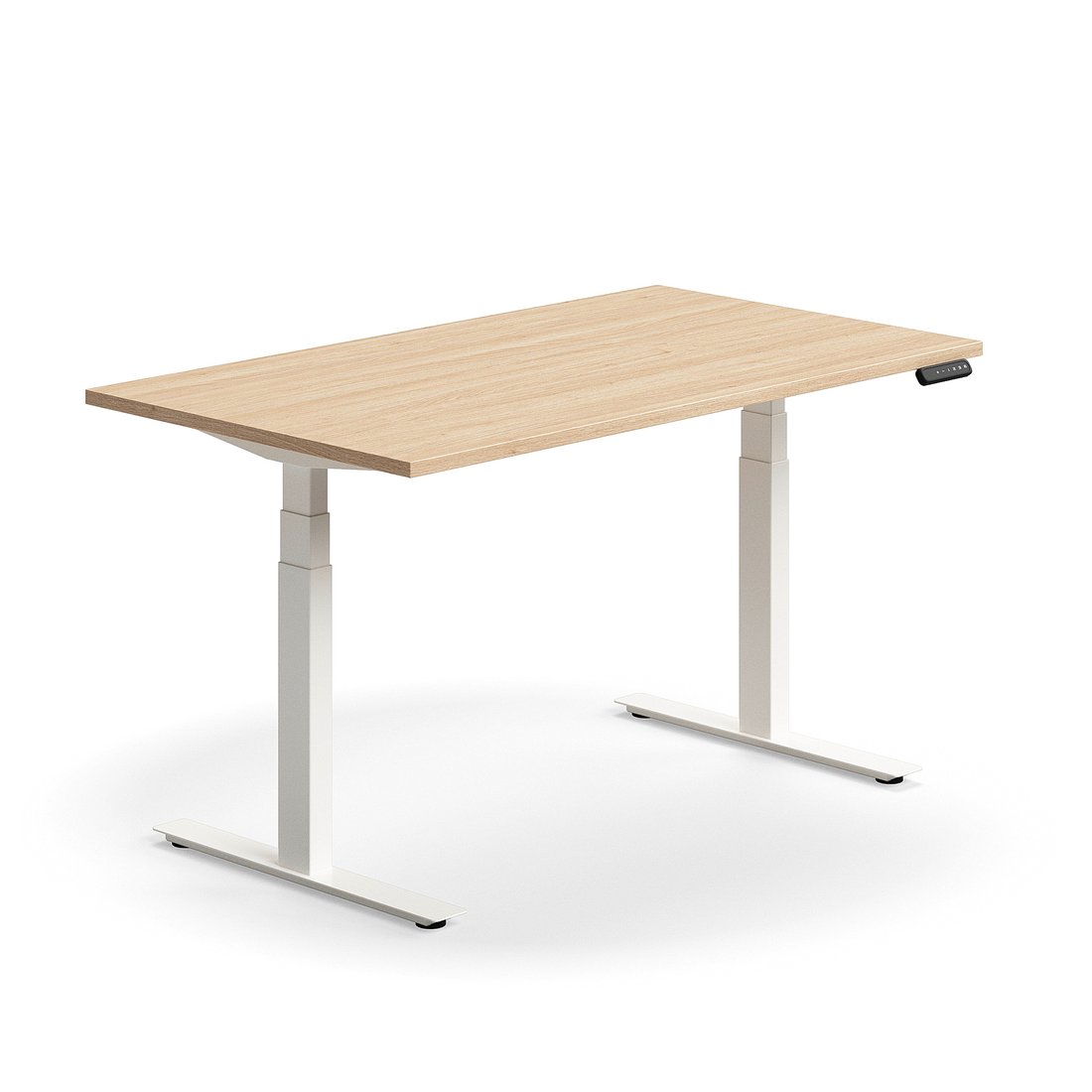
Remote workers benefit from converters atop existing desks—affordable entry points. Gamers and programmers appreciate spacious models for multi-monitors. Students can use them for focused study sessions.
Corporate setups? Policies mandating alternation yield best results, per workplace wellness studies.
Conclusion: Make Standing Desks Work for You
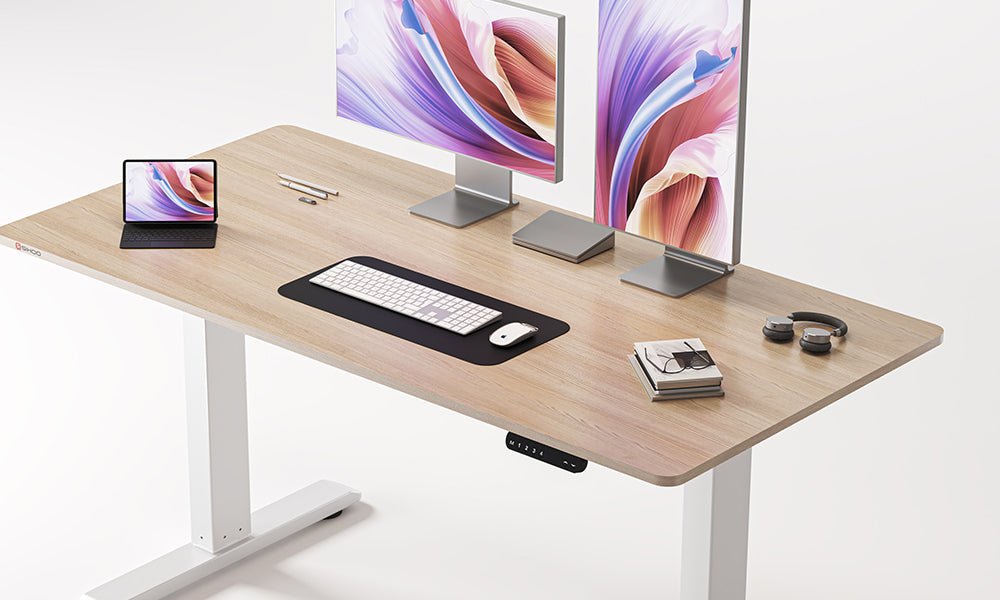
The truth about standing desks? They’re powerful allies against sedentary risks when used mindfully, debunking calorie-burn exaggerations but affirming circulation, mood, and productivity perks. Proper selection, height adjustments, posture, and alternation are non-negotiable for success.
Transition today: Assess your setup, start slow, and track how you feel. Combine with exercise and healthy habits for transformative results. Your body—and productivity—will thank you.
(Word count: 1,248)