
How to Build a Thriving Community Around Your Brand from Scratch: A Complete Guide
In today’s digital landscape, building a community around your brand is no longer optional—it’s essential for long-term success. A loyal community fosters advocacy, drives organic growth, and turns customers into passionate fans. But how do you build a brand community from scratch? This comprehensive guide walks you through a step-by-step process, packed with actionable strategies, real-world examples, and SEO-optimized tips to help your brand thrive. Whether you’re a startup or an established business, these insights will empower you to create an engaged audience that amplifies your message.
Understand Why Building a Brand Community Matters
Feature Video
Before diving into tactics, grasp the power of communities. Brands like Apple, Nike, and Harley-Davidson have cult-like followings because they’ve nurtured tribes that identify deeply with their values. According to a 2023 Forrester report, community-led brands see 23% higher customer retention rates. Communities provide feedback loops, reduce churn, and boost word-of-mouth marketing—often more effectively than paid ads.
From an SEO perspective, user-generated content from your community can skyrocket your search rankings. Google’s algorithms favor fresh, authentic content, so a vibrant community means endless blog posts, reviews, and shares that fuel your visibility. Start by auditing your current audience engagement: Are they passive followers or active participants? This baseline sets the stage for growth.
Step 1: Define Your Brand’s Core Purpose and Values
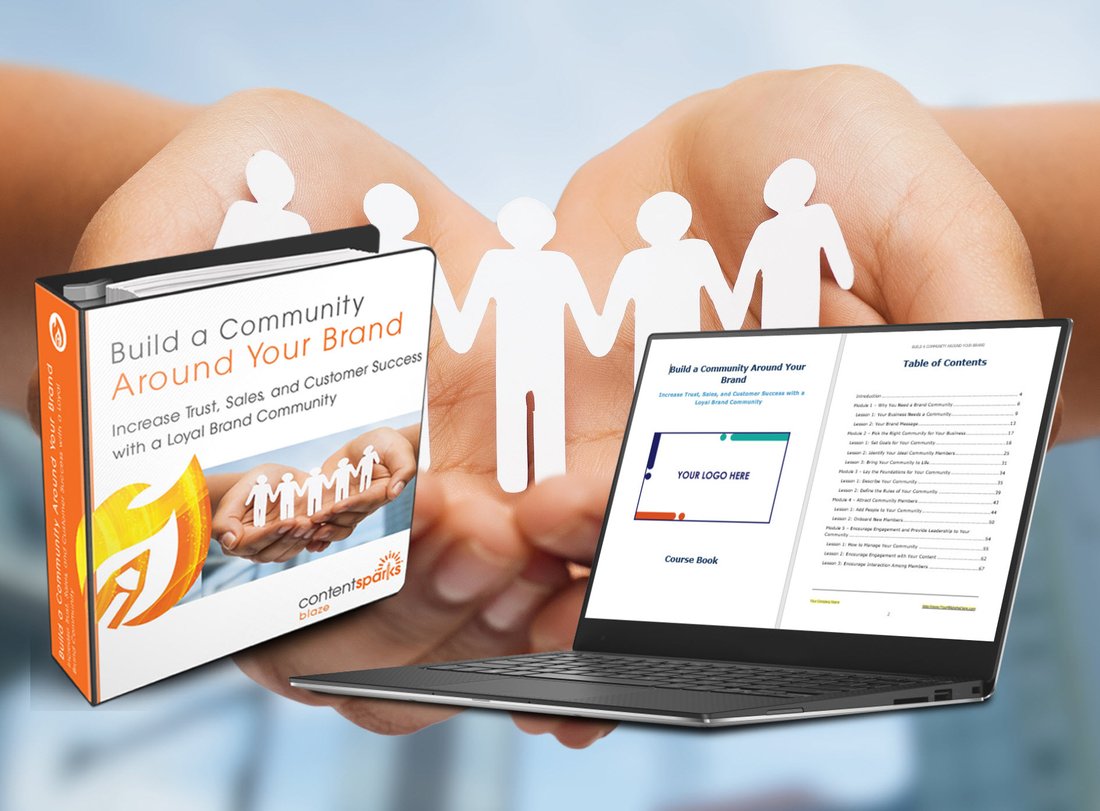
The foundation of any strong community is a crystal-clear brand identity. Ask: What problem does your brand solve? What values do you champion? Articulate a mission that resonates emotionally. For instance, Patagonia built its community around environmental activism, turning customers into activists who amplify the brand organically.
Create a brand manifesto—a short, shareable document outlining your “why.” Share it across channels to attract like-minded individuals. Use storytelling: People join communities for belonging, not transactions. Tools like Canva or Notion help craft visually appealing manifestos. SEO tip: Optimize your “About Us” page with keywords like “brand community values” to draw in searchers seeking purpose-driven brands.
Proactively involve early adopters in refining this purpose through surveys on Typeform or Google Forms. This co-creation fosters ownership from day one, ensuring your community feels invested.
Step 2: Identify and Research Your Ideal Community Members

You can’t build a community without knowing who to invite. Develop detailed buyer personas: demographics, pain points, interests, and online hangouts. Tools like Facebook Audience Insights or SparkToro reveal where your audience lurks.
Conduct interviews with 10-20 current customers via Zoom or Calendly. Ask: “What frustrates you most in our industry?” and “Where do you discuss solutions?” Segment your audience—e.g., beginners vs. experts—to tailor engagement. For SEO, create persona-based content clusters: Blog posts targeting “how to [pain point]” naturally attract community prospects via Google searches.
Map their journey: From awareness (social media discovery) to advocacy (user testimonials). This research prevents wasting efforts on mismatched audiences, ensuring high engagement rates from the start.
Step 3: Select the Right Platforms for Your Community
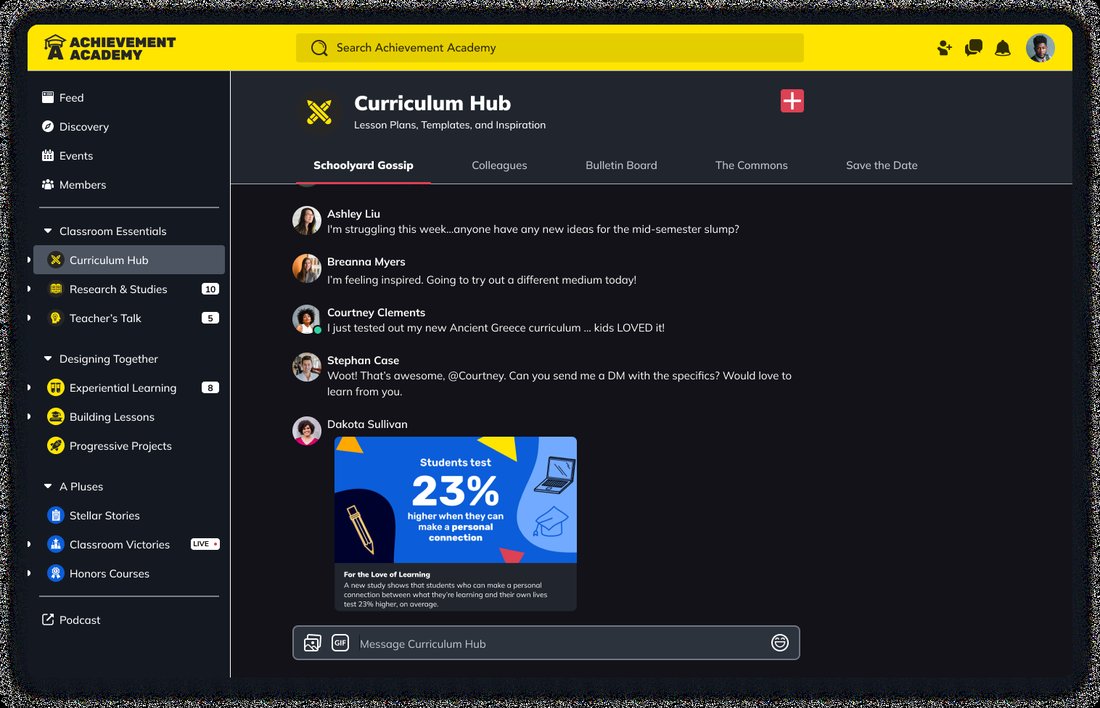
Not all platforms are equal. Choose based on your audience: Discord or Slack for niche tech communities, Facebook Groups for broad consumer brands, Reddit for discussion-heavy topics, or Instagram for visual creators. Emerging options like Circle.so or Mighty Networks offer branded community spaces with forums, events, and memberships.
Start small—pick 1-2 platforms to master. Cross-promote via your website and email list. SEO integration: Embed community feeds on your site using plugins like Smash Balloon for Instagram, boosting dwell time and signaling relevance to search engines.
Consider private vs. public: Private groups build exclusivity (e.g., VIP access), while public ones aid discovery. Harley-Davidson’s H.O.G. chapters blend online forums with offline rides, creating hybrid loyalty.
Step 4: Create Valuable, Consistent Content to Attract Members

Content is the magnet. Develop a calendar with 80% value-driven posts: Tutorials, tips, behind-the-scenes, polls. For a fitness brand, share “5-Minute Workouts” videos; for SaaS, “Productivity Hacks.”
Leverage SEO by targeting long-tail keywords like “build brand community tips” in titles and meta descriptions. Use Ahrefs or SEMrush for research. Formats matter: Short-form Reels for virality, long-form guides for depth. Repurpose content—turn podcasts into threads, videos into carousels.
Encourage shares with calls-to-action: “Tag a friend who needs this!” Consistency builds habit; post 3-5 times weekly. Track with Google Analytics to refine what resonates.
Step 5: Engage Actively and Foster Genuine Interactions

Communities die from neglect. Respond to every comment within 24 hours. Ask open questions: “What’s your biggest challenge with [topic]?” Host AMAs (Ask Me Anything) with founders or experts.
Appoint community managers or empower super-users as moderators. Gamify participation: Badges, leaderboards via tools like Gamipress. Celebrate wins—feature member stories weekly. This reciprocity builds trust; studies show engaged communities have 5x higher lifetime value.
SEO boost: User comments become fresh content, improving E-A-T (Expertise, Authoritativeness, Trustworthiness) signals for Google.
Step 6: Host Events, Challenges, and Collaborations

Virtual webinars via Zoom or Hopin, live Q&As on YouTube, or challenges like #30DayBrandChallenge spark excitement. Offline meetups via Meetup.com deepen bonds for local brands.
Collaborate with influencers or complementary brands for cross-pollination. Duolingo’s streak challenges turned learners into a global community. Record events, transcribe for blog posts—SEO gold for “brand community events recap” searches.
Budget tip: Start free with Instagram Lives, scale to paid tools. Measure success by attendance and post-event engagement spikes.
Step 7: Leverage User-Generated Content and Testimonials
UGC is community rocket fuel. Run contests: “Share your story with #MyBrandJourney” for features. Repost with credit, creating a content flywheel.
Build a hall of fame page on your site showcasing testimonials. This social proof converts lurkers to joiners. SEO-wise, UGC diversifies backlinks and keywords, enhancing topical authority.
Tools like Bazaarvoice aggregate reviews; incentivize with shoutouts or discounts.
Step 8: Implement Loyalty Programs and Exclusive Perks
Reward loyalty: Tiered memberships (free, silver, gold) with perks like early access, swag, or private chats. Starbucks Rewards exemplifies this, blending points with community vibes.
Use ReferralCandy for advocate programs. Exclusivity breeds FOMO—limited spots drive urgency. Track ROI via unique promo codes.
Step 9: Measure, Analyze, and Iterate
Use KPIs: Membership growth, engagement rate (likes/comments/shares), Net Promoter Score (NPS). Tools: Google Analytics, Hotjar for heatmaps, Community Health Score in platforms like Discourse.
A/B test posts, survey quarterly. Pivot based on data—e.g., if videos outperform images, double down. SEO metrics: Organic traffic from community referrals.
Overcoming Common Challenges in Community Building
Trolls? Strict moderation rules. Low engagement? Seed with your team initially. Scaling? Automate with Zapier. Patience is key—communities take 6-12 months to mature.
Conclusion: Launch Your Brand Community Today
Building a community around your brand from scratch demands strategy, consistency, and heart. Follow these steps, stay authentic, and watch your tribe grow. Start with one action today: Define your purpose and post it publicly. Your brand’s future superfans are waiting. For more marketing insights, subscribe to our newsletter!
(Word count: 1,248)