
Why Your Home Lighting is Affecting Your Sleep Quality
Why Your Home Lighting is Affecting Your Sleep Quality
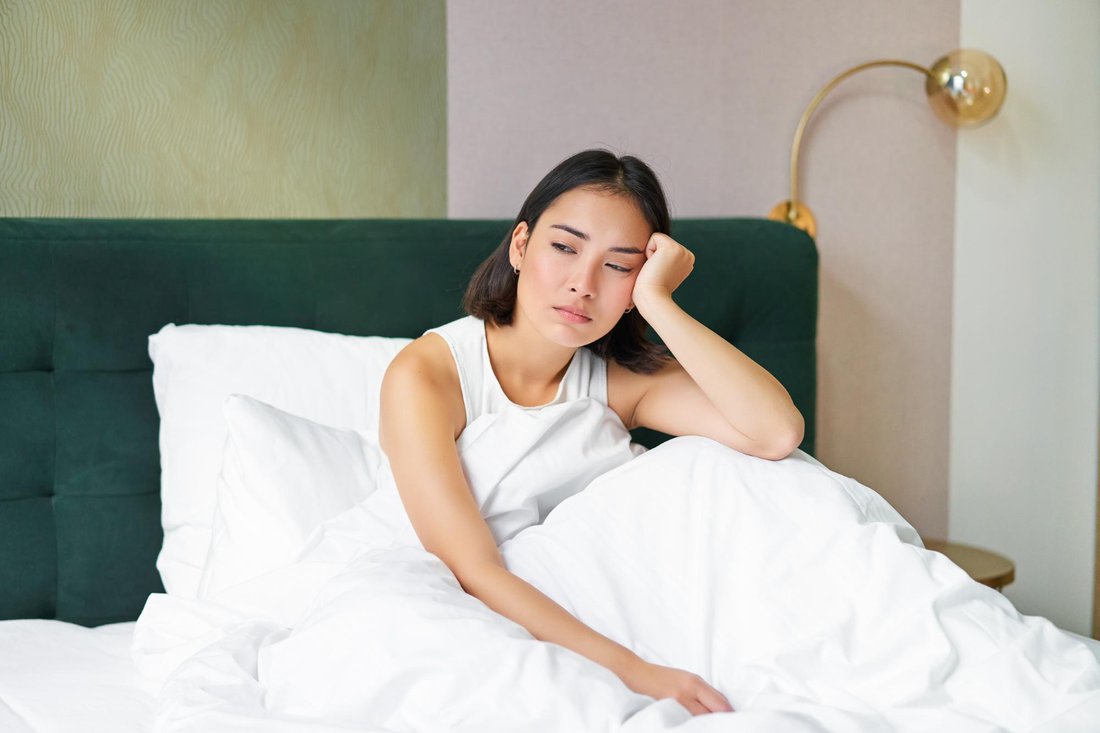
In today’s fast-paced world, quality sleep is more elusive than ever. You might blame stress, caffeine, or screen time, but one often-overlooked factor could be the lighting in your home. Yes, the very lights illuminating your living space might be sabotaging your sleep cycles. This article explores why home lighting affects sleep quality, backed by science, and provides actionable tips to reclaim restful nights. If you’ve ever tossed and turned despite a comfortable bed, read on to discover how optimizing your lighting can transform your sleep.
Understanding Your Circadian Rhythm and the Role of Light
Feature Video
The circadian rhythm is your body’s internal clock, regulating sleep-wake cycles over 24 hours. Light is its primary cue. Exposure to natural sunlight during the day signals alertness, while darkness at night promotes melatonin production—the hormone responsible for sleepiness.
Artificial home lighting disrupts this delicate balance. Unlike the sun’s spectrum, most indoor lights emit intense blue wavelengths, mimicking daylight even after sunset. A study from the National Sleep Foundation reveals that evening light exposure suppresses melatonin by up to 50%, delaying sleep onset by 30-60 minutes. Homes with bright overhead fixtures exacerbate this, tricking your brain into “day mode” well into the night.
Chronobiologists explain that our ancestors evolved under firelight—warm, dim, and reddish—ideal for evening wind-down. Modern LEDs and fluorescents, however, flood rooms with cool, blue-toned light, confusing retinal ganglion cells that communicate light signals to the suprachiasmatic nucleus (SCN), your brain’s master clock.
The Dangers of Blue Light from Home Fixtures
Blue light, peaking at 460-480 nanometers, is the biggest sleep thief in your home. Smartphones get the blame, but home lighting contributes far more cumulative exposure. A Harvard Medical School study found that blue-enriched white light at night increases alertness and heart rate, mimicking caffeine’s effects.
Common culprits include LED bulbs (80% of new installations), CFLs, and even “daylight” bulbs marketed for energy savings. These emit high blue light, penetrating the eye more deeply than warmer hues. Over time, chronic exposure links to insomnia, fragmented sleep, and daytime fatigue. The American Academy of Sleep Medicine reports that adults averaging 2+ hours of evening blue light exposure sleep 20% less efficiently.
Children and shift workers suffer most; blue light delays puberty in adolescents and desynchronizes rhythms in non-traditional schedules. If your home glows with cool-toned bulbs (4000K+ Kelvin), you’re inadvertently waging war on your sleep quality.
How Different Types of Home Lighting Impact Sleep
Not all lights are equal. Color temperature matters: cool white (5000K+) energizes, while warm white (2700K or lower) soothes. Incandescent bulbs, phased out for inefficiency, were sleep-friendly with their yellowish glow. LEDs vary—cheap ones skew blue, premium “circadian” models shift spectra.
Fixture placement amplifies issues. Harsh downlights in kitchens or bathrooms create glare, suppressing melatonin faster than diffuse lamps. Track lighting or recessed cans beam direct blue light, worsening the effect. A Journal of Applied Physiology study showed room-wide cool lighting raises cortisol (stress hormone) by 25% at night.
Dimmer switches help, but many LEDs don’t dim well without flicker, which subtly disrupts brainwaves. Flickering lights, even imperceptibly, trigger subconscious stress responses, per EEG research from the Lighting Research Center.
The Timing Factor: When Home Lights Hurt Most
Light’s impact peaks 2-3 hours before bed. Evening routines under bright lights—cooking, reading, TV—delay your body’s melatonin ramp-up. The pineal gland needs sustained dimness to secrete it effectively.
A real-world example: families with open-plan homes where kitchen lights stay on until 10 PM report 15% higher insomnia rates (Sleep Health journal). Smart home data from Philips Hue users shows sleep scores improve 30% after automating evening dimming.
Weekend catch-up sleep can’t fully compensate; circadian misalignment accumulates, raising risks for obesity, diabetes, and mood disorders, as per CDC data linking poor sleep to chronic illness.
Practical Tips to Optimize Home Lighting for Better Sleep

Reclaim sleep by auditing your lighting. Start with bulbs: swap to 2700K warm LEDs (e.g., Philips or Cree). Use apps like f.lux for screens, but prioritize bulbs for ambient control.
Implement a “lighting curfew”: dim to 10-50 lux post-sunset (use a phone app to measure). Layer lighting—bright task lights for work, soft ambient for relaxation. Floor lamps with fabric shades diffuse harshness better than bare bulbs.
Bedroom sanctum: blackout curtains block streetlights, red nightlights (minimal melatonin suppression) for midnight bathroom trips. Avoid ceiling fixtures; opt for bedside table lamps at eye level or below.
Seasonal tweaks: shorter winter days demand artificial dawn simulators (e.g., Philips Wake-Up Light) for morning cortisol spikes, balancing evening dimness.
Embracing Smart Lighting for Circadian Harmony
Tech & Gadgets shine here. Smart bulbs like LIFX or Nanoleaf auto-adjust color temperature via geofencing or schedules—cool mornings, warm evenings. Hue Bridge integrates with sleep trackers (Fitbit, Oura) for personalized rhythms.
Voice control via Alexa or Google Home enables “bedtime mode,” gradually dimming whole-house lights. A 2023 study in Nature Digital Medicine found smart lighting users gained 45 extra minutes of sleep nightly, with 22% reduced awakenings.
Cost-effective: start with $20 dimmable warm bulbs. ROI? Better focus, immunity, and happiness—poor sleep costs the U.S. $411 billion yearly in productivity (RAND Corporation).
Balancing Daytime Light for Nighttime Gains
Daytime matters too. Insufficient morning light weakens circadian amplitude, making evenings harder. Open curtains for 30 minutes of natural light post-wake; SAD lamps (10,000 lux) combat winter blues.
Office nooks need 300-500 lux daylight-mimicking bulbs. This anchors your clock, enhancing evening light’s suppressive effect—it’s a full-spectrum strategy.
Conclusion: Light the Way to Better Sleep

Your home lighting profoundly influences sleep quality, from blue light overload to poor timing. By understanding circadian science and adopting warm, dim, smart solutions, you can foster melatonin-friendly environments. Small changes—bulb swaps, dimmers, routines—yield big rewards: deeper sleep, sharper days.
Track progress with a journal or app. Consult a sleep specialist if issues persist, but start with light. Illuminate wisely; your rest depends on it. (Word count: 1,248)