
Brad Pitt’s F1 Movie Exposed: How They Shot INSANE Real Racing Scenes at Actual Grand Prix!
Introduction to Brad Pitt’s High-Octane F1 Adventure
Watch Related Video Coverage
Brad Pitt, the Hollywood icon known for his chameleon-like roles in films like Fight Club, Inglourious Basterds, and Once Upon a Time in Hollywood, is revving up for his most adrenaline-fueled project yet: the upcoming Formula 1 blockbuster simply titled F1. Directed by Joseph Kosinski, the visionary behind Top Gun: Maverick, this movie promises to blend heart-pounding action with the authentic thrill of the world’s fastest motorsport. But what sets F1 apart isn’t just Pitt’s star power—it’s the jaw-dropping commitment to realism, with actual racing scenes filmed during live Grand Prix weekends. No CGI shortcuts here; this is motorsport cinema at its rawest. As fans buzz with excitement ahead of its June 2025 release, let’s dive into the plot, cast, and especially those mind-blowing real racing sequences that have everyone talking.
Plot Summary: A Veteran Driver’s High-Stakes Comeback
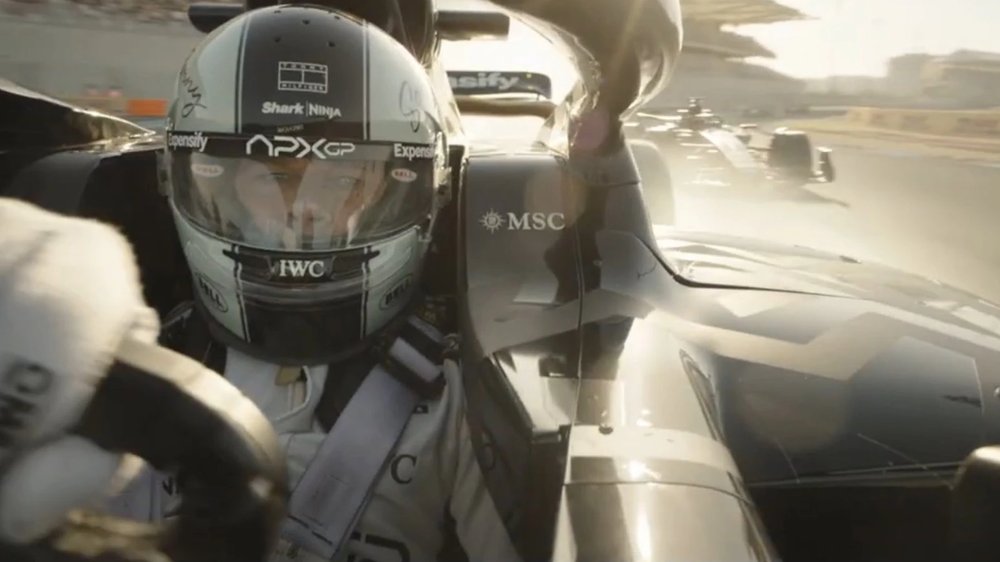
The story of F1 centers on Sonny Hayes, played by Brad Pitt, a former Formula 1 driver who retired after a near-fatal crash two decades earlier. Pulled back into the high-pressure world of elite racing by team owner and longtime friend Ruben Cervantes (played by Javier Bardem), Sonny joins the fictional APXGP team as a mentor and occasional driver. His mission? To guide rookie sensation Joshua Pearce (Damson Idris) and turn the underdog squad into a championship contender.
What unfolds is a classic underdog tale infused with the cutthroat politics, technical wizardry, and split-second decisions of modern F1. Expect intense rivalries, personal redemption arcs, and the sheer terror of 200mph speeds on tracks like Silverstone and Monza. The screenplay, penned by Ehren Kruger (known for Top Gun: Maverick) and with story contributions from Formula 1 legend Lewis Hamilton, draws from real F1 lore without fabricating events. Hamilton’s involvement as an executive producer ensures authenticity, capturing the sport’s blend of glamour, danger, and unyielding precision. Trailers tease emotional depth too—Sonny grapples with age, legacy, and the fear of another crash—making it more than just a speed fest. At around two hours, the film balances track action with off-piste drama, positioning it as a spiritual successor to Rush (2013), but with blockbuster polish.
The Star-Studded Cast and Crew
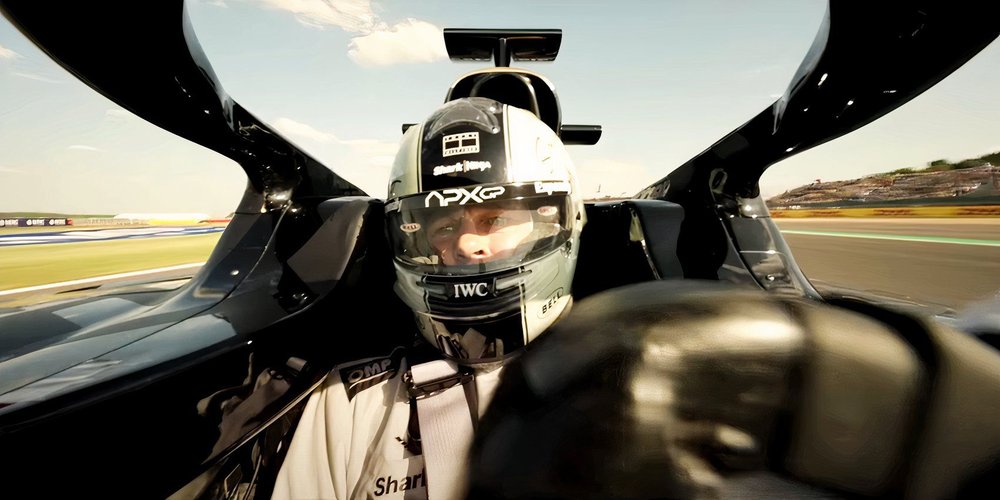
Brad Pitt anchors the film as Sonny Hayes, sporting a salt-and-pepper look that screams grizzled veteran. At 60, Pitt underwent rigorous training, including simulator sessions and track time, to convincingly portray a racer. Damson Idris, rising star from Snowfall, shines as the ambitious rookie Joshua Pearce, bringing youthful fire to the mentor-mentee dynamic. Javier Bardem adds gravitas as the passionate team principal, while Kerry Condon (The Banshees of Inisherin) plays Sonny’s no-nonsense engineer, and Tobias Menzies (The Crown) rounds out key roles in the paddock intrigue.
Behind the camera, Joseph Kosinski directs with his signature visual flair, emphasizing practical effects over green screens. Producer Jerry Bruckheimer (Top Gun series) oversees the spectacle, and Lewis Hamilton’s Apple Original Films backing guarantees F1 accuracy. The real F1 paddock cameos abound—drivers like Max Verstappen and Charles Leclerc have been spotted on set, with teams like Mercedes providing modified cars. This A-list ensemble, combined with Kosinski’s proven track record, elevates F1 from niche racing flick to global event.
Real Racing Scenes Explained: The Engineering Marvel Behind the Camera
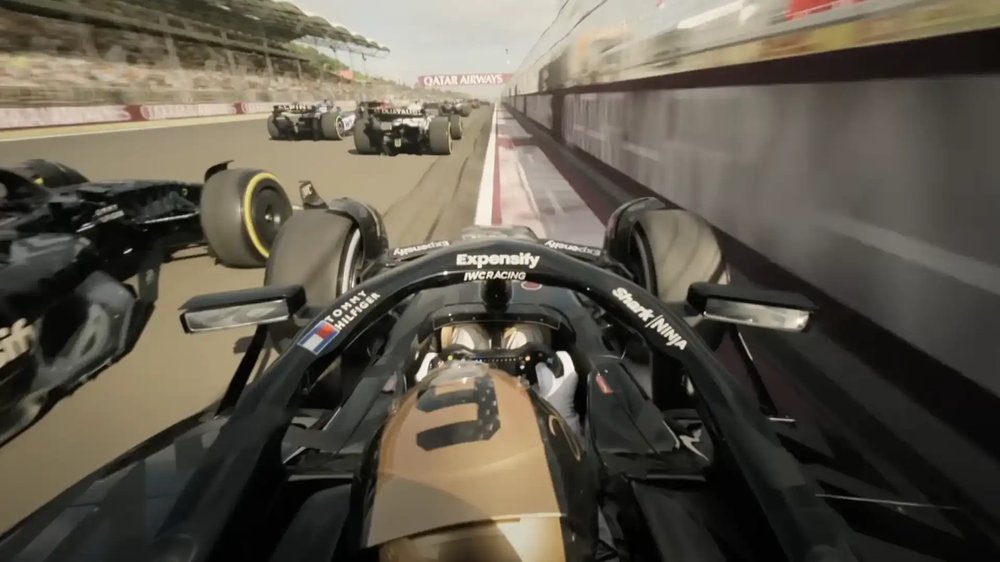
Here’s where F1 breaks new ground: its racing sequences were captured live during actual 2023 and 2024 Formula 1 Grand Prix weekends, from Silverstone to Las Vegas. No standing starts or empty tracks—this is F1 at full throttle, with 20 cars battling wheel-to-wheel while the film crew embeds seamlessly. How? Through groundbreaking engineering wizardry.
The APXGP cars are real Mercedes-AMG One-powered chassis, modified extensively for safety and filming. Each features a “blade camera” system: tiny, high-speed cameras mounted inches from spinning wheels, capturing POV shots at 300fps. These cars, liveried in fictional silver-and-black, blend into the grid—drivers and teams treat them as 11th cars during practice and qualifying. Pitt and Idris drive modified Formula 2 cars trailing the pack, with aerial drones and helicopter cams providing dynamic angles. Safety is paramount: FIA-approved roll cages, halo reinforcements, and onboard engineers monitor telemetry in real-time.
One standout sequence from the trailer shows Pitt’s car “overtaking” real F1 machinery at Monza’s Parabolica corner—achieved by precise timing and pit wall coordination. Kosinski’s team used over 50 cameras per race, including nose-mounted units for first-person immersion. Lewis Hamilton consulted on maneuvers, ensuring physics-defying passes feel authentic. Challenges abounded: weather delays at Spa, close calls in Monaco’s tight streets. Yet, this method delivers unparalleled realism—fans can spot real tire wear, downforce effects, and DRS activations. No wonder early footage has insiders calling it “the most realistic racing movie ever.”
Production Insights and Challenges
Filming spanned 120 days across eight Grands Prix, a logistical nightmare coordinated with F1’s global schedule. Pitt logged hundreds of miles in simulators at Mercedes’ Brackley HQ, while Idris trained at the F1 driver academy. The budget, reportedly $300 million, funds those bespoke cars (each costing millions) and post-production VFX to seamlessly integrate actors into live footage. Apple Studios’ deep pockets allow IMAX formatting, optimizing those blistering sequences for theaters.
COVID protocols, driver schedules, and the 2023 Las Vegas GP’s spectacle all tested the crew. Yet, the payoff? Authentic crowd roars, sponsor logos, and pit lane frenzy that CGI can’t replicate. Hamilton praised the effort: “It’s F1 as you’ve never seen it—raw and real.”
Review and Expectations: Why F1 Could Be Pitt’s Best Action Role
Though unreleased, early buzz from CinemaCon and test screenings is electric. Critics hail the racing as “visceral and inventive,” with Pitt delivering a career-best physical performance. Compared to Top Gun: Maverick‘s box office triumph ($1.5B worldwide), F1 eyes similar success, especially with F1’s surging popularity via Netflix’s Drive to Survive. Strengths: immersive action, stellar cast, Hamilton’s authenticity. Potential pitfalls: racing jargon might alienate casuals, but subtitles and context smooth it out.
Rating prediction: 8.5/10. It’s not just a movie; it’s an event, blending Senna-level docu-drama with Hollywood sheen. For Pitt fans, it’s his adrenaline peak since Troy; for F1 diehards, vindication of the sport’s cinematic potential.
Why You Need to Watch F1 in Theaters
In a sea of superhero reboots, F1 revives practical spectacle. Witness Pitt threading the needle at 220mph, feel the G-forces through IMAX rumble. Releasing June 25, 2025 (US) and June 27 internationally, it’s primed for summer dominance. Whether you’re a petrolhead or Pitt completist, this film’s real racing DNA makes it unmissable. Buckle up—Formula 1 just got Pitt-ified.
(Word count: 1,056)