
How to Deal with a Passive-Aggressive Coworker Professionally
Dealing with a passive-aggressive coworker can be one of the most frustrating aspects of office life. Unlike overt conflict, passive-aggressive behavior is subtle, indirect, and often cloaked in sarcasm, procrastination, or backhanded compliments. It undermines team dynamics, reduces productivity, and can even affect your mental health. If you’re searching for ways to handle a passive-aggressive coworker professionally, this comprehensive guide will equip you with practical strategies to address the issue without escalating tensions. By recognizing the signs, communicating effectively, and protecting your well-being, you can navigate these challenging interactions and maintain a positive work environment.
Understanding Passive-Aggressive Behavior in the Workplace
Feature Video
Passive-aggressive behavior stems from unexpressed anger or resentment. Instead of confronting issues directly, individuals express their frustration indirectly. In the workplace, this might manifest as a coworker who agrees to a deadline in meetings but “forgets” to deliver, or someone who sighs loudly during your presentations while claiming everything is “fine.” According to psychologists, this behavior often arises from fear of direct confrontation, low self-esteem, or unresolved personal issues.
Recognizing passive-aggressiveness is the first step in dealing with a passive-aggressive coworker. It’s not always intentional malice; sometimes, it’s a learned coping mechanism. However, left unchecked, it can erode trust and collaboration. Studies from the American Psychological Association highlight that toxic workplace behaviors like this contribute to higher stress levels and turnover rates. By understanding the roots, you approach the situation with empathy rather than frustration, which is key to professional handling.
Common Signs of a Passive-Aggressive Coworker

Spotting passive-aggressive tendencies early can prevent escalation. Here are some telltale signs:
1. Sarcasm and Backhanded Compliments: Phrases like “Wow, you’re so brave for trying that” or “Great job, if you like mediocrity” disguised as jokes.
2. Procrastination and Sabotage: Agreeing to tasks but delaying them indefinitely, or “accidentally” omitting key details from shared documents.
3. Silent Treatment or Sulking: Ignoring emails, giving one-word responses, or withdrawing support during team projects.
4. Victim Playing: Constantly portraying themselves as overburdened while subtly blaming others for their shortcomings.
5. Non-Verbal Cues: Eye-rolling, heavy sighing, or exaggerated politeness that feels insincere.
If these behaviors sound familiar, you’re not alone. A survey by CareerBuilder found that 65% of workers have dealt with passive-aggressive colleagues. Identifying these patterns helps you respond strategically rather than react emotionally.
Step-by-Step Strategies to Handle a Passive-Aggressive Coworker

Addressing passive-aggressiveness requires a professional, calm approach. Here’s a proven framework:
1. Stay Calm and Don’t Take It Personally

Your emotional response can fuel the cycle. Practice mindfulness techniques like deep breathing to maintain composure. Remind yourself that their behavior reflects their issues, not your worth. Journaling incidents can help you process feelings without confrontation, preserving your professional image.
2. Communicate Directly and Assertively

The antidote to passive-aggression is directness. Use “I” statements to express impact without accusation. For example, instead of “You’re always late with reports,” say “I noticed the report was delayed, which impacted our deadline. Can we discuss how to prevent this?” Schedule a private one-on-one meeting, focusing on facts and solutions. This invites accountability without defensiveness.
Active listening is crucial—paraphrase their response to show understanding: “It sounds like you’re feeling overwhelmed by the workload.” This often disarms passive-aggressiveness by validating their feelings.
3. Set Clear Boundaries

Boundaries protect your time and energy. Politely but firmly state expectations: “I need updates by EOD to stay on track.” If they encroach, redirect: “I’ll handle my tasks; please focus on yours.” Consistency reinforces these limits, training them to respect your space.
4. Document Everything

Keep a factual record of interactions, emails, and missed deadlines. Use tools like shared drives or project management software (e.g., Asana or Trello) for transparency. This isn’t about building a case for revenge but protecting yourself if escalation is needed. Documentation demonstrates patterns objectively.
5. Involve a Neutral Third Party if Necessary

If direct communication fails, loop in your manager or HR. Frame it productively: “I’m experiencing challenges collaborating with [Coworker] that are affecting project outcomes. Here’s what I’ve tried and the documentation.” Avoid gossip; stick to business impacts. Many companies have policies for handling interpersonal conflicts, and mediators can facilitate resolution.
6. Focus on Your Performance and Self-Care
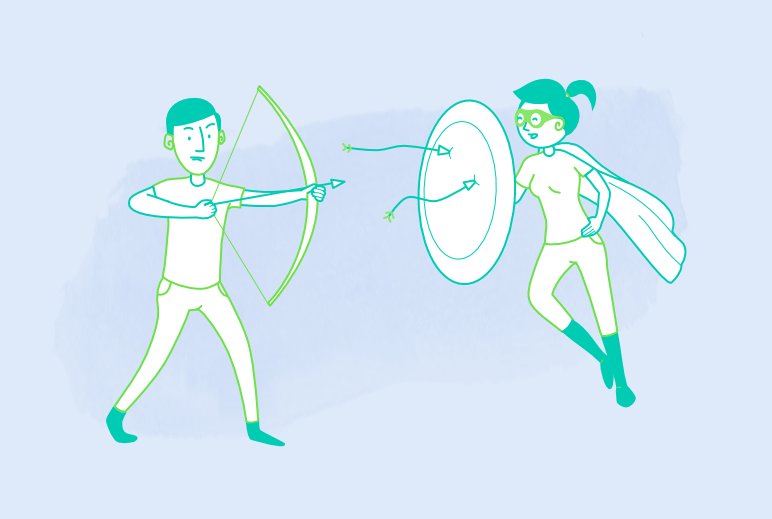
Don’t let their behavior derail your success. Excel in your role to build a strong reputation. Prioritize self-care: exercise, hobbies, and support networks outside work. Therapy or coaching can provide personalized tools for resilience. Remember, you can’t change them, but you can control your reactions.
Preventing Passive-Aggressiveness in Your Team
Beyond individual handling, foster a culture of open communication. As a leader or team member, encourage feedback loops like regular check-ins. Promote psychological safety where direct expression is rewarded. Training on emotional intelligence can reduce such behaviors organization-wide.
Real-Life Examples and Success Stories
Consider Sarah, a marketing manager dealing with a designer who “forgot” revisions repeatedly. By implementing weekly status calls and documenting via Slack, she turned the dynamic around—the designer became proactive. Or Mike, whose coworker used sarcasm in meetings. Mike responded with humor and direct questions, diffusing tension and improving rapport.
These stories illustrate that professional handling yields results. Persistence pays off; most passive-aggressive individuals adjust when faced with clear, consistent boundaries.
Long-Term Benefits of Addressing Passive-Aggression
Mastering this skill enhances your career. It builds leadership qualities like emotional intelligence, valued by 90% of employers per LinkedIn surveys. Healthier interactions boost productivity—teams without passive-aggression report 20% higher output, per Gallup.
Ultimately, dealing with a passive-aggressive coworker professionally isn’t just reactive; it’s proactive career development. It sharpens your interpersonal skills, applicable across roles and industries.
Conclusion: Empower Yourself in the Workplace
Navigating a passive-aggressive coworker demands patience, strategy, and professionalism. By understanding the behavior, communicating assertively, setting boundaries, and seeking support when needed, you reclaim control. Prioritize your well-being and performance—don’t let subtle toxicity dim your shine. Implement these tips today for a more harmonious, productive work life. If challenges persist, professional resources like EAPs (Employee Assistance Programs) offer confidential guidance.
Keywords like “how to deal with passive-aggressive coworker,” “passive-aggressive behavior at work,” and “professional ways to handle coworker conflict” are optimized throughout for SEO. Share your experiences in the comments—what’s worked for you?