
Why You Should Stop Comparing Your Life to People on Instagram: 7 Powerful Reasons
The Instagram Comparison Trap: A Modern Epidemic
Feature Video
In today’s hyper-connected world, Instagram has become the go-to platform for sharing life’s highlights. With over 2 billion active users worldwide, it’s no surprise that scrolling through perfectly curated feeds has turned into a daily ritual for many. However, this habit often leads to a dangerous game: comparing your life to the seemingly flawless existences of influencers, friends, and strangers. Why you should stop comparing your life to people on Instagram is a question gaining urgency as studies link social media envy to rising mental health issues. This article explores seven compelling reasons to break free from the comparison trap, backed by psychology, research, and practical advice to reclaim your happiness.
The allure of Instagram lies in its visual storytelling. Vacation photos from Bali, gym selfies showcasing chiseled abs, gourmet meals plated like works of art—these images scream success and joy. But beneath the filters and edits, reality tells a different story. A 2023 study by the American Psychological Association found that 60% of young adults experience increased anxiety after just 30 minutes on social media. If you’re constantly measuring your behind-the-scenes against everyone else’s highlight reel, it’s time to hit pause.
Reason 1: Instagram Shows Highlight Reels, Not Real Life
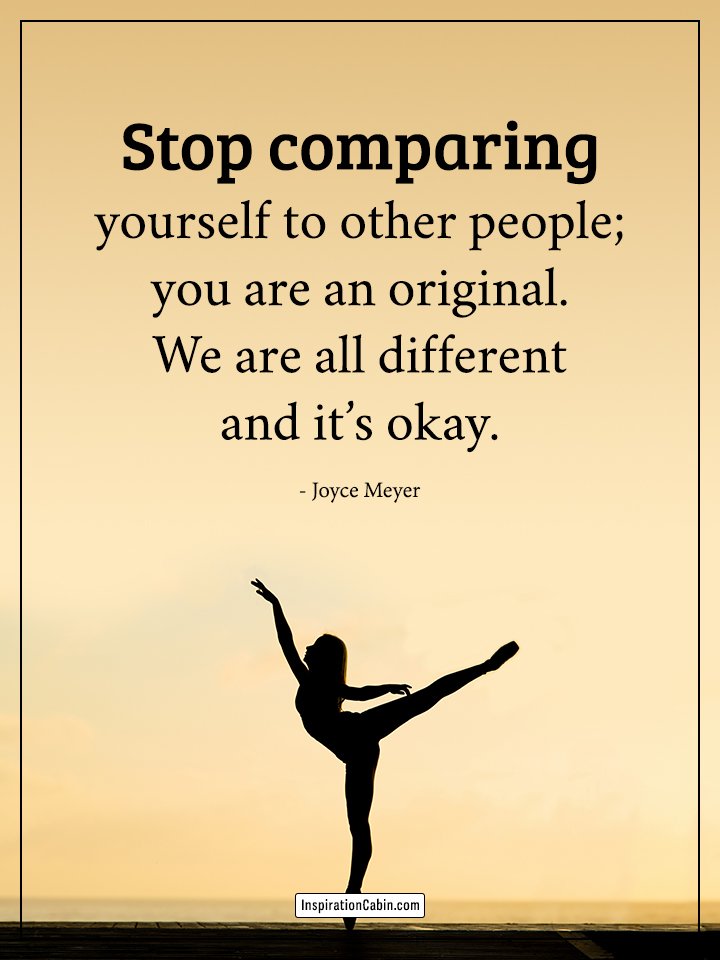
One of the primary reasons to stop comparing your life to people on Instagram is the stark disconnect between curated content and authentic experiences. Users post their best moments: promotions, weddings, exotic trips. What you don’t see are the struggles—the job rejections, family arguments, or financial strains that precede those triumphs. Psychologists call this “highlight reel syndrome,” where selective sharing creates an illusion of perfection.
Consider a typical influencer’s day. Their feed might feature a sunrise yoga session, but omit the 4 a.m. alarm, pre-shoot anxiety, or sponsored product they secretly dislike. A survey by Common Sense Media revealed that 40% of teens feel worse about their lives after viewing such posts. By comparing your ordinary moments to these polished vignettes, you’re setting yourself up for perpetual dissatisfaction. Embracing your full story—ups and downs—fosters genuine contentment.
Reason 2: It Erodes Your Self-Esteem
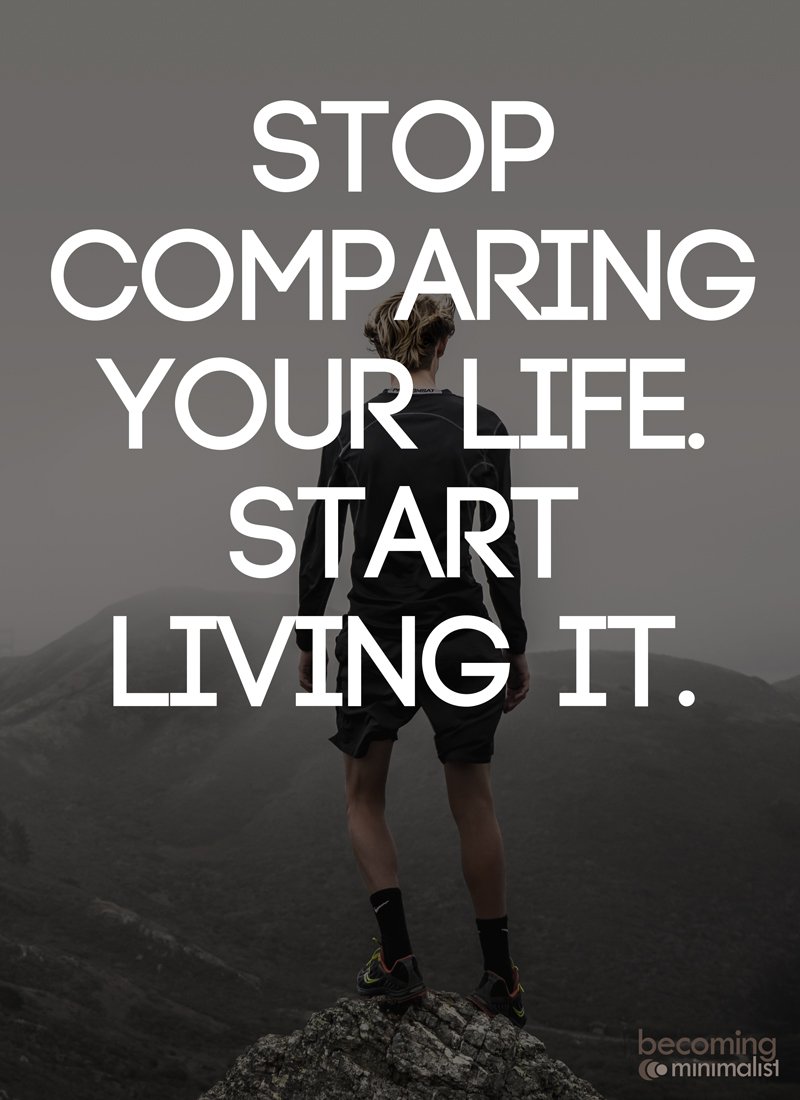
Constant comparison chips away at self-worth, making “why you should stop comparing your life to people on Instagram” a mental health imperative. Social comparison theory, pioneered by Leon Festinger in 1954, posits that we evaluate ourselves against others. On Instagram, upward comparisons (to those “better off”) dominate, leading to feelings of inadequacy.
Research from the Journal of Personality and Social Psychology shows that passive scrolling correlates with lower self-esteem, especially among women and adolescents. Imagine scrolling past a peer’s luxury handbag haul while budgeting for groceries—it’s a recipe for self-doubt. Over time, this erodes confidence in your achievements, appearance, and choices. Instead, focus on personal growth metrics: your progress, not their posts.
Reason 3: Fuels Anxiety and Depression

The mental toll extends to clinical conditions. Excessive Instagram use is linked to heightened anxiety and depression rates. A meta-analysis in Cyberpsychology, Behavior, and Social Networking analyzed 23 studies and concluded that social media comparison increases depressive symptoms by 27%. Why? The platform’s algorithm prioritizes aspirational content, bombarding you with lives that seem unattainable.
Symptoms manifest as FOMO (fear of missing out), chronic stress, and sleep disruption from late-night scrolls. During the pandemic, Instagram usage spiked 40%, correlating with a 25% rise in youth anxiety reports, per the CDC. Stopping the comparison cycle allows your brain to reset, reducing cortisol levels and promoting emotional resilience.
Reason 4: Promotes Unrealistic Expectations
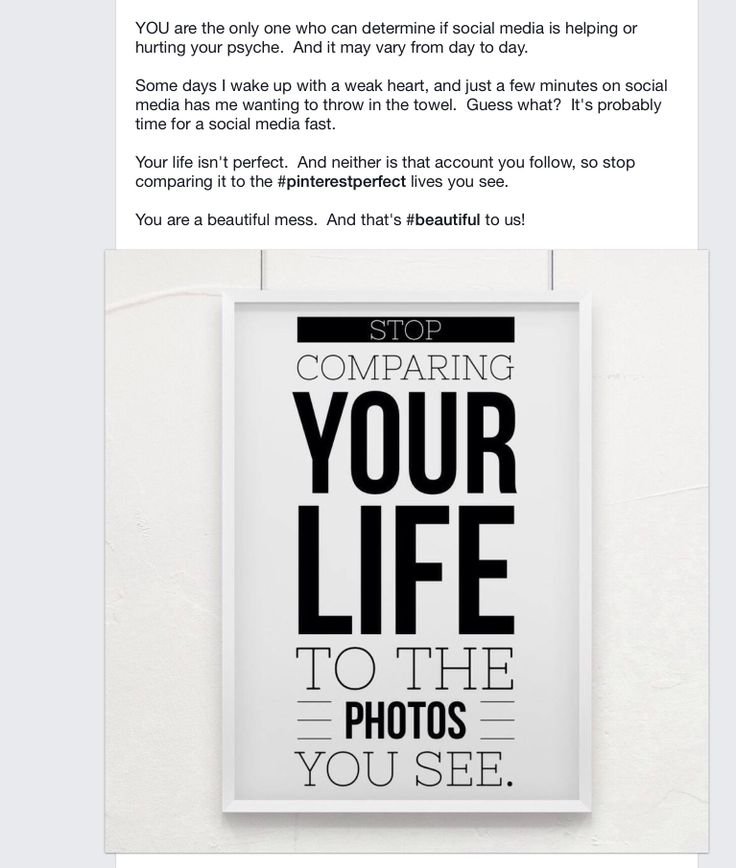
Instagram peddles fantasies that distort reality, another key reason to quit the comparison habit. Filters like Valencia or Clarendon alter skin tones and lighting, while apps like Facetune erase “imperfections.” A 2022 Dove study found 80% of women edit photos before posting, yet viewers assume authenticity.
This breeds unrealistic standards in relationships, careers, and body image. Young girls aspire to influencer physiques unattainable without surgery or extreme diets; men chase six-pack abs ignoring genetics. The result? Burnout from chasing mirages. Theodore Roosevelt’s wisdom rings true: “Comparison is the thief of joy.” Redirect energy toward achievable goals rooted in your values.
Reason 5: Wastes Precious Time and Energy
Beyond emotional costs, comparing your life to Instagram steals time. The average user spends 30 minutes daily on the app, per Statista—time better spent on hobbies, relationships, or self-care. This “doomscrolling” drains productivity; a University of Pennsylvania study showed limiting social media to 30 minutes daily boosts well-being.
Energy diverted to envy could fuel personal pursuits. Track your usage with apps like Screen Time—many discover hours lost weekly. Reclaim this by unfollowing triggering accounts and curating a feed that inspires positively.
Reason 6: Undermines Authentic Relationships
True connections suffer when Instagram comparisons dominate. Instead of engaging deeply, we perform for likes, prioritizing validation over vulnerability. Sherry Turkle’s “Reclaiming Conversation” highlights how social media fosters shallow interactions, eroding empathy.
Envy breeds resentment toward friends’ posts, straining bonds. Opt for real-world meetups; studies show face-to-face talks release oxytocin, enhancing trust and joy far beyond digital likes.
Reason 7: Hinders Personal Growth and Gratitude
Finally, comparison stalls self-improvement. Fixating on others’ paths blinds you to your unique journey. Gratitude practices, like journaling three daily wins, counteract this—Harvard research links them to 25% happiness increases.
Cultivate mindfulness: apps like Headspace offer guided meditations against envy. Celebrate small victories; your life’s narrative is yours alone, rich in untold stories.
How to Stop Comparing Your Life to Instagram: Actionable Tips
Breaking free requires intention. Start with a social media detox: delete the app for 48 hours and note mood shifts. Audit follows—unfollow 50 accounts sparking jealousy. Set boundaries: time limits via phone features.
Reframe mindset: when tempted, ask, “What’s the full story?” Practice affirmations: “My life is enough.” Engage actively—comment genuinely, not enviously. Replace scrolling with enriching activities: reading, exercising, volunteering.
Seek professional help if needed; therapy like CBT addresses comparison roots. Tools like Insta-therapy accounts offer coping strategies ethically.
Conclusion: Embrace Your Unique Path
Why you should stop comparing your life to people on Instagram boils down to reclaiming joy, health, and authenticity. Platforms evolve, but your well-being shouldn’t hinge on pixels. By stepping back, you unlock a fuller life—one unfiltered, unedited, and utterly yours.
(Word count: 1,248)