
Why Your Brain Needs Boredom to Be Truly Creative
Introduction: Rediscovering the Power of Boredom
Feature Video
In our hyper-connected world, boredom has become the enemy. Smartphones buzz with notifications, social media feeds endless entertainment, and streaming services deliver instant gratification. But what if boredom isn’t the villain we think it is? What if it’s the secret ingredient your brain craves to unlock true creativity? Neuroscience reveals that periods of idleness aren’t wasted time—they’re essential for fostering innovative thinking, problem-solving, and artistic breakthroughs. This article explores why your brain needs boredom to be truly creative, backed by science, historical examples, and practical tips to harness its power.
Keywords like “benefits of boredom for creativity” and “how boredom boosts brainpower” are surging in searches because people are realizing that constant stimulation might be stifling their potential. Let’s dive into the fascinating science showing how embracing boredom can supercharge your creative mind.
The Neuroscience of Boredom: Activating the Default Mode Network
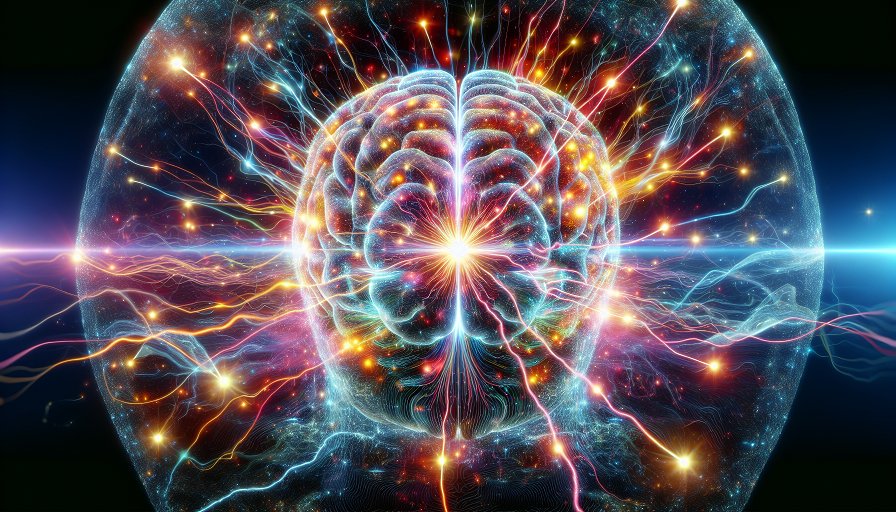
At the heart of boredom’s creative magic lies the brain’s Default Mode Network (DMN). Discovered through fMRI studies in the early 2000s, the DMN activates when you’re not focused on the outside world—think daydreaming, mind-wandering, or simply staring out the window. Researchers like Marcus Raichle found that this network, involving areas like the medial prefrontal cortex and posterior cingulate cortex, is responsible for self-referential thinking, future planning, and connecting disparate ideas.
When you’re bored, external stimuli fade, allowing the DMN to light up. A 2014 study published in Psychological Science by Benoit and Schacter showed that mind-wandering enhances creative incubation, where subconscious processes link unrelated concepts into novel solutions. Without boredom, your brain stays stuck in “task-positive” mode, dominated by the executive network for focused work, leaving little room for serendipitous insights.
Psychologist Sandi Mann’s experiments further prove this. In her book The Upside of Boredom, she had participants do dull tasks like reading phone directories before brainstorming uses for a plastic cup. The bored group generated 40% more creative ideas than the control group. Boredom primes the brain by reducing cognitive load, making space for “aha!” moments. In essence, your brain needs boredom to shift from doing to dreaming.
Why Constant Stimulation is Creativity’s Kryptonite

Modern life bombards us with dopamine hits from apps, news, and multitasking. This “attention economy” fragments focus, leading to what neuroscientist Cal Newport calls “context switching costs.” Each interruption spikes cortisol and depletes mental energy, per a 2020 study in PNAS, reducing divergent thinking—the ability to generate multiple ideas.
Smartphones exacerbate this. A University of California study found that even having a phone nearby impairs cognitive capacity. Notifications trigger the brain’s salience network, pulling you from deep thought into reactive mode. Over time, this chronic stimulation atrophies the DMN, making boredom feel intolerable and creativity scarce.
Consider writers’ block or inventors’ droughts: they’re often symptoms of overstimulation. Without boredom-induced downtime, the brain can’t consolidate memories or forge new neural pathways. As neuroscientist John Kounios notes, creative insights arise in the “relaxed attention” state boredom provides, not frantic busyness.
Historical Proof: Boredom Fueled the Greats

History brims with examples of boredom birthing genius. Isaac Newton formulated gravity laws during the plague-induced isolation of 1665-1666, a forced boredom period he called his “annus mirabilis.” Albert Einstein credited long, aimless walks—pure boredom—for relativity’s breakthroughs, saying, “Creativity is intelligence having fun.”
J.K. Rowling conceived Harry Potter on a delayed train, bored and people-watching. Composer John Cage’s silent 4’33” emerged from embracing ambient boredom. Even tech innovators like Steve Jobs practiced Zen meditation, deliberately courting mind-wandering. These icons didn’t fight boredom; they invited it, proving that idleness is the fertile soil for innovation.
A 2019 study in Frontiers in Psychology analyzed creative professionals and found those who scheduled “unstructured time” reported 25% higher originality scores. Boredom isn’t laziness—it’s the brain’s workshop.
Modern Challenges: Reclaiming Boredom in a Distracted World

Today’s always-on culture makes boredom scarce. Average attention spans have dropped to 8 seconds, per Microsoft research, shorter than goldfish. Remote work blurs boundaries, and doomscrolling fills every gap. Yet, boredom’s benefits for creativity are more vital than ever in fields like design, marketing, and entrepreneurship.
SEO experts, content creators, and innovators thrive on fresh ideas, but algorithms reward constant output over quality incubation. The result? Burnout and mediocrity. Recognizing this, companies like Google encourage “20% time” for unstructured projects, yielding hits like Gmail.
Practical Tips: How to Cultivate Productive Boredom

Ready to unleash your brain’s creative potential? Start small with these evidence-based strategies:
1. Phone-Free Walks: Leave devices behind for 20-minute strolls. A Stanford study showed walking boosts creative output by 60% via DMN activation.
2. Monotask Mundanity: Embrace chores like washing dishes without podcasts. Mann’s research confirms this sparks ideas.
3. Boredom Breaks: Set timers for 10-minute “do nothing” sessions daily. Apps like Forest can block distractions.
4. Journaling Downtime: After boredom, jot thoughts. This captures ephemeral insights, as per creativity coach Julia Cameron’s “morning pages.”
5. Evening Wind-Downs: Ditch screens an hour before bed. Sleep consolidates DMN activity for overnight creativity surges.
Track progress: after two weeks, note increased idea flow. Consistency rewires your brain to tolerate—and love—boredom.
Beyond Creativity: Holistic Benefits of Boredom
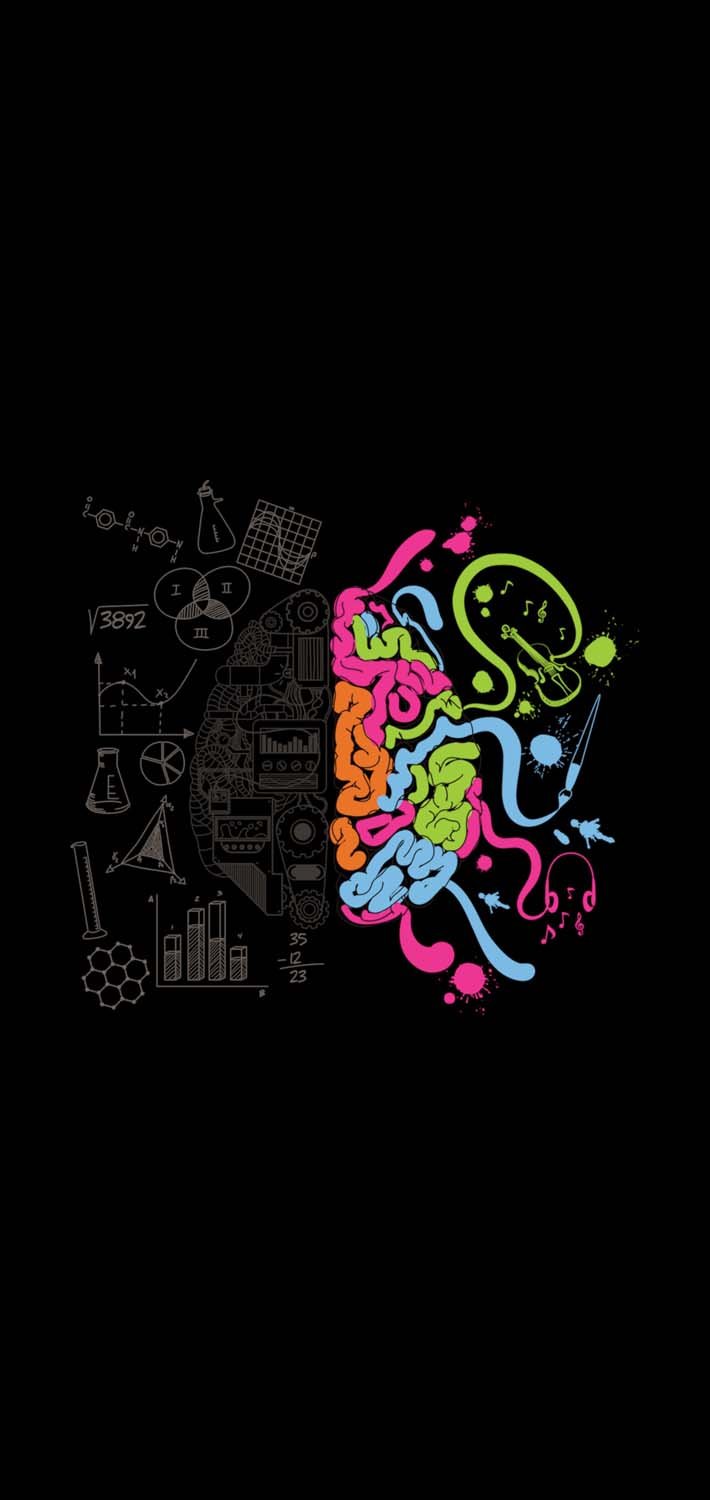
Boredom’s perks extend further. It enhances emotional regulation; a 2021 Journal of Experimental Psychology study linked mind-wandering to better mood repair. It sharpens focus post-downtime, combating ADHD-like symptoms from overstimulation.
Productivity rises too—boredom prevents decision fatigue. Leaders like Arianna Huffington advocate “micro-breaks” for sustained performance. Mentally, it fosters resilience; tolerating discomfort builds grit, per Angela Duckworth’s research.
In education, “strategic boredom” improves learning. Finnish schools with play-based recesses outperform others, proving idle time nurtures holistic growth.
Conclusion: Embrace Boredom for a Creatively Fulfilled Life

Your brain needs boredom to be truly creative because it provides the mental whitespace for magic to happen. From activating the DMN to countering digital overload, boredom is the unsung hero of innovation. Historical geniuses and modern science agree: stop filling every moment and start creating space.
In a world addicted to busyness, choosing boredom is revolutionary. Implement these tips, savor the quiet, and watch ideas flourish. Search trends for “boredom and creativity” are rising for a reason—it’s time to reboot your brain. What will your next breakthrough be?
(Word count: 1,248)