
The Secret to Building Long-Term Wealth on a Modest Salary
Building long-term wealth on a modest salary might seem like an impossible dream in today’s economy, where rising costs and stagnant wages challenge even the most diligent savers. However, the secret lies not in earning a six-figure income but in mastering a set of proven financial principles that compound over time. This article reveals actionable strategies to achieve financial independence, regardless of your starting point. Whether you’re earning $40,000 or $60,000 annually, these steps can transform your financial future.
Assess Your Current Financial Situation
Feature Video
The foundation of building long-term wealth begins with a clear understanding of your financial baseline. Start by tracking every dollar you earn and spend for at least one month. Use free apps like Mint or YNAB (You Need A Budget) to categorize expenses into needs, wants, and savings. On a modest salary, this exercise often uncovers surprising leaks—such as daily coffee runs or unused subscriptions—that drain hundreds of dollars monthly.
Average Americans on modest salaries spend about 30-40% of income on housing, 15% on transportation, and 13% on food, according to Bureau of Labor Statistics data. Identify areas where you’re above these benchmarks and adjust. Calculate your net worth: assets minus liabilities. Even if it’s negative due to student loans or credit card debt, this number provides a starting point. Review your salary after taxes—say, $3,500 monthly—and set realistic goals, like saving 20% ($700) right off the top.
Understanding your baseline empowers you to make informed decisions. For instance, if rent consumes 50% of your income, consider roommates or relocating to a cheaper area. This step alone can free up funds for wealth-building activities.
Craft a Bulletproof Budget

A budget isn’t a restriction; it’s a roadmap to wealth. Adopt the 50/30/20 rule adapted for modest salaries: 50% on necessities, 25% on wants, and 25% on savings and debt repayment. On $50,000 yearly ($4,167 monthly pre-tax, roughly $3,300 after), allocate $1,650 to essentials, $825 to fun, and $825 to future wealth.
Make it zero-based: every dollar gets assigned a job. Prioritize high-impact categories. Use the envelope system digitally via apps to enforce limits. Review weekly and adjust for life changes like utility spikes. Automation is key—set up direct deposits for savings and bills to avoid temptation.
Successful budgeters on modest incomes report saving 15-30% consistently. Track progress with monthly net worth statements. Over time, this discipline turns modest savings into substantial wealth through compounding.
Save Aggressively with Purpose

Saving on a modest salary requires intentionality. Aim for 20-30% of income into high-yield savings accounts offering 4-5% APY, far better than traditional banks’ 0.01%. Build an emergency fund covering 3-6 months of expenses—$10,000-$20,000 for most modest earners—before aggressive investing.
Cut non-essentials ruthlessly: cook at home (save $200/month vs. eating out), use public transport or bike (save $100 on gas), and shop thrift or sales. The “no-spend” challenge for a week monthly builds momentum. Redirect windfalls like tax refunds directly to savings.
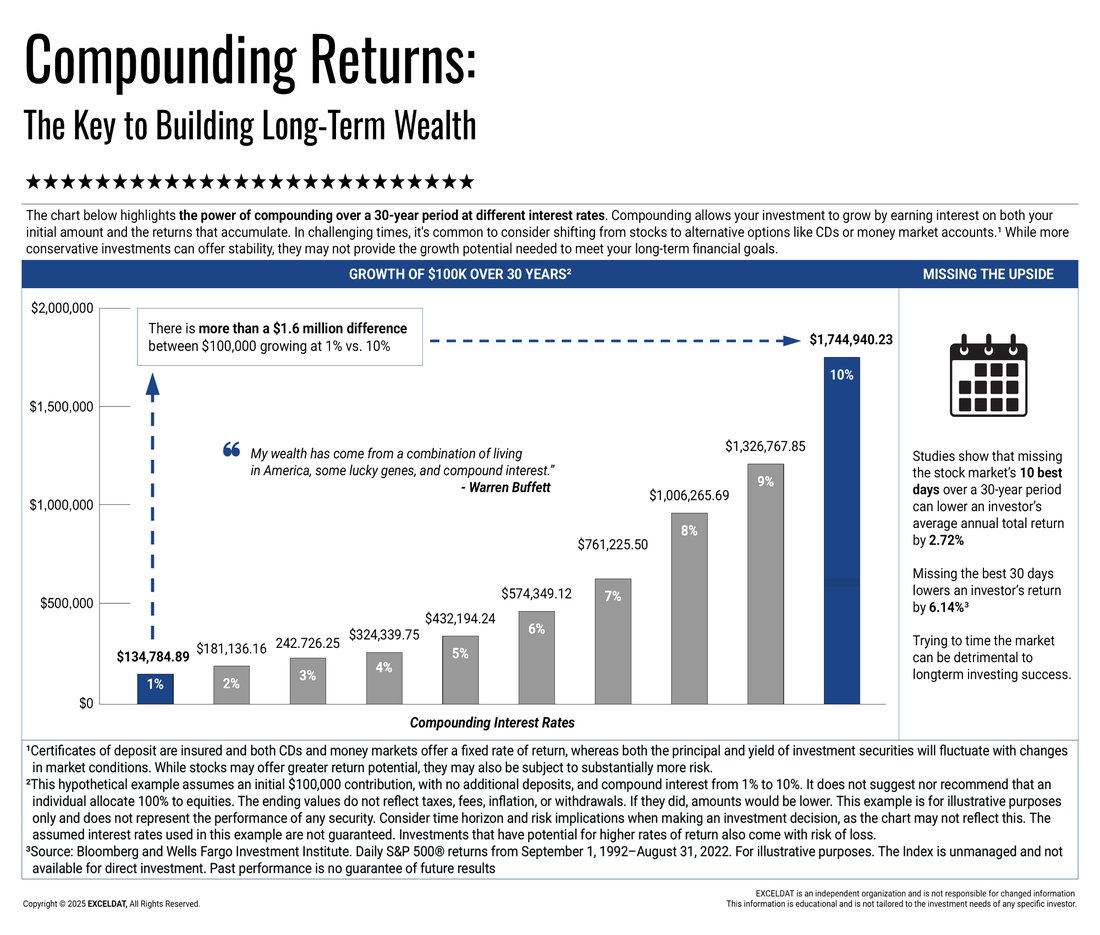
Psychologically, treat savings as a non-negotiable bill. Visualize goals: a $500,000 retirement nest egg by 65 requires saving $300/month at 7% returns from age 30. Tools like Vanguard’s retirement calculator illustrate this power.
Harness the Magic of Investing

Investing is the true secret to long-term wealth on a modest salary. Start with employer 401(k) matches—free money doubling your contribution. Contribute enough to max the match, say 6% on $50,000 ($3,000/year).
Open a Roth IRA for tax-free growth; 2024 limit is $7,000. Invest in low-cost index funds like Vanguard VTI or S&P 500 ETFs with expense ratios under 0.05%. Historical returns average 7-10% annually after inflation. Dollar-cost average: invest fixed amounts monthly to mitigate market volatility.
For modest salaries, robo-advisors like Betterment automate portfolios for $10 minimums. Avoid individual stocks; diversification protects against losses. Over 30 years, $200/month at 8% grows to $250,000. Patience is key—markets reward long-term holders.
Boost Your Income Strategically
Wealth accelerates with multiple streams. On a modest salary, negotiate raises annually (3-5% average) and upskill via free platforms like Coursera for certifications boosting pay 10-20%.
Side hustles fit around full-time jobs: freelancing on Upwork (writing, graphic design), ridesharing, or tutoring ($500-$1,000/month extra). Rent out space on Airbnb or a parking spot. Digital products like e-books or print-on-demand yield passive income.
Aim to increase income 10% yearly through promotions or gigs. Funnel 50-100% of raises into investments, not lifestyle inflation. Many millionaires on modest base salaries attribute wealth to consistent side income.
Avoid and Eliminate Debt

Debt is wealth’s kryptonite. High-interest credit cards (20%+ APR) erode savings. Use the debt snowball: pay minimums on all, extra on smallest balance for momentum, or avalanche method for highest interest first.
Avoid new debt by living below means. Consolidate with 0% balance transfers. Student loans? Enroll in income-driven repayment. Mortgage? Buy modestly, put 20% down to avoid PMI.
Debt-free individuals save 2-3x more. Celebrate milestones to stay motivated.
Cultivate a Wealth-Building Mindset

Mindset separates wealthy from wishful thinkers. Read “The Millionaire Next Door” or “Rich Dad Poor Dad.” Surround yourself with savers via communities like Reddit’s r/personalfinance.
Practice delayed gratification: wait 30 days before big purchases. Track gratitude for current blessings to curb consumerism. Set audacious goals like financial independence by 50 via the FIRE movement (Financial Independence, Retire Early).
Review finances quarterly. Adapt to inflation or job loss. Consistency trumps intensity—daily habits compound like interest.
Protect and Grow Your Wealth

Insurance safeguards gains: health, renters/home, term life (10-20x salary). Estate planning via wills prevents family disputes.
Tax optimize: HSAs for medical, 529s for education. As wealth grows, diversify into real estate via REITs or crowdfunding (minimums $500).
Monitor fees eroding returns. Rebalance portfolios yearly.
Real-Life Success Stories
Meet Sarah, a teacher on $45,000 salary. She budgeted strictly, maxed Roth IRA, and side-hustled as a virtual assistant. At 40, her net worth hit $300,000. Or Mike, a retail worker who invested in index funds post-debt payoff, retiring at 55 with $1M.
These stories prove it’s possible. Track your progress; adjust as needed.
In conclusion, building long-term wealth on a modest salary demands discipline, education, and time. Assess finances, budget ruthlessly, save aggressively, invest wisely, boost income, shun debt, and nurture the right mindset. Start today—your future self will thank you. With compounding, even $200 monthly becomes millionaire potential. Commit now for lasting financial freedom.
(Word count: 1,248)