
Why Your Current Diet is Failing and the Science of Satiety
Introduction: The Hidden Reason Diets Don’t Work
Feature Video
Have you ever started a diet with high hopes, only to find yourself starving, irritable, and giving in to cravings after just a few days? You’re not alone. Millions of people struggle with weight loss because their diets ignore one crucial factor: satiety. Satiety, the feeling of fullness after eating, is the science-backed key to sustainable weight loss. Traditional diets focus on calorie counting or carb elimination, but they fail because they don’t address why you feel hungry all the time. In this article, we’ll explore why your current diet is failing and dive into the science of satiety to help you eat less without feeling deprived.
Understanding satiety isn’t just about willpower; it’s rooted in biology. Hormones, food composition, and eating patterns play pivotal roles. By optimizing for satiety, you can naturally reduce calorie intake, boost metabolism, and achieve long-term success. Let’s uncover the truths that could transform your approach to dieting.
Why Most Diets Fail: Beyond Calories In, Calories Out
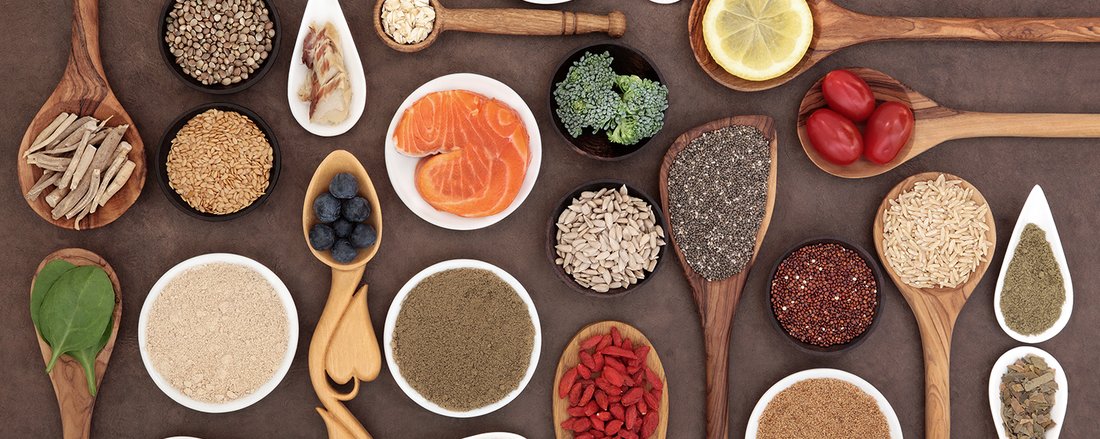
The “calories in, calories out” model dominates diet advice, but it’s oversimplified. While energy balance matters, it ignores hunger signals. Low-calorie diets often lead to rebound weight gain because they trigger intense hunger. A study in the New England Journal of Medicine followed participants on various diets and found that those emphasizing satiety—high in protein and fiber—resulted in greater weight loss and adherence.
Common diets like keto, intermittent fasting, or juice cleanses promise quick results but falter long-term. Keto suppresses appetite initially via ketosis, but many regain weight once carbs return. Intermittent fasting works for some by compressing eating windows, but without satiety-focused meals, bingeing occurs. Juice cleanses? They’re nutrient-poor and lead to metabolic slowdown. Your diet fails because it battles biology instead of harnessing it.
Research from the Satiety Index, developed by Dr. Susanne Holt at the University of Sydney, ranks foods by fullness per calorie. Boiled potatoes score highest, while croissants rank lowest. Diets heavy in low-satiety foods like processed snacks doom you to overeating.
What is Satiety? Defining Fullness Science
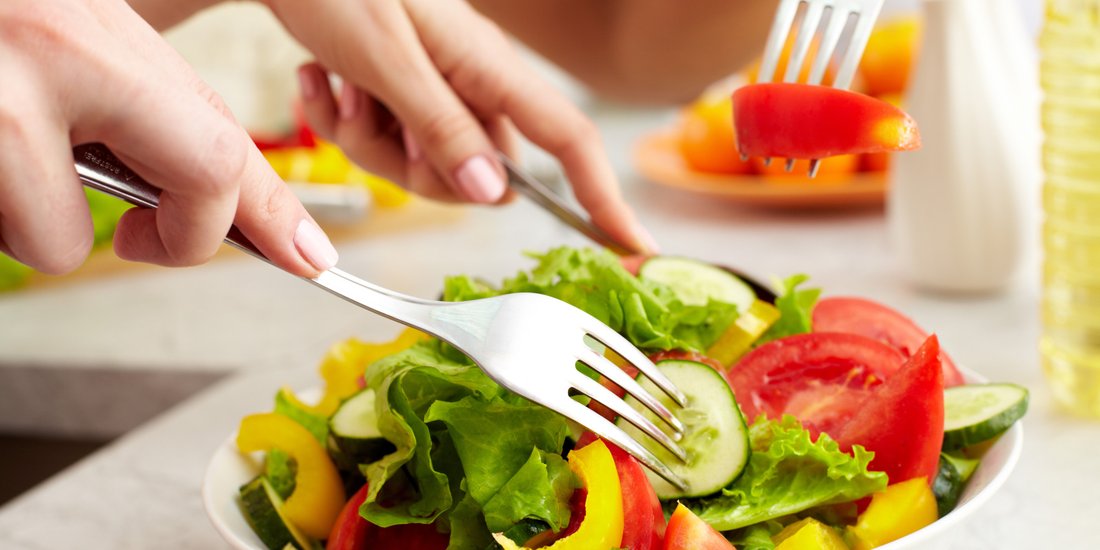
Satiety is the absence of hunger after a meal, extending into satisfaction that prevents snacking. It’s distinct from satiation, the process stopping you mid-meal. Satiety determines total daily intake. High-satiety meals mean fewer calories overall without restriction.
Psychologically, satiety involves the brain’s reward system. Dopamine from sugary foods creates addiction-like cycles, overriding fullness. Physiologically, it’s hormone-driven. Poor satiety leads to “yo-yo dieting,” where 95% of dieters regain weight within five years, per UCLA research.
The Science of Satiety: Hormones and Nutrients at Play

Satiety is orchestrated by gut-brain hormones. Ghrelin, the “hunger hormone” from the stomach, rises pre-meal and drops post-eating. Leptin, from fat cells, signals fullness to the hypothalamus but desensitizes in obesity.
Post-meal stars include cholecystokinin (CCK), peptide YY (PYY), and GLP-1. Protein triggers CCK most potently, slowing gastric emptying. Fiber expands in the gut, activating stretch receptors. Healthy fats, especially omega-3s, enhance PYY release.
A landmark study in Cell Metabolism showed high-protein meals suppress ghrelin 25% more than high-carb ones. Soluble fiber like oats forms a gel, delaying absorption. Volume matters too—low-calorie, high-volume foods (e.g., popcorn) outperform dense calories.
Micronutrients influence satiety. Magnesium deficiency spikes hunger; omega-3s stabilize blood sugar. Gut microbiome ferments fiber into short-chain fatty acids, boosting GLP-1. Probiotic-rich foods enhance this axis.
Chewing and eating speed affect satiety. Mindful eating increases CCK by 20%, per Japanese research. Hot foods may satisfy more via sensory signals.
Common Diet Pitfalls That Sabotage Satiety
Your current diet likely fails due to these errors:
- Low Protein: Most diets skimp on protein, the most satiating macronutrient. Aim for 1.6-2.2g/kg body weight daily.
- Fiber Deficiency: Modern diets average 15g fiber vs. recommended 30g. Ultra-processed foods lack it.
- Liquid Calories: Sodas and shakes bypass fullness signals, adding 200+ sneaky calories.
- Skipping Meals: Without satiety cues, overeating ensues later.
- Carb-Heavy Meals: Refined carbs spike insulin, crashing blood sugar and hunger.
Low-fat diets exemplify failure—fats are satiating. A meta-analysis in The Lancet found low-fat diets less effective than balanced ones.
Hacking Satiety: Practical Strategies for Diet Success

Transform your diet with science:
- Prioritize Protein: Start meals with eggs, Greek yogurt, or lean meats. Whey protein excels, per American Journal of Clinical Nutrition.
- Load Up on Fiber: Vegetables, berries, legumes. Psyllium husk supplements amplify effects.
- Choose Whole Foods: Satiety Index favors potatoes, fish, apples over cereals, pastries.
- Incorporate Healthy Fats: Avocados, nuts, olive oil blunt hunger.
- Volume Eating: Salads, broth-based soups fill without calories.
- Optimize Meal Timing: Protein-paced eating—30g every 3-5 hours—stabilizes hormones.
- Hydrate and Vinegar: Water pre-meal cuts intake 13%; apple cider vinegar boosts satiety.
Track with apps like Cronometer for satiety scores. Combine with strength training—muscle boosts leptin sensitivity.
Real-World Evidence: Satiety-Driven Diets That Work
The Volumetrics Diet by Dr. Barbara Rolls emphasizes low-energy-density foods, yielding 5-10% weight loss sustained. Protein leverage hypothesis suggests innate protein drive causes fat overconsumption on low-protein diets.
GLP-1 agonists like Ozempic mimic satiety hormones, proving their power—but lifestyle changes achieve similar without drugs.
Conclusion: Reclaim Control with Satiety Science
Your current diet fails because it ignores satiety, the biological brake on overeating. By understanding hormones like ghrelin and GLP-1, prioritizing protein and fiber, and avoiding pitfalls, you can eat satisfyingly while losing weight. Sustainable change beats short-term deprivation. Start today: audit your plate for satiety potential. Consult a professional for personalization. Embrace the science of satiety for a hunger-free path to health.
(Word count: 1217)