
Why You Should Stop Eating Processed Seed Oils Immediately: Health Risks and Better Alternatives
Why You Should Stop Eating Processed Seed Oils Immediately: Health Risks and Better Alternatives
Processed seed oils have infiltrated nearly every aisle of the grocery store, from salad dressings to snacks and fast food. Oils like canola, soybean, corn, sunflower, safflower, and grapeseed are staples in modern kitchens. But emerging research reveals a dark side: these industrially processed fats may be fueling chronic inflammation, heart disease, obesity, and more. If you’re serious about your health, it’s time to stop eating processed seed oils immediately. In this comprehensive guide, we’ll explore the science-backed reasons why, the hidden dangers, and practical alternatives to reclaim your vitality.
What Are Processed Seed Oils and Why Are They Everywhere?
Feature Video
Processed seed oils are extracted from the seeds of plants like soybeans, corn, sunflowers, and rapeseeds (canola). Unlike traditional fats such as olive oil or butter, these oils undergo intense industrial processing. High heat, chemical solvents like hexane, bleaching, and deodorizing strip away natural nutrients and introduce harmful compounds.
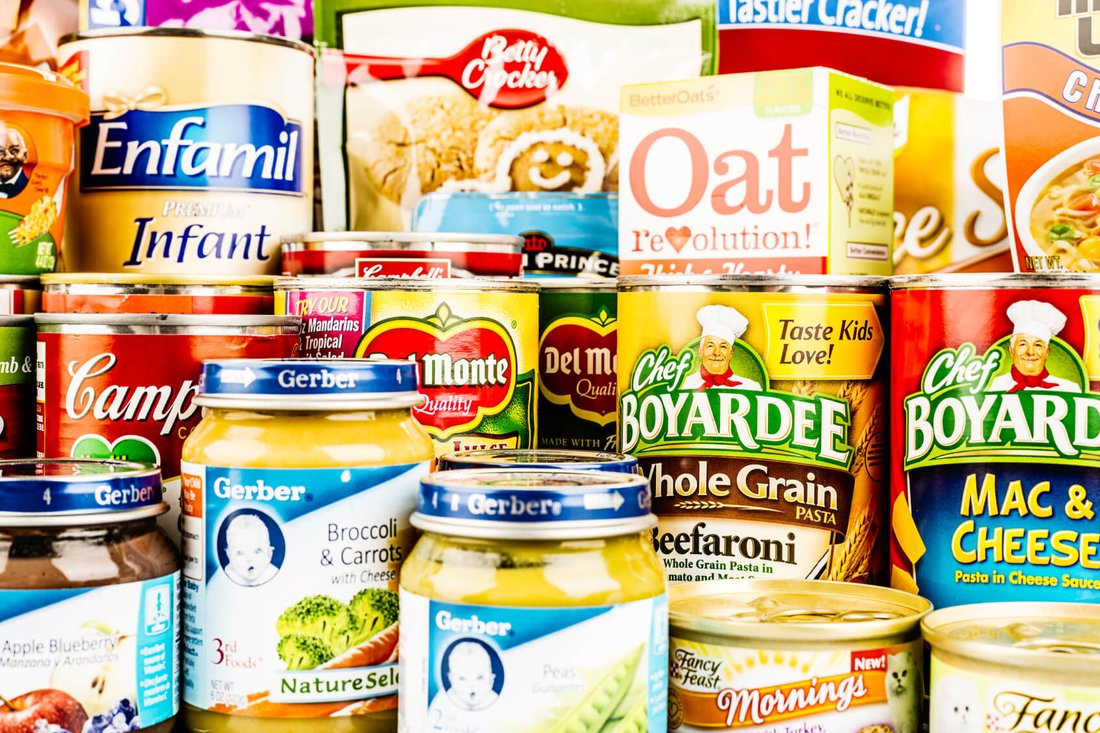
These oils became popular in the 20th century due to their low cost, long shelf life, and high smoke points, making them ideal for frying and processed foods. Today, Americans consume over 60 pounds of seed oils per person annually—up from virtually zero a century ago. They’re hidden in everything from margarine to mayo, cookies to chicken nuggets. But cheap convenience comes at a steep health price.
The Omega-6 Overload: Fueling Chronic Inflammation

One of the primary culprits is the omega-6 to omega-3 fatty acid imbalance. Processed seed oils are loaded with linoleic acid, an omega-6 fat. While omega-6s are essential in moderation, modern diets provide 20:1 ratios—far exceeding the ideal 4:1 or lower.
Excess omega-6s promote arachidonic acid production, triggering pro-inflammatory eicosanoids. Chronic low-grade inflammation underlies heart disease, diabetes, arthritis, and even cancer. A 2018 study in The BMJ linked high linoleic acid intake to increased mortality from all causes. Similarly, research from the Shanghai Women’s Health Study found women consuming the most plant oils had a 29% higher risk of inflammatory diseases.
Stop eating processed seed oils immediately to restore balance. Your body will thank you with reduced joint pain, clearer skin, and better energy levels.
Oxidation and Toxic Byproducts: A Recipe for Cellular Damage
Seed oils are polyunsaturated fats (PUFAs) highly prone to oxidation. When exposed to heat, light, or air—common in cooking—they form harmful aldehydes, free radicals, and lipid peroxides. These compounds damage cells, DNA, and proteins, accelerating aging and disease.
Frying with seed oils? You’re inhaling acrolein and other toxins linked to lung cancer and Alzheimer’s. A 2020 review in Nutrients confirmed that heated seed oils generate more oxidative stress than saturated fats like coconut oil. Even at room temperature, they oxidize in your body, contributing to endothelial dysfunction—a precursor to atherosclerosis.
Real-world evidence: Populations like the Japanese, who favor stable fats like sesame oil, have lower rates of heart disease despite high-fat diets. Ditch seed oils now to protect your arteries and brain.
Heart Disease Myth Busted: Seed Oils Do More Harm Than Good

The American Heart Association once championed seed oils for their “heart-healthy” polyunsaturated fats. But decades of data tell a different story. The Minnesota Coronary Experiment (1968-1973) replaced saturated fats with corn oil, only to find a 22% increased mortality risk—suppressed until 2016.
A 2021 meta-analysis in Circulation showed no cardiovascular benefit from omega-6-rich oils; some trials indicated harm. Meanwhile, countries shifting to seed oils post-WWII saw heart disease skyrocket. Sydney diet-heart study participants on safflower oil had double the heart attack risk compared to saturated fat groups.
Obesity epidemic correlation? Seed oils’ hyper-palatability drives overeating. Rat studies show they hijack reward pathways like drugs. Cut them out immediately for better weight control and heart health.
Links to Obesity, Diabetes, and Metabolic Chaos

Beyond hearts, seed oils disrupt metabolism. Their PUFAs alter insulin sensitivity and leptin signaling, promoting fat storage. A 2019 study in PLOS Medicine tied high seed oil intake to a 30% greater obesity risk. In animal models, soybean oil-fed mice gained 25% more weight than lard-fed counterparts, even on calorie-matched diets.
Diabetes? Oxidized PUFAs impair pancreatic beta cells. The PREDIMED trial highlighted extra-virgin olive oil’s protective effects—contrasting seed oils’ harm. Mental health suffers too: omega-6 excess correlates with depression via neuroinflammation, per a 2022 Journal of Affective Disorders review.
By stopping processed seed oils immediately, you’ll stabilize blood sugar, shed stubborn fat, and sharpen focus.
Gut Health and Microbiome Disruption

Emerging research implicates seed oils in dysbiosis. Their inflammatory effects kill beneficial bacteria while feeding pathogens. A 2023 Gut Microbes study found linoleic acid shifts gut flora toward obesity-promoting strains. Leaky gut from oxidation worsens allergies and autoimmunity.
Opt for gut-friendly fats to heal from within.
Environmental and Ethical Concerns
Seed oil production devastates ecosystems: monocrops deplete soil, pesticides poison waterways, and hexane extraction pollutes. Canola relies on GMO rapeseed; soy drives Amazon deforestation. Choosing sustainable alternatives supports planetary health too.
Healthier Alternatives to Processed Seed Oils
Transition easily with these stable, nutrient-dense options:
- Extra-Virgin Olive Oil (EVOO): Monounsaturated fats resist oxidation; antioxidants like oleocanthal fight inflammation. Use cold for salads, low-heat cooking.
- Avocado Oil: High smoke point (520°F), vitamin E-rich. Perfect for frying.
- Coconut Oil: Saturated fats stable at high heat; MCTs boost metabolism.
- Butter or Ghee: From grass-fed sources, provide vitamins A, K2, CLA for heart health.
- Animal Fats: Tallow, lard—traditional, nutrient-packed.
Start by reading labels: avoid “vegetable oil,” “partially hydrogenated,” anything refined. Cook at home, batch-prep dressings with EVOO and vinegar.
How to Quit Seed Oils: A 30-Day Plan
Week 1: Audit pantry, toss suspects. Stock alternatives.
Week 2: Swap cooking oils, check restaurant menus.
Week 3: Make homemade snacks, dressings.
Week 4: Notice benefits—less bloating, stable energy.
Pro tip: Beef tallow fries rival seed oils without toxins.
Real Stories and Expert Endorsements
Dr. Cate Shanahan (author, Deep Nutrition) calls seed oils “hateful eight.” Dave Asprey and Paul Saladino echo: eliminating them transformed their health. Thousands report reversed symptoms post-quit.
Conclusion: Reclaim Your Health Today
Processed seed oils masquerade as healthy but deliver inflammation, oxidation, and disease. Science—from suppressed trials to modern meta-analyses—screams: stop eating them immediately. Switch to ancestral fats like olive oil, avocado, and butter for vibrant health, effortless weight loss, and longevity.
Your body heals fast. In weeks, expect reduced cravings, glowing skin, and peak performance. Prioritize real foods over industrial frankenfats. Your future self demands it.
(Word count: 1,248)