
The Truth About Artificial Sweeteners and Your Metabolic Health
In a world obsessed with cutting calories and managing weight, artificial sweeteners have become a staple in diet sodas, sugar-free gums, and low-carb recipes. Marketed as guilt-free alternatives to sugar, these zero- or low-calorie sweeteners promise sweetness without the metabolic fallout. But what’s the real story? Do they truly support metabolic health, or are they silently sabotaging your body’s sugar-processing machinery? This article dives deep into the science behind artificial sweeteners and their impact on metabolism, gut health, insulin response, and long-term weight management. Backed by recent studies and expert insights, we’ll uncover the truths, myths, and practical advice to help you make informed choices for optimal metabolic health.
What Are Artificial Sweeteners and How Do They Work?
Feature Video
Artificial sweeteners, also known as non-nutritive sweeteners (NNS), are synthetic compounds designed to mimic sugar’s taste while delivering negligible calories. Unlike natural sugars like glucose or fructose, which provide 4 calories per gram, these sweeteners are hundreds or thousands of times sweeter, requiring tiny amounts for the same sweetness level. Common examples include aspartame (Equal, NutraSweet), sucralose (Splenda), saccharin (Sweet’N Low), acesulfame potassium (Ace-K), and stevia (a plant-derived option often grouped with them).
Their mechanism is simple: they bind to sweet taste receptors on the tongue, triggering the perception of sweetness without being metabolized like sugar. Your body doesn’t break them down for energy, so they pass through largely unchanged. Approved by regulatory bodies like the FDA and EFSA after rigorous testing, they’re deemed safe for most people up to daily intake limits (e.g., 50 mg/kg body weight for aspartame). However, metabolic health concerns arise not from toxicity but from how they interact with your body’s metabolic signals.
The Link Between Artificial Sweeteners and Metabolic Health
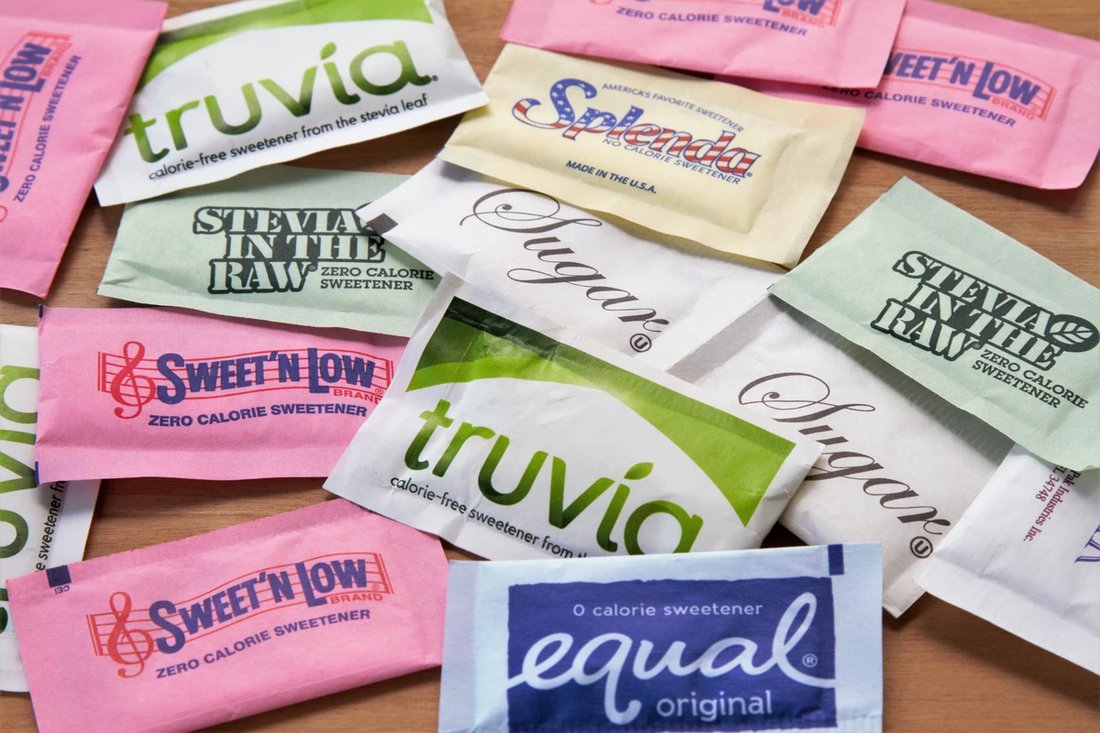
Metabolic health encompasses blood sugar control, insulin sensitivity, lipid profiles, and inflammation—key factors in preventing diabetes, obesity, and heart disease. Sugar spikes these metrics negatively, so swapping it for artificial sweeteners seems logical. Yet, emerging research paints a more nuanced picture. A 2022 meta-analysis in Nutrients reviewed 20 randomized controlled trials (RCTs) and found that while short-term blood glucose doesn’t rise with NNS, long-term effects on insulin and gut microbiota could indirectly impair metabolism.
One theory is the “cephalic phase insulin response.” Tasting sweetness—real or fake—triggers an anticipatory insulin release from the pancreas, preparing for calories that never arrive. Over time, this mismatch might desensitize insulin pathways, mimicking metabolic dysfunction seen in reactive hypoglycemia. Animal studies, like those from Weizmann Institute (2014), showed mice given saccharin developed glucose intolerance via gut microbiome alterations, transferable via fecal transplants.
Gut Microbiome: The Hidden Player in Sweetener Effects

Your gut microbiome—trillions of bacteria influencing 70-80% of immune function and metabolism—may be the battleground. Artificial sweeteners aren’t fully inert; sucralose and saccharin can alter bacterial composition, reducing beneficial strains like Bifidobacterium and promoting inflammation-linked ones. A 2023 study in Cell exposed human gut models to aspartame and sucralose, observing dysbiosis that impaired short-chain fatty acid (SCFA) production. SCFAs like butyrate fuel colon cells and regulate glucose homeostasis; their decline links to insulin resistance.
Human evidence is mixed but growing. The American Gut Project (2014) correlated higher saccharin intake with reduced microbial diversity. A Yale study (2016) fed sucralose to healthy adults, noting microbiome shifts and elevated blood sugar responses to glucose tolerance tests. Critics argue causation isn’t proven—confounders like diet exist—but the pattern suggests caution for those with metabolic issues like prediabetes.
Weight Management: Do They Help or Hinder?

Proponents cite observational data: diet soda drinkers often have lower BMIs. But reverse causation looms—overweight people choose diet drinks to lose weight. RCTs tell a different tale. A 2021 JAMA review of 17 trials found NNS didn’t significantly aid weight loss beyond placebo, and some participants gained weight, possibly from compensatory overeating. Sweet taste without calories might confuse appetite hormones like ghrelin and GLP-1, leading to cravings.
Stevia and monk fruit fare better, with minimal microbiome disruption and potential benefits like improved insulin sensitivity in small trials. A 2022 Diabetes Care study showed stevia lowered post-meal glucose in type 2 diabetics more than aspartame. For metabolic health, whole-food sweetness (berries, spices) trumps synthetics.
Insulin Sensitivity and Diabetes Risk

Artificial sweeteners’ diabetes link is hotly debated. Large cohorts like the Nurses’ Health Study (2020) associated higher NNS intake with 20-30% greater type 2 diabetes risk, but adjustment for BMI attenuated it. Short-term RCTs show no acute insulin spike, yet chronic use might foster resistance. A 2019 Nature Medicine trial gave sucralose for 10 days; participants’ glucose responses worsened, hinting at rapid metabolic adaptation.
Aspartame breaks down to phenylalanine, aspartic acid, and methanol—none directly impacting insulin—but phenylalanine stimulates incretins. Overall, for healthy metabolisms, risk is low; for impaired ones, NNS might exacerbate issues. The WHO’s 2023 advisory urged against NNS for weight control, citing “no long-term benefit” and “potential undesirable effects.”
Cardiovascular and Other Metabolic Concerns
Beyond diabetes, metabolic syndrome involves dyslipidemia and hypertension. Some studies link NNS to higher triglycerides and LDL, possibly via microbiome-driven inflammation. A 2022 Circulation review found diet soda intake correlated with stroke risk, though causation unclear. Cyclamates (banned in the US) once raised bladder cancer fears, but modern sweeteners pass safety tests.
Moderation is key: exceeding ADIs (e.g., 10-15 diet sodas daily for aspartame) risks phenylketonuria issues for susceptible individuals. Pregnant women and kids should limit intake per AAP guidelines.
Debunking Myths and Reviewing Key Studies
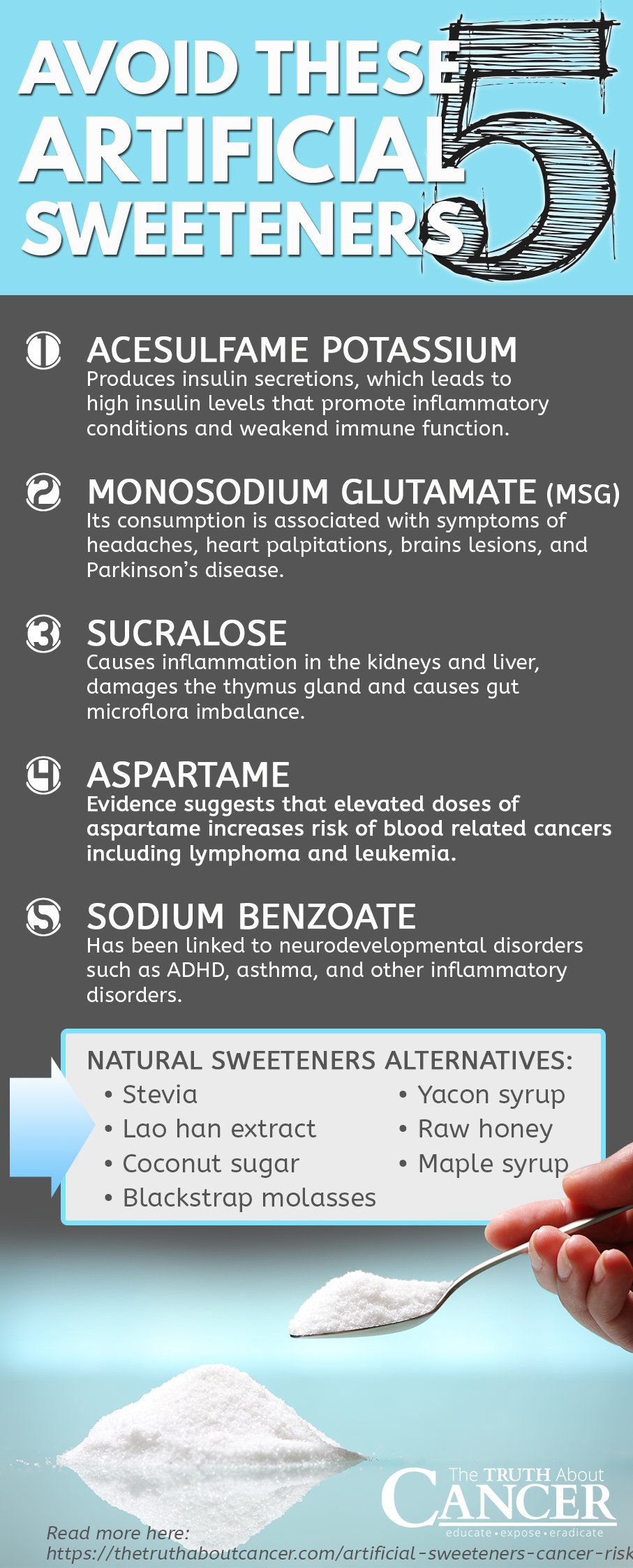
Myth 1: All artificial sweeteners cause cancer. Fact: IARC labels aspartame “possibly carcinogenic” (2023), but at doses 1,000x ADI; human data shows no link. Myth 2: They cause headaches. Anecdotal, not replicated in blinded trials. Key study: San Antonio Heart Study (10-year follow-up) linked diet drinks to doubled metabolic syndrome odds, independent of baseline weight.
Positive data exists: erythritol (sugar alcohol) shows neutral or beneficial effects in RCTs, improving endothelial function without gut issues.
Practical Recommendations for Metabolic Health
1. Prioritize whole foods: Retrain taste buds with fruit, cinnamon, vanilla. 2. Choose wisely: Opt for stevia or monk fruit over synthetics. 3. Cycle usage: Avoid daily reliance to prevent adaptation. 4. Monitor metrics: Track fasting glucose, HbA1c if at risk. 5. Support gut health: Probiotics, fiber-rich diets counter dysbiosis. Consult a doctor for personalized advice, especially with conditions like IBS or PCOS.
For athletes or keto dieters, occasional sucralose fits, but long-term metabolic vigilance is wise.
Conclusion: Sweetness Without Sacrifice?
Artificial sweeteners aren’t villains or heroes—they’re tools with trade-offs. For most, occasional use supports calorie control without derailing metabolism. But evidence mounts that chronic, high intake may subtly erode gut integrity, insulin sensitivity, and appetite regulation, particularly in vulnerable groups. True metabolic health thrives on balance: minimize processed foods, embrace real flavors, and let science guide—not dictate—your choices.
Word count: 1,248. Stay informed as research evolves; your body will thank you.