
The Psychological Power of Body Language in a Job Interview
In the high-stakes world of job interviews, your words matter—but what you don’t say speaks volumes. Body language, the unspoken language of gestures, posture, and facial expressions, holds immense psychological power. Studies from psychologists like Albert Mehrabian reveal that nonverbal communication accounts for up to 93% of the message in face-to-face interactions, with 55% attributed to body language alone. In a job interview, where first impressions form in mere seconds, mastering this silent communicator can be the difference between a callback and a rejection. This article explores the psychological underpinnings of body language in job interviews, offering actionable tips to harness its power and boost your confidence.
Understanding the Psychology Behind Body Language
Feature Video
Body language is rooted in evolutionary psychology. Humans, like primates, use nonverbal cues to signal dominance, submission, approachability, or threat. In an interview setting, these instincts play out subconsciously. For instance, open postures signal trustworthiness and competence, triggering mirror neurons in the interviewer’s brain that foster rapport. Research from the Journal of Nonverbal Behavior shows that interviewers form judgments about a candidate’s likability and hireability within the first four minutes, largely based on nonverbal signals.
Psychologically, positive body language releases oxytocin, the “bonding hormone,” enhancing interpersonal connections. Conversely, closed-off gestures activate the amygdala, heightening perceived stress or deceit. Understanding this allows candidates to align their nonverbal behavior with desired perceptions: confident, engaged, and team-oriented. By consciously adopting powerful stances, you influence not just the interviewer’s opinion but your own self-perception, creating a virtuous cycle of confidence.
The Power of First Impressions and Nonverbal Cues
First impressions are psychological anchors. A study by Princeton psychologists found that judgments solidify in under a tenth of a second, driven by facial expressions and posture. In job interviews, entering with a firm handshake—lasting 2-3 seconds with palm-to-palm contact—conveys assertiveness and warmth. This simple gesture boosts your perceived competence by 20%, per Harvard research.
Smiling genuinely activates the Duchenne smile, crinkling the eyes, which signals authenticity. Psychologically, it lowers the interviewer’s defenses and mirrors positive emotions. Avoid fake smiles, as they trigger cognitive dissonance. Dress also factors in: aligned attire enhances perceived status, leveraging the halo effect where one positive trait colors overall judgment. Nail these cues, and you set a psychological foundation for success.
Power Poses: Boosting Confidence Through Physiology

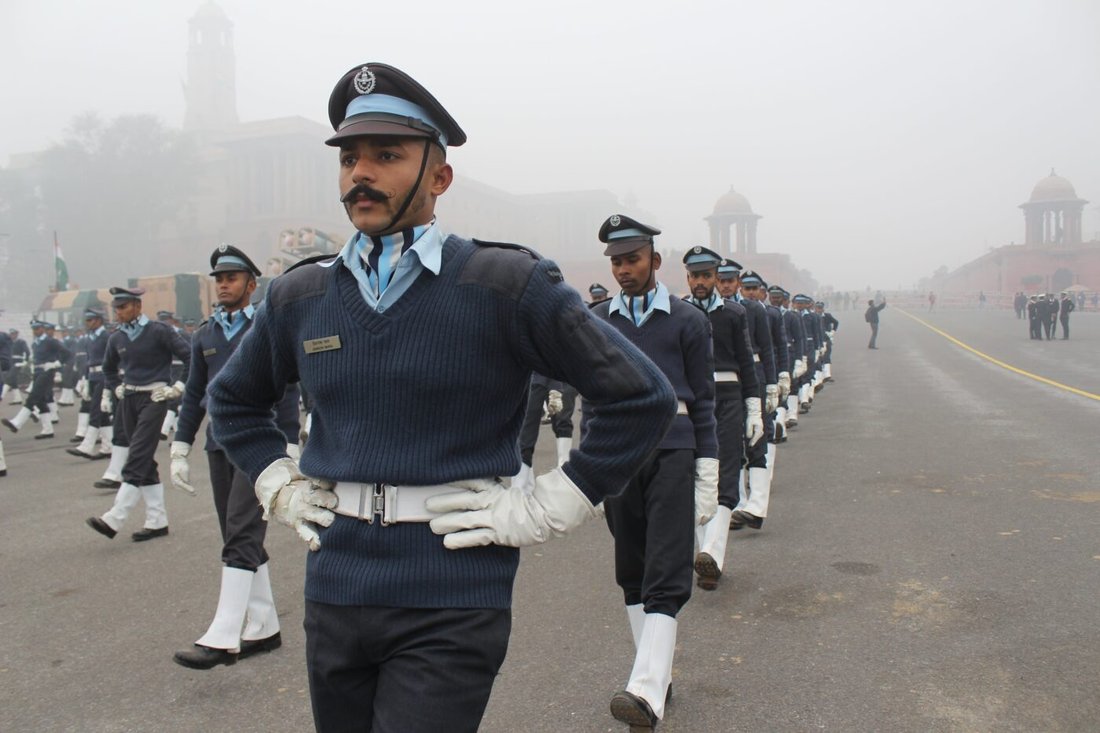
Amy Cuddy’s TED Talk popularized power poses—expansive stances like hands on hips or victory poses. These alter hormone levels: increasing testosterone (dominance) by 20% and decreasing cortisol (stress) by 25%, according to her research. Before an interview, strike a power pose for two minutes in a bathroom stall to prime your brain for confidence.
During the interview, maintain an open posture: uncrossed arms, feet shoulder-width apart, leaning slightly forward. This projects enthusiasm and receptivity. Psychologically, it influences the interviewer’s subconscious, associating you with leadership. A study in Psychological Science confirmed that expansive postures lead to better performance in high-stress evaluations like interviews.
Eye Contact: Building Trust and Engagement

Eye contact is the cornerstone of psychological connection. Direct gaze for 60-70% of the conversation fosters trust by releasing oxytocin, mimicking intimate bonds. In interviews, it demonstrates confidence and attentiveness. However, staring is intimidating; aim for the “triangle” technique—scanning eyes and mouth.
Avoiding eye contact signals deception or insecurity, activating the interviewer’s suspicion circuits. Cultural nuances matter: in Western contexts, steady contact is ideal, but adapt if interviewing internationally. Practice with a mirror or video to calibrate, ensuring your gaze conveys sincerity and focus, psychologically anchoring you as a credible candidate.
Posture and Its Impact on Perceived Competence

Straight posture isn’t just etiquette—it’s psychological signaling. Slouching compresses the chest, restricting breathing and conveying defeat, which subconsciously suggests low energy or unreliability. Upright posture, shoulders back, aligns the spine and projects authority, enhancing vocal projection and presence.
Research from the European Journal of Social Psychology links erect posture to higher self-esteem and better memory recall during stress. Interviewers mirror this: an upright candidate inspires upright judgments. Lean forward 10-15 degrees when listening to show engagement, but avoid invading space. Mastering posture transforms you from applicant to frontrunner.
Gestures: Enhancing Communication Without Overdoing It
Gestures amplify verbal messages psychologically. Open hand gestures, palms up, denote honesty and invite agreement, increasing persuasion by 40% per gesture studies. Use illustrative gestures sparingly—pointing to emphasize points or steeple fingers for thoughtfulness—to underscore competence.
Avoid fidgeting, which signals anxiety and erodes trust; it activates the interviewer’s fight-or-flight response. No touching face or hair—these are self-soothing but read as evasion. Steer clear of pointing fingers, evoking aggression. Coordinated gestures synchronize brainwaves between speaker and listener, forging subconscious alliances crucial in interviews.
Mirroring: The Subtle Art of Rapport Building
Mirroring subtly copies the interviewer’s posture or gestures, creating likeness and empathy via the chameleon effect. Psychologist Tanya Chartrand’s research shows it boosts liking by 67%. If they lean in, do the same after a delay; match speech pace for harmony.
This nonverbal mimicry taps into psychological reciprocity, making you relatable without obsequiousness. Over-mirroring seems manipulative, so be authentic. In group interviews, mirror the dominant speaker. This technique leverages evolutionary tribal instincts, positioning you as a natural fit.
Common Body Language Pitfalls to Avoid
Arms crossed scream defensiveness, psychologically barricading connection. Clock-watching implies disinterest, slashing engagement scores. Nervous habits like leg bouncing telegraph anxiety, undermining poise. Women, beware of hair-twirling; men, excessive pocket fiddling—both dilute professionalism.
Voice modulation ties in: monotone delivery bores, while varying pitch with gestures energizes. A University of Ohio study found fidgeters 40% less likely to advance. Awareness is key; record mock interviews to self-audit and recalibrate these leaks.
Practicing Body Language for Interview Mastery
Practice cements psychological shifts. Video-record mock interviews, analyzing frame-by-frame for alignment. Role-play with a coach, receiving feedback on congruence between words and body. Mindfulness apps train present-moment awareness, curbing autopilot negatives.
Visualize success: athletes use mental rehearsal to wire neural pathways. Daily power posing builds baseline confidence. Apps like Orai analyze webcam feeds for real-time tips. Consistent practice rewires your default nonverbal script, making powerful body language second nature.
Conclusion: Unlock Your Nonverbal Edge
Body language wields profound psychological power in job interviews, shaping perceptions faster than resumes or skills. From power poses elevating hormones to eye contact forging bonds, these tools transcend culture and context. Integrate them intentionally: prepare physiologically, stay present, and adapt fluidly. You’ll not only impress interviewers but embody the confident professional they seek. Next interview, remember: your body speaks first—and loudest. Master it, and watch doors open. (Word count: 1,248)