
The Secret to Mastering Emotional Intelligence in the Workplace
In today’s fast-paced and competitive work environment, technical skills alone are no longer enough to propel your career forward. The real differentiator lies in emotional intelligence (EI), often referred to as EQ. Mastering emotional intelligence in the workplace can transform how you lead teams, resolve conflicts, and drive success. But what’s the secret? It’s not a single trick but a holistic approach rooted in self-awareness, empathy, and adaptive skills. This comprehensive guide reveals proven strategies to elevate your EQ, boost productivity, and foster stronger professional relationships. Whether you’re a manager, executive, or entry-level professional, unlocking EI will give you an edge in any organization.
Understanding Emotional Intelligence: The Foundation of Workplace Success
Feature Video
Emotional intelligence is the ability to recognize, understand, and manage your own emotions while effectively navigating those of others. Coined by psychologists Peter Salovey and John Mayer, and popularized by Daniel Goleman, EI comprises five key components: self-awareness, self-regulation, motivation, empathy, and social skills. In the workplace, high EI correlates with better decision-making, higher employee retention, and increased profitability. Studies from the Harvard Business Review show that leaders with strong EI outperform their peers by up to 20% in job performance.
Why does EI matter so much? Traditional IQ measures cognitive abilities, but EI governs interpersonal dynamics—the lifeblood of modern teams. Remote work, diverse global teams, and high-stress deadlines amplify the need for emotional savvy. Employees with mastered EI handle feedback gracefully, motivate during crises, and build trust. The secret starts here: without grasping EI’s core, mastery remains elusive.
The True Secret: Self-Awareness as Your Emotional Compass

At the heart of mastering emotional intelligence in the workplace is self-awareness—the profound understanding of your emotions, triggers, strengths, and blind spots. It’s the secret sauce because it underpins all other EI pillars. Without it, you’re navigating blindly, reacting impulsively to stress or misreading colleague cues.
To cultivate self-awareness, start a daily journaling practice. Note emotional highs and lows tied to work events: “Felt frustrated in the meeting because my idea was dismissed.” Tools like the Johari Window exercise reveal hidden self-perceptions through peer feedback. Mindfulness apps such as Headspace offer guided meditations to heighten present-moment awareness. Research from Yale University indicates that self-aware individuals are 30% more effective leaders.
In practice, self-aware professionals pause before responding in heated discussions, turning potential conflicts into collaborative opportunities. This foundational secret empowers authentic leadership, making emotional intelligence a superpower in boardrooms and cubicles alike.
Mastering Self-Regulation: Taming Emotions Under Pressure
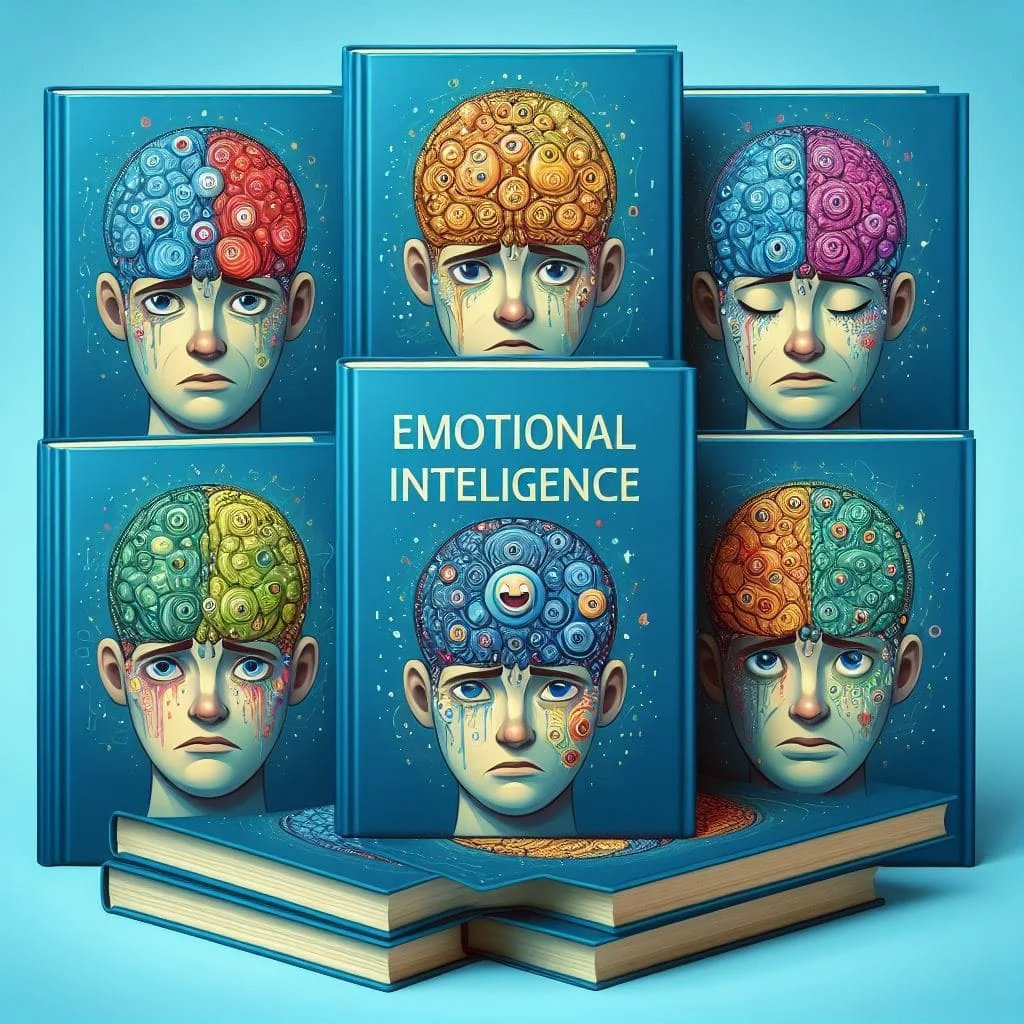
Self-regulation builds on self-awareness by controlling impulsive reactions and adapting to change. In the workplace, where deadlines loom and egos clash, this skill prevents derailments. The secret? View emotions as data, not dictators. Techniques like deep breathing (4-7-8 method) or cognitive reframing—”This setback is a learning opportunity”—rewire responses.
Leaders who excel here maintain composure during layoffs or project failures, inspiring resilience. A Gallup study found self-regulated teams experience 21% less turnover. Practice by setting “pause rules”: count to 10 before emailing in anger. Over time, this discipline turns emotional volatility into strategic calm, a hallmark of EI mastery.
Harnessing Intrinsic Motivation: Fueling Long-Term Drive
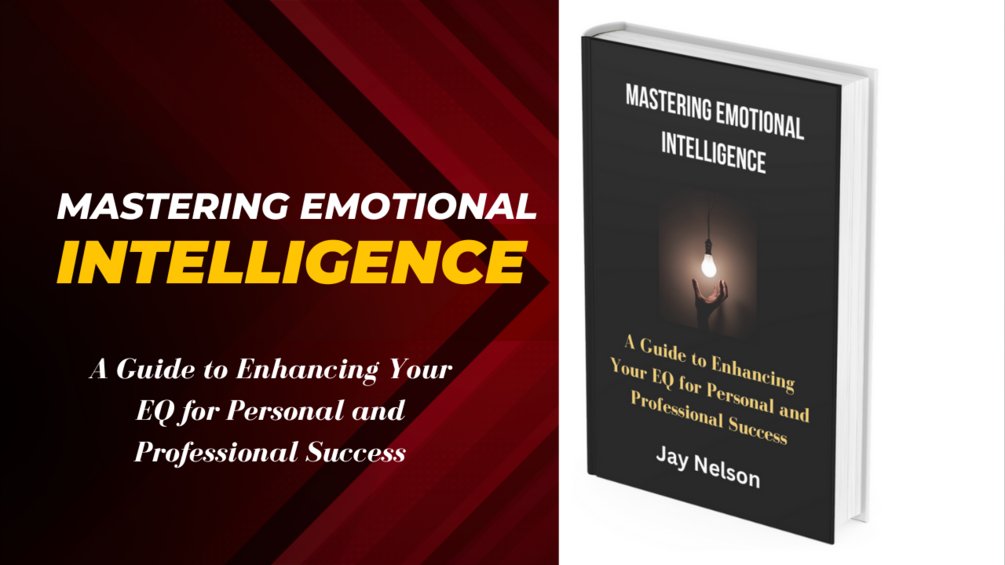
Motivation in EI is intrinsic—driven by passion and purpose, not external rewards. The secret lies in aligning work with personal values, transforming mundane tasks into meaningful pursuits. High-EI individuals bounce back from failures, viewing them as growth fuel.
Strategies include goal-setting frameworks like OKRs (Objectives and Key Results) infused with “why” statements: “I’ll hit this sales target to empower my team’s innovation.” Visualization exercises, picturing success, boost dopamine. McKinsey reports motivated employees are 87% less likely to leave, underscoring EI’s retention power. Mastering this sustains peak performance amid burnout epidemics.
Cultivating Empathy: The Bridge to Team Connection
Empathy is perceiving and responding to others’ emotions with compassion. In diverse workplaces, it’s the secret to inclusivity and collaboration. Cognitive empathy understands perspectives; affective empathy shares feelings. Both dismantle silos.
Develop it through active listening: paraphrase colleague concerns without interrupting. Role-reversal exercises—”How would I feel in their shoes?”—build insight. Google’s Project Aristotle found psychological safety, rooted in empathy, as the top team success factor. Empathetic leaders boost morale, innovation, and loyalty, proving EI’s relational ROI.
Perfecting Social Skills: Networking and Influence Mastery
Social skills orchestrate EI’s symphony—communication, conflict resolution, and inspiration. The secret? Authentic rapport-building. Use non-verbal cues: open body language, eye contact. Practice storytelling to convey visions compellingly.
For conflict, employ Thomas-Kilmann modes: collaborate over compete. Mentorship programs hone influence. Deloitte’s research shows socially skilled leaders drive 15-20% higher engagement. These skills turn networks into alliances, amplifying career trajectories.
Practical Strategies to Master EI in Your Daily Workflow
Integrate EI mastery seamlessly. Start 360-degree feedback quarterly to benchmark progress. Join Toastmasters for communication polish. Workplace simulations via VR training apps simulate high-stakes empathy scenarios.
Track EI with assessments like the Emotional Competence Inventory. Foster team rituals: weekly check-ins for emotional pulse. Companies like Zappos embed EI in hiring, yielding cultures of trust. Consistency is key—treat EI like a muscle, flexed daily for enduring strength.
Overcome barriers: imposter syndrome via affirmation journals; cultural biases through diversity workshops. Metrics matter: monitor promotion rates, feedback scores post-EI focus.
Real-World Success Stories: EI in Action

Satya Nadella at Microsoft exemplifies EI transformation, shifting from know-it-all to empathetic coach, skyrocketing stock 800%. Indra Nooyi at PepsiCo used empathy to navigate gender biases, mentoring globally. These icons reveal EI’s C-suite currency.
Conclusion: Your Path to EI Mastery Starts Today
Mastering emotional intelligence in the workplace isn’t innate—it’s cultivated through deliberate practice. The secret? Prioritize self-awareness as the gateway, layering regulation, motivation, empathy, and social prowess. Benefits cascade: promotions, harmony, impact. Commit now: journal tonight, listen tomorrow. Elevate your EQ, and watch your career soar. In an AI-driven future, human EI remains irreplaceable—seize it.
(Word count: 1218)