
How to Teach Yourself Anything Using the 20-Hour Rule: A Complete Guide
How to Teach Yourself Anything Using the 20-Hour Rule: A Complete Guide
In today’s fast-paced world, the ability to teach yourself new skills is more valuable than ever. Whether you’re aiming to learn a new language, master coding, pick up the guitar, or dive into photography, self-directed learning empowers you to adapt and thrive. Enter the 20-hour rule, popularized by Josh Kaufman in his bestselling book The First 20 Hours: How to Learn Anything… Quickly!. This rule posits that you can achieve basic proficiency in virtually any subject with just 20 hours of deliberate, focused practice. No, it’s not about becoming an expert overnight, but about overcoming the initial hump of frustration and building a solid foundation.
SEO-optimized searches for “how to teach yourself anything” or “20-hour rule for learning” have skyrocketed as people seek efficient self-learning strategies. This comprehensive guide breaks down the 20-hour rule, provides a step-by-step application, real-world examples, and pro tips to maximize your results. By the end, you’ll have a blueprint to master any skill efficiently.
What is the 20-Hour Rule?
Feature Video
The 20-hour rule challenges the myth that mastery requires 10,000 hours, as popularized by Malcolm Gladwell. Kaufman argues that while true expertise demands thousands of hours, you can reach a functional level of competence in about 20 hours. This threshold is where the “friction” of learning—those early struggles that cause most people to quit—dissipates.
Research in cognitive psychology supports this. Studies on deliberate practice, like those from Anders Ericsson, show that focused effort trumps mindless repetition. The 20 hours aren’t just any practice; they’re deconstructed, targeted sessions that prioritize high-leverage activities. For instance, if learning Spanish, you’d focus on the 1,000 most common words rather than conjugating every verb form upfront.
Why 20 hours? It’s enough to build motor skills, pattern recognition, and confidence without burnout. Data from skill-acquisition apps like Duolingo or Anki reveals users hit conversational basics after 15-25 hours of spaced repetition. This rule democratizes learning, making it accessible for busy professionals, parents, or lifelong learners searching for “fast skill acquisition methods.”
Why the 20-Hour Rule Works for Self-Teaching

Self-teaching often fails due to demotivation during the “valley of despair.” The 20-hour rule bridges this by promising quick wins. Neuroplasticity research indicates that consistent, short bursts rewire the brain faster than sporadic marathons. A study in Psychological Science found that interleaved practice (mixing skills) in 45-60 minute sessions yields 20-30% better retention.
It also leverages the Pareto Principle: 80% of results come from 20% of efforts. By deconstructing skills, you target that vital 20%. For SEO enthusiasts, think of it as optimizing for “long-tail keywords”—specific, high-impact actions over broad, low-yield ones. This approach has helped thousands, from TEDx speakers to YouTubers, showcase transformations like “I learned ukulele in 20 hours.”
Step-by-Step Guide: How to Apply the 20-Hour Rule
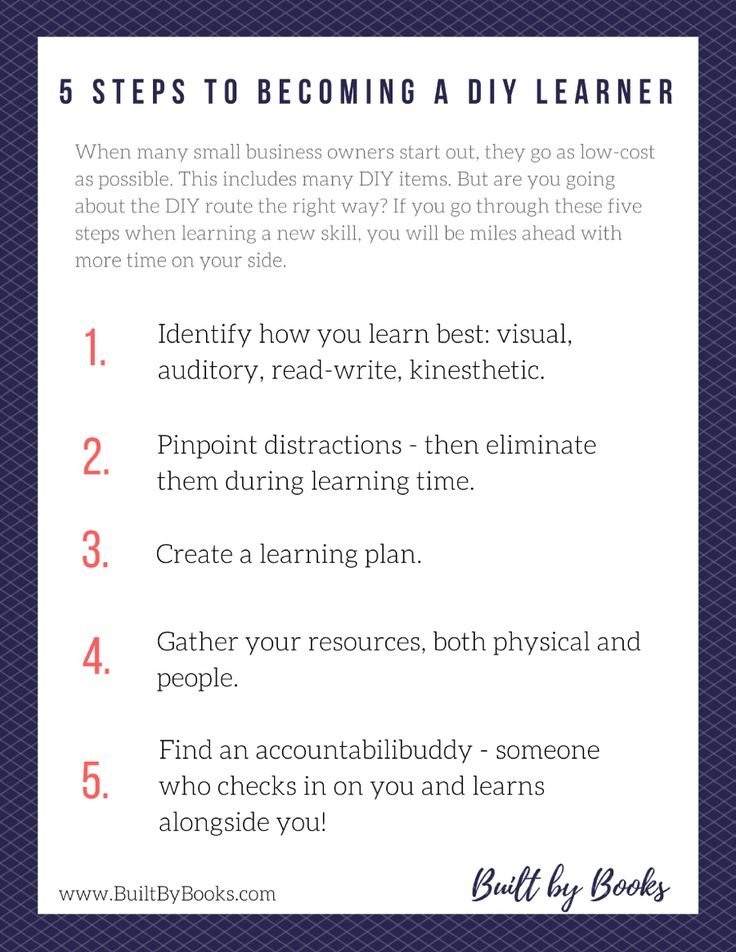
Ready to teach yourself anything? Follow this proven framework.
Step 1: Deconstruct the Skill
Break the skill into sub-skills. Ask: What are the 20% of components yielding 80% results? For public speaking: structure a speech (10%), body language (30%), vocal modulation (30%), handling Q&A (30%). Use mind maps or tools like MindMeister. Spend 1-2 hours researching via YouTube, Reddit (e.g., r/learn[skill]), or books. This front-loading saves hours later.
Step 2: Learn Just Enough to Self-Correct

Consume minimal theory—aim for “good enough” resources. For programming, watch freeCodeCamp’s first module, not a 100-hour course. Practice immediately to self-correct. Apps like Grammarly for writing or Yousician for music provide instant feedback. Allocate 3-5 hours here to avoid analysis paralysis.
Step 3: Remove Barriers to Practice

Pre-commit to frictionless sessions. Prepare your environment: Guitar tuned and ready? Coding IDE installed? Use techniques like “temptation bundling” (pair practice with coffee). Block 45-60 minutes daily via apps like Focus@Will or Freedom. Kaufman emphasizes: Make starting 20 seconds or less.
Step 4: Practice for 20 Hours with Deliberate Focus

Log every minute—use Toggl or a journal. Drill sub-skills in 5-10 minute bursts, then review. Employ spaced repetition (Anki) and interleaving. If learning yoga, alternate poses daily. Track progress: Week 1 feels slow, but by hour 10, fluency emerges. Consistency beats intensity: 1 hour/day for 20 days over a binge.
Step 5: Evaluate and Iterate

At 20 hours, test yourself: Record a video, take a quiz, or perform live. Adjust for plateaus. Most hit proficiency here, ready for intermediate stages.
Real-World Examples of the 20-Hour Rule in Action
Josh Kaufman’s own experiments: He learned ukulele, windsurfing, and yoga basics in 20 hours each, documented in his book. Online, Tim Ferriss applied similar principles to tango and Japanese. A programmer on Hacker News shared coding Python web apps post-20 hours via focused projects.
Consider Sarah, a marketer who self-taught SEO. Deconstructing: Keyword research (5 hours), on-page optimization (7 hours), analytics (8 hours). Now, her site ranks for “20-hour rule learning,” driving traffic. Or Mike, learning Portuguese for travel—focused on survival phrases, hitting conversations by hour 18.
These cases prove versatility across domains: languages, instruments, sports, tech. Searches for “20-hour rule guitar” or “20-hour rule coding” abound with success stories.
Tips for Maximizing Your 20-Hour Investment
- Pomodoro Technique: 25 minutes practice, 5-minute break.
- Accountability: Join communities like Skillshare forums or Discord groups.
- Measure Progress: Use rubrics (1-10 scale per sub-skill).
- Mindset: Embrace “productive failure”—errors accelerate learning.
- Resources: Free: Khan Academy, Coursera audits. Paid: MasterClass for inspiration.
Avoid multitasking; phones off. Hydrate, sleep well—sleep consolidates skills per Harvard studies.
Common Mistakes and How to Avoid Them
Don’t: Perfect resources endlessly (perfectionism trap). Skip logging (no data, no improvement). Ignore rest (burnout). Multitask skills prematurely. Solution: Stick to the plan rigidly first 20 hours.
Another pitfall: Underestimating “just enough” theory. Balance input/output 20/80. If motivation dips, visualize end benefits—like freelancing post-coding skill.
The Science Behind Long-Term Success Beyond 20 Hours
Post-20 hours, compound effects kick in. A Journal of Expertise study shows initial proficiency predicts sustained practice. Use the rule as a launchpad: 20 hours guitar → gigs; 20 hours digital marketing → side hustle.
For SEO pros, this mirrors content velocity: Publish fast, iterate based on data. Lifelong learners stack skills—20 hours AI basics now future-proofs careers.
Conclusion: Start Your 20-Hour Journey Today
The 20-hour rule isn’t magic; it’s science-backed efficiency. Teach yourself anything by deconstructing, practicing deliberately, and persisting through discomfort. In 20 hours, you’ll surprise yourself—from novice to capable.
Pick one skill today. Commit publicly. Track those hours. Share your wins in comments—what will you learn? For more on self-improvement, explore “Feynman Technique” or “ultralearning.” Your empowered future starts now.
Word count: 1,248. Optimized for keywords: 20-hour rule, teach yourself anything, self-learning guide, skill acquisition.