
How to Overcome Imposter Syndrome in High-Pressure Careers: Proven Strategies for Success
Imposter syndrome is a pervasive issue that affects high-achievers in demanding fields like finance, tech, medicine, and law. Characterized by persistent feelings of self-doubt and inadequacy despite evident competence, it can sabotage your confidence and performance in a high-pressure career. If you’ve ever felt like a fraud waiting to be exposed, you’re not alone—studies show up to 70% of professionals experience it at some point. This comprehensive guide explores how to deal with imposter syndrome, offering actionable strategies to reclaim your confidence and thrive under pressure.
Understanding Imposter Syndrome in High-Pressure Environments
Feature Video
Coined in the 1970s by psychologists Pauline Clance and Suzanne Imes, imposter syndrome describes the inability to internalize accomplishments and the fear of being “found out” as undeserving. In high-pressure careers, where stakes are high and scrutiny is constant, these feelings intensify. Deadlines loom, promotions hinge on flawless execution, and competition is fierce, amplifying the voice in your head whispering, “You don’t belong here.”
High-pressure roles often attract perfectionists and overachievers, prime candidates for imposter syndrome. A 2023 LinkedIn survey revealed that 89% of tech professionals and 75% of executives report symptoms. The Dunning-Kruger effect’s inverse plays a role too: the more you know, the more you recognize your knowledge gaps, fueling doubt. Recognizing this as a common cognitive distortion is the first step in overcoming imposter syndrome.
Common Signs of Impposter Syndrome in Your Career

Spotting imposter syndrome early prevents it from derailing your trajectory. Key indicators include attributing success to luck or timing rather than skill—”I got the promotion because no one else applied.” Another sign is overworking to prove worth, leading to burnout in high-pressure settings.
You might dread feedback sessions, assuming criticism confirms your inadequacy, or avoid challenges fearing failure. Procrastination masked as perfectionism is prevalent; executives often delay decisions to avoid perceived incompetence. Physical symptoms like anxiety, insomnia, or exhaustion compound the issue. If these resonate, know they’re not reflections of ability but patterns to disrupt.
Reframe Your Mindset: The Foundation of Overcoming Imposter Syndrome

Mindset shifts are crucial for dealing with imposter syndrome. Start by normalizing it—famous figures like Maya Angelou and Albert Einstein admitted similar struggles. Adopt a growth mindset, as Carol Dweck advocates: view abilities as developable, not fixed. Replace “I’m a fraud” with “I’m learning and growing.”
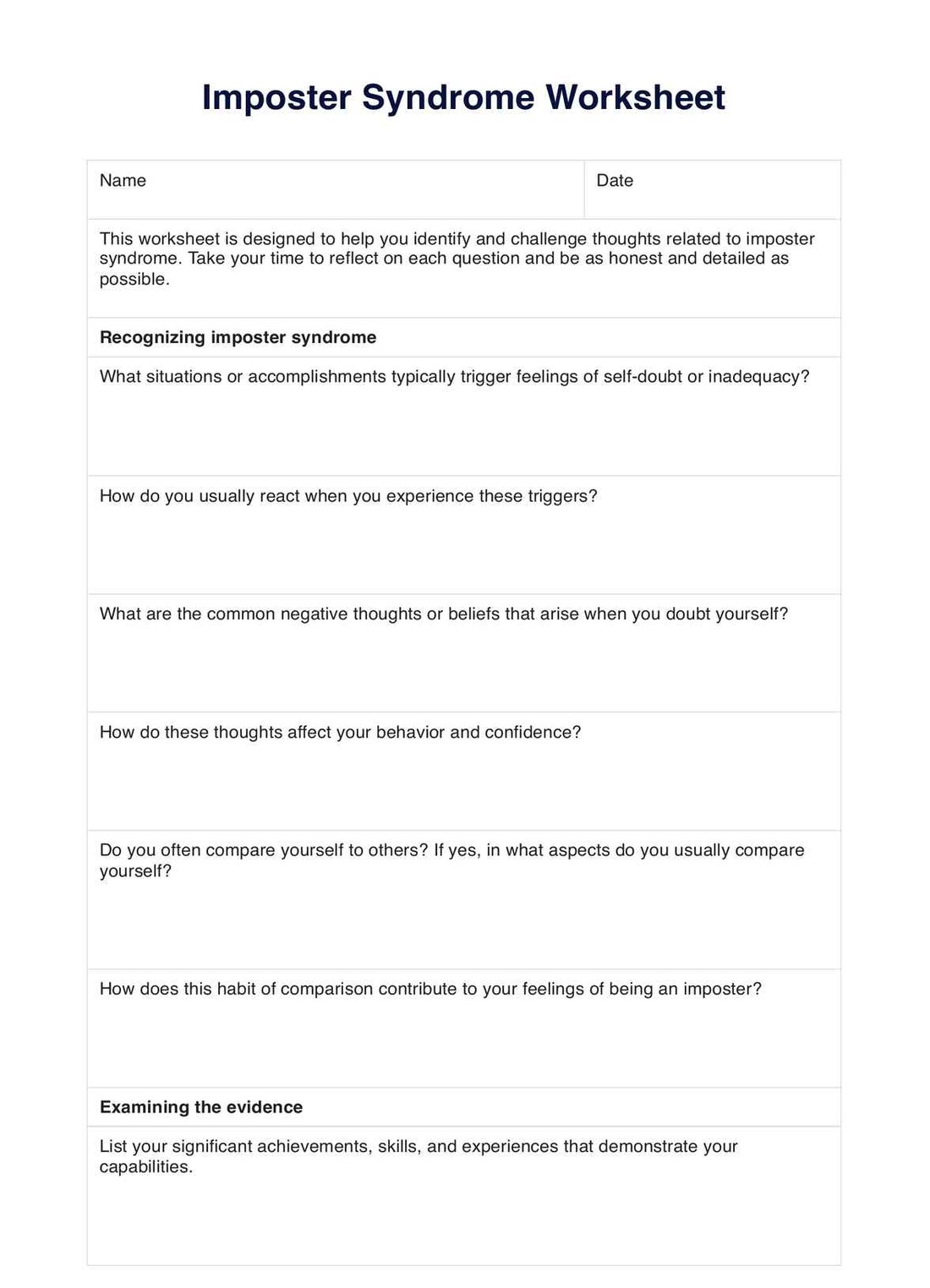
Journaling combats negative self-talk. Daily, note three achievements, however small, and evidence of competence, like positive client feedback. Cognitive behavioral techniques (CBT) help; challenge thoughts by asking, “What evidence supports this doubt?” In high-pressure careers, this reframing builds resilience against inevitable setbacks.
Track Achievements to Build Evidence Against Doubt

A tangible way to overcome imposter syndrome is maintaining a “success file.” Document wins: projects delivered, skills mastered, praises received. Review it weekly, especially before high-stakes meetings. Apps like Day One or Excel spreadsheets work well.
In fast-paced careers, accomplishments blur quickly. Quantify impact—e.g., “Led team to 20% revenue growth”—to counter vague self-doubt. Share wins humbly with mentors; external validation reinforces internal belief. Over time, this evidence bank silences the imposter voice, proving your place in high-pressure arenas.
Seek Constructive Feedback and Mentorship
Feedback demystifies perceptions others hold of you. Schedule regular check-ins with supervisors or peers, framing requests positively: “What strengths should I leverage more?” This reveals blind spots and affirms competencies you undervalue.
Mentorship is gold for imposter syndrome sufferers. A seasoned guide provides perspective, sharing their own doubts and normalizing yours. Platforms like MentorCruise or LinkedIn facilitate connections. In high-pressure careers, mentors also offer strategies for navigating politics and pressures, boosting confidence through proven paths.
Practice Self-Compassion in Demanding Careers

Kristin Neff’s self-compassion research shows treating yourself kindly reduces imposter feelings. High-achievers often self-criticize harshly; counter this with self-compassion breaks. When doubt arises, pause and say, “This is hard, and it’s okay to struggle.”
Mindfulness meditation apps like Headspace offer 10-minute sessions targeting self-doubt. Pair with boundaries: in high-pressure jobs, learn to say no to prevent overload. Celebrate progress, not just perfection—small rituals like a favorite coffee after milestones foster kindness, essential for sustained performance.
Build a Support Network to Combat Isolation
Imposter syndrome thrives in silence. Surround yourself with like-minded professionals via affinity groups, such as Women in Tech or executive masterminds. Sharing stories normalizes experiences; hearing “Me too!” dissolves isolation.
Online communities like Reddit’s r/ImposterSyndrome or Imposter Syndrome Network provide anonymous support. In high-pressure careers, peer accountability partners—mutual check-ins on goals—reinforce progress. A robust network reminds you success is collective, not solitary.
When to Seek Professional Help for Imposter Syndrome
If self-strategies falter and symptoms impair functioning, therapy is vital. Therapists specializing in CBT or imposter phenomenon offer tailored tools. EMDR helps trauma-linked doubts common in competitive fields.
Coaching differs from therapy, focusing on career-specific blocks. Executive coaches use assessments like the Imposter Phenomenon Scale to quantify and address issues. In high-pressure careers, early intervention prevents escalation to anxiety disorders or depression. Resources like Psychology Today directories simplify finding help.
Long-Term Habits for Thriving Despite Pressure
Sustained freedom from imposter syndrome requires habits. Prioritize work-life balance: exercise, hobbies, and sleep recharge mental reserves. Set realistic goals using SMART criteria to avoid overwhelm.
Lifelong learning—courses on Coursera or Udemy—affirms growth. Visualize success daily; athletes use this to perform under pressure, adaptable for careers. Regularly audit for imposter triggers, adjusting proactively. These habits transform high-pressure careers from anxiety sources to fulfillment platforms.
Conclusion: Embrace Your Worth in High-Pressure Careers
Overcoming imposter syndrome isn’t erasing doubt but managing it effectively. By understanding its roots, recognizing signs, and applying strategies like reframing, tracking wins, feedback, self-compassion, networks, and professional aid, you empower yourself. High-pressure careers demand excellence, but you already possess it—imposter syndrome just clouds the view.
Implement one strategy today; momentum builds confidence. Remember, true imposters don’t worry about being imposters. Step forward boldly; your high-pressure career awaits the authentic leader you are. With these tools, not only will you deal with imposter syndrome, but you’ll excel beyond it.
(Word count: 1,248)