
Why Your Small Business Needs a Newsletter More Than a Facebook Page
In today’s digital landscape, small business owners face a constant barrage of marketing choices. Social media platforms like Facebook promise vast audiences and easy engagement, but are they truly delivering for your business? The reality is that a newsletter offers far more reliable, direct, and profitable customer communication than a Facebook page ever could. This article explores why prioritizing an email newsletter over social media is a game-changer for small businesses, backed by data, strategies, and real-world insights. If you’re wondering whether to invest time in newsletters vs. Facebook for small business growth, read on to discover the undeniable advantages.
The Decline of Organic Reach on Facebook
Feature Video
Facebook was once a goldmine for small businesses. Posting updates, photos, and promotions reached thousands of followers organically. However, those days are long gone. Facebook’s algorithm has drastically reduced organic reach, prioritizing paid content from brands with bigger advertising budgets. According to Hootsuite’s 2023 Digital Report, the average organic reach for Facebook pages is now under 6%. For small businesses without ad dollars to spare, this means your posts are seen by only a fraction of your audience—often less than 5%.
Imagine building a Facebook page with 1,000 followers, only to have your carefully crafted post about a new product sale viewed by just 30-50 people. That’s not marketing; that’s shouting into the void. In contrast, email newsletters deliver to 20-30% open rates on average, with top performers hitting 40-50%, per Mailchimp benchmarks. When you send a newsletter, it lands directly in subscribers’ inboxes, bypassing algorithms entirely. This direct line ensures your small business message reaches customers who actually want to hear from you.
Moreover, Facebook’s shifting policies add unpredictability. Algorithm changes, privacy updates like iOS 14.5’s App Tracking Transparency, and competition from TikTok and Instagram have eroded Facebook’s dominance. Small businesses reliant on a Facebook page risk sudden drops in visibility, stunting growth. A newsletter, however, gives you control—no platform can throttle your reach overnight.
Building a Direct, Owned Relationship with Customers
One of the biggest pitfalls of a Facebook page is that you’re renting space on someone else’s platform. Your followers are Facebook’s users first, and they can be poached by competitors or lost due to account issues. With a newsletter, you own your email list—a portable asset you can take anywhere. Tools like ConvertKit, Mailchimp, or ActiveCampaign make it easy to collect emails via website pop-ups, lead magnets, or in-store sign-ups.
Direct communication fosters deeper relationships. Emails allow personalized storytelling, sharing behind-the-scenes glimpses, customer testimonials, and exclusive offers that feel intimate. A study by Campaign Monitor found that 99% of consumers check their email daily, compared to sporadic social media scrolls. Newsletters position your small business as a trusted advisor, not just another feed-filler.
Consider a local bakery: A Facebook post about fresh scones might get likes but few sales. A newsletter with a recipe, discount code, and pickup instructions? That’s a direct path to revenue. Email subscribers are 80% more likely to purchase than social media followers, per data from HubSpot. Prioritizing newsletters over Facebook pages builds loyalty that translates to repeat business.
Higher Engagement and Conversion Rates
Engagement metrics tell the story. Facebook likes and shares are vanity metrics—fun but not sales drivers. Email click-through rates average 3-5%, often leading to purchases, while Facebook post engagement hovers at 0.09%, according to Rival IQ. Newsletters excel here because they’re permission-based: Subscribers opted in, signaling genuine interest.
SEO-optimized newsletters amplify this. Include links to your site, boosting domain authority and search rankings. Keywords like “small business newsletter benefits” or “email marketing vs social media” in subject lines and content improve discoverability. A/B test headlines—”Save 20% on Coffee This Week!” vs. generic posts—and watch conversions soar.
Real-world example: Pat Flynn of Smart Passive Income grew his audience primarily through newsletters, achieving 7-figure revenue without heavy social reliance. Small businesses can replicate this by segmenting lists—new subscribers get welcomes, loyal ones get VIP deals—driving engagement up to 14x higher than non-segmented blasts, per EmailMonday stats.
Cost-Effectiveness for Budget-Conscious Small Businesses
Running a Facebook page seems free, but effective management requires ads to combat low reach. The average cost-per-click on Facebook is $0.50-$2.00, escalating for competitive niches. Small businesses easily spend $500+ monthly on boosts, per WordStream data.
Newsletters? Minimal cost. Free tiers on Mailchimp handle up to 2,000 subscribers; paid plans start at $10/month. No design skills needed—drag-and-drop editors create professional templates. Time investment pays off: One newsletter can generate $38 in revenue per $1 spent, versus Facebook’s $2-$5 ROI, according to DMA Response Rate reports.
For bootstrapped ventures, this scalability shines. Start small, grow your list organically, and reinvest profits. No ad fatigue or bidding wars—just consistent, low-cost customer touchpoints outperforming a Facebook page every time.
Personalization and Advanced Segmentation

Facebook’s one-size-fits-all feed can’t match email’s personalization. Newsletters use subscriber data—purchase history, location, preferences—for hyper-targeted sends. Dynamic content blocks show tailored recommendations, increasing opens by 26%, per Experian.
Segment by behavior: Cart abandoners get reminder emails; birthdays trigger discounts. This precision turns browsers into buyers. Automation sequences nurture leads—welcome series, re-engagement campaigns—without manual Facebook posting.
Compliance is simpler too. GDPR and CAN-SPAM favor opted-in lists, avoiding Facebook’s ad restrictions. Small businesses gain a competitive edge, delivering value that Facebook’s algorithm can’t replicate.
The Long-Term Value of Newsletters for Customer Loyalty
Loyalty is the holy grail for small businesses. Facebook followers are fickle; email subscribers invest by sharing their address. Litmus reports email nurtures lifetime value 5x higher than social. Repeat customers from newsletters spend 67% more, per Bain & Company.
Newsletters build community. Polls, feedback requests, and user-generated content encourage interaction. Track metrics like open rates (aim for 25%+), clicks, and unsubscribes (<0.5%) to refine strategies. Over time, your list becomes a revenue machine, compounding as subscribers refer friends.
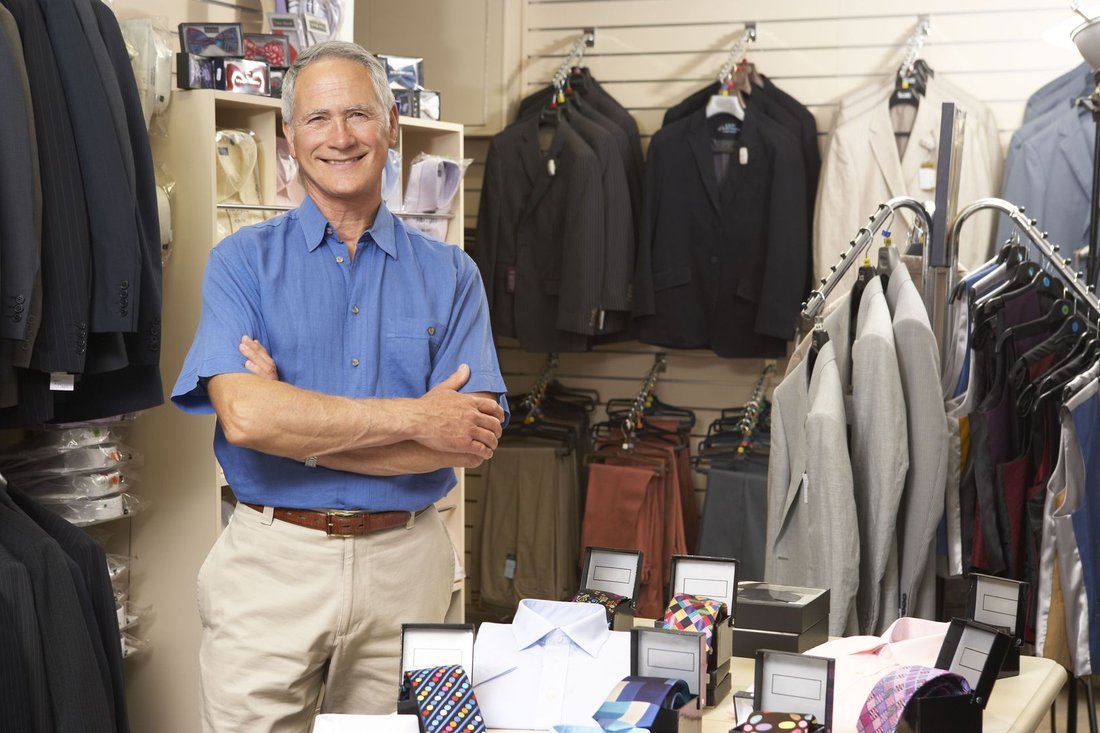
Case study: A boutique clothing store ditched heavy Facebook ads for weekly newsletters, boosting sales 40% in six months. Testimonials poured in, fueling organic growth. This sustained loyalty eclipses fleeting social buzz.
Conclusion: Ditch the Facebook Dependency, Embrace Newsletters
Your small business deserves marketing that works tirelessly for you. While a Facebook page offers broad exposure, its pitfalls—low reach, lack of ownership, high costs—make it a poor primary channel. A newsletter delivers direct access, superior engagement, and scalable growth.
Start today: Audit your Facebook performance, set up an email tool, and offer a lead magnet like a free guide. Watch as your customer relationships deepen and revenue climbs. In the battle of newsletters vs. Facebook for small business, email wins hands down. Don’t let algorithms dictate your success—own your audience and thrive.
(Word count: 1,248)