
The Hidden Dangers of Blue Light and How to Protect Your Eyes
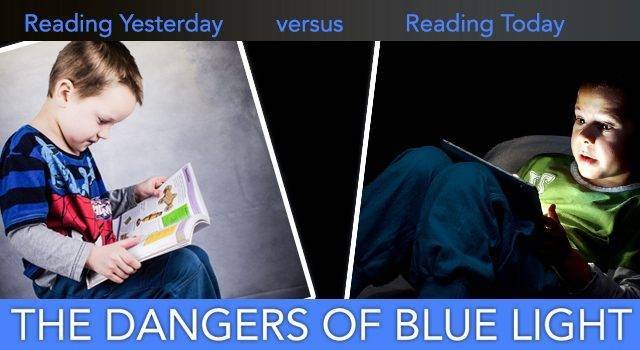
In today’s digital age, screens dominate our lives. Smartphones, computers, tablets, and LED lights expose us to blue light constantly. While blue light offers benefits like improved alertness, its hidden dangers to eye health are increasingly concerning. This article explores the risks of blue light exposure and practical ways to protect your eyes, helping you maintain clear vision in a screen-saturated world.
What is Blue Light and Where Does It Come From?
Feature Video
Blue light is part of the visible light spectrum with short wavelengths and high energy. It has a bluish tint, ranging from 380 to 500 nanometers. Naturally, the sun emits blue light during the day, which helps regulate our circadian rhythms. However, artificial sources like LED screens and fluorescent bulbs produce concentrated blue light without the balancing effects of other sunlight wavelengths.
Digital devices are the primary culprits. Smartphones emit up to 80% blue light, while laptops and TVs contribute significantly too. By 2023, global screen time averaged over 7 hours daily, per DataReportal, amplifying exposure. This constant bombardment raises questions: what are the blue light dangers to eyes? Understanding sources is the first step to mitigation.
The Hidden Dangers of Blue Light on Eye Health

Blue light penetrates deep into the eye, reaching the retina more easily than other colors. Short-term effects include digital eye strain, but long-term risks are alarming. Studies from the American Academy of Ophthalmology highlight how excessive exposure contributes to various issues.
Digital Eye Strain: The Most Common Blue Light Danger
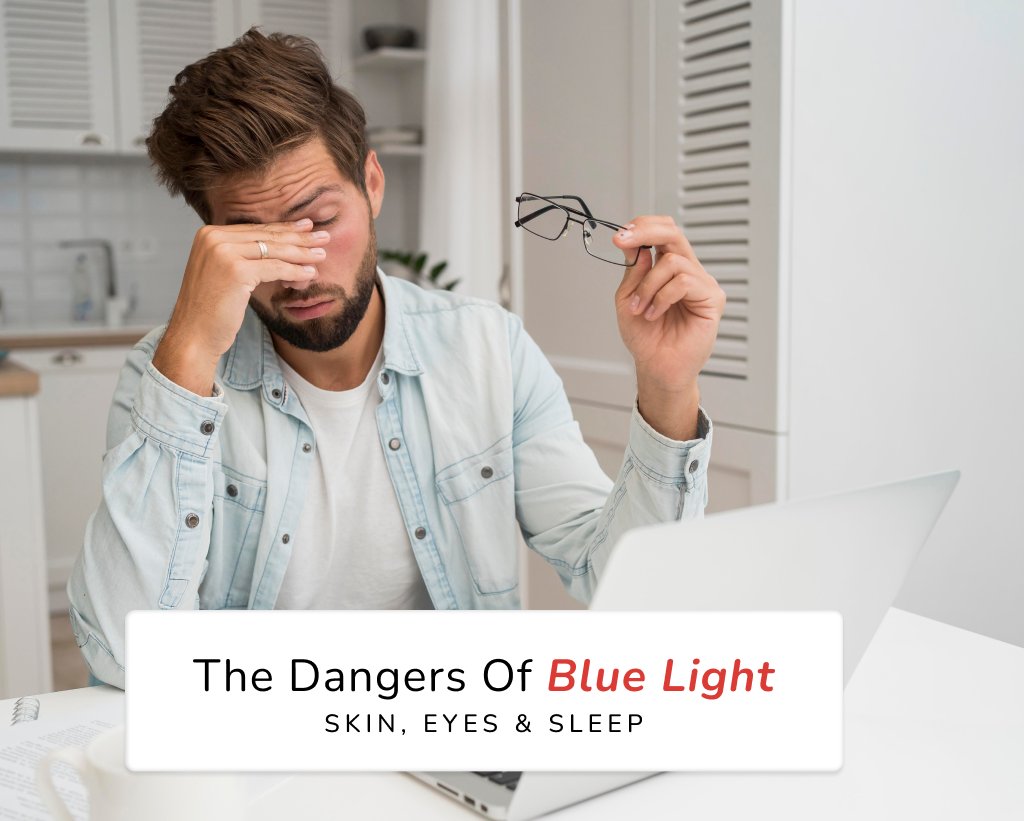
Also known as computer vision syndrome, digital eye strain affects 50-90% of heavy screen users, according to the Vision Council. Symptoms include dry eyes, blurred vision, headaches, and neck pain. Blue light’s high energy scatters more in the eye, reducing contrast and causing fatigue. Without breaks, pupils struggle to focus, exacerbating strain. Protect eyes from blue light to avoid productivity dips and discomfort.
Sleep Disruption from Evening Blue Light Exposure
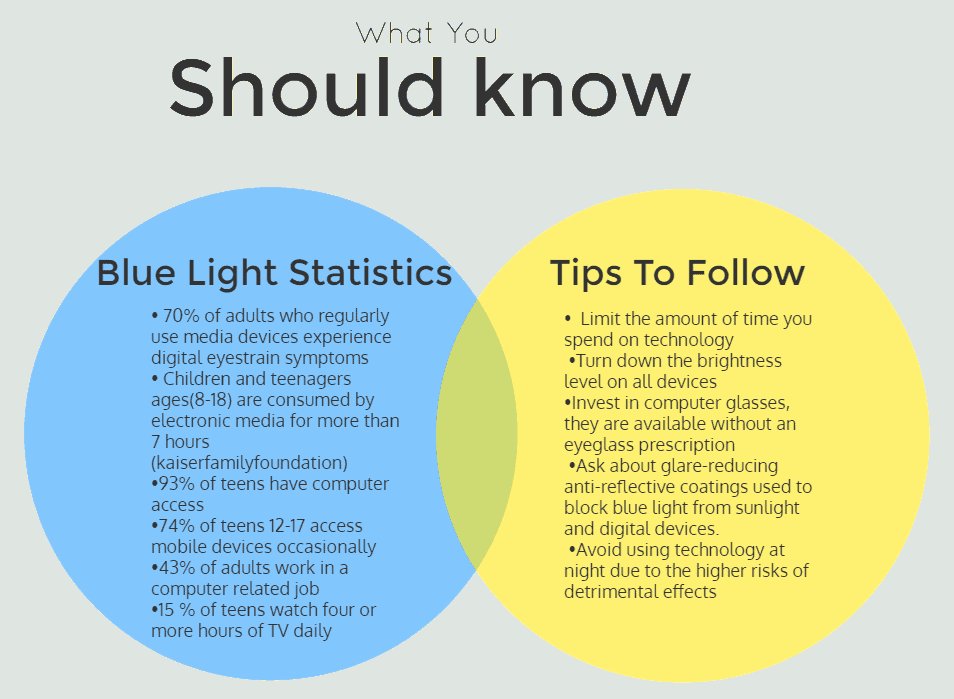
Blue light suppresses melatonin, the sleep hormone. Harvard Medical School research shows evening screen use delays sleep by up to 3 hours. Melatonin reduction by 23% after just 2 hours of exposure disrupts circadian rhythms, leading to insomnia and fatigue. For children and shift workers, this is particularly harmful, linking to obesity and diabetes risks over time.
Long-Term Risks: Age-Related Macular Degeneration (AMD)

The scariest blue light dangers involve retinal damage. High-energy photons may generate free radicals, oxidizing retinal cells. A 2018 study in Scientific Reports found blue light accelerates AMD, a leading blindness cause in over-50s. Animal models show photoreceptor death after prolonged exposure. While human evidence is emerging, experts like Dr. Celia Sanchez-Ramos warn of cumulative effects over decades.
Other Health Concerns Linked to Blue Light
Beyond eyes, blue light affects skin by breaking down collagen, per Journal of Investigative Dermatology. It may contribute to metabolic disorders via circadian disruption. Pregnant women face risks to fetal development, as noted in Environmental Health Perspectives. These multifaceted blue light dangers underscore the need for protection strategies.
How to Protect Your Eyes from Blue Light Effectively
Fortunately, simple habits and tools counter blue light dangers. Implementing these can reduce exposure by up to 90%, preserving eye health and sleep quality.
Invest in Blue Light Blocking Glasses

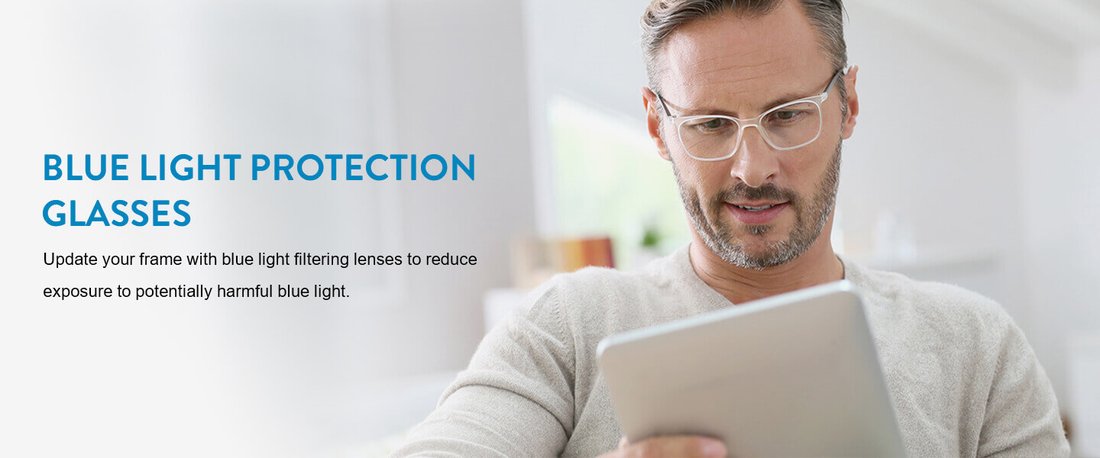
Blue light glasses with anti-reflective coatings filter 30-50% of harmful rays. Brands like Felix Gray and Gunnar offer stylish options tested by optometrists. Wear them during screen time, especially evenings. A 2021 study in Chronobiology International confirmed they boost melatonin and improve sleep. Choose lenses blocking 400-455nm wavelengths for optimal protection.
Enable Night Mode and Screen Filters
Most devices have built-in blue light filters: Night Shift (iOS), Night Light (Windows), or f.lux app for others. These shift screens to warmer tones post-sunset. Samsung’s Eye Saver Mode and Apple’s True Tone adapt dynamically. Combine with screen protectors like those from Ocushield, reducing emission by 54%. Adjust brightness to 120 cd/m² for comfort.
Follow the 20-20-20 Rule and Take Regular Breaks
A cornerstone of eye care, look 20 feet away for 20 seconds every 20 minutes. The American Optometric Association endorses this to relax ciliary muscles strained by near-focus. Pair with blinking exercises to combat dry eyes—screens reduce blink rates by 60%. Apps like EyeLeo remind you automatically.
Optimize Your Lighting and Environment
Use warm LED bulbs (2700K color temperature) to minimize artificial blue light. Position screens perpendicular to windows to cut glare. Maintain 20-28 inches distance, with top at eye level. Ergonomic setups reduce strain. For offices, daylight-mimicking lamps balance exposure without excess blue.
Incorporate Eye-Healthy Habits and Nutrition
Diet matters: lutein and zeaxanthin in spinach, kale, and eggs shield retinas. Omega-3s from fish combat inflammation. Stay hydrated to prevent dry eyes. Limit screen time before bed—ideally 2 hours. For kids, enforce 2-hour daily limits per WHO guidelines.
Advanced Solutions: Software and Hardware Innovations
IRIS software customizes filters per user sensitivity. Smart monitors like BenQ’s Eye-Care series auto-adjust. Wearables track exposure, alerting overuse. Research into OLED screens emitting less blue light promises future relief. Stay updated on tech & gadgets for eye protection.
Debunking Myths About Blue Light Protection
Not all blue light is bad—morning exposure boosts mood. Myths claim sunglasses suffice outdoors; they don’t block device light. Cheap glasses often lack certification; verify with ISO standards. Evidence supports filters over total avoidance.
Conclusion: Take Control of Blue Light Dangers Today
Blue light dangers—from eye strain to AMD—are real but manageable. By using glasses, filters, breaks, and habits, protect your eyes proactively. Consult optometrists for personalized advice, especially if symptoms persist. Prioritize eye health in our digital era; your future vision depends on it. Start with one change today for lasting benefits.
(Word count: 1218)