
The Ultimate Guide to Ethical AI Use for Content Creators in 2025
In 2025, artificial intelligence (AI) has become an indispensable tool for content creators, revolutionizing how videos, blogs, podcasts, and social media are produced. From generating scripts and editing footage to creating stunning visuals, AI boosts efficiency and creativity. However, with great power comes great responsibility. Ethical AI use ensures that creators maintain authenticity, respect intellectual property, and avoid biases that could harm audiences or brands. This ultimate guide explores the principles, best practices, and tools for ethical AI integration, helping you navigate the evolving landscape while optimizing for SEO with terms like “ethical AI content creation” and “AI tools for creators 2025.”
Understanding Ethical AI in Content Creation
Feature Video
Ethical AI use means deploying AI technologies responsibly, prioritizing transparency, fairness, and human oversight. For content creators, this involves recognizing AI’s limitations—such as hallucination risks where models generate inaccurate information—and mitigating them. In 2025, regulations like the EU AI Act and U.S. guidelines from the FTC emphasize accountability, making ethical practices not just moral but legally essential.
Consider the rise of generative AI tools like advanced versions of GPT-5 or Stable Diffusion 3.0. These can produce hyper-realistic images or videos, but without ethics, they risk deepfakes or plagiarized content. Ethical creators watermark AI-generated assets, disclose usage, and blend AI outputs with original work. A 2024 Content Marketing Institute survey found 78% of audiences distrust undisclosed AI content, underscoring the SEO and trust benefits of transparency—search engines like Google now penalize low-quality AI spam while rewarding authentic, human-AI hybrid content.
Key ethical pillars include originality (avoiding direct copies), inclusivity (reducing biases in training data), and sustainability (AI’s energy demands). By 2025, ethical AI adoption correlates with 25% higher engagement rates, per HubSpot data, positioning creators for long-term success.
Core Principles of Ethical AI for Creators
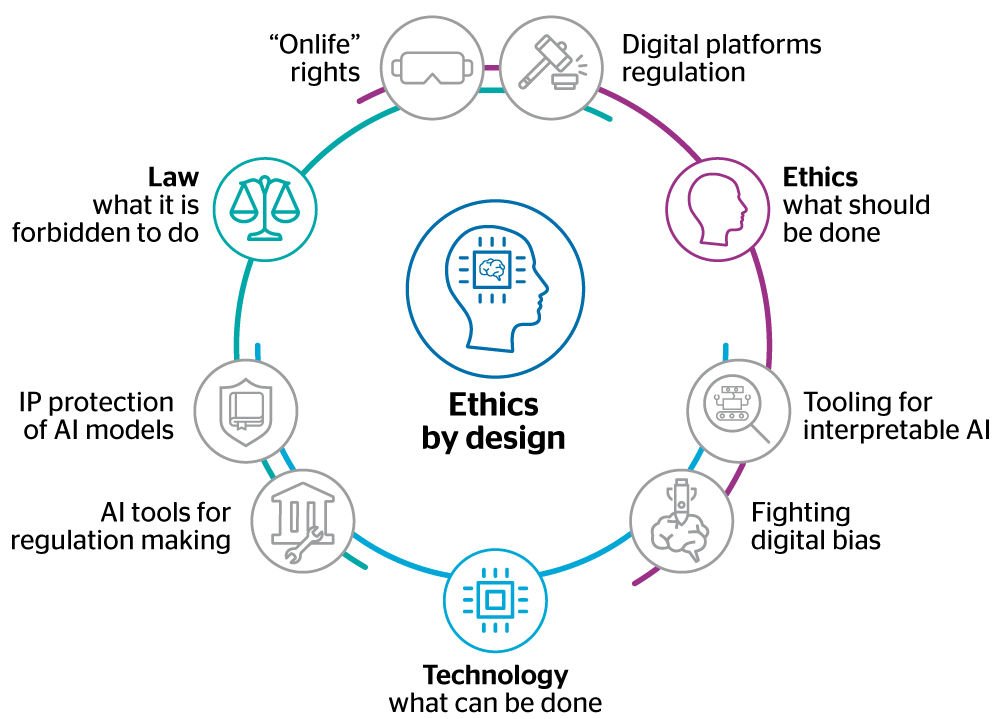
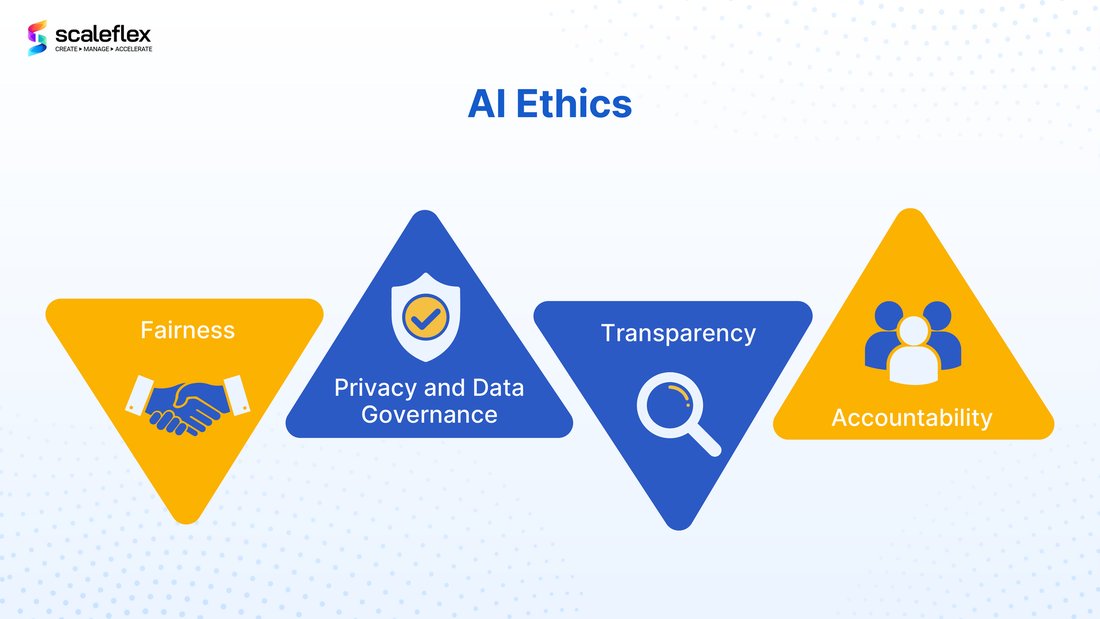
Adopt these foundational principles to guide your AI workflow:
Transparency: Always label AI-assisted content. Platforms like YouTube and TikTok mandate disclosures in 2025, with algorithms boosting compliant videos. Use tags like #AIGenerated or on-screen disclaimers to build trust and improve SEO through user signals.
Originality and Attribution: Train or fine-tune AI on your own data to avoid IP infringement. Tools now integrate plagiarism checkers, flagging similarities to public datasets. Ethical creators credit sources, transforming AI suggestions into unique narratives rather than copying outputs verbatim.
Fairness and Bias Mitigation: AI models inherit biases from training data—e.g., underrepresenting diverse ethnicities in image generators. Audit outputs regularly, using diverse prompts and post-editing for equity. Initiatives like Adobe’s Content Authenticity Initiative (CAI) provide credentials verifying edits, essential for 2025’s bias-sensitive audiences.
Privacy and Consent: When using AI for personalization or voice cloning, secure explicit user consent. GDPR updates in 2025 impose fines up to 6% of revenue for violations, hitting creators hard.
Sustainability: Opt for green AI providers using renewable energy, as carbon footprints become a ranking factor in eco-conscious search algorithms.
Best Practices for Implementing Ethical AI in 2025
Integrate AI ethically with these actionable steps tailored for content creators:
1. Human-in-the-Loop Workflow: Use AI for ideation (e.g., Jasper or Copy.ai for outlines) but always review and infuse personal voice. This hybrid approach yields 40% faster production without sacrificing quality, as seen in creators like MrBeast’s team.
2. Watermarking and Provenance Tracking: Employ tools like Google’s SynthID or Nightshade to embed invisible markers in AI media, proving origins and deterring misuse. For video editors, Runway ML’s 2025 updates auto-apply ethical labels.
3. Regular Audits and Testing: Conduct bias audits using frameworks from the AI Ethics Guidelines Consortium. Test AI scripts for factual accuracy with fact-checkers like Grok or Perplexity, reducing misinformation risks that could tank SEO.
4. Collaborative Training: Fine-tune open-source models like Llama 3 on licensed datasets via Hugging Face, ensuring control and ethics. This democratizes AI for indie creators, bypassing Big Tech dependencies.
5. Audience Engagement: Poll viewers on AI preferences and adapt accordingly. Ethical disclosure fosters loyalty, with transparent creators seeing 30% retention boosts per Socialinsider reports.
For SEO optimization, structure content with AI-generated keyword clusters (via Ahrefs AI) but manually refine for intent. In 2025, Google’s E-E-A-T (Experience, Expertise, Authoritativeness, Trustworthiness) framework favors ethically disclosed AI content.
Top Ethical AI Tools for Content Creators in 2025
Leverage these vetted tools prioritizing ethics:
– Midjourney V7: Enhanced bias filters and attribution logs for ethical visuals.
– Descript Overdub 2.0: Voice AI with consent verification and watermarking.
– ElevenLabs Ethical Mode: Prevents deepfake misuse with voice biometrics.
– Canva Magic Studio Pro: Integrated CAI for provenance, ideal for graphics.
– Notion AI Enterprise: Privacy-focused for planning, compliant with global regs.
Pair with monitoring suites like Blackbird.AI for reputation management, scanning for ethical lapses.
Navigating the Legal Landscape of AI in 2025

Global laws are tightening: The U.S. NO FAKES Act bans unauthorized digital replicas, while China’s AI regulations demand content audits. Creators must register AI workflows for liability protection. Platforms enforce strikes for non-compliance, but ethical pioneers gain verified badges, enhancing discoverability. Consult resources like the Creator’s Rights Alliance for updates.
Future Trends in Ethical AI for Creators
By late 2025, expect blockchain-verified AI outputs, federated learning for privacy, and AI ethics certifications from bodies like IEEE. Multimodal models will dominate, blending text, image, and video ethically. Creators adopting now will lead the “responsible creativity” wave, with VR/AR content demanding new standards.
Conclusion: Empower Your Creativity Ethically
Ethical AI use in 2025 isn’t a hurdle—it’s a superpower for content creators. By embracing transparency, originality, and accountability, you’ll produce high-quality, SEO-optimized work that resonates. Start small: audit one project today. The future favors the ethical—join the vanguard and thrive.
(Word count: 1218)