
How to Recover from Social Media Addiction Without Going Offline
Understanding Social Media Addiction
Feature Video
Social media addiction has become a pervasive issue in our hyper-connected world. Platforms like Instagram, TikTok, Facebook, and Twitter are designed with addictive algorithms that keep users scrolling endlessly. According to a 2023 study by the American Psychological Association, over 60% of adults report feeling addicted to social media, leading to decreased productivity, anxiety, and even sleep disturbances. But what if you could recover from social media addiction without going offline entirely? Completely unplugging isn’t realistic for many who rely on these platforms for work, networking, or staying connected. This article explores practical, sustainable strategies to reclaim control while staying online.
The key to recovery lies in transforming your relationship with social media from compulsive to intentional. Recognize the signs: constant checking notifications, FOMO (fear of missing out), or spending hours daily without purpose. Dopamine hits from likes and comments fuel this cycle, but with mindful adjustments, you can break it without deleting apps.
Set Time Limits and Use Built-in Tools

One of the most effective ways to recover from social media addiction is by imposing strict time limits. Most platforms offer built-in features to help. On iOS, Screen Time allows you to set daily app limits for Instagram or TikTok, notifying you when you’ve hit your cap. Android’s Digital Wellbeing provides similar functionality with Focus Mode, which grays out apps during designated periods.
Start small: aim for 30 minutes per platform daily, gradually reducing as habits form. Research from the Journal of Behavioral Addictions shows that self-imposed limits reduce usage by up to 40% without abstinence. Pair this with app blockers like Freedom or StayFocusd for cross-device enforcement. These tools pause access after your limit, training your brain to disengage.
Pro tip for SEO-savvy users: schedule posts using tools like Buffer or Hootsuite. This lets you maintain an online presence for professional growth while curbing mindless scrolling.
Curate Your Feed for Positivity
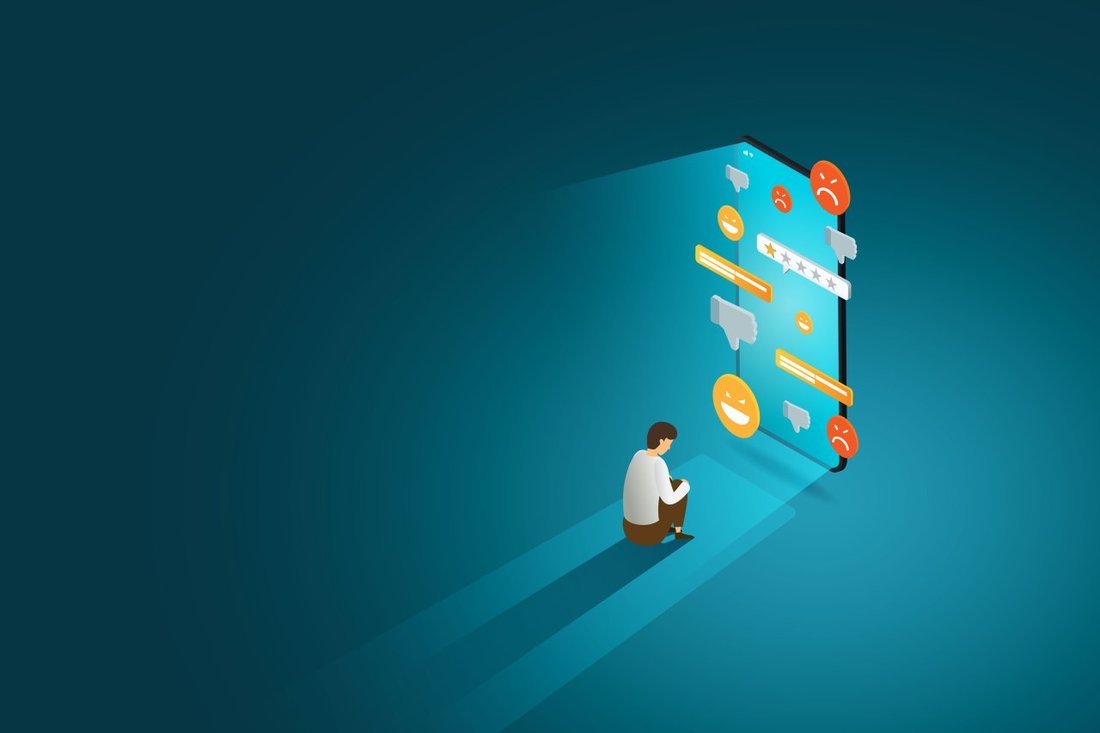
A cluttered feed amplifies addiction. To recover without going offline, perform a digital detox of your follows. Unfollow accounts that trigger envy, negativity, or endless scrolling—think influencers promoting unattainable lifestyles. Replace them with value-driven content: educational pages on productivity, mental health, or hobbies.
Use platform algorithms to your advantage. Instagram’s “Not Interested” and TikTok’s “Not Interested” buttons refine recommendations. Create custom lists or folders: one for professional networking (LinkedIn-style), another for entertainment. This shifts social media from a time sink to a tool for growth. A Pew Research study found that curated feeds increase user satisfaction by 25%, reducing compulsive checks.
Incorporate “feed fasting”: mute stories and reels for 24 hours weekly. This resets your dopamine baseline, making mindful engagement more rewarding.
Practice Mindful Scrolling Techniques
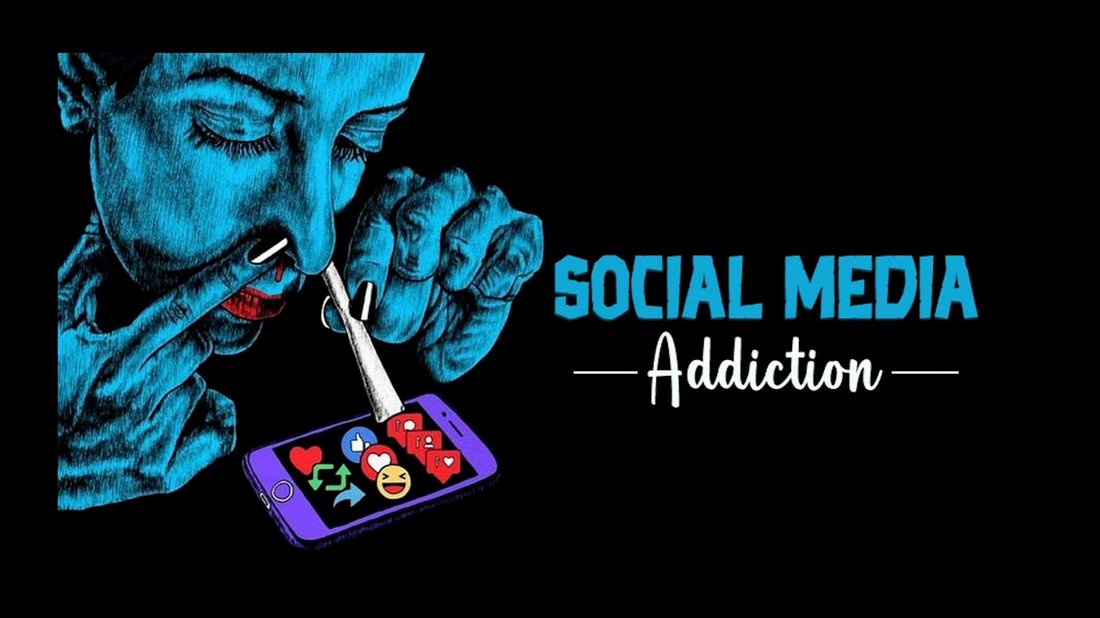
Mindfulness is a cornerstone of recovering from social media addiction. Treat sessions like meditation: set a timer, breathe deeply, and engage purposefully. Ask: “Why am I opening this app? What value will I gain?” Apps like Forest gamify focus, growing virtual trees during limit adherence, wilting them if you stray.
Implement the “one-tab rule”: close all other tabs before opening social media to avoid rabbit holes. Turn off notifications entirely—studies from Stanford University show they fragment attention, spiking addiction. Reserve checking for designated times, like post-lunch or evening wind-down.
For deeper recovery, journal your usage: note mood before and after sessions. Over time, patterns emerge, empowering intentional habits. This approach aligns with cognitive behavioral therapy (CBT) principles, proven effective for behavioral addictions.
Leverage Accountability and Community
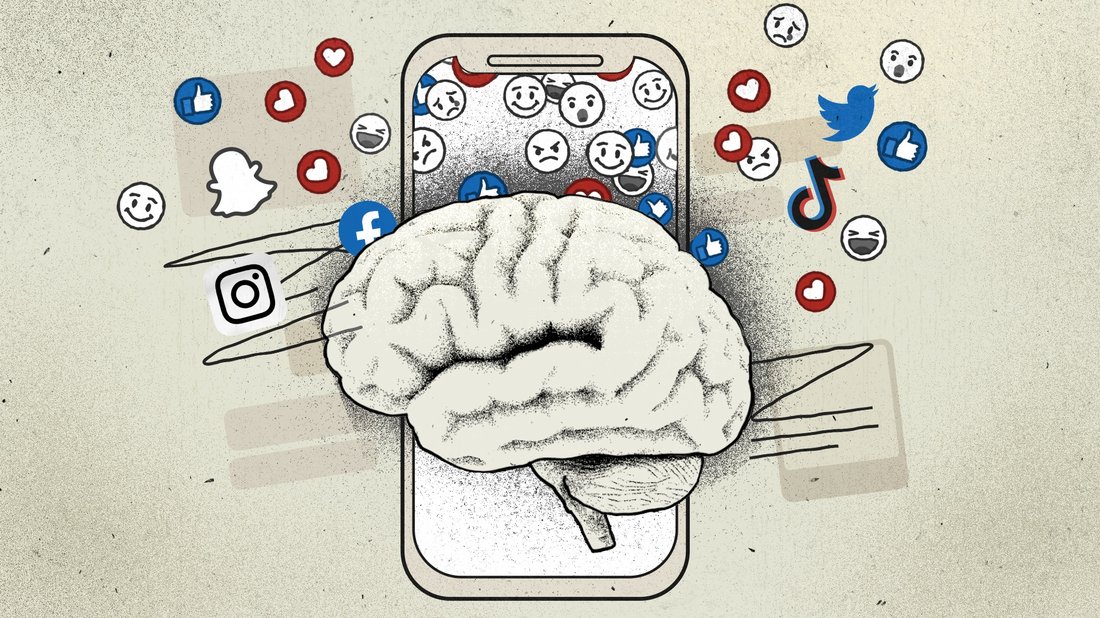
Going solo is tough; enlist support to recover from social media addiction. Share goals with friends or join online communities like Reddit’s r/nosurf or accountability apps such as StickK, where you wager money on meeting limits.
Pair with real-world connections: schedule calls instead of DMs. Apps like Marco Polo allow asynchronous video messaging, fostering bonds without instant gratification. For professionals, use Slack or Discord for targeted networking, minimizing broad social feeds.
Parental controls aren’t just for kids—use them on yourself via Google’s Family Link or Apple’s restrictions. Track progress weekly, celebrating milestones like a week under limits with non-digital rewards.
Incorporate Replacement Habits

Quitting cold turkey fails because voids invite relapse. Replace scrolling with micro-habits during trigger times. Phone in hand? Do stretches, read e-books via Kindle, or listen to podcasts on Spotify.
Build a “digital minimalism” routine, as Cal Newport advocates: designate “high-value” social media time for career or learning. Offline alternatives like journaling, walking, or hobbies fill gaps. A 2022 meta-analysis in Computers in Human Behavior linked habit stacking to 50% better addiction recovery rates.
Explore content creation mindfully: post once daily with intention, focusing on quality. This flips passive consumption to active participation, boosting self-esteem without excess time.
Utilize Advanced Tech Solutions

Tech aids recovery when used wisely. Browser extensions like News Feed Eradicator hide Facebook’s feed, leaving only Messenger. LeechBlock for Chrome sets session limits per site.
AI-powered apps like Opal or One Sec introduce friction: delays before opening addictive apps, prompting reflection. Wearables like Apple Watch vibrate reminders to log off. For data-driven insights, RescueTime tracks usage automatically, generating reports to visualize progress.
Integrate with smart home setups: link limits to lights dimming or music starting, signaling “scroll-free” zones. These innovations make staying online sustainable.
Monitor Progress and Adjust
Recovery is iterative. Weekly reviews are essential: use built-in insights (Instagram’s “Your Activity”) to audit time spent. Adjust limits based on data—if work demands more LinkedIn, allocate accordingly.
Track mental health metrics: improved sleep, focus, relationships. If slippage occurs, analyze triggers (boredom, stress) and preempt with coping strategies like deep breathing.
Long-term, aim for “conscious uncoupling” from social media: online but not owned by it. Benefits include heightened productivity (up 20%, per RescueTime users), better mood, and real-world fulfillment.
Conclusion: Balanced Digital Life Awaits
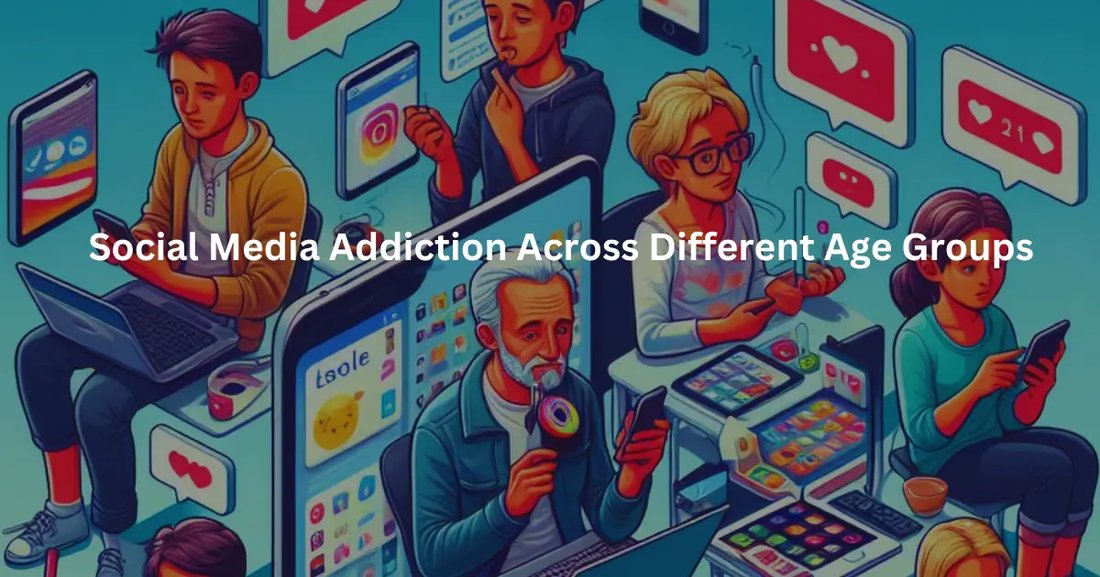
Recovering from social media addiction without going offline is achievable through limits, curation, mindfulness, accountability, habits, and tech. This balanced approach preserves connectivity’s upsides—networking, information, expression—while mitigating downsides. Start today: set one limit, curate one feed. Consistency compounds; in months, you’ll wonder how you ever scrolled endlessly.
Embrace this journey for a healthier digital life. Share your tips in comments—mindfully, of course!
(Word count: 1,248)