
The Hidden Chemicals in Your Kitchen That Are Disrupting Your Hormones
Introduction to Hormone Disruptors in Everyday Kitchens
Feature Video
Your kitchen is supposed to be the heart of the home—a place for nourishing meals and family gatherings. But lurking in plain sight are hidden chemicals that could be silently sabotaging your hormonal health. These endocrine disruptors, as scientists call them, mimic or block hormones like estrogen, testosterone, and thyroid hormones, leading to issues such as infertility, weight gain, thyroid disorders, and even increased cancer risk. Common culprits hide in plastics, cookware, cleaning products, and packaged foods. In this comprehensive guide, we’ll uncover these hidden chemicals in your kitchen disrupting your hormones, explore their impacts, and provide actionable steps to protect yourself and your family. With rising awareness of hormone-disrupting chemicals, understanding their sources is key to reclaiming your health.
BPA and Phthalates in Plastics: The Sneaky Invaders
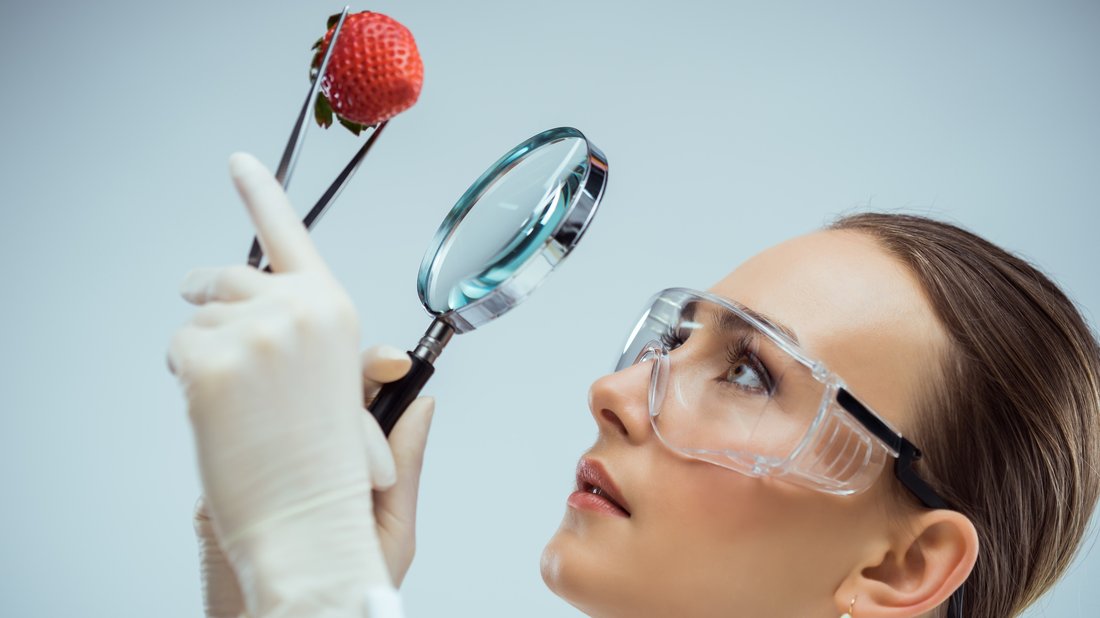
Bisphenol A (BPA) and phthalates top the list of hidden chemicals in your kitchen disrupting your hormones. BPA, found in polycarbonate plastics and epoxy resins lining canned goods, leaches into food when heated or exposed to acidic contents. Studies from the Endocrine Society show BPA mimics estrogen, altering reproductive health and contributing to polycystic ovary syndrome (PCOS) in women and reduced sperm quality in men. A 2022 meta-analysis in Environmental Health Perspectives linked BPA exposure to metabolic disorders like obesity and diabetes.
Phthalates, plasticizers making containers flexible, are in food wraps, storage bags, and even some utensils. They enter your body through skin contact or food migration, especially fatty foods. Research from the National Institutes of Health (NIH) indicates phthalates disrupt testosterone production, leading to developmental issues in children and hormonal imbalances in adults. To spot them, check labels for “BPA-free”—but beware, replacements like BPS and BPF may be equally disruptive. Opt for glass or stainless steel alternatives to minimize exposure to these pervasive chemicals.
PFAS in Non-Stick Cookware: Forever Chemicals at High Heat

Non-stick pans promise easy cooking, but their coating often contains per- and polyfluoroalkyl substances (PFAS), dubbed “forever chemicals” for their persistence in the environment and body. PFOA, once common in Teflon, was phased out but lingers in older cookware and contaminated water used for washing. When overheated above 500°F, these chemicals release fumes that can cause “polymer fume fever” and long-term hormone disruption.
PFAS bind to thyroid hormones, impairing metabolism and leading to hypothyroidism symptoms like fatigue and weight gain. A landmark study by the Environmental Working Group (EWG) found PFAS in 99% of Americans’ blood, correlating with fertility declines. Kitchen exposure amplifies this: greasy foods absorb more PFAS from packaging or cookware. Switch to cast iron, ceramic, or stainless steel for safer cooking. Always use medium heat and wooden utensils to avoid scratching coatings, reducing the risk of hidden chemicals in your kitchen disrupting your hormones.
Pesticide Residues on Fruits and Vegetables: Nature’s Hidden Threat

Fresh produce should be healthy, but pesticide residues like organophosphates and glyphosate cling to skins, infiltrating your meals. These chemicals mimic hormones or interfere with their signaling, as noted in a 2023 Journal of Endocrinology review. Atrazine, a common herbicide, acts as an estrogen disruptor, linked to earlier puberty in girls and prostate issues in men.
Even organic produce isn’t immune—cross-contamination occurs. Washing helps, but systemic pesticides penetrate tissues. The USDA’s Pesticide Data Program detects residues on 20% of samples exceeding safety limits. Hormonal chaos ensues: disrupted insulin leads to blood sugar swings, while estrogen mimics fuel hormone-sensitive cancers. Combat this by choosing organic when possible, peeling produce, or using a vinegar soak. Growing your own herbs and veggies eliminates these hidden chemicals entirely.
Canned Foods and Aluminum: Lining Up for Trouble

Canned soups, beans, and sodas rely on BPA-lined interiors to prevent corrosion, but acidic tomatoes or citrus dissolve the lining, releasing BPA directly into your food. A study in Food Chemistry measured BPA levels up to 50 times higher in canned vs. fresh equivalents. Aluminum from cans also leaches, potentially mimicking estrogen and contributing to Alzheimer’s risk, though debated.
Chronic low-dose exposure disrupts the hypothalamic-pituitary-adrenal axis, causing stress hormone imbalances like elevated cortisol. Pregnant women face risks to fetal development. Shift to glass jars, Tetra Paks, or frozen fresh foods. Brands like Eden Organic use BPA-free linings—read labels diligently to sidestep these kitchen hormone disruptors.
Cleaning Products: Phthalates and Parabens Under the Sink

Dish soaps, surface cleaners, and sponges harbor phthalates and parabens, preservatives that extend shelf life but disrupt hormones. Phthalates in fragrances volatilize into air, inhaled during scrubbing. Parabens mimic estrogen, detected in breast tumors per a Environmental Health Perspectives study.
These chemicals accumulate, altering menstrual cycles and thyroid function. The EU restricts several, but U.S. products lag. EWG’s database rates many “F” for toxicity. Choose fragrance-free, plant-based cleaners like vinegar-baking soda mixes or Seventh Generation products. Natural sponges and gloves prevent skin absorption, curbing hidden chemicals in your kitchen disrupting your hormones.
The Health Impacts: From Fertility to Chronic Disease

Endocrine disruptors wreak havoc systemically. Estrogen mimics promote gynecomastia in men and endometriosis in women. Thyroid interference slows metabolism, fostering obesity. Children exposed prenatally face ADHD and autism risks, per CDC data. Long-term, links to breast, prostate cancers emerge from combined exposures.
Symptoms mimic aging: fatigue, mood swings, unexplained weight changes. Blood tests for hormones and toxins confirm issues, but prevention trumps cure. A low-disruptor kitchen slashes exposure by 80%, per NIH estimates, restoring balance naturally.
How to Detox Your Kitchen: Practical Steps for Hormone Health

Reclaim control with these steps:
- Swap Plastics: Use glass Pyrex, stainless steel, or beeswax wraps.
- Upgrade Cookware: Invest in PFAS-free options; season cast iron properly.
- Clean Smart: DIY cleaners—lemon, vinegar, essential oils (diluted).
- Shop Wisely: Prioritize fresh, organic, bulk buys in paper bags.
- Filter Water: Reverse osmosis removes PFAS and pesticides.
- Ventilate: Open windows while cooking/cleaning.
Track changes with a food journal; consult a functional medicine doctor for personalized detox protocols like saunas or supplements (milk thistle, broccoli sprouts).
Conclusion: Empower Your Kitchen for Hormonal Harmony

The hidden chemicals in your kitchen disrupting your hormones are avoidable with mindful choices. By ditching plastics, toxic cookware, and harsh cleaners, you protect not just your health but future generations. SEO-optimized awareness drives change—search “hormone-safe kitchen” for more tips. Start small: one swap weekly yields big results. Your body thanks you for a toxin-free haven where meals heal, not harm. (Word count: 1,248)