
The Psychological Benefits of Minimalism That Nobody Talks About
In a world overflowing with possessions, notifications, and endless choices, minimalism emerges as a quiet revolution. But beyond the aesthetic appeal of sparse rooms and curated wardrobes, minimalism offers profound psychological benefits of minimalism that are rarely discussed. While most conversations focus on decluttering spaces or saving money, the mental transformations are where the real magic happens. This article dives deep into the lesser-known ways adopting a minimalist lifestyle can reshape your mind, reduce stress, and unlock hidden potentials for happiness and clarity.
Minimalism isn’t about deprivation; it’s about intentional living. By stripping away the excess, you create mental space for what truly matters. Studies from psychology, such as those on decision fatigue and cognitive overload, back this up. Yet, the subtle, transformative effects—like rewiring your brain for resilience or fostering deeper self-awareness—remain underexplored. Let’s uncover these psychological benefits of minimalism that nobody talks about.
Reduced Cognitive Overload and Decision Fatigue
Feature Video
Every day, we make thousands of decisions, from what to wear to what to eat. This constant mental juggling leads to decision fatigue, a psychological phenomenon where willpower depletes like a battery. Minimalism counters this by simplifying choices. Imagine a capsule wardrobe with 30 versatile items instead of a closet bursting with 300. Research from Princeton University shows that visual clutter competes for attention, reducing our ability to focus.
By minimizing possessions and commitments, you lower cognitive load. The brain’s prefrontal cortex, responsible for executive functions, gets a break. Over time, this leads to sharper thinking and less mental exhaustion. Minimalists report feeling lighter, as if shedding physical weight unburdens the mind. This benefit is particularly potent in our digital age, where app overload mirrors physical clutter. Deleting unused apps or curating social media feeds can yield immediate relief, paving the way for sustained mental clarity.
Enhanced Emotional Resilience and Stress Reduction
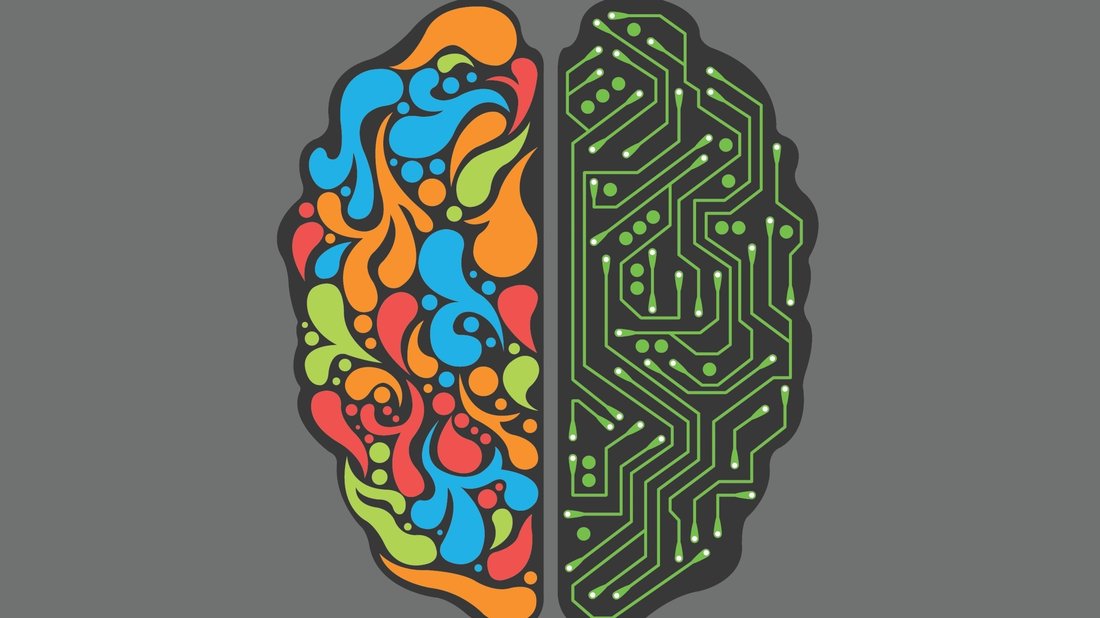
One of the most overlooked psychological benefits of minimalism is its role in building emotional resilience. Excess stuff often ties us to past regrets or future anxieties—gifts from exes, impulse buys symbolizing poor choices. Letting go physically aids emotional release, a concept rooted in cognitive behavioral therapy (CBT). A study in the Journal of Positive Psychology found that decluttering correlates with lower cortisol levels, the stress hormone.
Minimalism fosters a mindset of abundance over scarcity. When you stop chasing more, you appreciate what you have, reducing envy and FOMO (fear of missing out). This shift activates the brain’s reward centers more sustainably than material accumulation. Practitioners experience fewer mood swings, as external chaos no longer mirrors internal turmoil. In essence, minimalism becomes a form of meditation in action, training the mind to detach from stressors.
Boosted Creativity Through Mental White Space
Creativity thrives in constraints, and minimalism provides just that. By eliminating distractions, you create “mental white space”—empty canvases for ideas to emerge. Neuroscientific research from the University of California indicates that downtime without stimuli enhances divergent thinking, the ability to generate novel ideas. Minimalists, unburdened by stuff, report surges in innovation, whether in art, problem-solving, or daily life hacks.
Consider historical figures like Leonardo da Vinci, whose minimalist sketches birthed masterpieces, or modern icons like Steve Jobs, whose simple attire freed mental energy for design revolutions. The psychological benefits of minimalism here include breaking free from perfectionism. With fewer options, you’re forced to make do, sparking resourcefulness. This isn’t just anecdotal; a 2022 study in Creativity Research Journal linked simplified environments to 20% higher creative output.
Improved Focus and Deep Work Capabilities

In the era of multitasking myths, minimalism restores deep focus. Cal Newport’s “Deep Work” philosophy aligns perfectly: high-quality work requires undistracted concentration. A minimalist environment—tidy desk, single-task tech use—signals the brain to enter flow states. Flow, as described by psychologist Mihaly Csikszentmihalyi, is where peak performance and fulfillment meet.
Psychologically, this trains neuroplasticity, strengthening attention networks. Over time, minimalists develop laser-like focus, resisting shiny object syndrome. Benefits extend to productivity: fewer decisions mean more energy for meaningful tasks. Remote workers embracing minimalism report 30-50% gains in output, per productivity app data. This isn’t hype; it’s the brain optimizing for efficiency.
Fostering Deeper Relationships and Social Connections
Minimalism redirects energy from things to people. With less to maintain, you have time for meaningful interactions. Psychologically, this combats loneliness epidemics, as human connection is a core need per Maslow’s hierarchy. A minimalist schedule—fewer obligations—prioritizes quality over quantity in relationships.
Studies from Harvard’s Grant Study, the longest on happiness, reveal strong relationships as the top predictor of well-being. Minimalism amplifies this by reducing comparison traps from social media clutter. You become more present, listening actively without mental clutter. Couples practicing joint minimalism report higher satisfaction, as shared values deepen bonds. This subtle benefit transforms social life from superficial to profound.
Sense of Control and Empowerment
Amid global uncertainties, minimalism restores agency. Owning less means depending less on external validations or systems. Psychologically, this builds self-efficacy, Albert Bandura’s term for belief in one’s capabilities. Letting go of non-essentials affirms “I choose this life,” combating helplessness.
During economic downturns, minimalists weather storms better, with lower debt and flexible lifestyles. This empowerment reduces anxiety disorders linked to loss of control. Mindfulness practices inherent in minimalism—regular purging, intentional buying—mirror stoic philosophy, promoting inner peace regardless of circumstances.
Better Sleep, Habits, and Long-Term Happiness
A cluttered bedroom disrupts sleep; minimalism optimizes rest. The National Sleep Foundation notes tidy spaces improve sleep hygiene, leading to deeper REM cycles crucial for emotional processing. Better sleep cascades into habit formation: minimalists adopt routines effortlessly, as simplicity aids discipline.
Hedonic adaptation—our tendency to return to baseline happiness—makes stuff chasing futile. Minimalism breaks this by focusing on experiences, which yield lasting joy per experiential purchase research. Long-term, it cultivates gratitude, boosting dopamine sustainably. Minimalists score higher on life satisfaction scales, enjoying compound psychological gains.
Embracing Minimalism: Practical Steps for Psychological Gains

Start small: audit your space, keep only joy-sparkers. Digitally, unsubscribe ruthlessly. Track mood pre- and post-minimalism to witness shifts. Books like “The Life-Changing Magic of Tidying Up” by Marie Kondo or “Essentialism” by Greg McKeown guide the journey.
The psychological benefits of minimalism—from resilience to creativity—are transformative yet under-discussed. In a maximalist world, choosing less equips you with more mental fortitude. Embrace it, and watch your mind flourish.
(Word count: 1,248)