
The Truth About Intermittent Fasting and Its Impact on Long-Term Metabolism
What Is Intermittent Fasting?
Feature Video
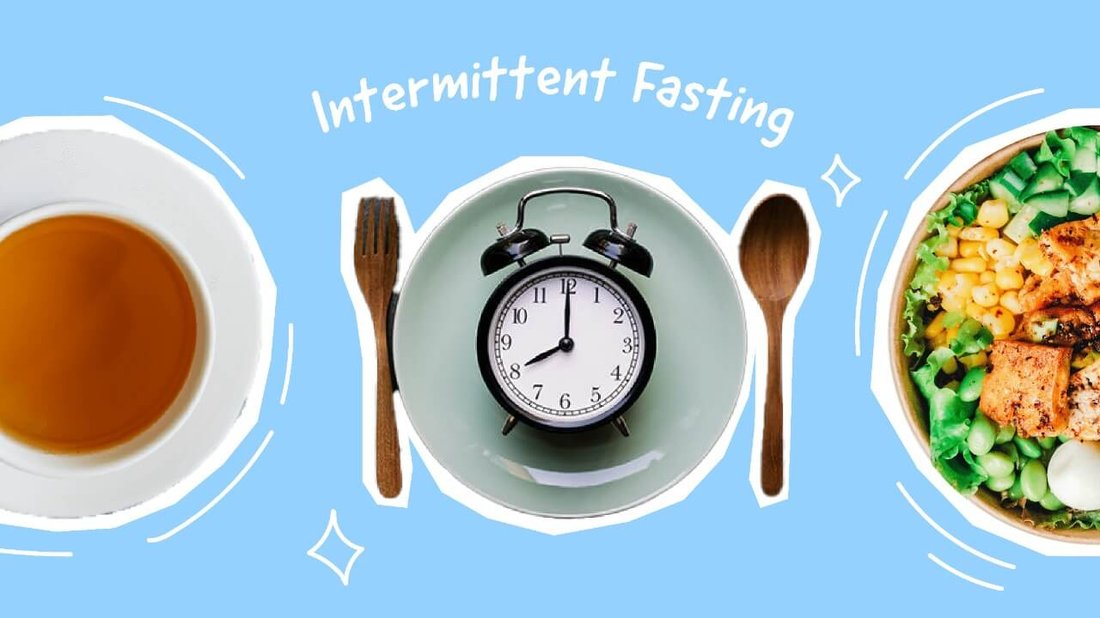
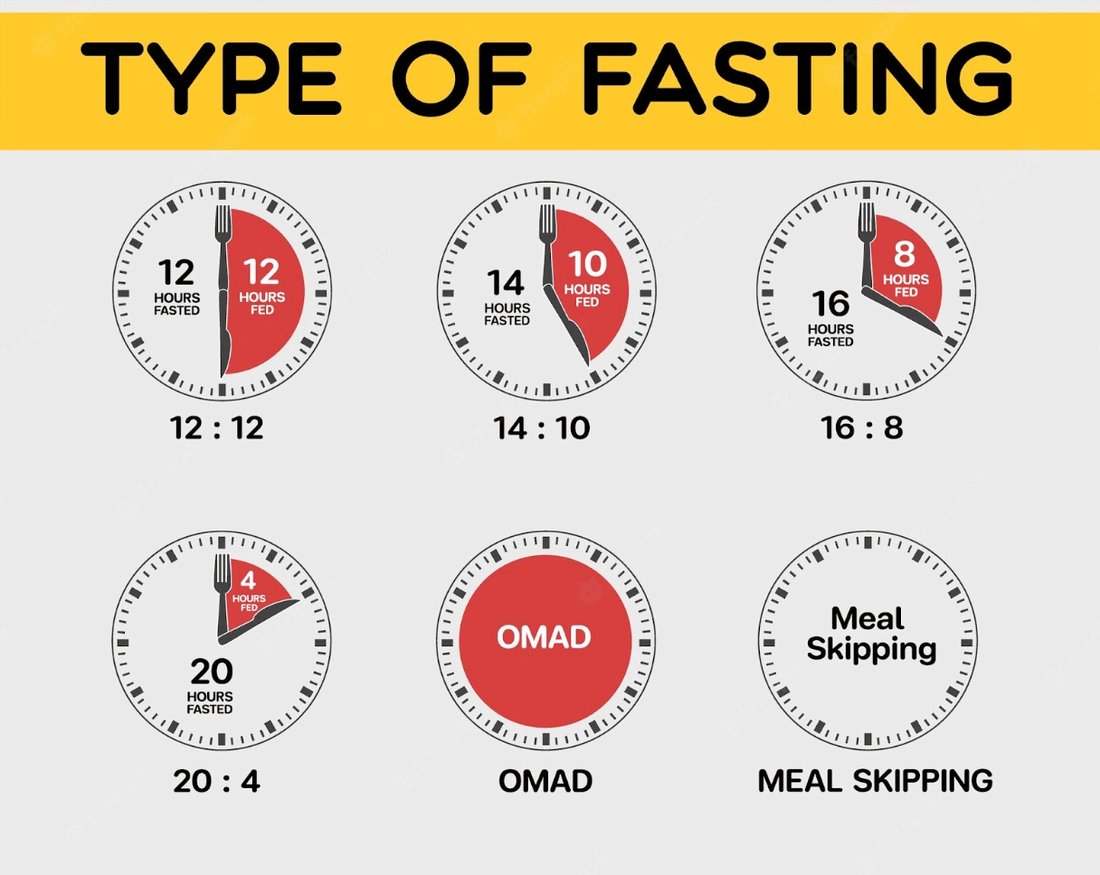
Intermittent fasting (IF) has surged in popularity as a dietary strategy that focuses on when you eat rather than what you eat. Unlike traditional calorie-restricting diets, IF cycles between periods of eating and fasting. Common protocols include the 16/8 method (16 hours fasting, 8 hours eating window), 5:2 (five normal eating days, two restricted calorie days), and alternate-day fasting. Proponents claim it aids weight loss, improves metabolic health, and even extends lifespan. But does intermittent fasting slow down your metabolism long-term? This article uncovers the truth, backed by science, to help you decide if IF is right for your long-term metabolic health.
At its core, IF leverages the body’s natural fasting state. During fasting, insulin levels drop, prompting the body to burn stored fat for energy via processes like autophagy and ketosis. This metabolic shift is why many experience rapid initial weight loss. However, concerns linger about adaptive thermogenesis—where the body lowers its resting metabolic rate (RMR) to conserve energy during prolonged calorie deficits. Let’s dive into the evidence.
Short-Term Effects of Intermittent Fasting on Metabolism
In the short term, intermittent fasting appears to boost metabolism rather than hinder it. A 2016 study in the Journal of Translational Medicine found that participants on a 16/8 IF protocol experienced a 3-14% increase in metabolic rate due to elevated norepinephrine levels. This hormone stimulates fat breakdown and thermogenesis, countering the typical metabolic dip seen in continuous calorie restriction.
Another key benefit is improved insulin sensitivity. Research from the Cell Metabolism journal (2019) showed that time-restricted feeding enhances glucose uptake in muscles, reducing blood sugar spikes. This metabolic flexibility—switching efficiently between carbs and fats—supports sustained energy levels and prevents the yo-yo effect of crash diets. For those new to IF, short-term results often include 3-8% body weight loss within 3-12 weeks, primarily from fat, not muscle, preserving metabolic rate.
The Science Behind Long-Term Metabolic Impact
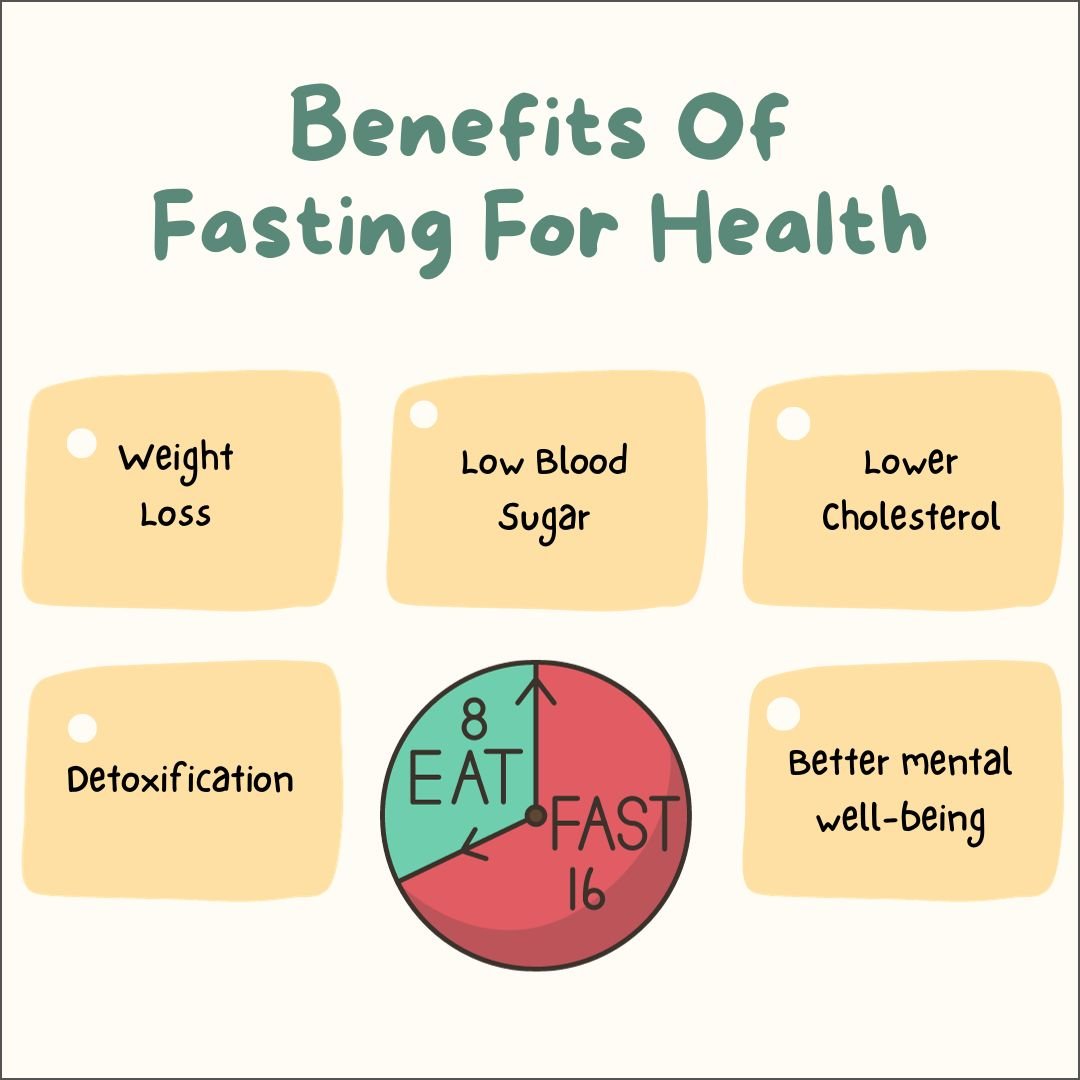
The million-dollar question: Does intermittent fasting harm long-term metabolism? Long-term studies (6+ months) are limited but promising. A 2020 randomized controlled trial in Annals of Internal Medicine followed obese adults on 16/8 IF for one year. Results? Participants lost 7-11% body weight with no significant RMR decline compared to controls. In fact, lean mass preservation was better than with daily calorie restriction, suggesting IF protects metabolic machinery.
Animal studies reinforce this. Rodents on alternate-day fasting showed increased mitochondrial function and uncoupling protein 1 (UCP1) expression, enhancing fat-burning efficiency without metabolic slowdown. Human data from a 2022 meta-analysis in Obesity Reviews (analyzing 18 trials) concluded IF yields similar weight loss to continuous restriction but with less metabolic adaptation. Why? IF allows periodic refeeds, preventing the extreme energy deficits that trigger thyroid hormone downregulation (T3 reduction).
That said, not all evidence is glowing. A small 2017 study in European Journal of Nutrition noted a 5% RMR drop after 8 weeks of strict IF in lean athletes, hinting at risks for those already metabolically efficient. Genetics play a role too—variants in the FTO gene may influence IF responsiveness.
Myths vs. Facts: Does IF Slow Your Metabolism?

Myth 1: IF causes permanent metabolic damage. Fact: No large-scale human study supports this. Metabolic adaptation occurs in any sustained deficit, but IF’s cyclical nature minimizes it. A 2021 review in New England Journal of Medicine emphasized that weight regain post-IF stems from behavioral factors, not irreversible slowdown.
Myth 2: Women suffer more from IF. Partially true—women’s hormones (estrogen, leptin) make them prone to stress responses. A 2018 study in Obesity found menstrual irregularities in some female fasters, potentially lowering thyroid function. However, modified IF (14/10 windows) often mitigates this.
Myth 3: Muscle loss tanks metabolism. Fact: With resistance training and adequate protein (1.6g/kg body weight), IF preserves muscle. A 2019 trial in Journal of the International Society of Sports Nutrition showed IF + weights maintained RMR better than dieting alone.
Potential Risks and Who Should Avoid Intermittent Fasting
While beneficial for many, IF isn’t universal. Risks include nutrient deficiencies if eating windows lack balance, gallstone formation from rapid fat loss, and disordered eating triggers. Long-term, chronic fasting might elevate cortisol, indirectly affecting metabolism via abdominal fat gain.
Avoid IF if pregnant, breastfeeding, underweight, or with conditions like diabetes (hypoglycemia risk), eating disorders, or hypothyroidism. Always consult a doctor. Older adults may need gentler approaches to avoid sarcopenia.
Optimizing Intermittent Fasting for Metabolic Health
To maximize long-term benefits:
- Combine with exercise: HIIT and strength training amplify fat oxidation.
- Prioritize nutrient density: Focus on whole foods, fiber, omega-3s during eating windows.
- Monitor hormones: Track thyroid (TSH, T3/T4), cortisol via bloodwork.
- Personalize: Start with 12/12, progress slowly.
- Refeed strategically: One high-carb day weekly prevents adaptation.
A 2023 study in Nutrients on 12-month IF adherers showed sustained RMR stability when paired with these habits, with 10% average fat loss and improved VO2 max.
Comparing IF to Other Diets for Long-Term Metabolism

Versus keto: IF is more sustainable, less restrictive on carbs. Versus Mediterranean: IF adds timing benefits without calorie counting. A head-to-head trial (JAMA Internal Medicine, 2022) found IF superior for insulin resistance but equal for weight loss. Long-term adherence (60-70%) beats most diets, key for metabolic preservation.
Conclusion: Is Intermittent Fasting Metabolism-Friendly Long-Term?
The truth? Intermittent fasting does not inherently damage long-term metabolism when done correctly. Evidence points to metabolic enhancement via insulin sensitivity, fat adaptation, and preserved RMR—outpacing traditional diets. Benefits peak with personalization, exercise, and monitoring. For sustainable weight management and metabolic health, IF shines, but it’s no magic bullet. Listen to your body, seek professional guidance, and track progress. Ready to fast? Your metabolism might thank you.
(Word count: 1,248)