
Why Drinking Water First Thing in the Morning Might Be Backfiring
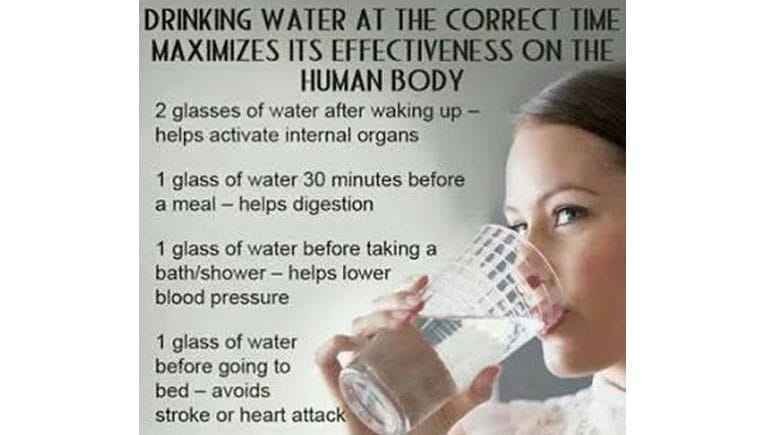
Drinking a glass of water first thing in the morning has become a cornerstone of wellness routines, touted by influencers, health gurus, and even some doctors as a simple hack for boosting metabolism, flushing toxins, and kickstarting hydration after a night’s sleep. But what if this ubiquitous advice is actually working against you? Recent insights from nutritionists, sleep experts, and medical research suggest that chugging water on an empty stomach upon waking might be backfiring in surprising ways. In this article, we’ll dive into the science-backed reasons why this habit could be counterproductive, exploring hydration myths, physiological responses, and smarter alternatives for morning wellness.
The Myth of the Morning Water Boost
Feature Video
The idea that drinking water first thing hydrates you optimally stems from the fact that humans lose water through breathing, sweating, and minimal urination overnight. Proponents claim it jumpstarts your digestive system, aids weight loss, and improves skin health. A study published in the Journal of Clinical Endocrinology & Metabolism even suggested that water can temporarily increase metabolic rate by up to 30% in some individuals.
However, this overlooks individual variability. Not everyone is dehydrated upon waking. Factors like room humidity, sleep duration, and personal physiology play roles. Forcing water when you’re not thirsty can lead to overhydration, diluting essential electrolytes like sodium and potassium. This imbalance, known as hyponatremia, can cause headaches, nausea, and in extreme cases, seizures. The National Institutes of Health warns that habitual overconsumption without thirst cues disrupts the body’s natural osmoregulation.
Interfering with Your Cortisol Awakening Response
Your body follows a precise circadian rhythm, with cortisol peaking 30-45 minutes after waking to promote alertness and energy mobilization. This “cortisol awakening response” (CAR) is crucial for daily functioning. Gulping cold water immediately upon rising can blunt this spike.
Research from the University of Westminster indicates that sudden fluid intake alters blood volume and hormone signaling, potentially dampening CAR. A muted cortisol response leads to mid-morning fatigue, cravings for caffeine or sugar, and impaired focus. Instead of the promised energy boost, you might experience a crash. Endocrinologist Dr. Sara Gottfried notes in her book Women, Food, and Hormones that timing hydration to align with natural rhythms—waiting 20-30 minutes post-wake—is more effective.
Diluting Stomach Acid and Digestive Enzymes

On an empty stomach, your gastric juices are at peak acidity to break down the first meal of the day. Drinking large volumes of water dilutes hydrochloric acid (HCl) and pepsin, key for protein digestion and killing pathogens. A 2019 study in Gastroenterology Research found that pre-meal water intake reduced gastric pH temporarily, impairing nutrient absorption.
For those with low stomach acid (hypochlorhydria), common in 40% of people over 60 per NIH data, this exacerbates bloating, indigestion, and malabsorption of minerals like B12 and iron. Ayurveda, a traditional system validated by modern studies, advises warm lemon water after allowing the stomach to “warm up,” avoiding the shock of cold water that constricts blood vessels and slows motility.
The Cold Water Shock and Autonomic Nervous System
Many reach for ice-cold water from the fridge, but this triggers the mammalian dive reflex, shifting the body into parasympathetic overdrive. This vagus nerve activation slows heart rate and redirects blood flow, countering the sympathetic “fight or flight” needed for morning alertness.
A Japanese study in PLOS One showed cold exposure upon waking increases sympathetic activity long-term but immediate cold water ingestion causes transient stress. Symptoms include chills, cramps, and vasoconstriction, potentially raising blood pressure in sensitive individuals. Room-temperature or warm water is gentler, preserving the autonomic balance.
Water Quality: Tap Water Traps
Not all water is equal. Municipal tap water often contains chlorine, fluoride, heavy metals, and microplastics, which accumulate overnight in pipes. Ingesting this first thing burdens the liver and kidneys during their natural detox phase (2-6 AM per Traditional Chinese Medicine, supported by circadian toxicology research).
The Environmental Working Group reports over 300 contaminants in U.S. tap water. Filtering with reverse osmosis or distillation mitigates risks, but unfiltered morning water could inflame the gut lining, fostering dysbiosis. Opt for spring water or infused herbal options later in the routine.
Who Might Benefit—and Who Should Avoid It

Context matters. Athletes or those in dry climates may need immediate rehydration, per American College of Sports Medicine guidelines. Pregnant women benefit from steady intake to combat morning sickness. However, for sedentary office workers, elderly with reduced thirst perception, or acid reflux sufferers, it’s risky.
A survey by the Hydration for Health Initiative found 75% of adults misjudge hydration status, leading to habitual overdrinking. Listen to thirst: dry mouth, dark urine, or fatigue signal need. Biofeedback apps tracking urine color or wearable hydration monitors offer precision.
Smarter Morning Hydration Alternatives
Ditch the ritual for personalized strategies:
- Wait and Sip: Rise, make bed, do light stretches, then sip 4-8 oz warm water over 15 minutes.
- Electrolyte Boost: Add a pinch of sea salt or use LMNT packets to maintain balance.
- Hydrating Foods First: Start with watermelon, cucumber, or bone broth for natural repletion.
- Herbal Infusions: Ginger or peppermint tea stimulates digestion without dilution.
- Timing with Coffee: Black coffee provides hydration equivalent to water, per Mayo Clinic, with antioxidants.
Incorporate movement: A 10-minute walk enhances natural thirst and circulation, optimizing fluid uptake.
Long-Term Effects and Real-World Evidence
Anecdotal backlash grows on platforms like Reddit’s r/nutrition, where users report nausea, frequent urination disrupting routines, and no metabolic gains after quitting. A 2022 meta-analysis in Nutrients concluded no significant weight loss from morning water alone, attributing benefits to overall intake.
Chronic overhydration strains kidneys, per nephrology experts, increasing UTI risk in women. Track intake: 0.5-1 oz per pound body weight daily suffices for most, spread evenly.
Conclusion: Hydrate Smarter, Not Harder
Drinking water first thing in the morning isn’t inherently bad, but the one-size-fits-all hype ignores science and individuality. It can backfire by disrupting hormones, digestion, and electrolyte balance, leading to fatigue rather than vitality. Prioritize thirst cues, quality sources, and timed intake for true benefits. Consult a doctor for personalized advice, especially with conditions like kidney issues or medications affecting fluids.
By rethinking this ritual, you’ll align with your body’s wisdom, fostering sustainable health. Keywords like “morning water myths,” “hydration timing,” and “overhydration risks” highlight why nuance trumps trends in wellness.
(Word count: 1217)