
The $10 Billion Esports Boom: Why Gamers Are the New Sports Superstars
Picture This: Gamers as Gladiators
Hey, have you ever caught yourself glued to a screen, heart pounding as some kid in a hoodie outsmarts an entire team in a virtual battlefield? That’s esports for you, and it’s not just a niche hobby anymore. The industry just hit a staggering $10 billion valuation, and gamers are stepping into the spotlight as the new sports superstars. Forget the multimillion-dollar football contracts for a second—pro gamers are raking in life-changing cash, filling massive arenas, and building empires. I mean, who would’ve thought that button-mashing could rival touchdowns? Let’s dive into why this boom is happening and why it’s only getting bigger.
The Explosive Growth: From Dorm Rooms to Billions
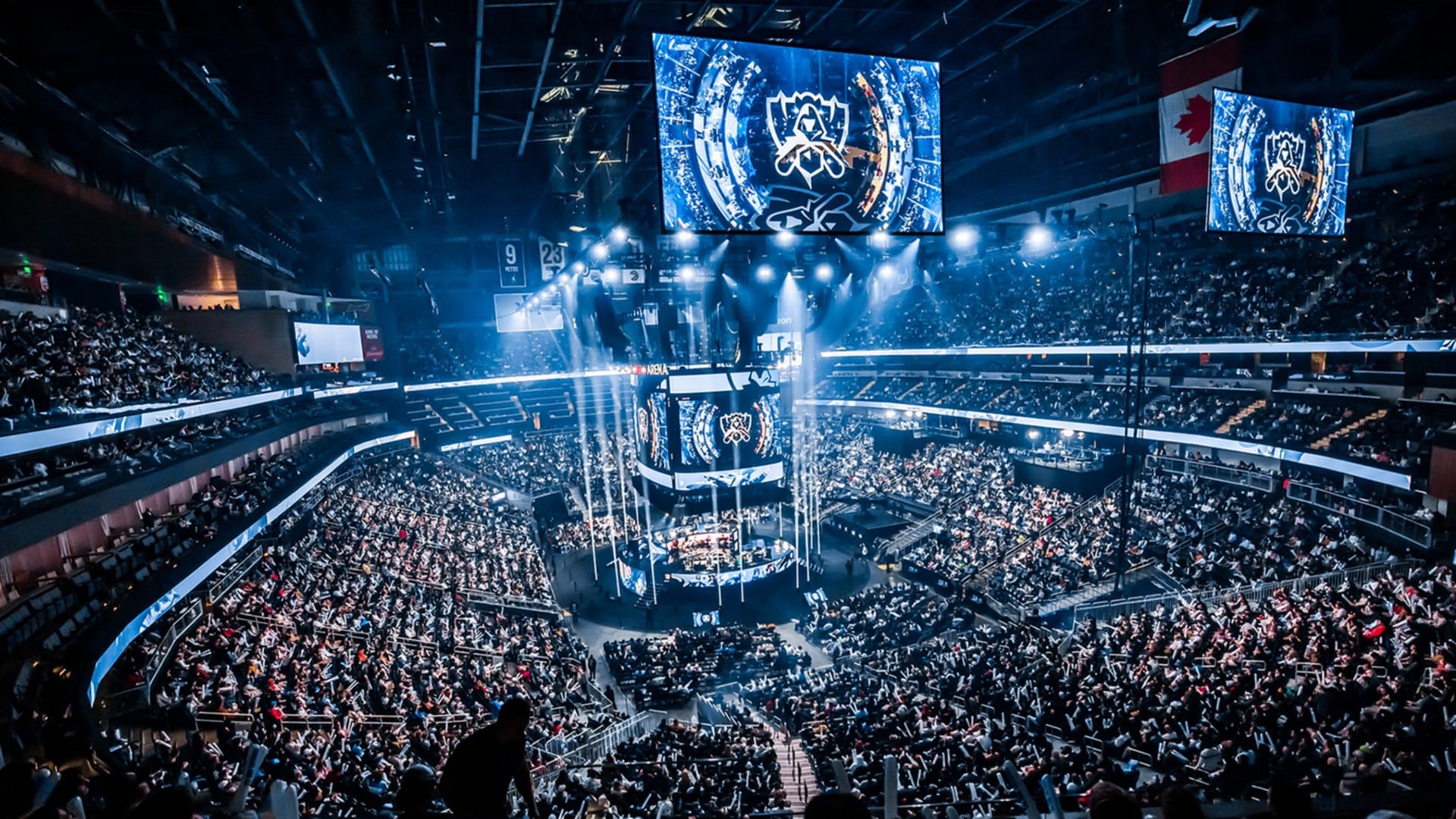
It all started small. Back in the early 2000s, a few tournaments for games like StarCraft in South Korea drew crowds bigger than some local soccer matches. Fast forward to today, and esports is a global juggernaut. Newzoo, the go-to analytics firm, pegs the 2023 market at over $1.6 billion in revenue, with projections soaring past $10 billion by 2030. That’s ad deals, ticket sales, merchandise, and streaming rights fueling the fire.
Think about Twitch and YouTube Gaming—platforms where millions tune in live. League of Legends Worlds 2023? Over 6.4 million peak viewers. That’s more than the Super Bowl’s TV audience in some years! And it’s not just one game; Counter-Strike, Dota 2, Valorant, Fortnite—they’re all packing virtual stadiums. The pandemic supercharged it too; with traditional sports sidelined, esports viewership exploded by 11% year-over-year. Kids stuck at home discovered their heroes weren’t just Messi or LeBron—they were Faker or s1mple, clutching rounds from bedroom setups.
Millionaire Gamers: Earnings That Rival the Pros
Let’s talk money, because that’s where it gets juicy. Top esports athletes are pulling in figures that make your jaw drop. Johan “N0tail” Sundstein from OG, the Dota 2 legend, has over $7 million in tournament winnings alone. That’s without sponsorships from Red Bull, Intel, or Nike. Compare that to NBA rookies scraping by on $2 million salaries—gamers hit those numbers in a single event like The International, where prize pools top $40 million.
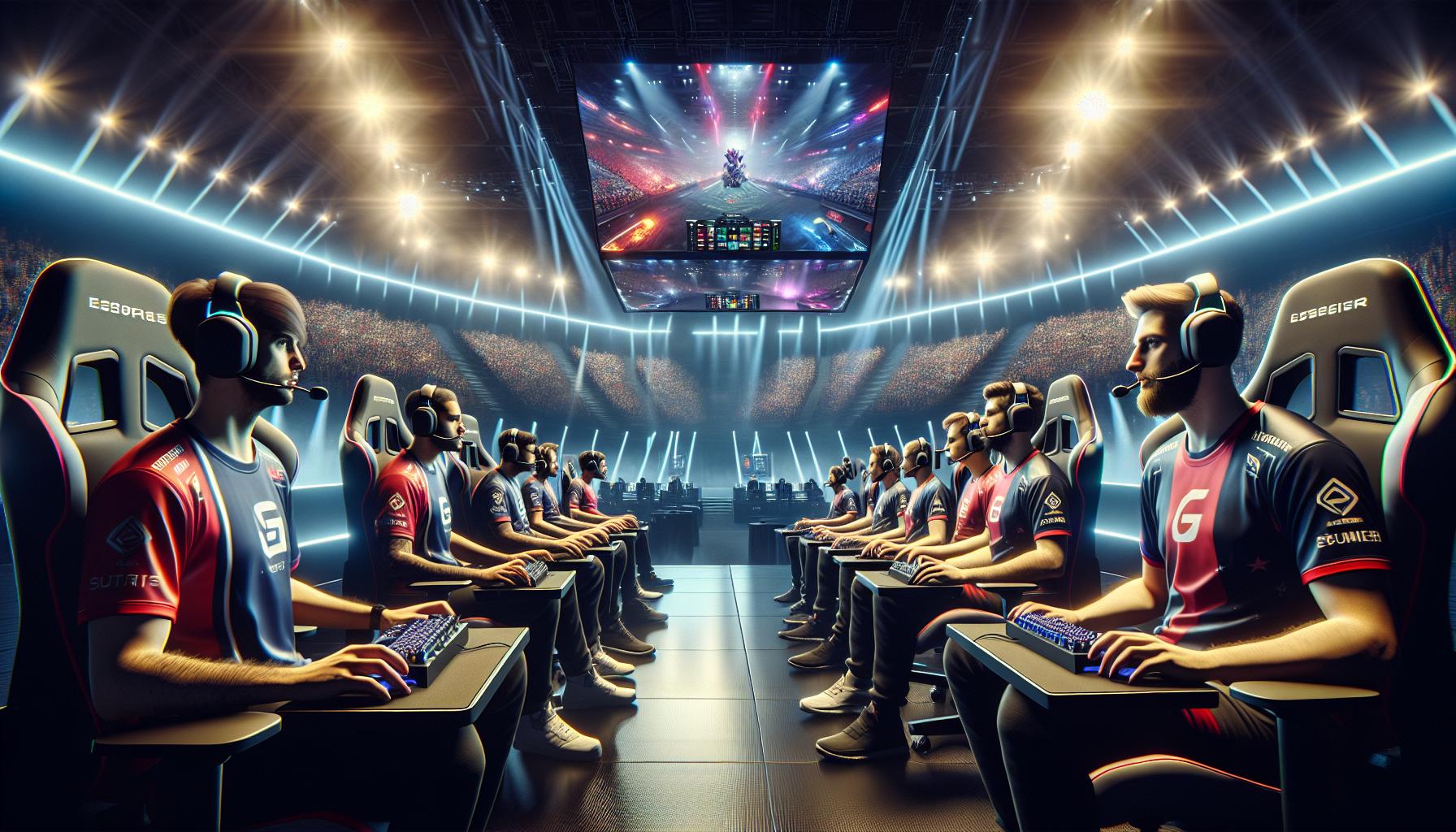
Take “Faker” Lee Sang-hyeok. The League of Legends GOAT has a net worth pushing $20 million at just 27 years old. Endorsements? He’s got Louis Vuitton ads and a shoe line. These aren’t flukes; Esports Earnings tracks over $300 million paid out in prizes since 1998. And teams? They’re valued like sports franchises—FaZe Clan sold a stake for $400 million. Gamers aren’t just playing; they’re investing in coaching staffs, analysts, and physiotherapists. It’s a full pro ecosystem.
Stadiums Packed: The Fan Frenzy
Esports isn’t hiding online anymore—it’s invading real-world venues. The League of Legends World Championship final at Gocheok Sky Dome in Seoul? 18,000 screaming fans. Overwatch League kicked off in the Chicago Bulls’ old arena. Now, picture 45,000 at the Esports World Cup in Riyadh, chanting for their favorites. These aren’t casual viewers; they’re die-hards with face paint, jerseys, and foam fingers shaped like controllers.
The community vibe is electric. Discord servers buzz with strategies, Reddit threads dissect every play, and TikTok clips go viral overnight. It’s interactive too—fans vote on MVPs, predict outcomes, and even influence patches. Traditional sports feel scripted by comparison; esports is raw, merit-based chaos where anyone can rise.
The Business Behind the Boom
Why the cash flood? Sponsors see gold. Mastercard, Coca-Cola, Mercedes—they’re slapping logos on jerseys and arenas because millennials and Gen Z (over 50% of viewers under 25) have the spending power. Streaming deals with Amazon and Tencent are worth billions. Even governments are in: Saudi Arabia’s $38 million Esports World Cup is part of a massive entertainment push.
Tech’s the secret sauce. 5G, cloud gaming via Google Stadia or Xbox Cloud, VR integrations—it’s making esports accessible everywhere. Mobile titles like PUBG Mobile and Free Fire dominate in Asia and South America, adding billions more to the pot. And diversity? Women like “Geguri” Kim Se-yeon breaking barriers in Overwatch, or stars from Brazil and the Philippines proving it’s global.
Why Gamers Are the Ultimate Superstars
So, what sets gamers apart? Skill ceiling off the charts. Traditional athletes peak in their 30s; esports pros retire in their mid-20s from burnout, but their feats are superhuman—split-second decisions, godlike aim, macro strategies that’d make a chess grandmaster sweat. They’re relatable too: most started as you or me, grinding solo queue at 3 a.m.
Celebrity status? Insane. Gamers host sold-out meet-and-greets, drop music albums (yes, Ninja has tracks), and collab with celebs like Drake. They’re influencers first—PewDiePie to Valkyrae—with esports elevating them to icons. Mental toughness shines: losses are public, streamed live, yet they bounce back stronger. It’s the ultimate underdog story, minus the steroids scandals.
Society’s shifting. Schools offer esports scholarships (Robert Morris University pioneered it), colleges recruit like football stars. Parents who once yelled “get a real job” now beam at their kid’s Red Bull contract. Esports teaches STEM skills—coding, analytics, teamwork—making it future-proof.
The Future: Even Bigger Arenas Await
We’re just scratching the surface. By 2025, esports could eclipse the music industry in revenue. Olympic inclusion talks are heating up (already in Asian Games), and metaverse integrations promise holographic crowds. Challenges like player burnout and cheating persist, but orgs are adapting with wellness programs and AI anti-cheat.
If you’re not watching yet, start now. Fire up Twitch, catch a CS:GO Major, or dive into Valorant Champions. Gamers aren’t the new sports superstars—they are the superstars. The $10 billion boom is proof: the future of entertainment is pixels, passion, and pure adrenaline. Who’s your pick to dominate next?