
Quantum Leap Unleashed: 7 Ways Computing Will Never Be the Same
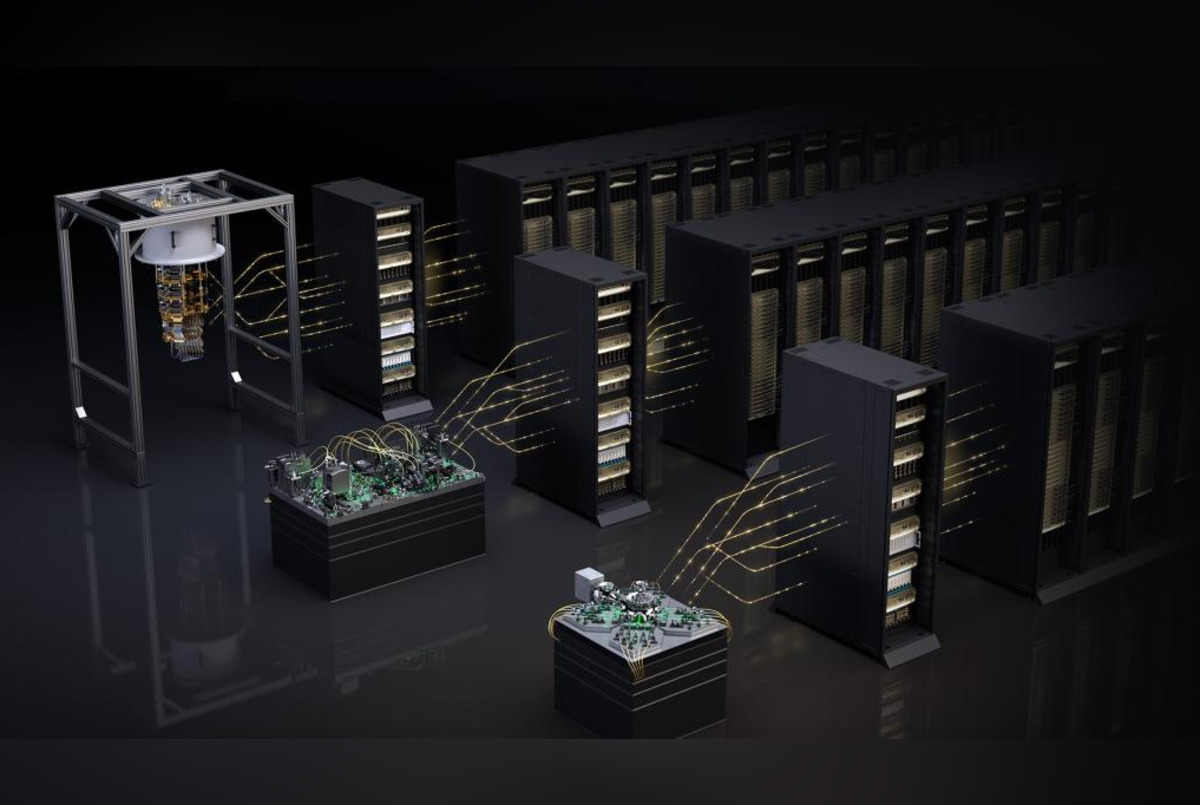
Hey there, tech enthusiasts! Imagine a world where your computer doesn’t just crunch numbers—it dances through impossible calculations like a cosmic wizard. That’s quantum computing, folks, and it’s not some distant sci-fi dream anymore. Companies like Google, IBM, and startups are cranking out qubits left and right, promising to flip the script on everything we know about processing power. Buckle up, because I’m diving into 7 game-changing ways quantum computing will make classical computers look like stone-age abacuses. Let’s quantum leap into the future!
1. Speed Demons: Problems Solved in a Blink
Picture this: a supercomputer chugging away for 10,000 years on a math puzzle. Now, a quantum rig? Seconds. That’s no exaggeration—Google’s Sycamore processor already claimed “quantum supremacy” by tackling a task in 200 seconds that’d take the best classical machine millennia. We’re talking Shor’s algorithm, which factors massive numbers exponentially faster. Why does this rock? Because it obliterates bottlenecks in fields like finance (risk modeling) and logistics (route optimization). Soon, your Amazon delivery might arrive faster because quantum computers reroute trucks in real-time across global chaos. Mind-blowing, right? Classical bits are binary (0 or 1), but qubits superposition everything at once—it’s like having infinite parallel universes computing for you.
2. Crypto Crackdown: Goodbye, Secure Secrets?
Hold onto your digital wallets! Quantum computers threaten to shatter today’s encryption with Grover’s algorithm, slashing search times from impossible to feasible. RSA and ECC? Toast. Banks, governments, governments—you name it—scramble for “post-quantum cryptography.” NIST is already standardizing quantum-resistant algos like lattice-based schemes. But here’s the silver lining: it’ll force a security upgrade, making our data fortress impenetrable. Imagine hackers sweating while we sip coffee, knowing our info is safe in a quantum-proof vault. This shift isn’t just tech—it’s a geopolitical earthquake, with nations racing to quantum-secure their grids.
3. Drug Discovery on Steroids
Sick of waiting decades for new meds? Quantum computing simulates molecules at the atomic level, something classical machines fake with approximations. Pharma giants like Merck and startups like ProteinQure are partnering with IBM to model protein folding—hello, custom cures for Alzheimer’s or cancer! Traditional simulations? Too slow and inaccurate. Quantum? It handles quantum chemistry naturally, predicting drug interactions with eerie precision. We’re talking slashing R&D from 10-15 years to months. Your grandma’s next pill could be quantum-designed, saving millions of lives and trillions in costs. It’s not hype; it’s happening now.
4. Optimization Overlords: Efficiency Everywhere
Ever stuck in traffic or frustrated by airline schedules? Quantum’s quantum approximate optimization algorithm (QAOA) will fix that. It solves NP-hard problems—like scheduling 10,000 flights or optimizing supply chains—exponentially better. Volkswagen’s testing it for traffic flow; UPS for routes. In finance, it’ll portfolio-optimize in seconds, dodging market crashes. The world runs on messy optimization; quantum makes it elegant. Factories humming at peak efficiency, cities with zero waste—utopia? Close enough. Classical computers brute-force these; quantum explores solution spaces like a genius savant.
5. AI Turbocharged: Smarter Than Ever
AI’s exploding, but training massive models like GPT eats energy like a black hole. Enter quantum machine learning: algorithms like quantum support vector machines or variational quantum eigensolvers learn patterns in high-dimensional data insanely fast. Xanadu and Rigetti are pioneering this, potentially shrinking AI training from weeks to hours. Imagine personalized Netflix recs that really get you, or self-driving cars predicting chaos flawlessly. Quantum-enhanced neural nets could crack general AI sooner. We’re not replacing classical AI—we’re strapping a rocket booster to it.
6. Materials Magic: Building the Impossible
Want room-temp superconductors or perfect batteries? Quantum computers simulate quantum systems perfectly, discovering materials we couldn’t dream of. ExxonMobil hunts better catalysts; startups like PsiQuantum eye fusion reactors. Classical sims hit walls at complex electron interactions; quantum laughs it off. This means EVs with 10x range, computers cooler and faster, even carbon-capture wizardry to fight climate change. The periodic table? About to get new neighbors engineered from scratch. It’s like giving chemists god-mode cheats.
7. Everyday Quantum: From Cloud to Your Pocket
Think quantum’s lab-only? Nah. Cloud access via AWS Braket or Azure Quantum means devs toy with it today. Hybrid quantum-classical setups will sneak into apps—think quantum-secured Zoom calls or smart fridges optimizing your grocery list against global shortages. Error-corrected qubits (Google’s aiming for 2029) will scale it up. Your phone? Eventually hybrid, offloading tough tasks to quantum clouds. Gaming? Real-time physics sims indistinguishable from reality. Work, play, live—quantum weaves in seamlessly, making “impossible” the new normal.
Whew! Quantum computing isn’t evolving tech—it’s reinventing it. We’re on the cusp, with investments hitting billions. Skeptical? Watch IBM’s 1,000+ qubit roadmap or China’s quantum satellite. The leap is unleashed; classical computing’s era ends not with a whimper, but a qubit buzz. What way excites you most? Drop a comment—let’s geek out!