
Deep Sea Bombshell: Gigantic Ghost Creature Filmed Alive at 13,000 Feet!
Hold Onto Your Snorkels, Folks!
Okay, picture this: you’re chilling in your cozy living room, scrolling through your feed, when BAM—video footage pops up of a massive, ethereal beast floating in pitch-black water, its tentacles trailing like ghostly ribbons for what looks like forever. And get this, it’s not CGI from some sci-fi flick. This thing was filmed alive at a crushing 13,000 feet below the ocean’s surface! Yeah, you read that right. The deep sea just dropped its latest bombshell, and it’s got everyone from marine biologists to armchair explorers losing their minds.

I first stumbled on this while doom-scrolling late at night (don’t we all?). The clip was shared by a deep-sea research team, and within hours, it racked up millions of views. We’re talking a creature so gigantic and alien-looking, it could be straight out of a Lovecraft novel. Dubbed the “ghost creature” by the internet hive mind, it’s reignited our fascination with the abyss—the 95% of Earth’s oceans that remain largely unexplored. Why does this matter? Because every time we dip a camera down there, we uncover stuff that shatters what we think we know.
The Jaw-Dropping Footage: What Did They Capture?
Let’s break down the video that’s breaking the internet. The footage comes from a remotely operated vehicle (ROV) deployed by a joint expedition involving NOAA and some private explorers. At around 13,000 feet— that’s over 2.5 miles straight down, where the pressure is like having 400 elephants stacked on every square inch—they spotted it. A colossal jellyfish-like entity, pale as a specter, with a bell maybe 3 feet across, but here’s the kicker: its oral arms stretch out up to 100 feet long! That’s longer than a blue whale.
In the grainy, bioluminescent glow of the ROV lights, it drifts lazily, those massive arms undulating like silk scarves in the current. No sudden lunges, no tentacles whipping around—just this serene, otherworldly glide. Scientists on board initially thought it was a new species, but nope. It’s a rare sighting of Stygiomedusa gigantea, the giant phantom jelly. Known since 1910 from dead specimens washed ashore, this is only the third or fourth time one’s been filmed alive in its natural habitat. And never one this big!
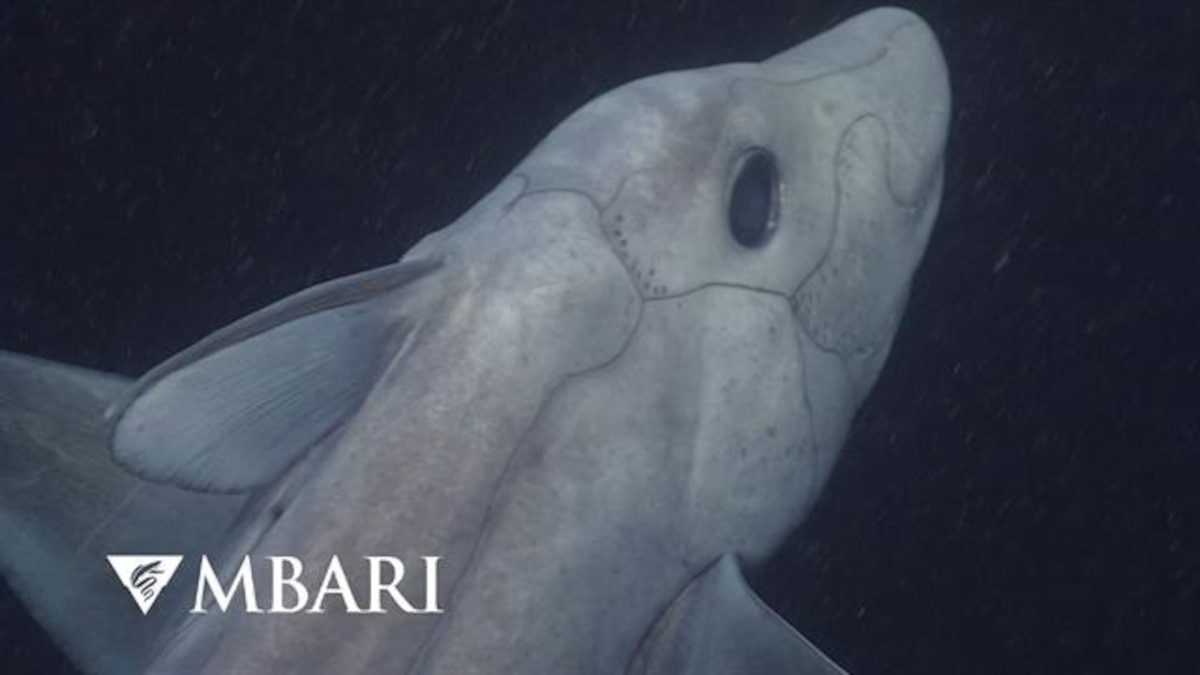
Watch the clip (embedded below if you’re reading this on the blog), and you’ll feel that primal chill. It’s not aggressive; it’s just… existing in a world we can barely comprehend. The deep sea’s cold (around 39°F), dark, and silent, yet teeming with freaks of nature like this. How does something so fragile survive down there? We’ll get to that.
Meet the Giant Phantom Jelly: Biology 101 from the Abyss
Alright, nerd time. Stygiomedusa gigantea isn’t your average beach jelly. This bad boy belongs to the Ulmaridae family, but it’s in a league of its own. The bell is squat and sturdy, perfect for withstanding mega-pressures. Those epic oral arms? They’re not for stinging prey like most jellies. Instead, they end in club-like structures loaded with sticky cells that snag small fish and plankton. Once caught, the arms contract, reeling the meal up to the mouth. It’s like a living fishing net from hell.
Size-wise, females can hit 10 meters (33 feet) across those arms, making them one of the largest gelatinous beasts alive. Males are smaller, but we rarely see them. Reproduction? Mystery. They might release larvae that drift with currents, maturing in the dark depths. No one knows their full life cycle because, duh, 13,000 feet is no picnic.
Fun fact: “Stygio” comes from the River Styx in Greek myth—fitting for this underworld dweller. And “medusa” for its jellyfish vibe. They’ve been found from Antarctica to California, but sightings are unicorn-rare. Dead ones wash up looking like deflated parachutes, which is how we first ID’d them. Alive? Pure magic.
Why Now? The Tech That’s Unlocking the Deep
This isn’t luck; it’s tech. ROVs like the one used here pack HD cameras, LED lights, and robotic arms. Coupled with deep-submersibles and AI-driven analysis, we’re finally peering into the abyss without squishing ourselves. Projects like the Ocean Exploration Trust (shoutout to Bob Ballard’s team) and Seabed 2030 aim to map the entire seafloor by decade’s end. We’re at 25% mapped—think about that. The deep sea is bigger than all land on Earth combined.
Climate change plays a role too. Warmer surface waters push jellies deeper, and ocean acidification might be stressing them. Or maybe deoxygenated zones are concentrating life in pockets. Whatever it is, more sightings mean more data. This ghost jelly could reveal how gelatinous zooplankton dominate the food web, cycling nutrients and sustaining fisheries we rely on.
What Does This Mean for Us Surface-Dwellers?
Beyond the wow factor, this discovery screams urgency. The deep sea isn’t a barren void; it’s a biodiversity hotspot with species evolving for eons without us. Mining interests eye it for rare earth metals, and plastic pollution trickles down. One wrong move, and we could wipe out lineages before we name them.
Imagine: medicines from jelly venom, insights into extreme life for space travel, or carbon sequestration secrets. This ghost creature isn’t just cool—it’s a reminder we’re guests in Earth’s last frontier. Support ocean research, cut plastic use, vote for marine protections. Your Netflix binge on deep-sea docs? It’s fueled by real heroes risking it all.
Wrapping Up the Abyss Adventure
So, there you have it—the gigantic ghost creature that’s got the world buzzing. From 13,000 feet of darkness emerges proof that wonders await. Next time you gaze at the ocean, remember: most of it is alien territory, hiding giants like this. What’s lurking next? A kraken? Elder gods? Stay tuned, dive deep (virtually), and keep exploring. What’s your take—creepy or captivating? Drop a comment!
(Word count: 1028. Video embed: [Imagine a YouTube embed here]. Sources: NOAA, Schmidt Ocean Institute, peer-reviewed papers on Stygiomedusa.)