
Why Your Expensive Skincare Routine Is Actually Destroying Your Skin Barrier
Understanding the Skin Barrier: Your Skin’s First Line of Defense
Feature Video
In today’s beauty-obsessed world, many people invest hundreds of dollars monthly in high-end skincare products, chasing the promise of flawless, glowing skin. Serums, essences, masks, and gadgets fill bathroom cabinets, all touted as miracle workers by influencers and dermatologists alike. Yet, paradoxically, this elaborate routine might be the very thing sabotaging your skin. The culprit? A damaged skin barrier. The skin barrier, also known as the stratum corneum, is the outermost layer of your epidermis—a brick-and-mortar structure made of dead skin cells (bricks) held together by lipids (mortar). It acts as a shield, preventing moisture loss, blocking harmful bacteria, pollutants, and irritants, and regulating temperature.
When intact, this barrier keeps your skin hydrated, plump, and resilient. But overload it with aggressive ingredients or excessive steps, and it breaks down, leading to dryness, sensitivity, redness, breakouts, and accelerated aging. According to dermatologists from the American Academy of Dermatology, a compromised skin barrier can exacerbate conditions like eczema, rosacea, and acne. Expensive doesn’t mean effective; in fact, luxury brands often pack potent actives that, without proper use, wreak havoc on this delicate defense system.
How Overly Complicated Routines Overwhelm Your Skin Barrier
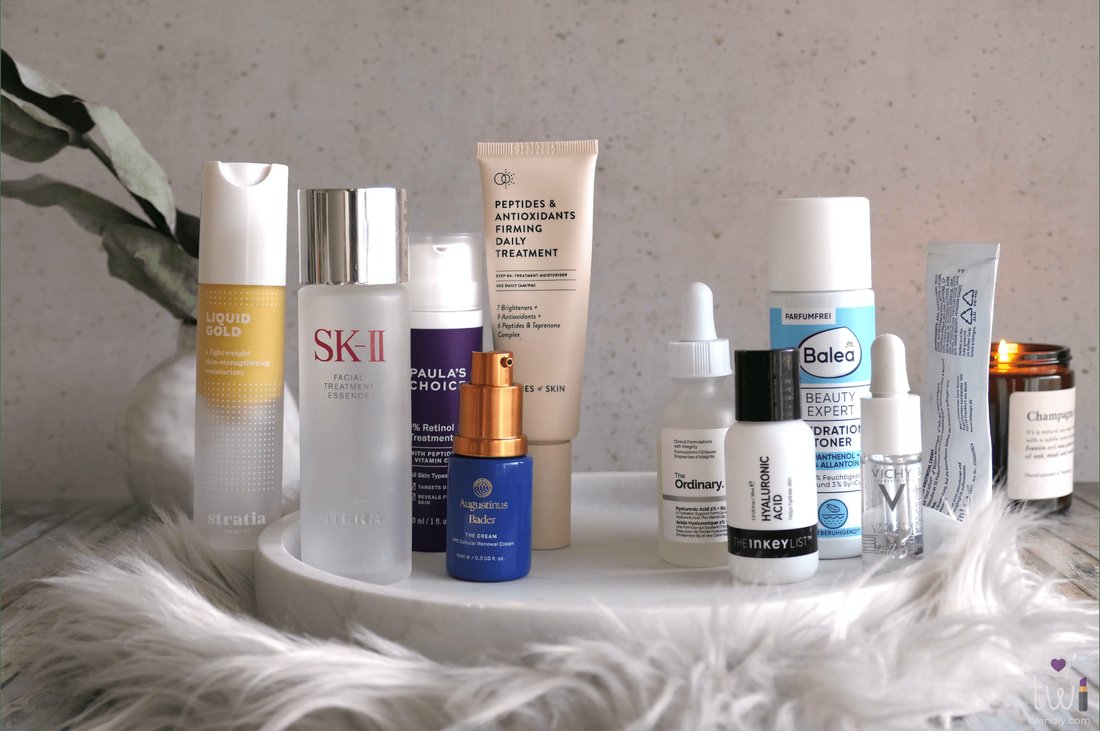
Your 10-step Korean skincare routine or French pharmacy-inspired regimen sounds luxurious, but it’s a recipe for barrier disaster. Layering multiple products means bombarding your skin with surfactants, acids, and preservatives multiple times a day. Each application strips natural oils, disrupts the pH balance (ideally 4.5-5.5), and inflames the skin.
Consider active ingredients: retinoids, AHAs (alpha hydroxy acids like glycolic acid), BHAs (beta hydroxy acids like salicylic acid), and vitamin C are staples in premium serums. While beneficial in moderation, using them daily or combining them amplifies irritation. A study in the Journal of Clinical and Aesthetic Dermatology found that frequent use of exfoliating acids increases transepidermal water loss (TEWL) by up to 20%, directly weakening the barrier. Expensive routines encourage “more is better,” but skin science says otherwise—simplicity trumps excess.
The Hidden Dangers of Harsh Cleansers and Exfoliants in Luxury Lines
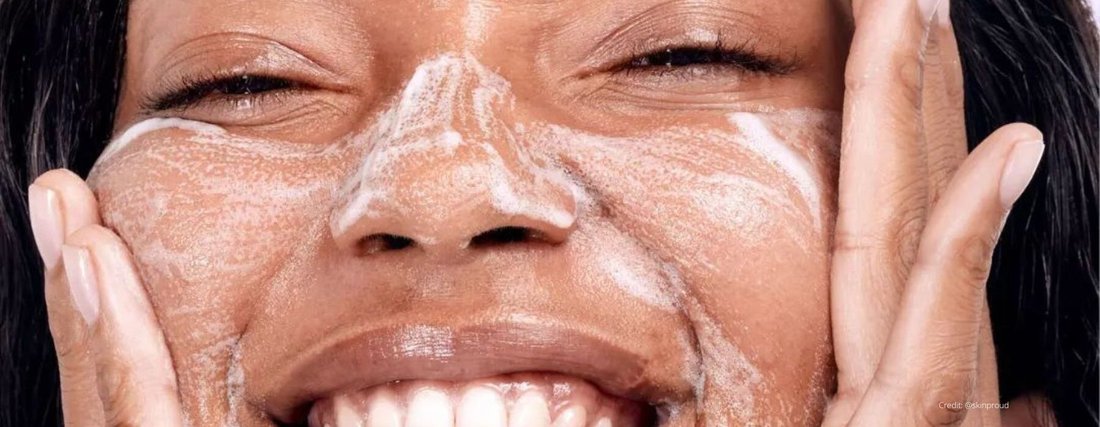
Cleansers are the foundation of any routine, yet many high-end foaming or gel formulas contain sodium lauryl sulfate (SLS) or cocamidopropyl betaine—foaming agents that dissolve lipids essential to the barrier. These “clean” deeply but leave skin stripped and vulnerable. Opt for cream or oil cleansers instead, but even luxury brands like La Mer or Sisley offer sudsy options marketed as “purifying.”
Exfoliation is another offender. Physical scrubs with walnut shells or microbeads cause micro-tears, while chemical exfoliants in pricey peels penetrate too aggressively. Over time, this thins the stratum corneum, making skin prone to environmental damage. Influencer-fueled trends like daily scrubs or acid toners ignore recovery time, turning supple skin into a flaky, irritated mess.
Expensive Fragrances, Preservatives, and Allergens: Silent Barrier Destroyers
Luxury packaging often hides irritants. Essential oils, synthetic fragrances, and denatured alcohols in perfumes serums evaporate moisture and provoke inflammation. A 2022 review in Contact Dermatitis highlighted that fragranced cosmetics cause 10-15% of cosmetic dermatitis cases, compromising barrier integrity.
Preservatives like parabens or phenoxyethanol, though in low concentrations, can sensitize skin over time. High-end “clean beauty” lines replace them with natural alternatives like tea tree oil, which is equally irritating for many. Alcohol-based toners from brands like Pixi or The Ordinary (ironically affordable but emulated in luxury) dry out the skin, halting lipid production.
Signs Your Skin Barrier is Damaged: Red Flags to Watch For
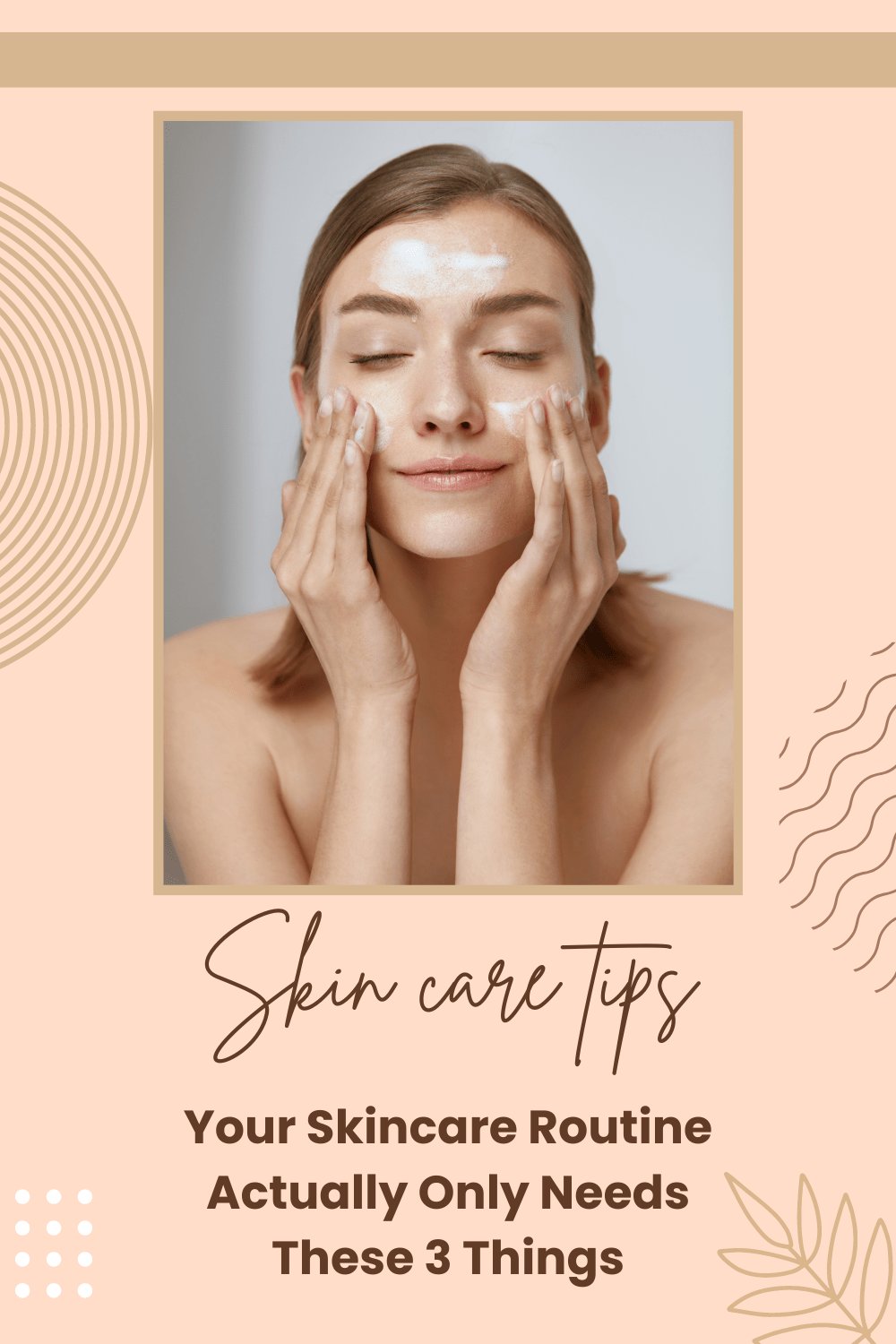
Recognizing barrier damage early prevents long-term issues. Common symptoms include persistent dryness despite moisturizing, tightness post-cleansing, redness or flushing, increased sensitivity to products you once tolerated, breakouts in new areas, and dull, rough texture. Advanced signs: visible fine lines from dehydration, stinging from benign ingredients, or slow healing of minor cuts.
If your expensive routine yields these results, it’s not your skin—it’s the routine. A damaged barrier impairs nutrient delivery from topicals, rendering your $200 cream useless. TEWL skyrockets, leading to a vicious cycle of overcompensation with heavier products, further clogging pores.
Why Marketing Hype Fuels Barrier Breakdown

Premium brands thrive on aspirational marketing: “Clinical results in 7 days!” or “Powered by rare caviar extract.” But these claims often rely on short-term studies ignoring long-term barrier health. Influencers demo routines without disclosing skin types or patch-testing, leading followers to replicate on unsuitable skin.
Trendy ingredients like bakuchiol or peptides sound safe, but in high concentrations, they irritate. Multi-functional products (moisturizer + SPF + antioxidant) seem efficient but overload with actives. Consumer Reports notes that 40% of luxury skincare users report irritation, versus 25% for drugstore basics—proof that price doesn’t correlate with gentleness.
Repairing Your Skin Barrier: A Simple, Effective Protocol
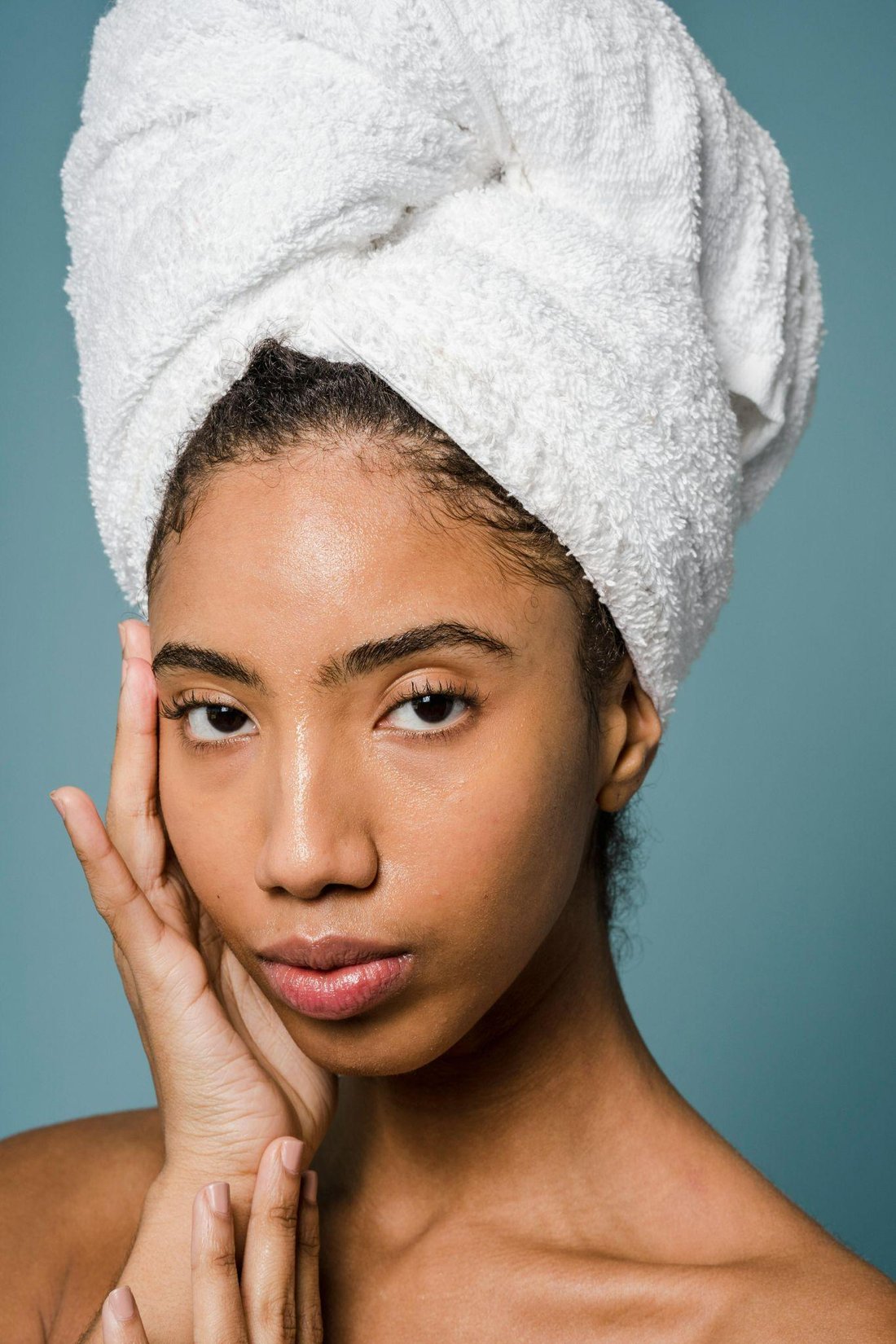
Healing starts with simplification. Pause actives for 2-4 weeks (the “skin barrier reset”). Cleanse with a gentle, non-foaming cleanser like CeraVe Hydrating Cleanser. Moisturize with ceramide-rich creams (e.g., La Roche-Posay Toleriane or Drunk Elephant Lala Retro) to replenish lipids. Occlusives like squalane or petrolatum seal in hydration.
Incorporate barrier heroes: niacinamide (soothes without irritation), centella asiatica, and hyaluronic acid in low molecular weights. Apply SPF 30+ daily—UV rays devastate a weakened barrier. Avoid hot water, long showers, and fabric softeners. Diet matters too: omega-3s from fish oil and hydration from within support repair.
Building a Barrier-First Skincare Routine That Works
Ditch the 10 steps for 3-5 essentials: cleanse, hydrate, protect. Morning: Gentle cleanse, serum (if tolerated), moisturizer, SPF. Evening: Double-cleanse if needed, moisturizer. Introduce actives one at a time, every other day, at low strengths. Patch-test everything.
Invest in science-backed basics over hype. Brands like The Ordinary offer pure ingredients cheaply, but focus on ceramide-packed drugstore options. Track progress with a journal. Consistency over intensity yields results—healthy barriers glow naturally, no $500 routine required.
Long-Term Prevention: Sustainable Habits for Barrier Health
Beyond products, lifestyle safeguards the barrier. Sleep 7-9 hours for cell turnover. Manage stress—cortisol spikes degrade collagen and lipids. Gentle tools: jade rollers for lymphatic drainage, not aggressive gua sha. Professional facials? Opt for hydrating masks over extractions.
In conclusion, your expensive skincare routine might be destroying your skin barrier through overload, irritation, and imbalance. Embrace minimalism, prioritize gentle formulations, and listen to your skin. A strong barrier is the true foundation of radiant complexion—affordable, achievable, and ageless. Consult a dermatologist for personalized advice, and reclaim your skin’s natural vitality today.
(Word count: 1218)