
How to Identify Fake Samsung Chargers and Cables: Essential Tips for Safety
In today’s fast-paced digital world, Samsung smartphones and devices have become indispensable. However, with their popularity comes a flood of counterfeit accessories, particularly fake Samsung chargers and cables. These knockoffs pose serious risks, including overheating, battery damage, fire hazards, and even explosions. According to consumer safety reports, faulty chargers contribute to thousands of incidents annually. Identifying fake Samsung chargers and cables is crucial for protecting your device and ensuring your safety. This comprehensive guide will walk you through proven methods to spot counterfeits, empowering you to make informed purchases. Whether you’re shopping online or in stores, these tips will help you avoid scams and invest in genuine products.
Understanding the Risks of Fake Samsung Chargers and Cables
Feature Video
Counterfeit Samsung chargers often use substandard components that fail to meet safety standards. Genuine Samsung accessories undergo rigorous testing for voltage regulation, heat dissipation, and durability. Fakes, however, can deliver inconsistent power, leading to overcharging or undercharging, which degrades your battery’s lifespan. In extreme cases, they spark fires— the U.S. Consumer Product Safety Commission has recalled numerous counterfeit chargers for such dangers. Moreover, using fake cables can cause data transfer issues or complete device failure. By learning how to identify fake Samsung chargers, you not only safeguard your gadget but also prevent potential legal liabilities if an incident occurs. Always prioritize authenticity over savings; the long-term cost of fakes far outweighs their low price.
Inspect the Packaging for Authenticity

The first line of defense in spotting fake Samsung chargers and cables is the packaging. Authentic Samsung products come in high-quality, branded boxes with crisp printing, vibrant colors, and no spelling errors. Look for the official Samsung logo, which should be sharp and proportionate. Genuine boxes feature a holographic sticker or seal that’s tamper-evident and difficult to replicate. Check for a clear model number, such as EP-TA800 for fast chargers, matching Samsung’s official listings on their website.
Fake packaging often feels flimsy, with blurry text, faded colors, or grammatical mistakes like “Sam Sung” instead of “Samsung.” Colors might be off—real boxes use specific Pantone shades. Inside, authentic packaging includes user manuals in multiple languages with professional layouts, warranty info, and recycling symbols. Counterfeits skimp on this, offering thin paper or no manual. Always compare with images from Samsung’s site; a quick Google reverse image search can reveal mismatches. Packaging is your initial checkpoint—don’t unbox until you’re confident.
Evaluate Build Quality and Materials
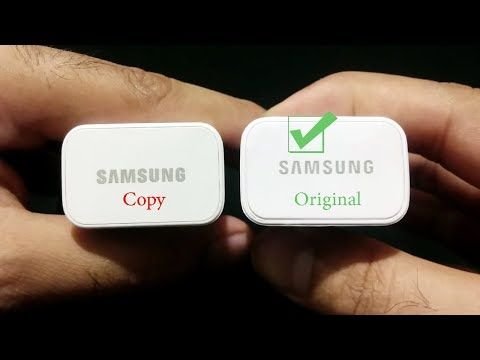
Premium build quality sets genuine Samsung chargers apart. Authentic ones have a solid, weighty feel due to robust plastic casings molded precisely without gaps or rough edges. The charger head should have smooth, matte finishes in white or black, with no cheap glossy sheen. Cables feature braided nylon exteriors that are flexible yet tangle-resistant, with reinforced strain relief at connector ends to prevent fraying.
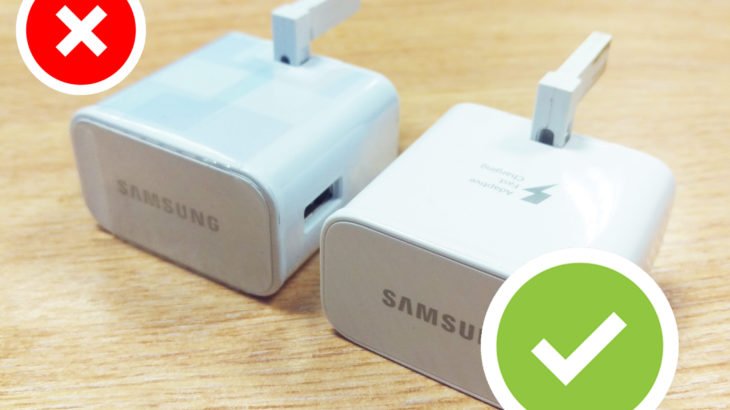
Fake Samsung cables often use thin, stiff wires that kink easily, with loose connectors that wobble when plugged in. Inspect the USB port: real ones have gold-plated pins for corrosion resistance and snug fit. Counterfeits show dull pins, poor alignment, or plastic burrs. Weigh the charger—genuine 25W models tip around 50-60 grams; fakes are lighter due to inferior internals. Flex the cable gently; authentic ones bend without creasing. Heat the charger post-use; originals stay cool, while fakes get excessively warm, signaling poor heat sinks. These tactile checks are foolproof for identifying fake Samsung chargers and cables.
Check for Official Certifications and Markings
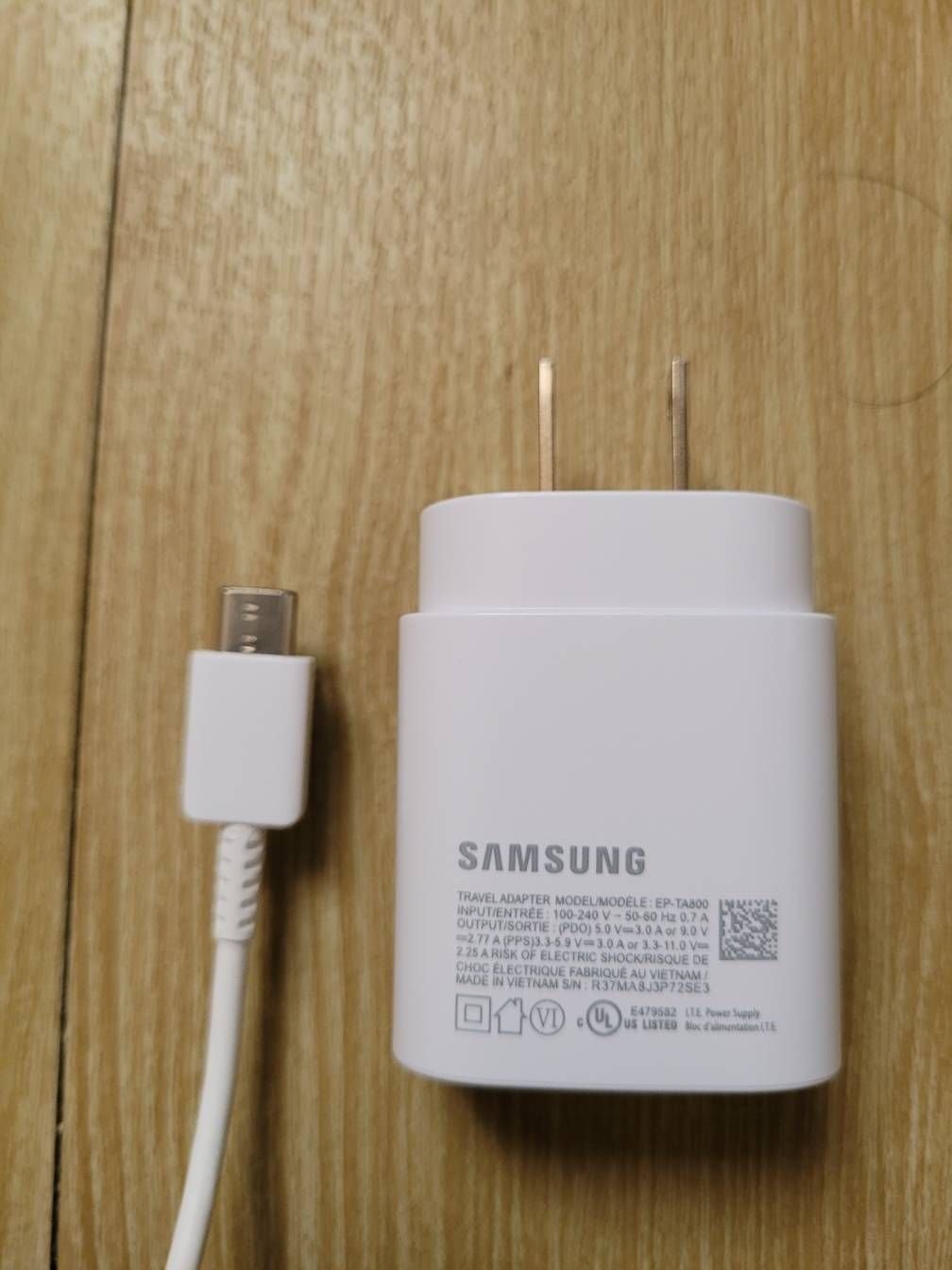
Samsung mandates certifications like UL (Underwriters Laboratories), CE (Conformité Européenne), and KC (Korea Certification) on genuine products. These marks are laser-etched or embossed, not stickered haphazardly. Flip the charger: authentic ones display a serial number, manufacturing date (in MM/YYYY format), and input/output specs (e.g., 5V/3A) in fine, legible print. Cables have “Samsung” molded into the connector housing subtly.
Fakes either lack these or feature forged marks with irregular fonts or peeling labels. Verify UL numbers online via the official UL database—counterfeits won’t match. Look for the MFi (Made for iPhone) equivalent for Samsung’s ecosystem, though Samsung uses its own Adaptive Fast Charging badge. No markings? It’s a red flag. These regulatory stamps ensure compliance with global safety norms, a non-negotiable for real products.
Examine Connectors and Cable Specifications
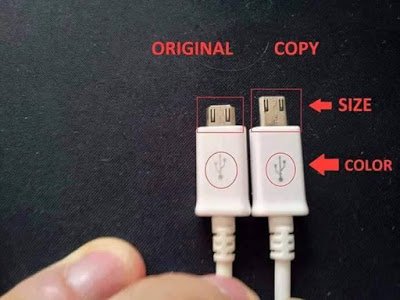
Connectors reveal much about authenticity. Genuine Samsung USB-C cables have symmetrical, reversible plugs with precise molding—no play or rattling. The cable length is exact (typically 1m or 1.8m), marked clearly. Fast-charging cables support Super Fast Charging 2.0, indicated by a red mark or icon.
Fakes have asymmetric plugs, visible seams, or mismatched colors. Plug into your Samsung device; originals show “Charging rapidly” or full-speed data sync. Counterfeits charge slowly or intermittently. Use apps like Ampere to measure output—real chargers hit rated amps steadily. Inspect under light for pinholes or filler mismatches, common in knockoffs. These details are key to how to identify fake Samsung cables effectively.
Price, Seller, and Purchase Channels Matter
If it’s too good to be true, it probably is. Official Samsung 45W chargers retail for $30-50; fakes sell for under $10. Suspiciously low prices on eBay, AliExpress, or unverified Amazon sellers scream counterfeit. Stick to Samsung’s website, authorized retailers like Best Buy, or carrier stores. Check seller ratings—avoid those with mixed reviews mentioning “not original.”
Even on legit platforms, scrutinize listings for stock photos versus real pics. Buy bundles from Samsung for verified pairings. Price and provenance are ultimate authenticity barometers.
Leverage Samsung’s Verification Tools
Samsung offers apps like Members or Smart Switch to diagnose accessories. Plug in and check notifications for “Unknown accessory” warnings. Visit Samsung’s support site to input serial numbers for validation. Third-party tools like ChargerLAB testers confirm specs. These digital aids complement physical inspections seamlessly.
Common Red Flags of Counterfeit Products
Watch for overly shiny finishes, chemical smells, inconsistent fonts, or missing holograms. Fakes often fail drop tests or overheat in minutes. User forums like Reddit’s r/Samsung report these consistently. Stay vigilant against these tells.
Conclusion: Stay Safe with Genuine Accessories
Mastering how to identify fake Samsung chargers and cables ensures device longevity and personal safety. From packaging to certifications, each step builds your expertise. Invest in originals—your wallet, battery, and home will thank you. Share these tips, report fakes to authorities, and shop smart. In a market rife with counterfeits, knowledge is your best charger.
(Word count: 1215)