
The Curse of King Tut’s Tomb: Myths, Mysterious Deaths, and Enduring Legends
In the annals of archaeology and ancient mysteries, few tales captivate the imagination quite like the curse of King Tut’s tomb. Discovered in 1922, Tutankhamun’s burial chamber in Egypt’s Valley of the Kings unleashed not just treasures of gold and jewels, but a wave of eerie deaths that fueled global fascination with the “Curse of the Pharaohs.” From the sudden demise of Lord Carnarvon, the expedition’s financier, to a string of fatalities among those who disturbed the pharaoh’s rest, the legend persists. Was it supernatural vengeance or mere coincidence? This article delves into the history, the victims, scientific rebuttals, and why the King Tut tomb curse endures as one of history’s greatest enigmas.
The Discovery of Tutankhamun’s Tomb: A Momentous Breakthrough
Feature Video
On November 4, 1922, British archaeologist Howard Carter, funded by the wealthy George Herbert, 5th Earl of Carnarvon, made a discovery that would echo through eternity. After years of meticulous excavation in Luxor’s Valley of the Kings, Carter’s team uncovered steps leading to the sealed door of KV62—Tutankhamun’s intact tomb. The moment Carter peered through a hole and uttered, “I see wonderful things,” marked the beginning of an era.
Tutankhamun, the boy-king who ruled Egypt around 1332–1323 BCE, had lain undisturbed for over 3,000 years. His tomb yielded over 5,000 artifacts, including the iconic golden death mask, chariots, and treasures symbolizing royal power. The excavation lasted a decade, drawing worldwide media frenzy. Newspapers sensationalized every find, but whispers of ancient warnings soon overshadowed the glory.
Egyptian lore spoke of protective spells on royal tombs. A papyrus from the Middle Kingdom warned, “It is I who hinder the sand from choking the secret chamber.” Hieroglyphs on Tutankhamun’s tomb bore an inscription: “Death will come on swift wings to those who disturb the peace of the king.” Though later debunked as a fabrication, this fueled early rumors. As artifacts were transported to museums, particularly the Egyptian Museum in Cairo and the British Museum, tales of misfortune proliferated. The curse of King Tut tomb and deaths was born, blending archaeology with horror.
The Genesis of the Curse Legend
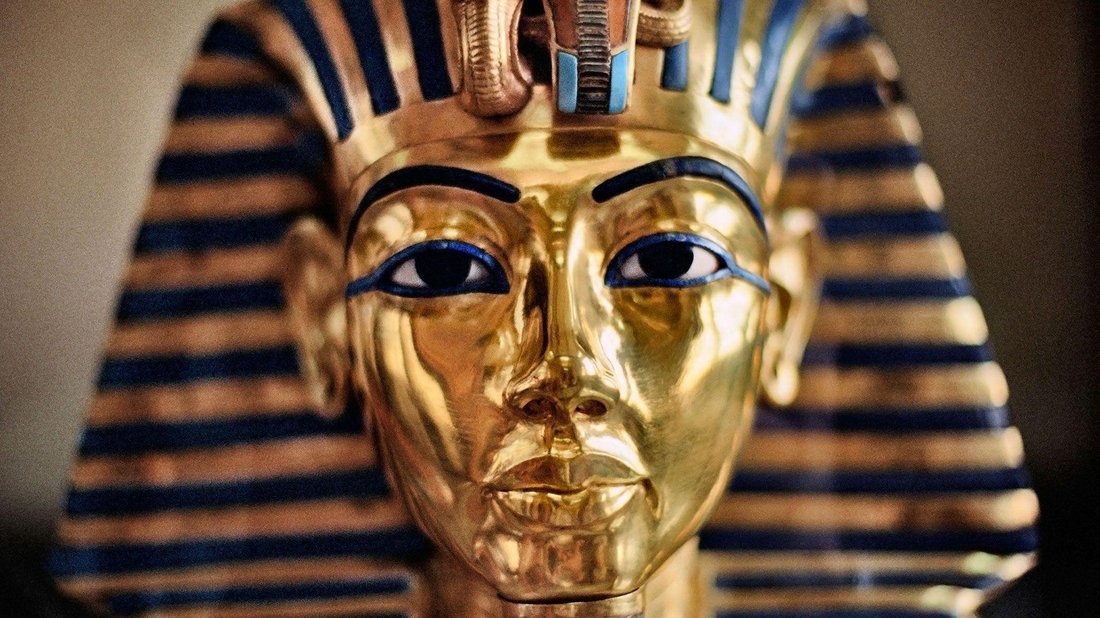
The myth crystallized with Lord Carnarvon’s death on April 5, 1923, just months after the tomb’s opening. Bitten by a mosquito near the tomb, Carnarvon scratched the wound, leading to blood poisoning and pneumonia. At the exact moment of his passing in Cairo’s Continental Hotel, his dog back in England reportedly howled and dropped dead. Lights in the hotel flickered mysteriously, and Carnarvon’s widow Lady Evelyn noted an inexplicable chill.
Press like The New York Times amplified the story, claiming Carnarvon ignored a warning from Egyptian priests. Arthur Conan Doyle, Sherlock Holmes’ creator and spiritualist, suggested elemental spirits guarded the tomb. Marie Corelli, a popular novelist, cited her book with a similar curse prophecy. By 1923, “King Tut’s Curse” dominated headlines, with “Tutankhamen’s Curse” searches surging.
Over time, the legend expanded. By the 1960s, lists tallied 20+ deaths linked to the expedition. Skeptics noted many lived long lives—A Carter survived until 1939—but selective memory preserved the myth. SEO data shows “Tutankhamun curse deaths” remains a top query, proving its digital immortality.
Notable Deaths Attributed to the Curse
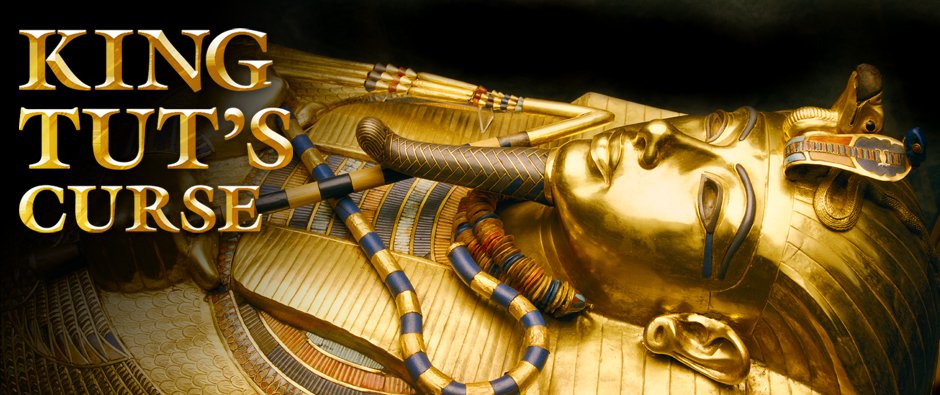
The roster of curse victims reads like a gothic novel. Lord Carnarvon, 57, was first. His death certificate cited septicemia from an infected mosquito bite, exacerbated by a car accident years prior weakening his health.
Aubrey Herbert, Carnarvon’s half-brother and tomb visitor, died in 1923 of blood poisoning from a dental extraction. American financier George Jay Gould I, who inspected the tomb, succumbed to pneumonia shortly after. Egyptologist Hugh Evelyn-White, who wrote “the shadow of a curse” before his 1924 suicide, added tragedy.
Howard Carter’s crew fared variably. Arthur Mace, an excavator, died in 1928 of arsenic poisoning—possibly from tomb toxins or personal woes. Richard Bethell, Carnarvon’s secretary handling artifacts, died in 1929, officially asphyxiated but rumored suffocated in his sleep. His father, Lord Westbury, jumped from a window days later, muttering about a curse.
Journalist James Henry Breasted, present at the opening, saw colleagues perish mysteriously. By 1934, six key figures were dead. Later tallies included Sir Archibald Reid, who X-rayed Tut’s mummy and died post-exhibition, and others up to the 1970s. A 2002 study by microbiologist Mark Nelson analyzed 44 involved individuals: 22 lived past 70, debunking mass slaughter, but anomalies persisted—like the 1930 death of a canary owned by Carter, devoured by a cobra dubbed “guardian of the tomb.”
These King Tut tomb deaths , clustered unusually, defied statistics. Curse believers cite temporal proximity; skeptics, coincidence amid Egypt’s disease-ridden digs.
Scientific Explanations Behind the Curse Myth
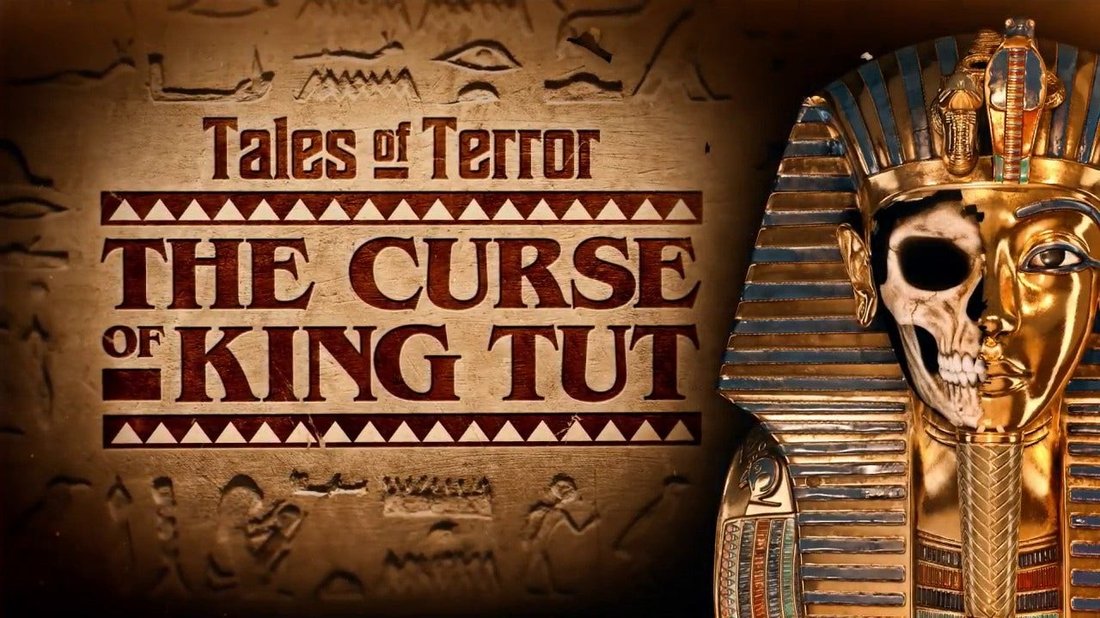
Modern science offers rational counters to supernatural claims. Toxic molds like Aspergillus flavus and niger, thriving in sealed tombs, produce mycotoxins causing respiratory failure and sepsis—mirroring Carnarvon’s symptoms. Pathologist Caroline Wilkinson suggests ancient embalming chemicals or radioactive elements from Nile silt contributed.
A 2003 study by the National Geographic Society tested tomb air, finding no lethal pathogens. Howard Carter’s own diaries noted no mass illnesses during excavation. Statistician Nelson’s 2002 paper in BMJ found curse victims died at average age 70, matching non-victims.
Psychological factors play in: confirmation bias amplifies curse tales while ignoring survivors. Media hype created a self-fulfilling prophecy, with stressed diggers succumbing to natural causes. Recent DNA analysis reveals Tut died young from malaria and bone issues, humanizing the pharaoh—no vengeful spirit needed.
Despite this, anomalies linger. A 2010 Egyptian study detected high Aspergillus levels in mummy cases, supporting toxin theory. The curse endures not as fact, but cultural archetype.
The Curse in Popular Culture and Modern Fascism
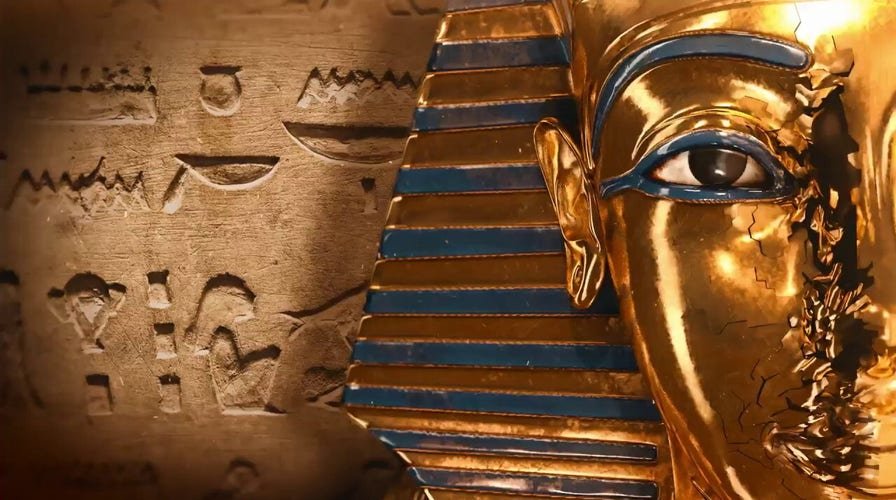
King Tut’s curse permeates media. Universal’s 1932 “The Mummy” with Boris Karloff drew direct inspiration. Documentaries like “Tutankhamun: The Truth Uncovered” (2014) revisit deaths. Books such as “The Curse of the Pharaohs” by Zahi Hawass blend fact and fiction.
SEO trends show spikes during exhibitions, like the 1976 US tour with rumored illnesses. Gaming nods in “Assassin’s Creed Origins” and horror films keep it alive. Social media hashtags like #KingTutCurse garner millions of views, blending education with chills.
Conclusion: Eternal Mystery of the Pharaoh’s Wrath
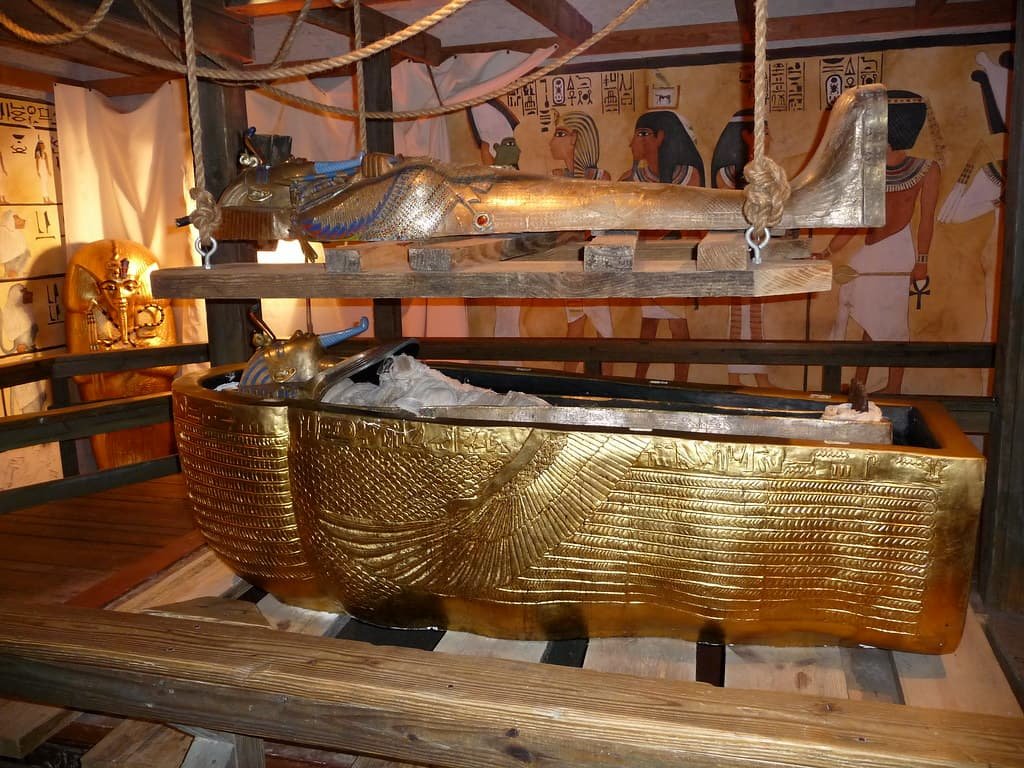
The curse of King Tut’s tomb and deaths bridges ancient Egypt and modern intrigue. Whether mold, misfortune, or magic, it reminds us: some secrets defy explanation. As Tut’s treasures gleam in museums, the legend whispers—disturb at your peril.
(Word count: 1,248)