
10 Zero-Waste Hacks That Saved Me $5K Last Year (And Could Save the Planet Too!)
Hey there, eco-warriors and budget bosses! A year ago, I was drowning in plastic waste, impulse buys, and a grocery bill that made my eyes water. Then I dove headfirst into zero-waste living—not because I’m some saintly tree-hugger (though I do love trees), but because my wallet was screaming for mercy. Fast-forward 12 months: I’ve slashed my spending by $5,000, my trash bin is basically on vacation, and I feel like a boss. These 10 hacks aren’t preachy or complicated; they’re real-life game-changers that anyone can try. They saved me cash, cut my environmental footprint, and made my home feel like a cozy, guilt-free haven. Ready to join the revolution? Let’s dive in!
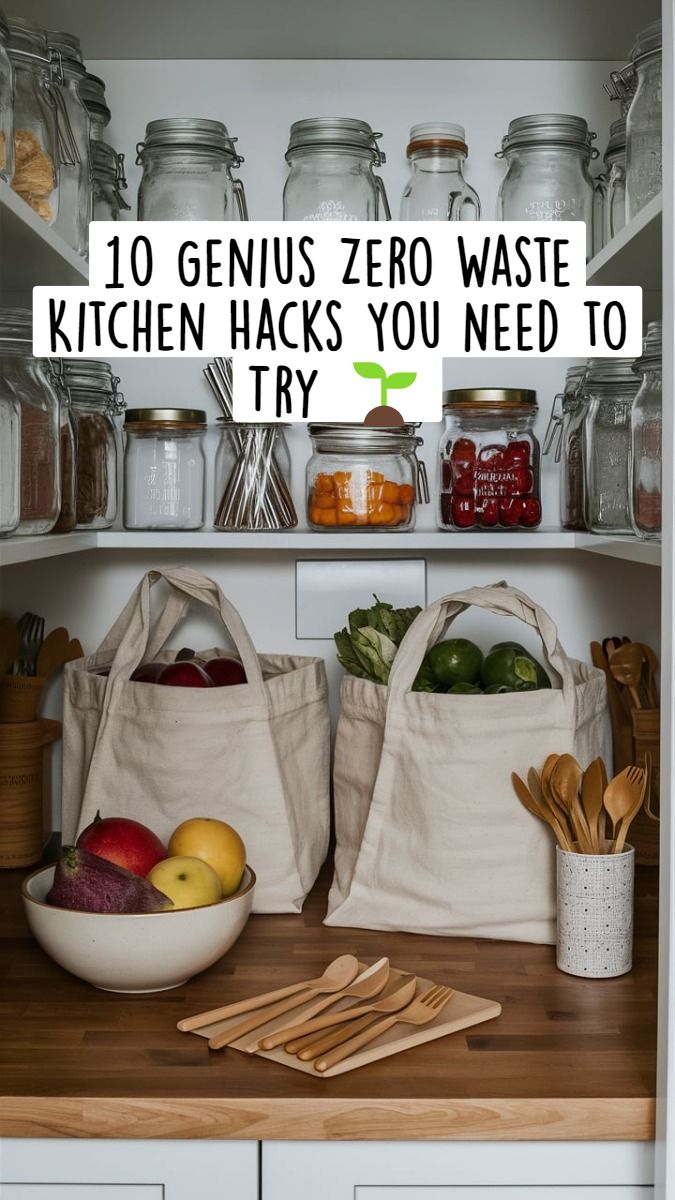
Hack #1: Ditch Store-Bought Cleaners for DIY Magic ($800 Saved)
Remember those fancy $10 bottles of “green” cleaner? Yeah, me neither. Now, I whip up my own with vinegar, baking soda, and essential oils in reusable glass jars. A gallon of white vinegar costs $3 and lasts months. Mix it with water, a squirt of dish soap, and lemon for that fresh scent—boom, all-purpose spray for pennies. Last year, I ditched $800 worth of cleaners. My counters sparkle, no toxic fumes, and zero plastic jugs in landfills. Pro tip: Label your jars with chalkboard paint for that Instagram-worthy vibe. Planet win: Billions of plastic bottles saved if we all jump on this!
Hack #2: Bulk Bins Are Your New BFF ($700 Saved)
Grocery stores with bulk sections? Goldmines. I invested $20 in reusable muslin bags and glass jars, then load up on oats, nuts, spices, and rice. No packaging waste, and I buy exactly what I need—no stale half-bags lurking in the pantry. This swapped my $50 weekly packaged staples for $10 bulk hauls. That’s $700 back in my pocket, plus food tastes fresher. Earth bonus: Bulk reduces food packaging by up to 90%—that’s a massive dent in ocean plastic. Swing by your local co-op; it’s addictive!
Hack #3: Compost Like a Pro ($450 Saved)
Kitchen scraps were my nemesis—$450 tossed in landfill-bound trash yearly. Enter my $30 backyard composter (or worm bin for apartment dwellers). Coffee grounds, peels, eggshells? All in. I get free fertilizer for my balcony garden, cutting fertilizer costs and boosting veggie yields. No smell if you balance greens and browns (shredded paper works). My compost tea feeds plants like rocket fuel. Savings aside, composting diverts 30% of household waste from landfills, slashing methane emissions. You’re basically a soil superhero now.
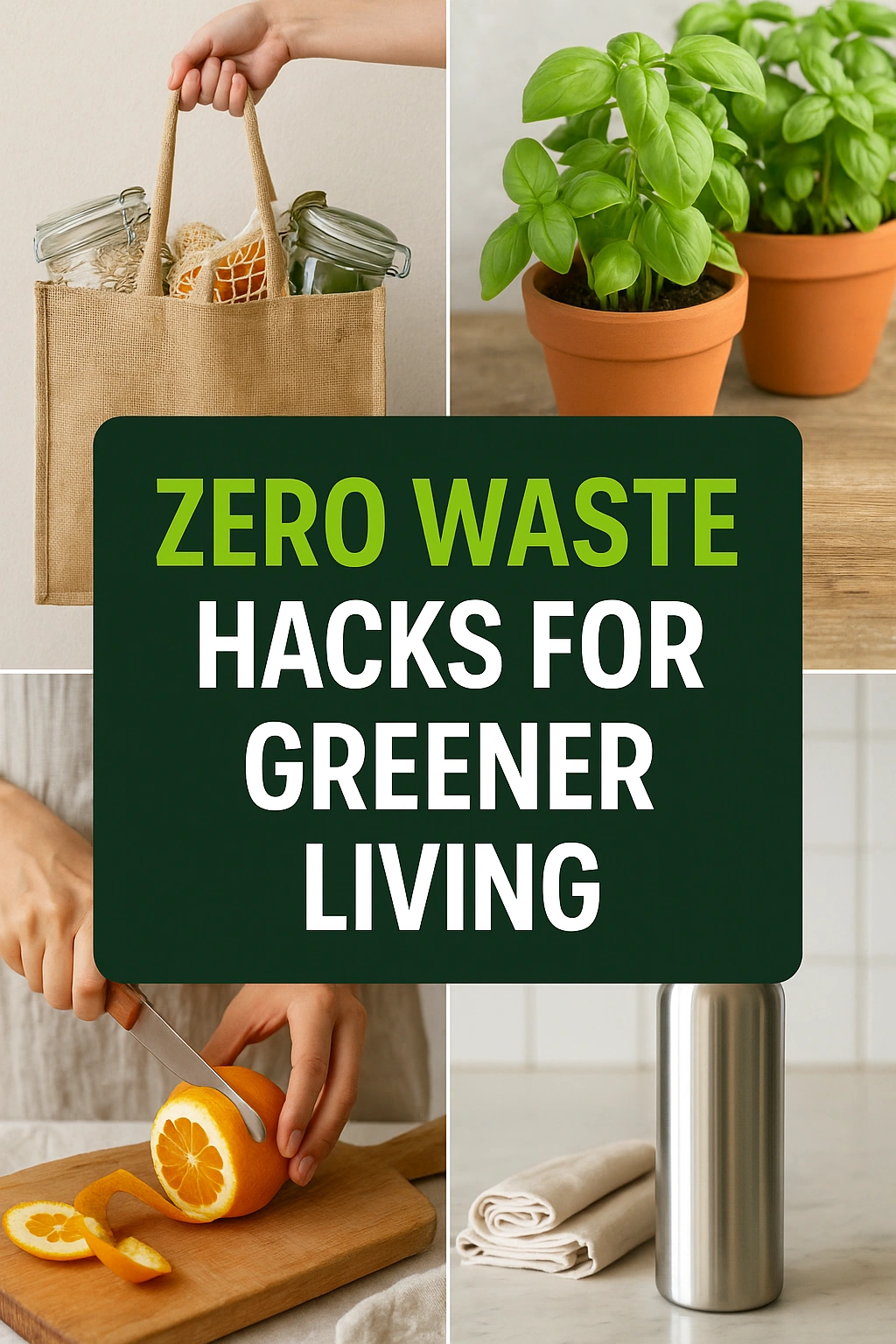
Hack #4: Grow Your Own Microgreens and Herbs ($600 Saved)
Who needs $5 herb packs weekly? I sprouted a windowsill farm with $50 in seeds and jars. Basil, cilantro, microgreens—ready in weeks for pennies. One tray yields salads for days, saving $50/month on greens. Total: $600. It’s therapeutic, watching sprouts pop up, and hyper-fresh flavors beat store-bought every time. Climate perk: Local growing cuts transport emissions by 90%. Start small—no green thumb required. Your salads will never be boring again!
Hack #5: Reusable Beeswax Wraps Beat Plastic Wrap ($350 Saved)
Plastic wrap was a clingy ex I finally dumped. $30 for a set of beeswax wraps (or DIY with fabric and wax) covers bowls, wraps cheese, and lasts years. Wash with cool water, done. Saved $350 on wraps and baggies. They mold to shapes like magic—no leaks! Bonus: Beeswax is natural, compostable at end-of-life. Plastic wrap contributes to 40% of ocean pollution; this hack stops that cold. Picnic pros love ’em too.
Hack #6: Library + Secondhand Books Over New ($400 Saved)
Bookworm here—used to drop $400/year on novels. Now? Free library card + apps like Libby for ebooks/audiobooks, plus thrift stores for $1 gems. Apps borrow unlimited digital reads—no late fees if you’re good. Thrift hauls feel like treasure hunts. Intellectual joy without the bill, and trees stay standing (paper books guzzle resources). Circulating books 20x extends their life—pure zero-waste genius.
Hack #7: Meal Plan with Pantry Staples ($650 Saved)
Impulse grocery runs? History. Sunday ritual: Inventory pantry/fridge, plan 7 dinners around it. Apps like SuperCook suggest recipes from what you’ve got. Cut waste by 50%, saved $650 eating out less too. Batch-cook staples like beans or sauces in bulk jars. Tastes homemade, waistline thanks you. Food waste is 8-10% of emissions globally—this shrinks your share to zilch while padding your savings.
Hack #8: Refill Stations for Shampoo & Soap ($350 Saved)
Shampoo bars and refill shops changed everything. $10 bar lasts 3 months vs. $8 bottled stuff. Local zero-waste stores let you refill from bulk dispensers into your jars—$2/fill-up. Saved $350, hair’s happier sans sulfates. No bottles = no recycling guilt. Personal care packaging is sneaky waste; refills cut it by 80%. Smells divine, feels luxurious.
Hack #9: Cloth Napkins and Swedish Dishcloths ($200 Saved)
Paper towels? Overrated. $15 for 12 cloth napkins (flour sack towels from bulk) and $10 reusable Swedish cloths (last 6 months, washable). Saved $200 on disposables. Cloths scrub like pros, napkins elevate meals. Machine-wash with towels—easy. Trees rejoice (1M tons paper towels landfilled yearly in US). Your table looks fancy, wallet fuller.
Hack #10: Secondhand Everything via Apps ($500 Saved)
Facebook Marketplace, Depop, thrift apps: My shopping mall now. Furniture, clothes, gadgets—90% cheaper, often better quality. Scored a $200 couch for $40, clothes for pennies. Saved $500 vs. retail. Inspect, haggle, win. Fast fashion’s 10% of global emissions? Thrifting slashes that. It’s fun, sustainable style hunting!
Adding it up: $5,000 saved, trash halved, carbon footprint lighter. Zero-waste isn’t deprivation—it’s empowerment. Start with one hack; momentum builds. Your wallet, the planet, and future you will high-five. What’s your first try? Drop a comment—I’d love to hear!