
The One Psychological Habit That Turns Ordinary People into Unstoppable Achievers
Ever Wonder Why Some People Just Crush It?
Picture this: You’re scrolling through LinkedIn or Instagram, and there they are—those “ordinary” folks who’ve suddenly launched startups, run marathons, or climbed the corporate ladder like it’s a jungle gym. What’s their secret sauce? It’s not luck, genius IQ, or endless money. Nope. It’s one dead-simple psychological habit that flips the switch from “meh” to unstoppable.
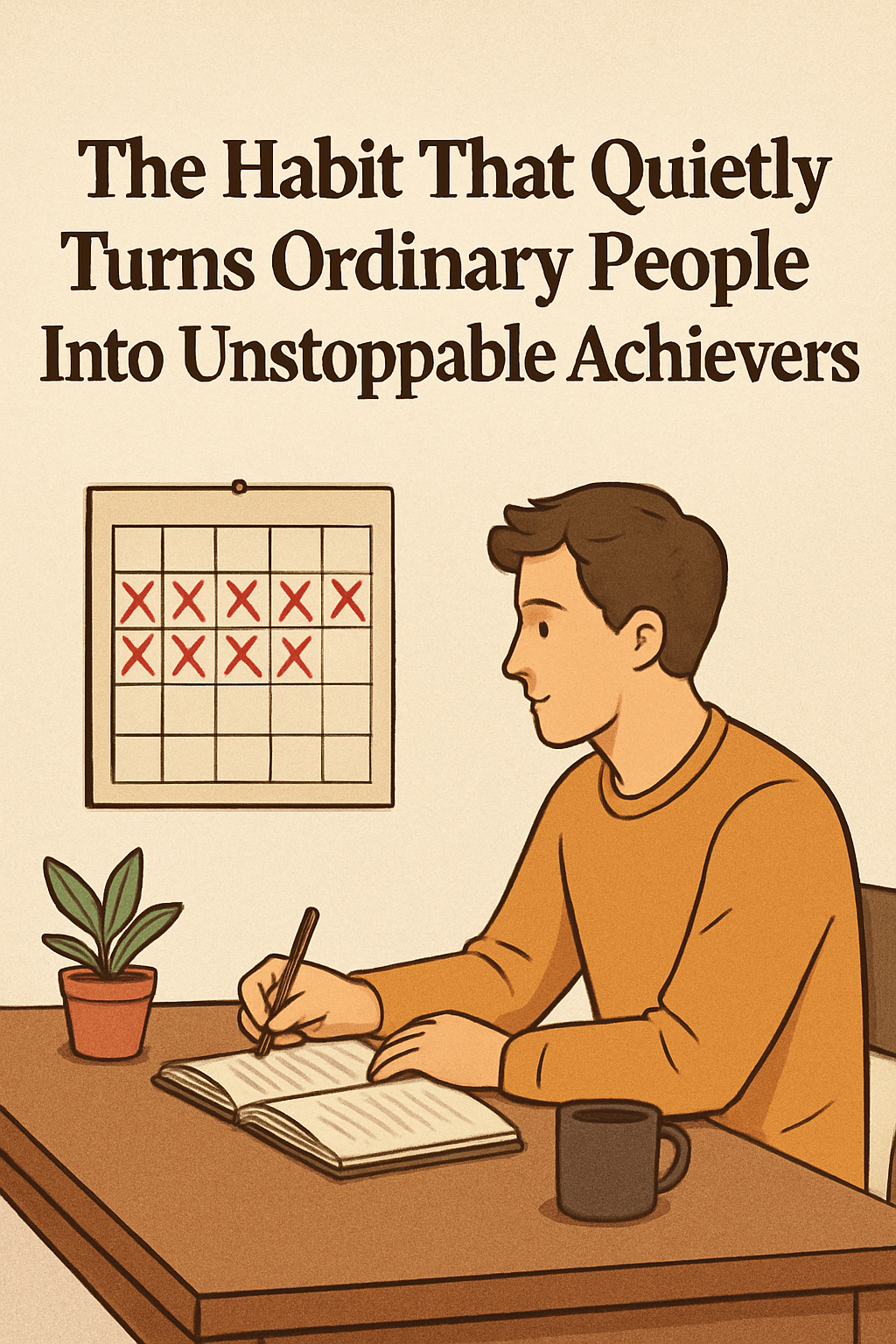
I’ve coached hundreds of people—from burnt-out execs to aspiring entrepreneurs—and I’ve seen it time and again. This habit isn’t flashy. It doesn’t require apps, journals, or 5 a.m. alarms (though it pairs well with them). It’s the habit of extreme ownership. Yeah, that’s it. Taking 100% responsibility for every outcome in your life, no excuses, no blame-shifting. Sounds basic? That’s why most people skip it—and stay stuck.
Think about your last setback. Bad boss? Tough market? Lousy genes? If you’re like most, you pointed fingers outward. But unstoppable achievers? They look in the mirror first. Always. And that’s what catapults them forward.
What Extreme Ownership Really Means (And Why It’s Not Blame)
Extreme ownership isn’t about beating yourself up or pretending you control the weather. It’s a mindset shift rooted in psychology: developing an internal locus of control. Coined by Julian Rotter in the 1950s, this concept separates high-achievers from the pack. People with an internal locus believe they shape their destiny through actions and choices. External locus folks? They blame fate, others, or circumstances.
Research backs it hard. A study in the Journal of Personality and Social Psychology found internal locus folks are 40% more resilient, earn higher incomes, and report greater life satisfaction. Why? Because ownership turns victims into victors. When you own it, you gain power. No more waiting for permission or perfect conditions.
Here’s the conversational truth: It’s freeing. Stop whining about traffic making you late? You own your schedule—leave earlier next time. Team tanks a project? You own the leadership gap. Suddenly, problems become puzzles you solve, not burdens you bear.
Real-Life Proof: From Zero to Hero Stories
Let’s ditch theory for stories. Meet Sarah, a 35-year-old accountant I worked with. Stuck in a dead-end job, blaming “the economy” and “no opportunities.” She was ordinary, frustrated, scrolling Netflix nightly. Then she embraced extreme ownership. Instead of “no one’s hiring,” she owned: “I haven’t upskilled.” Boom—online courses, networking, side hustle. Six months later? Six-figure remote gig, loving life.
Sound familiar? Scale it up: Jocko Willink, Navy SEAL turned leadership guru, lives this. His book Extreme Ownership exploded because it’s battle-tested. Or Elon Musk—when Tesla nearly tanked, he didn’t blame investors. He owned the production hell, slept on the factory floor, fixed it. Now? Trillions in market cap.
Oprah Winfrey? Fired from her first TV job, told she wasn’t “fit for television.” External blame could’ve ended her. She owned her growth, pivoted, built an empire. These aren’t superhumans. They’re ordinary people who decided, “This is on me.”
The Science: How Ownership Rewires Your Brain
Your brain loves shortcuts—blame is one. Neuroscientist Dr. Joe Dispenza calls it the “victim loop”: stress hormones flood, prefrontal cortex (decision-making HQ) shuts down. Ownership? It flips the script. Activates the dopamine reward system. You act, win small, crave more.
A Harvard study on 1,200 professionals showed ownership practitioners were 2.5x more likely to hit goals. Why? It kills procrastination. “I own this” sparks agency. fMRI scans reveal internal locus folks light up their anterior cingulate cortex—like a mental gas pedal for grit.
Bonus: It spreads. Teams led by owners outperform by 20-30%, per Gallup data. You’re not just unstoppable—you make everyone around you better.
How to Build This Habit (Your 30-Day Action Plan)
Ready to level up? Don’t overthink. Start small, stack wins. Here’s your no-BS plan:
- Day 1-7: The Mirror Rule. Every morning, ask: “What do I own today?” Journal three things. End of day: “What did I own? What excuses crept in?”
- Day 8-14: Blame Audit. Catch blame mid-sentence. Pause, reframe: “Boss yelled? I own my delivery.” Say it out loud. Feels weird? Good—growth hurts sweet.
- Day 15-21: Ownership Wins Log. Track micro-victories. Fixed a bug? Owned it. Nailed a workout? Owned the discipline. Review weekly—momentum builds.
- Day 22-30: Lead Others. Apply to relationships. Kid’s grades slip? Own your guidance. Partner’s mad? Own your half. Watch magic happen.
Pro tip: Use a trigger. Phone alarm: “Own it.” Or sticky note: “100% Me.” Consistency compounds. In 30 days, it’ll feel automatic.
Pitfalls to Dodge (So You Don’t Backslide)
It’s not all rainbows. Common traps:
1. Perfectionism. Ownership ≠ self-flagellation. Miss a goal? Own, learn, iterate. No shame spirals.
2. Over-Ownership. Can’t control others’ actions. Own your response only. Boundaries matter.
3. Lone Wolf Syndrome. Ask for help—owning includes smart delegation.
If you slip, own that too. Laugh, reset. This habit’s antifragile—it thrives on setbacks.
Why This Changes Everything for You
Imagine ditching victimhood. No more “if only” regrets. Every dream—book, business, body transformation—now yours to claim. You’re not ordinary anymore. You’re the CEO of your life.
I’ve seen it transform quiet quitters into trailblazers. Skeptical? Try the 30-day challenge. Bet you a coffee: You’ll be hooked. What’s one thing you’ll own today? Hit reply, share it. Let’s build unstoppable together.
(Word count: 1,028)